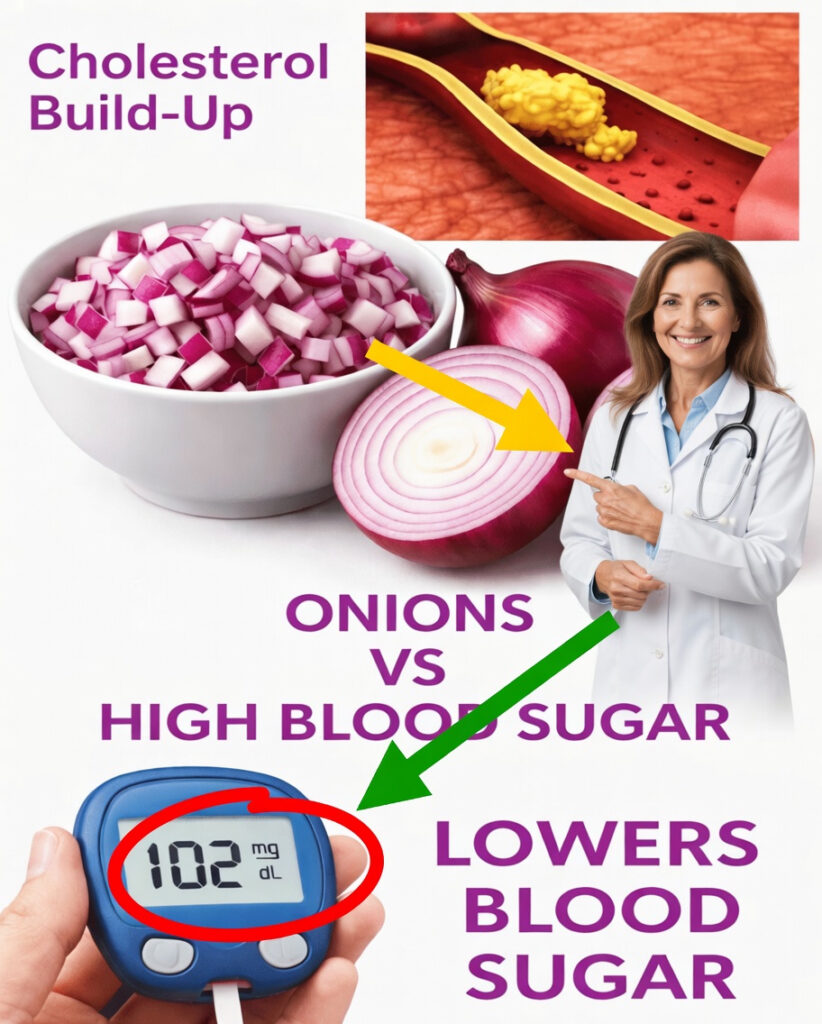
Red Onion and Blood Sugar: What the Science Really Shows
Keeping blood sugar stable can be frustrating. Many people deal with energy crashes, irritability, and mental fog after meals, making everyday life feel harder than it should. When these ups and downs happen often, it is natural to look for simple dietary changes that might help.
One food drawing a lot of attention is red onion. This common kitchen ingredient has become popular online for its possible role in supporting blood sugar balance. Still, the truth is more balanced than many viral claims suggest. Red onion does contain helpful plant compounds, but it is not a quick fix.
This article explores what research says, how red onion may fit into a healthy routine, and what kind of results are realistic.
Why Blood Sugar Balance Can Be So Difficult
Blood sugar swings can affect far more than lab numbers. They may leave you feeling:
- tired after eating
- unfocused during the day
- irritable or low in energy
- worried about long-term health
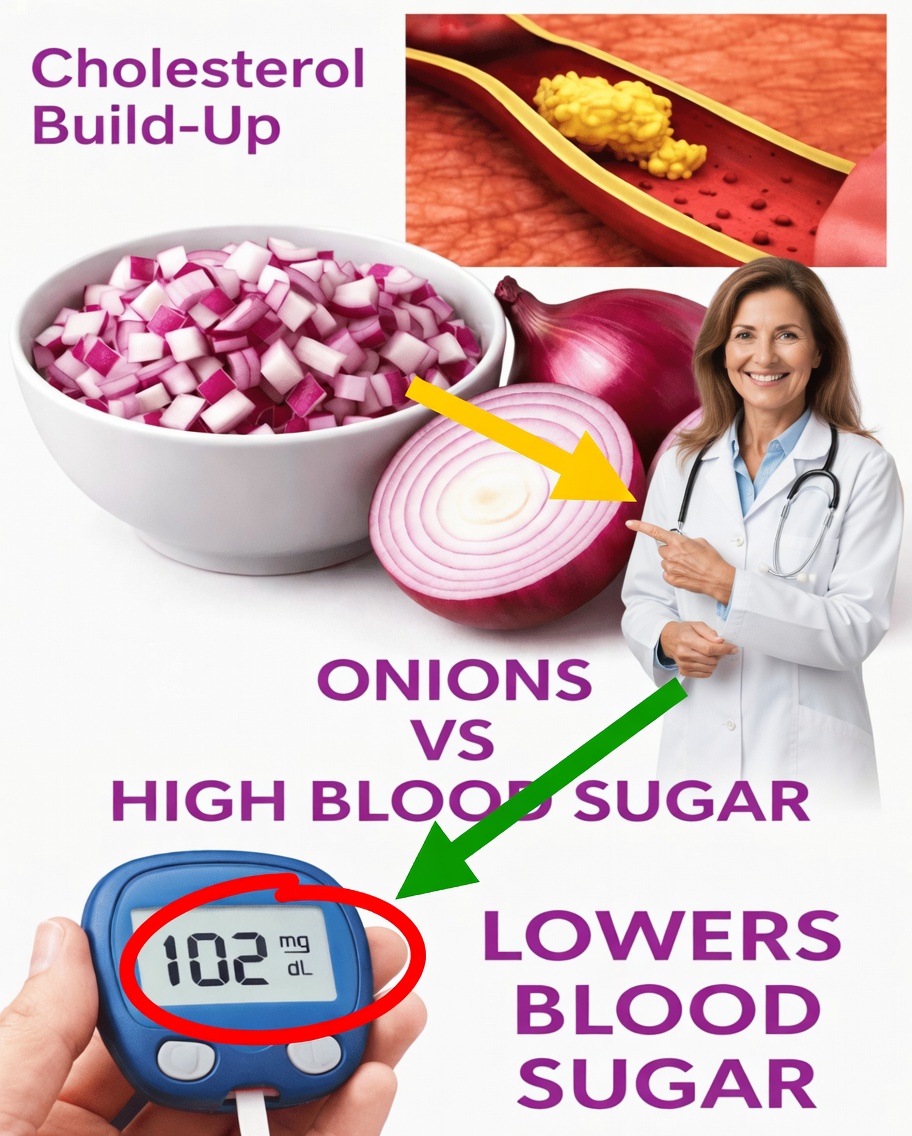
That is one reason foods linked to blood sugar support get so much attention. Red onion has become part of that conversation because it contains compounds such as quercetin, fiber, and various antioxidants that may offer benefits over time.
Even so, one important point should not be overlooked: no single food can solve blood sugar problems on its own. The overall quality of your diet and lifestyle matters much more than any one ingredient.
Why Red Onion Went Viral
Online wellness trends often highlight red onion as a simple way to improve blood sugar fast. Posts commonly feature methods like:
- sliced red onion soaked in vinegar
- onion water
- roasted red onion added to meals
These ideas appeal to people who want an easy solution for post-meal fatigue or sluggishness. And while red onion can absolutely be part of a health-conscious eating pattern, the evidence does not support dramatic overnight results.
What research suggests instead is more modest: red onion may provide gradual support when eaten regularly as part of a balanced diet.

What Research Says About Red Onion and Blood Sugar
Scientific studies, including animal research and a limited number of human trials, suggest that red onion may support glucose regulation and insulin sensitivity under certain conditions. Some findings indicate that consuming about 100 grams of raw red onion may influence post-meal blood sugar in certain individuals.
Several components may explain this effect:
- Fiber may slow digestion and carbohydrate absorption.
- Quercetin, a flavonoid found in red onion, has been studied for its antioxidant and anti-inflammatory properties.
- Sulfur compounds found in onions have shown possible glucose-supporting effects in preliminary research.
- Antioxidants may help reduce oxidative stress, which is often linked to metabolic health concerns.
Still, the benefits appear to be limited and gradual, not dramatic. Red onion should be viewed as a supportive food, not as a replacement for medical care, prescribed treatment, or professional advice.
9 Possible Wellness Benefits of Red Onion
Red onion may offer several advantages for people trying to support steadier energy and better metabolic health. These benefits are most meaningful when combined with healthy habits and medical guidance.
1. Fiber May Support Slower Digestion
Red onion contains fiber that can help slow the absorption of carbohydrates. This may reduce sharp post-meal spikes that often lead to energy dips later in the day.
2. It Has a Low Glycemic Impact
Adding red onion to meals generally does not add much glycemic load. That makes it a smart ingredient for people trying to build meals that support more stable blood sugar responses.
3. Quercetin Provides Antioxidant Support
Red onion is known for its quercetin content, especially near the outer layers. Early research suggests quercetin may help support insulin function and reduce inflammation.

4. Sulfur Compounds May Play a Role
Naturally occurring sulfur compounds in onions have been studied for their possible insulin-like or insulin-supportive activity, especially in animal models.
5. It May Fit Heart-Healthy Eating Patterns
Some studies suggest onions may help support healthy cholesterol levels. This is especially relevant because blood sugar issues and heart health often go hand in hand.
6. Antioxidants May Help Defend Against Oxidative Stress
Red onion contains compounds that help combat free radicals. This matters because oxidative stress is often associated with long-term metabolic strain.
7. It Makes Healthy Meals More Enjoyable
One reason healthy habits fail is boredom. Red onion adds crunch, color, and bold flavor, making nutritious meals more appealing and easier to maintain consistently.
8. It Contributes Useful Nutrients
In addition to plant compounds, red onion offers vitamins and micronutrients that support overall wellness and daily vitality.
9. Small Daily Use May Add Up Over Time
The real value of red onion is not in a one-time serving. Its strength lies in regular use as part of a long-term, balanced eating routine.
Popular Ways to Eat Red Onion
One of the most talked-about methods online is soaking sliced red onion in apple cider vinegar. This creates a tangy, crisp topping that works well in salads, grain bowls, and alongside protein-rich meals.
Other common options include:
- adding raw slices to sandwiches or salads
- roasting red onion until sweet and tender
- mixing it into soups and stir-fries
- using it in infused water recipes
These methods can make meals more flavorful and enjoyable. However, if people notice any benefit, it is likely to be subtle and gradual, not immediate.

Key Compounds in Red Onion
| Compound | Found In | Potential Role | Evidence Level |
|---|---|---|---|
| Quercetin | Outer layers and skin | Antioxidant support, possible glucose management support | Animal studies and limited human research |
| Fiber | Whole onion | May slow carbohydrate absorption | Strong dietary evidence |
| Sulfur compounds | All onions | Possible support for glucose regulation | Preliminary research |
| Vitamins and micronutrients | Onion flesh | General wellness support | Established nutrition data |
Practical Tips for Adding Red Onion to Your Diet
If you want to include red onion in your routine, a simple and consistent approach works best.
Easy ways to start
- Begin with a small amount: Add a few slices to a salad or lunch bowl and see how your body responds.
- Try quick pickling: Soak thin slices in apple cider vinegar overnight for a flavorful topping.
- Roast it: Toss wedges with olive oil and herbs, then bake until soft and lightly caramelized.
- Use it in cooked dishes: Stir-fries, soups, and sautés offer a gentler flavor and may be easier on digestion.
- Pair it with balanced meals: Combine red onion with protein, healthy fats, and fiber-rich foods for a more supportive meal overall.
A note on tolerance
Some people experience mild bloating or gas from raw onion. If that happens:
- reduce the portion size
- switch to cooked onion
- drink enough water
- increase intake gradually

Small Changes Can Still Matter
Red onion is more than a flavorful ingredient. It also provides natural compounds that may support people dealing with blood sugar fluctuations. While it is not a miracle food, it can be a useful part of a steady, realistic wellness routine.
The bigger goal is not perfection. It is building sustainable habits that help you feel more energized, more consistent, and more in control over time.
Before making major changes to your eating plan, speak with your healthcare provider, especially if you have diabetes, prediabetes, or other blood sugar concerns. When paired with professional guidance and an overall healthy diet, small choices like adding more red onion and other vegetables can make a meaningful difference.
FAQ
1. Can red onion really help with blood sugar?
Research suggests that compounds in red onion, including quercetin and fiber, may support blood sugar management as part of a healthy diet. However, results vary from person to person, and effects are usually gradual rather than immediate.
2. What is the best way to eat red onion for possible benefits?
There is no single best method. Many people enjoy it raw, pickled, roasted, or cooked in meals. Consistency matters more than any specific preparation style.
3. Are there any side effects from eating more red onion?
Some people may notice mild digestive discomfort, especially with raw onion. Starting with smaller portions or choosing cooked red onion may help.
Important Disclaimer
This content is for informational purposes only and does not replace professional medical advice. Always consult your healthcare provider before changing your diet or health routine, especially if you have concerns related to blood sugar.