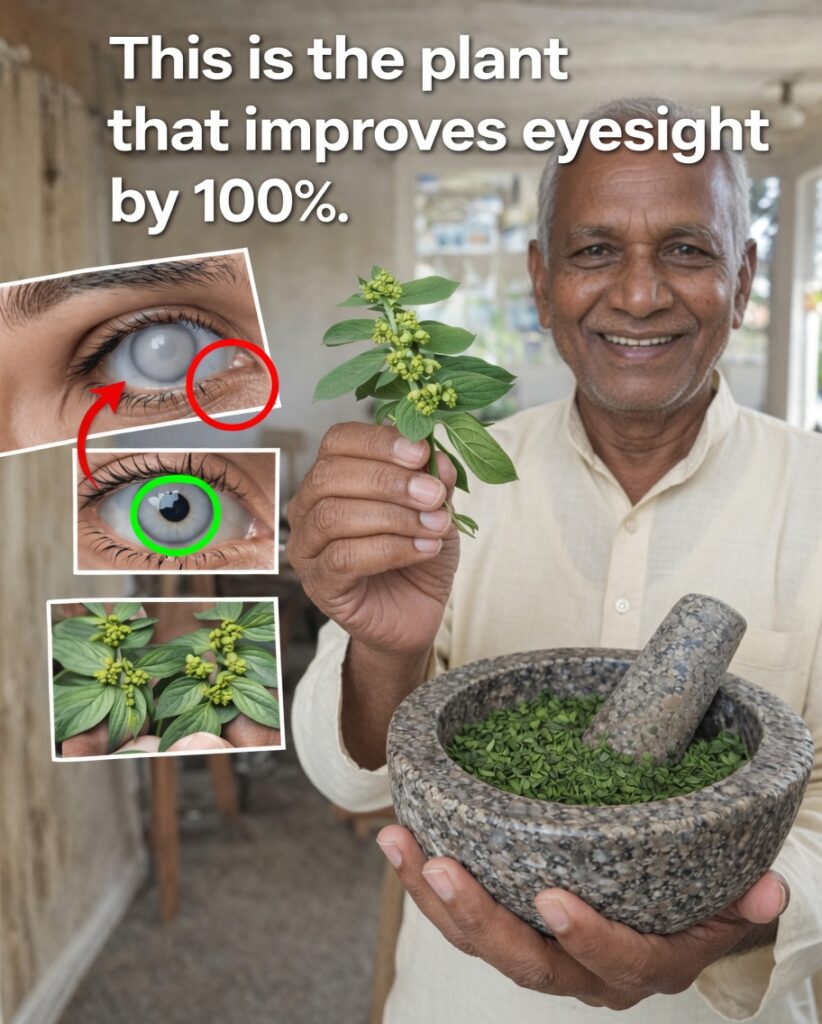
Eye Strain, Dryness, and Aging Vision: Could Euphorbia Hirta Help?
As the years go by, many people notice their eyes becoming more sensitive and easily fatigued. Long screen sessions can lead to blurred focus, and small text may feel harder to read than it used to. Night driving glare, frequent dryness, or that “tired eyes” feeling can also become a regular annoyance.
Interestingly, a widely overlooked weed may offer gentle support for eye comfort. Euphorbia hirta—also called tawa-tawa—has a long history in traditional medicine in different regions of the world. Below, you’ll learn what Euphorbia hirta is, how it has been used traditionally for eye-related concerns, what early research suggests, and how to approach it safely.
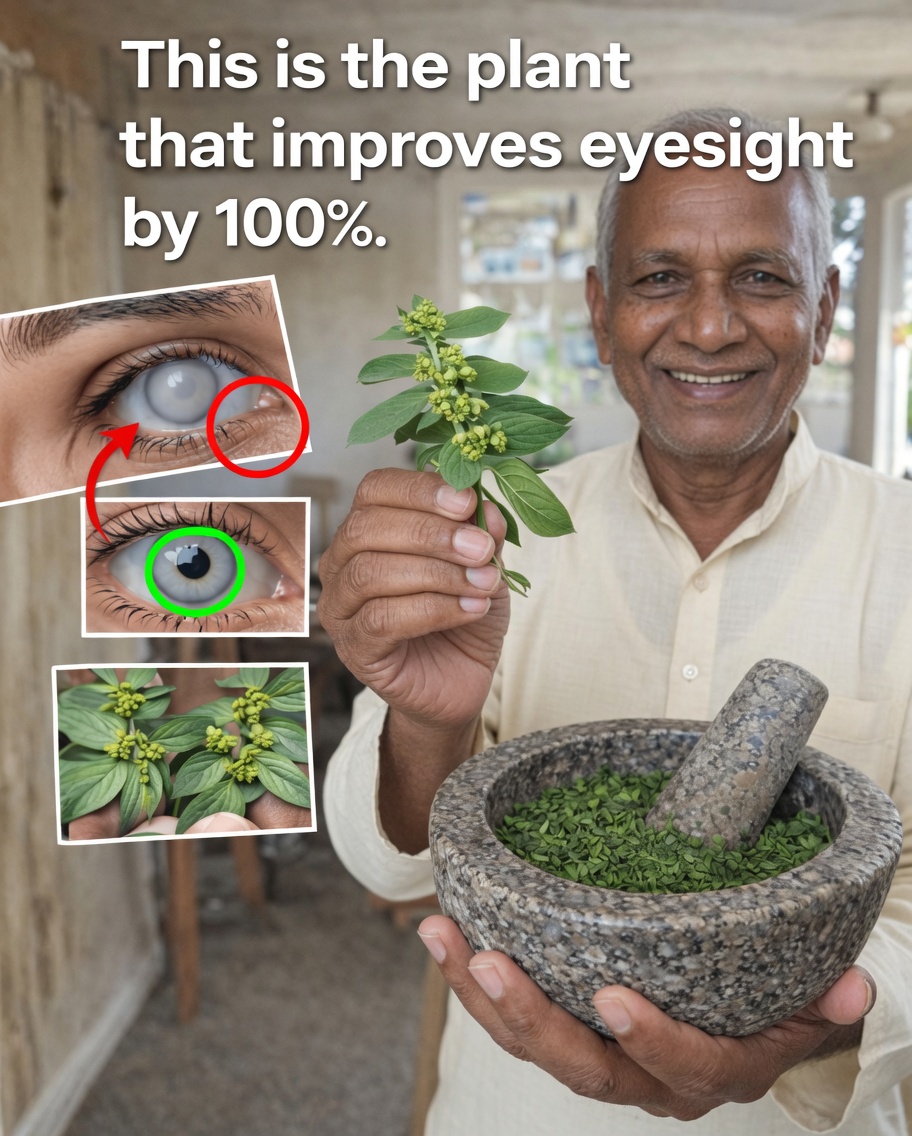
What Is Euphorbia Hirta?
Euphorbia hirta is a small, low-growing plant commonly found in tropical and warm climates. It’s often nicknamed “asthma weed” because of its traditional use for respiratory complaints.
Key features include:
- Small green leaves and tiny flowers
- A milky latex sap that is used in some folk remedies but can also be irritating if handled or applied improperly
Although it has been used for multiple health purposes in traditional practices, its reputation for supporting eye comfort is one of the most talked-about uses today.
Traditional Eye-Related Uses of Euphorbia Hirta
In several tropical communities, Euphorbia hirta has been used as a home remedy for common eye discomforts. Traditional approaches have included:
- Conjunctivitis and minor eye sores (e.g., styes): Leaves or sap were sometimes used externally in an attempt to calm irritation and swelling.
- General soothing for tired eyes: Some people prepared the plant as a mild herbal tea and used it as a warm compress to relax strained eyes.
These practices are based on tradition, not standardized medical guidance. Because the plant’s latex sap can trigger burning, redness, and irritation, extra caution is essential—especially around such a sensitive area.

What Research Suggests About Euphorbia Hirta for Eye Health
Most claims about Euphorbia hirta and eye health come from folklore. However, early scientific studies (mostly lab and animal research) have explored properties that may be relevant to eye comfort and long-term protection.
Antioxidant activity
Some laboratory findings suggest Euphorbia hirta contains compounds with antioxidant potential. Antioxidants may help defend eye tissues against oxidative stress, which can be triggered by environmental factors such as UV exposure and extended blue light from screens.
Anti-inflammatory potential
Eye discomfort is often linked to inflammation—think redness, irritation, or puffiness. Certain studies have reported anti-inflammatory effects from Euphorbia hirta in experimental settings, which could help explain why it has been used traditionally for soothing purposes.
Possible cataract-related support (early evidence)
One animal study reported that Euphorbia hirta extract helped delay cataract development in rats, a process commonly associated with oxidative damage in the lens. This is an interesting direction, but it does not confirm the same outcome in humans—clinical trials are still needed.
How to Explore Euphorbia Hirta Safely for Eye Comfort
Even if a plant is “natural,” it isn’t automatically safe—especially when used near the eyes. If you’re considering Euphorbia hirta, focus on caution and proper preparation.

Safer ways to approach Euphorbia hirta
- Speak with a professional first: Consult an eye doctor (optometrist/ophthalmologist) and/or a qualified herbal professional before trying Euphorbia hirta for eye-related concerns.
- Avoid raw sap completely: The unprocessed latex is a known irritant and may be harmful if it contacts the eye.
- Choose properly prepared products: If you use it, rely on reputable, correctly prepared teas or extracts rather than DIY sap application.
- Start with gentle external use: A cooled herbal tea compress is often considered a milder, lower-risk method than anything involving direct eye contact.
- Pair it with proven eye-care habits: Herbal approaches should support—not replace—reliable daily practices for eye comfort and resilience.
Practical, Proven Tips to Protect Your Eyes Every Day
Whether or not you explore Euphorbia hirta, these habits can make a real difference in reducing strain and supporting long-term eye health:
- Follow the 20-20-20 rule: Every 20 minutes, look at something about 20 feet away for 20 seconds to reduce screen-related strain.
- Stay well hydrated: Dryness often worsens when you’re dehydrated.
- Eat eye-supportive foods: Nutrients such as vitamin A (found in carrots and leafy greens) support healthy vision over time.
- Reduce and manage screen exposure: Take breaks, adjust brightness, and improve lighting to minimize glare and discomfort.

Frequently Asked Questions (FAQ)
-
Is Euphorbia hirta safe to apply directly to the eyes?
No. Raw Euphorbia hirta sap can be irritating and potentially harmful. Avoid putting unprocessed sap anywhere near the eye and consult a healthcare professional for guidance. -
Can Euphorbia hirta restore or improve vision?
It is not a treatment for refractive errors or vision loss. Any potential benefit is more likely related to comfort support (such as soothing irritation) and possible protection from oxidative stress, not “fixing” eyesight. -
What’s the safest way to try Euphorbia hirta for eye comfort?
Start with medical guidance, use only properly prepared products (like reputable teas or extracts), and consider external compresses rather than risky direct applications.
Conclusion
Euphorbia hirta is not a miracle solution for eye problems, but traditional use and early research suggest it may offer supportive benefits—especially related to soothing irritation and helping the body respond to oxidative stress. If you’re interested in trying it, prioritize safety: avoid raw sap, use prepared products, and consult a qualified professional. For best results, combine any herbal approach with consistent, proven eye-care habits.
Disclaimer
This content is for informational purposes only and does not replace professional medical advice, diagnosis, or treatment. Always consult a qualified healthcare provider for personalized recommendations.