Noticing a Yellow Tint: An Early Signal From Your Liver
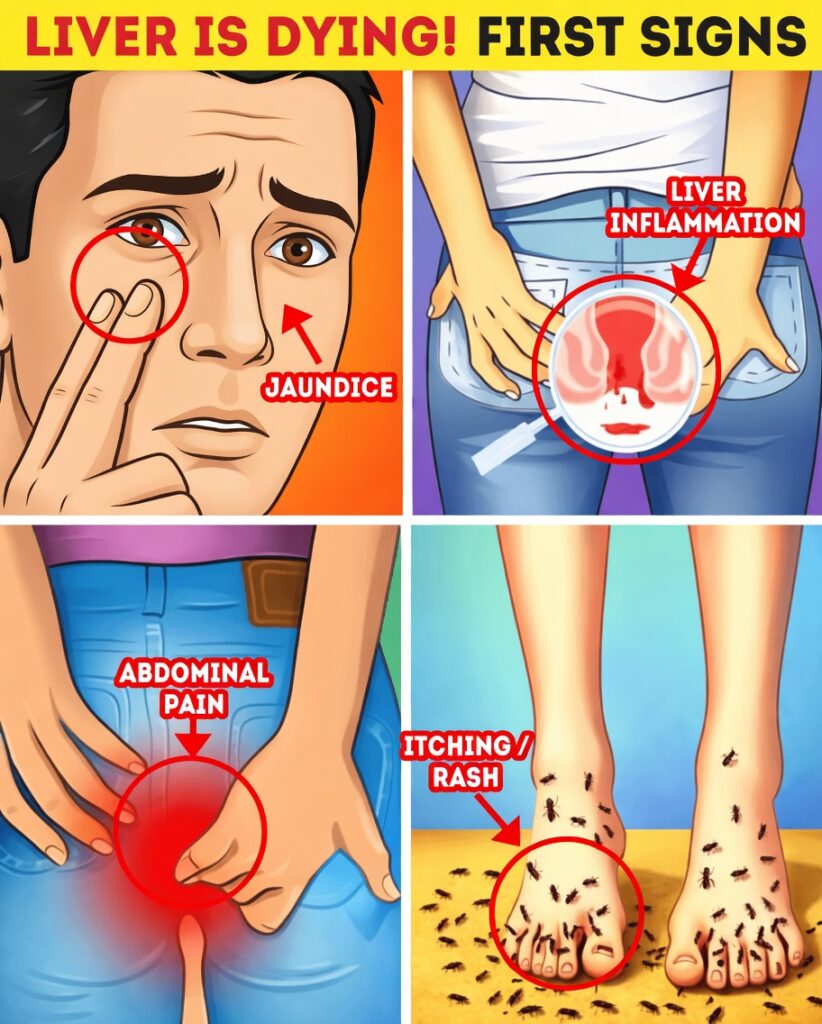
One morning you catch your reflection and see a faint yellowish hue in the whites of your eyes or across your skin that simply does not fade. At first, it is easy to blame on lack of sleep, stress, or last night’s meal. But as days go by and the discoloration stays the same—or becomes more obvious—it can quietly shift from a curiosity to a real concern.
This subtle change is often an early sign that your liver is under extra pressure. It can affect how energetic you feel, how comfortable your body is, and how well you function from day to day. The positive side is that noticing this liver symptom early gives you a valuable window to act—seeking medical advice and making practical lifestyle changes before minor issues escalate.
What This Liver Symptom Means and Why Early Action Matters
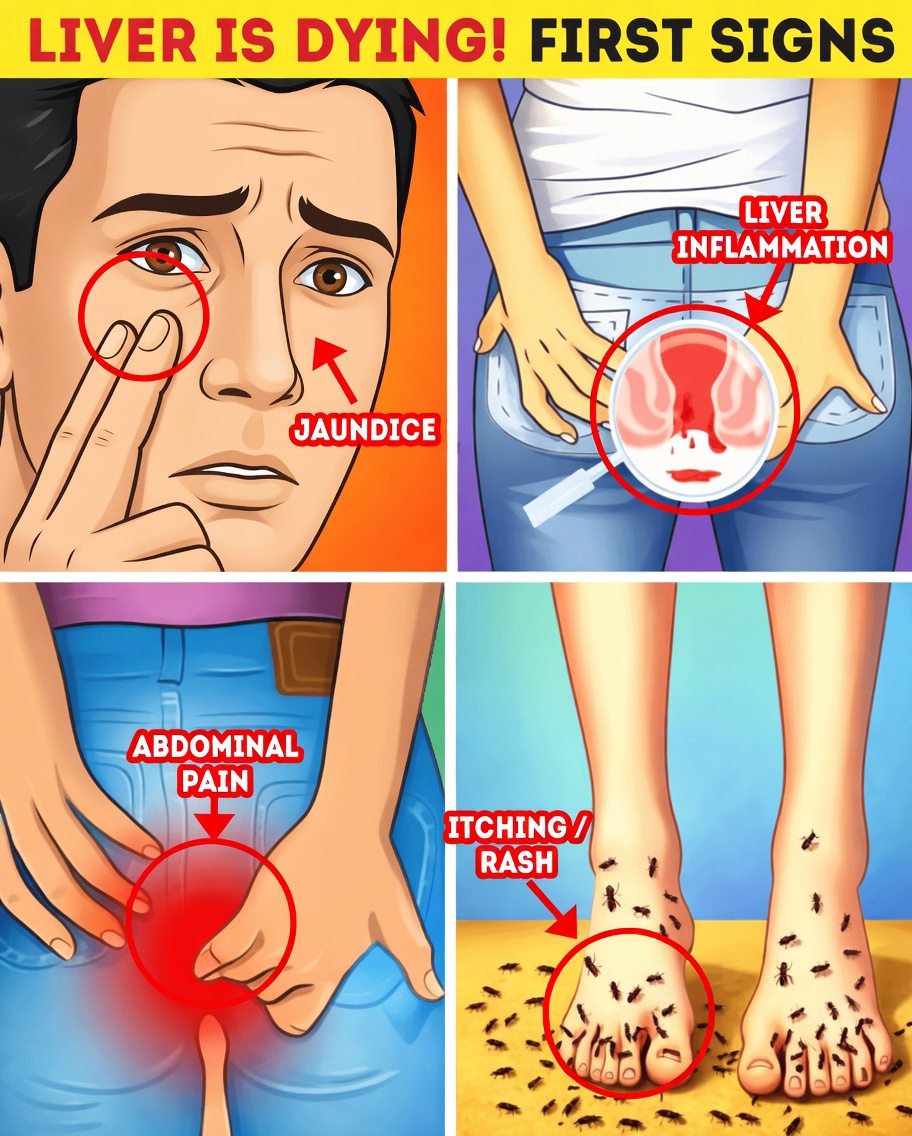
Your liver is a powerhouse organ that works around the clock. It filters your blood, processes nutrients from food, helps balance hormones, and removes toxins and waste products. When this system is disrupted, one of the clearest outward signals is a yellow discoloration of the skin or eyes called jaundice.
Jaundice develops when bilirubin—a yellow pigment produced as red blood cells break down—builds up in the body. Normally, the liver processes and eliminates bilirubin efficiently. When liver function is impaired, bilirubin may accumulate in the bloodstream, leading to the yellow tint you can see.
This particular liver symptom should be taken seriously within days, not weeks. Research shows that early evaluation can influence how quickly doctors identify the cause and how well your body responds to treatment. Paying close attention to this change lets you move from uncertainty and worry to informed action and targeted support for your liver health.
How This Liver Symptom Connects to Other Warning Signs
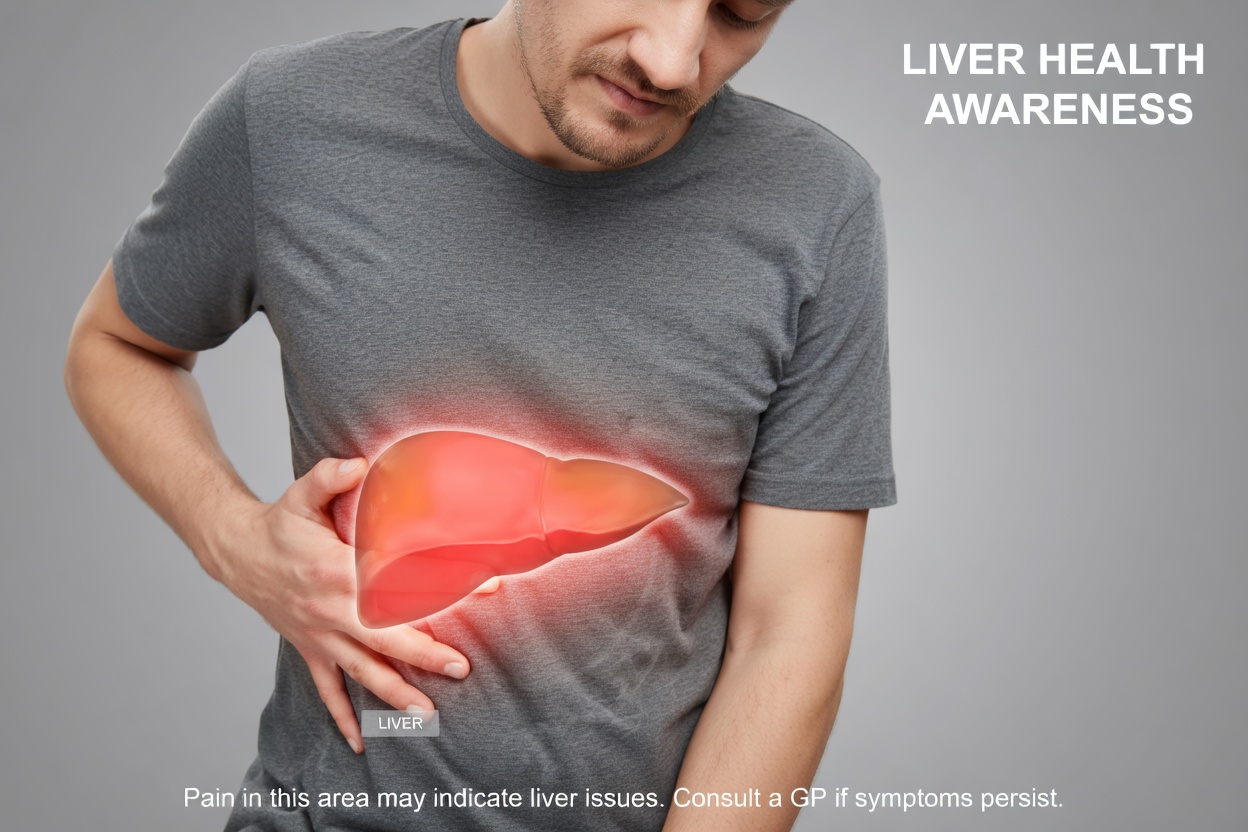
Yellowing of the skin or eyes rarely appears in isolation. Many people notice it alongside other mild but important changes that, together, offer a clearer picture of how the liver is coping. Recognizing these patterns early can help you feel more in control and more prepared when you talk with a healthcare professional.
Below are six additional liver-related symptoms that often appear with jaundice or this yellow-tint liver symptom.
1. Persistent Fatigue That Rest Does Not Fix
A heavy, unshakable tiredness—often blamed on a busy lifestyle—can be directly connected to liver stress. When the liver cannot filter toxins and support metabolism efficiently, your muscles and brain may receive less steady energy. Studies indicate that people with liver issues commonly report feeling exhausted even after getting what should be adequate sleep. Everyday tasks may feel harder, and your usual stamina can drop noticeably.
2. Intense Itching Without a Visible Rash
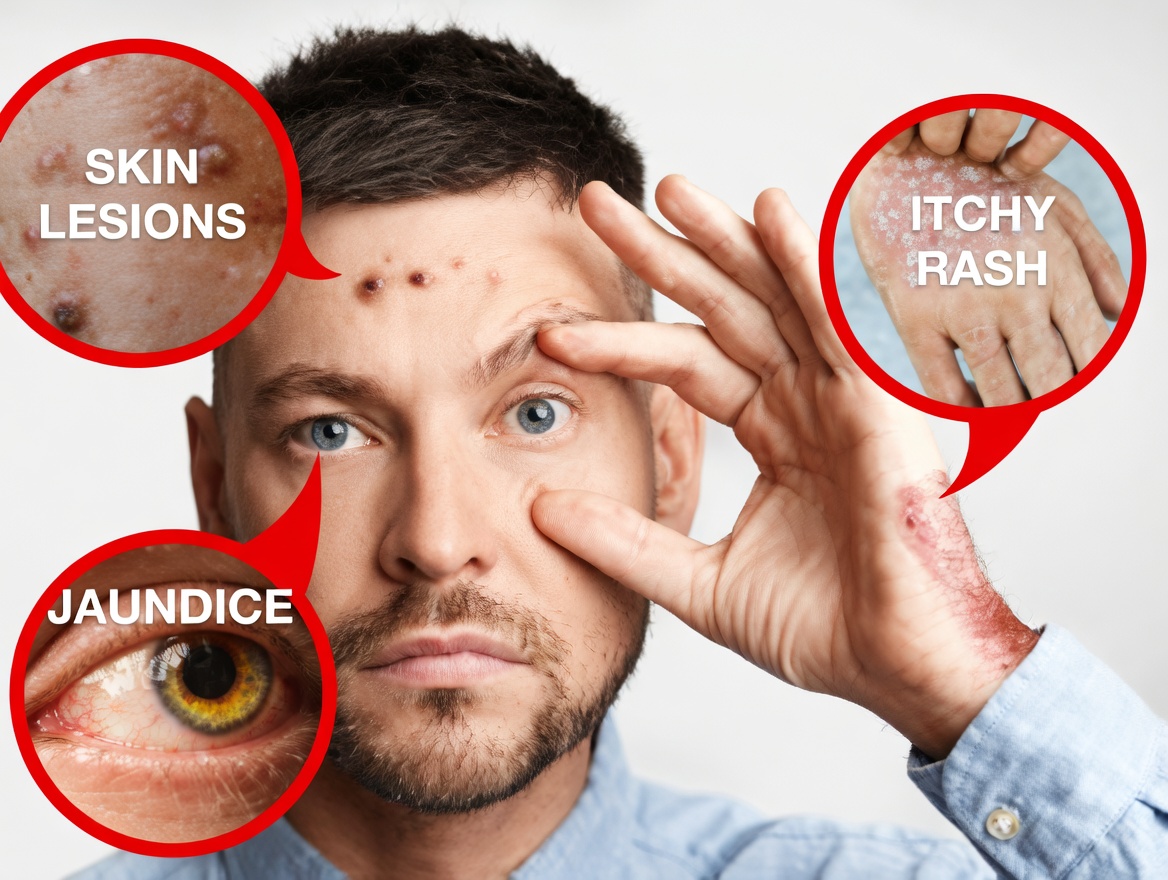
Another common partner to this liver symptom is unexplained, ongoing itching. You might feel it most at night or during quiet moments, even though your skin looks normal. When bile does not flow properly, certain substances can build up in the bloodstream and deposit in the skin, triggering irritation. Moisturizers and lotions often provide little relief, which makes this symptom particularly frustrating—but it is also an important clue to discuss with your doctor.
3. Swelling in the Ankles, Feet, or Abdomen
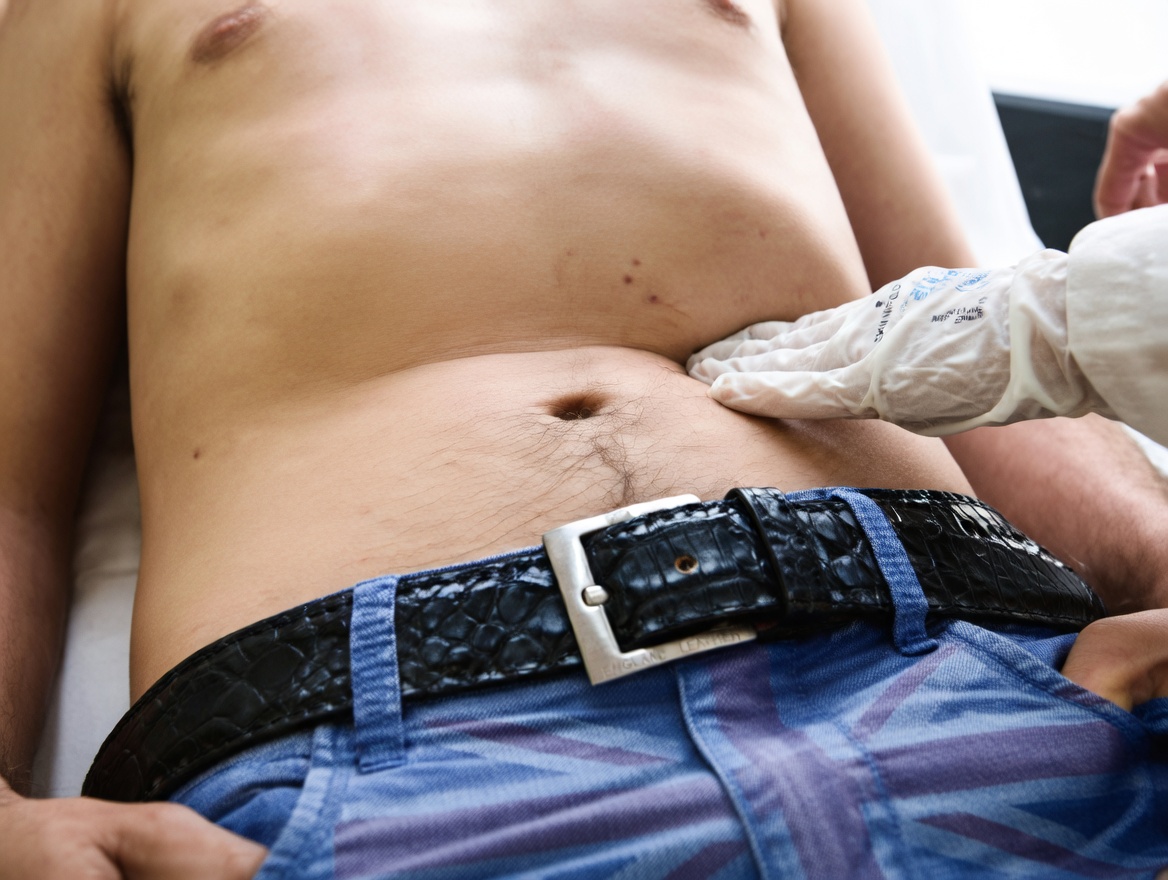
Unusual puffiness around the ankles or lower legs and a sense of fullness or bloating in the abdomen can occur when the liver’s role in managing fluids and producing key proteins is disrupted. When fewer proteins are available to keep fluid within the blood vessels, fluid can leak into surrounding tissues. You might notice shoes feeling tighter by the end of the day or unexpected increases in waist measurement or body weight.
4. Dark Urine or Very Pale Stools
Changes in urine and stool color often appear around the same time as this yellow-tint liver symptom. Normally, the liver processes bilirubin in a way that gives stool its brown color and helps keep urine relatively light. When that process is altered, urine may become noticeably darker, while stools can look unusually pale, grayish, or clay-colored. These changes provide valuable information for your healthcare provider.
5. Easy Bruising or Bleeding Gums
If you start noticing bruises from small bumps you barely remember, or your gums bleed easily when you brush or floss, your liver may be involved. The liver produces many of the proteins required for normal blood clotting. When production slows or becomes disrupted, even minor injuries can lead to noticeable bruising, and small cuts may take longer to stop bleeding.
6. Loss of Appetite or Persistent Nausea
A reduced desire to eat, a feeling of fullness after just a few bites, or recurring nausea—especially when combined with this liver symptom—can signal that your liver is struggling to process nutrients and fats. People often report unintentional weight changes and a general disinterest in food, even meals they usually enjoy.
Everyday Fluctuations vs. a Concerning Liver Symptom Pattern
The table below highlights the difference between normal day-to-day variations and patterns that are more consistent with liver-related issues such as jaundice:
| Category | Everyday Changes | Liver Symptom Pattern |
|---|---|---|
| Skin/Eyes | Temporary redness or flush from heat | Yellowish discoloration that lingers for days or gets more intense |
| Energy | Usual afternoon slump or mild tiredness | Deep fatigue that sleep and rest do not noticeably improve |
| Digestion | Occasional indigestion or mild discomfort | Ongoing nausea plus darker urine and/or paler stools |
| Comfort | Mild itch from dry skin or weather changes | Persistent, intense itching without a rash or obvious skin problem |
If you notice the yellow tint together with several of these patterns, it is a strong signal to seek medical evaluation promptly.
Practical Ways to Support Your Liver When You Notice This Symptom
Spotting this liver symptom early allows you to focus on supportive habits while working with your healthcare provider to understand the underlying cause. Research suggests the following strategies can be helpful for many people:
-
Emphasize liver-supportive vegetables
Add more cruciferous vegetables such as broccoli, cauliflower, cabbage, and Brussels sprouts. These contain natural compounds that support the liver’s detoxification pathways and help it process various substances more efficiently. -
Cut back on added sugars and refined carbs
Reduce sugary drinks, sweets, and highly processed white-flour products. Choose whole grains like oats, quinoa, and brown rice to provide steady energy without overloading your liver. -
Move your body regularly
Aim for at least 20–30 minutes of gentle activity most days of the week—such as walking, cycling at an easy pace, or light strength training. Regular movement supports circulation, weight management, and overall metabolic health, all of which benefit your liver. -
Prioritize hydration and limit alcohol
Drink about 6–8 glasses of plain water per day, adjusting for climate and activity level. Cut back on alcohol and sugary beverages, both of which can increase strain on the liver over time. -
Schedule a medical check-up with liver tests
If you notice a persistent yellow tint—especially along with fatigue, itching, swelling, or changes in urine or stool color—book an appointment promptly. Simple blood tests that measure liver enzymes and bilirubin levels can provide crucial information and guide next steps.
Many people are surprised by how much better they feel when they combine awareness of this liver symptom with small, consistent lifestyle adjustments. Even modest changes can translate into improved comfort, steadier energy, and more confidence about your health.
What Research Shows About This Liver Symptom
Medical studies consistently emphasize that jaundice and related yellowing of the skin or eyes should be evaluated early—ideally within a few days of noticing them. When this symptom is investigated promptly, doctors can more quickly identify whether the cause is related to the liver itself, bile ducts, blood disorders, medication effects, or another condition.
Organizations such as the American Liver Foundation highlight jaundice as a key signal that should not be ignored or left to “see if it goes away on its own.” Early assessment respects your body’s ability to heal while ensuring your liver receives appropriate medical attention and everyday support through diet, movement, and lifestyle habits.
Key Takeaway: Listen When Your Liver Sends a Signal
The liver is remarkably resilient, but it communicates when it needs help. A persistent yellow tint in your eyes or skin is one of those messages. By noticing this liver symptom early, seeking professional guidance, and adopting supportive daily habits, you give this vital organ the best chance to recover and function well.
One thoughtful step today—making that appointment, adjusting your eating patterns, or adding a short daily walk—can help you feel more energetic, comfortable, and confident about your health in the days and months ahead.
Frequently Asked Questions
How soon should I see a doctor if I notice this liver symptom?
Most experts recommend arranging a medical evaluation within a few days if you see a yellow tint in your eyes or skin, particularly if it does not fade or seems to worsen. Seek urgent care sooner if the symptom appears suddenly, is severe, or is accompanied by intense pain, confusion, or fever.
Can this liver symptom occur without any other obvious problems?
Yes. Jaundice or subtle yellowing can sometimes be the first or only noticeable sign of an underlying issue. Because it may appear before other symptoms become clear, bringing it to your doctor’s attention early is important.
Does this liver symptom always indicate a serious disease?
Not always. There are many possible causes of jaundice, and some are relatively mild or easily managed when detected early. However, only a healthcare professional can determine the cause and its seriousness. Prompt evaluation provides clarity and helps you take the right steps to protect your liver health.