Olive Leaf for Everyday Wellness: A Natural Addition to a Balanced Routine
In a world that rarely slows down, many people are looking for easy, natural ways to support their health and maintain steady energy. Busy schedules, stress, occasional inflammation, and concerns about long-term well-being can make healthy choices feel more complicated than they should. That is one reason olive leaf is attracting growing interest. Used for generations in Mediterranean traditions, this humble leaf contains plant compounds that researchers are now studying for daily wellness support. Even better, there are simple ways to add it to your routine.
What Is Olive Leaf and Why Are More People Talking About It?
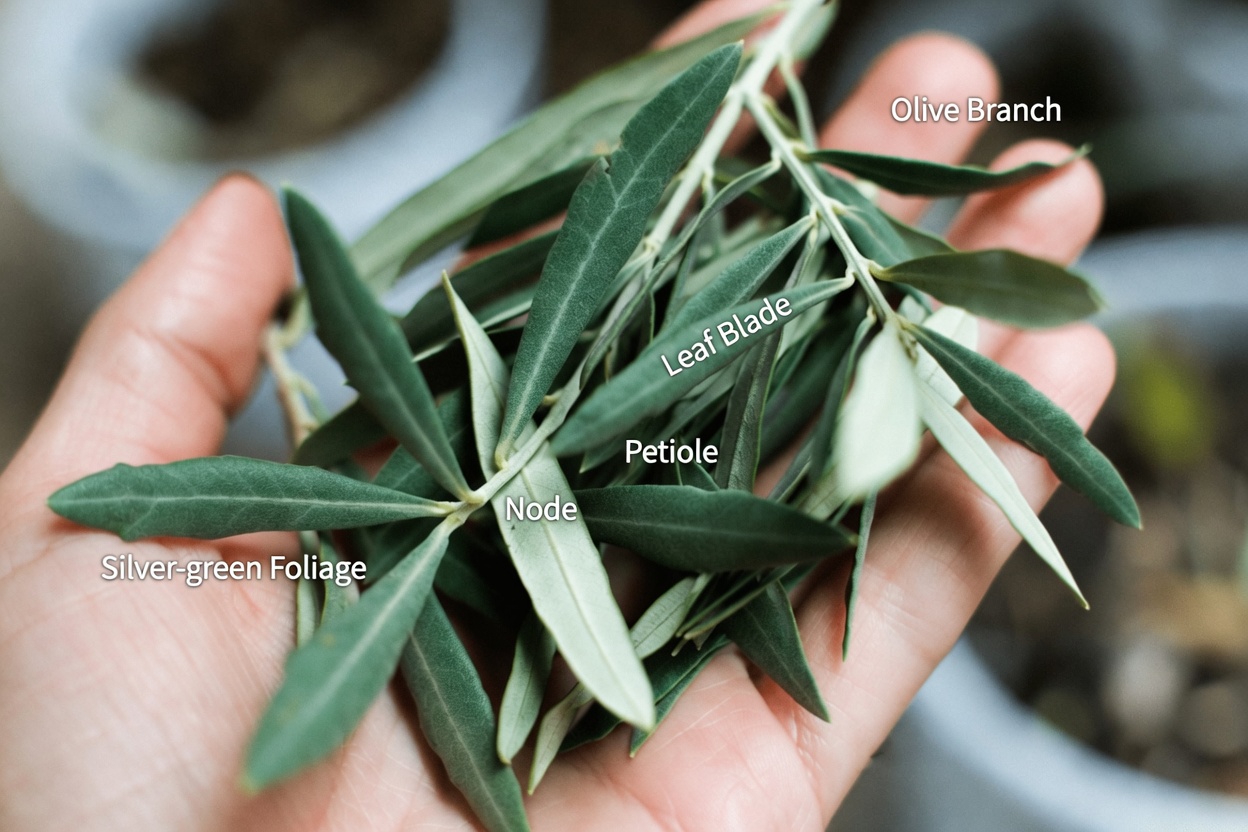
Olive leaf comes from the Olea europaea tree, the same tree that produces olives and olive oil. While the fruit gets most of the attention, the leaves contain a rich concentration of beneficial plant compounds. In traditional Mediterranean practices, olive leaves were often brewed into tea or used in herbal preparations to promote vitality and general health.
Modern interest in olive leaf centers on its high polyphenol content, especially oleuropein and hydroxytyrosol. These compounds are known for their antioxidant activity, helping the body defend itself against free radicals. Free radicals are unstable molecules that can build up from stress, poor diet, environmental exposure, and other everyday pressures.
Because of this, olive leaf is now being explored as more than just a traditional remedy. It is increasingly seen as a useful part of a well-rounded wellness lifestyle.
Olive Leaf’s Antioxidant and Anti-Inflammatory Benefits
Daily life often brings a certain amount of oxidative stress and low-grade inflammation. Hard workouts, lack of sleep, processed foods, and emotional stress can all contribute. Research from laboratory and animal studies suggests that the polyphenols in olive leaf may help support the body’s natural protective systems and promote healthy cellular function.
Some published studies have also noted that olive leaf compounds may help reduce inflammatory markers. Although early findings are encouraging, olive leaf is best viewed as supportive rather than a cure-all.
Small human studies have also examined the effects of olive leaf extract on overall well-being. While research is still developing, some results suggest potential improvements in areas such as energy, comfort, and general wellness. This explains why many health-conscious individuals are including olive leaf in their daily habits.
Potential wellness-supporting properties linked to early research
- Helps support the body’s natural antioxidant defenses
- May encourage a healthy inflammatory response
- Supports normal immune function through bioactive plant compounds
- May contribute to metabolic balance, including areas related to energy and weight management
It is important to note that these conclusions come from preliminary research and review papers. Larger human studies are still needed, and outcomes may differ from person to person.
How Olive Leaf May Support Heart Health and Daily Vitality
Heart health remains a major priority for many adults, and olive leaf has become part of the conversation around natural lifestyle support. Some clinical studies have investigated whether standardized olive leaf extract may help maintain blood pressure levels that are already within the normal range. In certain trials, participants using olive leaf extract showed modest improvements compared with placebo.
Researchers believe this may be related to the effects of oleuropein on blood vessel function and circulation. Olive leaf has also been studied for its possible role in supporting healthy cholesterol patterns and overall cardiovascular wellness.
There is also emerging interest in olive leaf’s impact on metabolic health. Some findings suggest it may help the body respond more efficiently to blood sugar in specific groups of people. For those focused on prevention and steady health habits rather than quick fixes, this makes olive leaf especially appealing.
Olive Leaf Compared With Other Popular Wellness Options
Here is a simple look at how olive leaf is often discussed alongside other common plant-based supports:
-
Antioxidant profile
- Olive leaf: Rich in oleuropein and hydroxytyrosol
- Green tea and similar options: Known for catechins
-
Primary wellness focus
- Olive leaf: Often associated with blood pressure, circulation, and metabolic support
- Green tea and similar options: Commonly linked to broad cardiovascular and antioxidant benefits
-
How it is used
- Olive leaf: Available as tea or capsules
- Green tea and similar options: Usually consumed as brewed drinks or extracts
-
Research stage
- Olive leaf: Growing body of human research
- Green tea and similar options: More established research base
Even with these promising qualities, olive leaf works best when combined with healthy basics like nutritious food, movement, and quality sleep.
Practical Ways to Add Olive Leaf to Your Routine
The good news is that using olive leaf does not have to be expensive or complicated. It can fit into everyday life with very little effort.
1. Try olive leaf tea
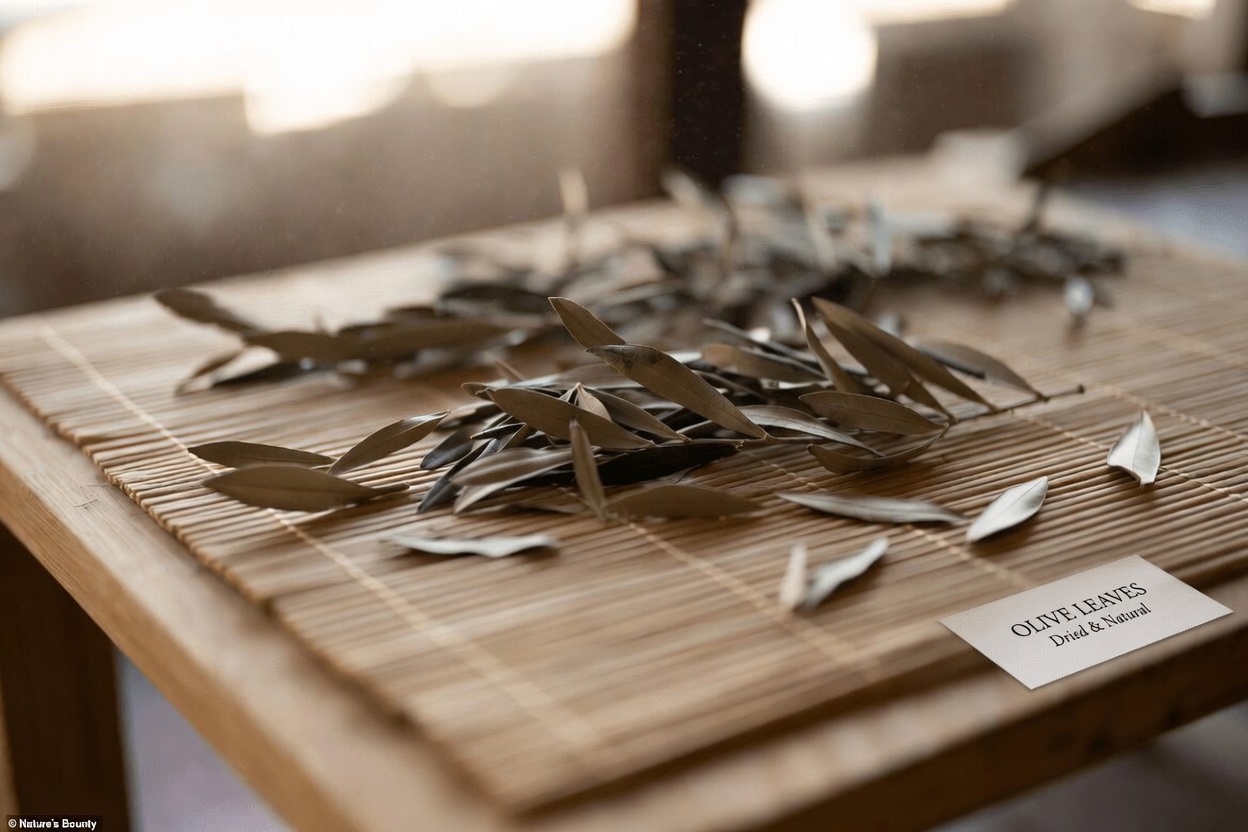
Use dried olive leaves, which are commonly sold online and in health stores. Steep 1 to 2 teaspoons in hot water for 10 to 15 minutes. Drinking one or two cups a day can become a calming ritual that supports your wellness goals.
2. Choose a standardized supplement
If you prefer capsules, look for an olive leaf extract standardized to at least 20% oleuropein. Many studies use daily amounts in the range of 500 to 1,000 mg, often divided into two servings with meals.
3. Build it into existing habits
You are more likely to stay consistent if olive leaf becomes part of something you already do. Have the tea with breakfast, or take capsules with your first meal of the day. Give it 4 to 6 weeks and pay attention to how you feel.
4. Pair it with Mediterranean-style foods
For a more complete approach, enjoy olive leaf tea or supplements alongside olive oil, vegetables, and other Mediterranean-inspired choices. This combination supports both flavor and a broader plant-rich lifestyle.
The key is consistency, not perfection. Small daily actions are often easier to maintain and more realistic for busy schedules.
New Research on Olive Leaf and Whole-Body Wellness
Interest in olive leaf goes beyond antioxidant support. Scientists continue studying its possible role in cellular resilience and healthy aging. Some early laboratory work has explored how olive leaf compounds interact with different cell types, though human evidence is still limited and focused mainly on general wellness.
Its anti-inflammatory effects may also be relevant for everyday joint comfort or recovery after exercise. A few animal studies have suggested possible benefits for mood and cognitive performance by helping reduce oxidative stress. However, these areas need much more human research before firm conclusions can be made.
What seems clear so far is that olive leaf fits naturally into a holistic wellness strategy aimed at staying active, feeling balanced, and supporting the body over time.
Why Olive Leaf Belongs in a Smart Wellness Toolkit
Olive leaf offers a practical, nature-based option for people who want to support their health in simple ways. Its antioxidant compounds, possible heart health benefits, and role in inflammation balance make it a compelling addition to everyday wellness habits. Whether used as a tea or in supplement form, olive leaf connects centuries of traditional use with growing scientific interest.
Just as importantly, it is easy to try without turning your routine upside down. Sometimes the smallest changes bring the strongest sense of control and confidence in your health journey.
FAQ About Olive Leaf
How much olive leaf should I take each day?
Many studies use 500 to 1,000 mg of standardized olive leaf extract daily, or one to two cups of olive leaf tea. It is best to begin with a lower amount, follow the directions on the product label, and speak with a healthcare professional first.
Is olive leaf safe for long-term use?
For many healthy adults, olive leaf is generally considered well tolerated. However, it may interact with medications, especially those for blood pressure or blood sugar. If you take prescription drugs or have a medical condition, consult your doctor before using it regularly.
Can I make olive leaf tea from fresh leaves?
Yes, but dried leaves are usually better for consistency and potency. If you have fresh leaves, you can dry them gently at low heat. Store-bought dried olive leaf products are often the most reliable choice because they are processed for quality and stability.
Disclaimer
This article is intended for informational purposes only and does not replace medical advice. Olive leaf products are not designed to diagnose, treat, cure, or prevent any disease. Always speak with a qualified healthcare professional before starting any new supplement, especially if you are pregnant, nursing, have a medical condition, or take prescription medication. Individual results may vary.