
Tired, Cold Hands and Heavy Legs? Your Circulation May Need Support
Do your hands and feet often feel icy cold? Do you feel drained after only light activity? Everyday life should not leave you feeling exhausted and uncomfortable. These common issues can be linked to poor blood circulation, which means blood is not moving through the body as efficiently as it should.
The good news is that food can play a major role in supporting healthy blood vessels and steady blood flow. In particular, three vitamins stand out for their ability to work together: Vitamin C, Vitamin E, and Vitamin B3 (niacin). By the end of this guide, you will also discover an easy way to combine them in one simple daily habit.
Why Healthy Blood Circulation Matters So Much
Blood circulation is far more than a basic body function. It is your body’s transport system, carrying oxygen and nutrients to every organ and tissue, from your brain to your toes. When circulation is working well, you are more likely to feel mentally clear, physically energized, and comfortable throughout the day. Even your skin can look healthier.
When circulation is sluggish, the difference is noticeable. You may experience:
- Cold hands and feet
- Heavy or tired legs
- Low energy
- Reduced stamina
- General discomfort after sitting or standing too long
The encouraging part is that consistent daily habits, especially better food choices, can make a meaningful difference over time.
Vitamin C: Essential for Strong, Flexible Blood Vessels
Vitamin C is one of the most important nutrients for vascular health. It helps the body produce collagen, a structural protein that keeps blood vessel walls strong, elastic, and resilient.
Research also suggests that Vitamin C may support the production of nitric oxide, a compound that helps blood vessels relax. When vessels are more relaxed, blood can move more freely.
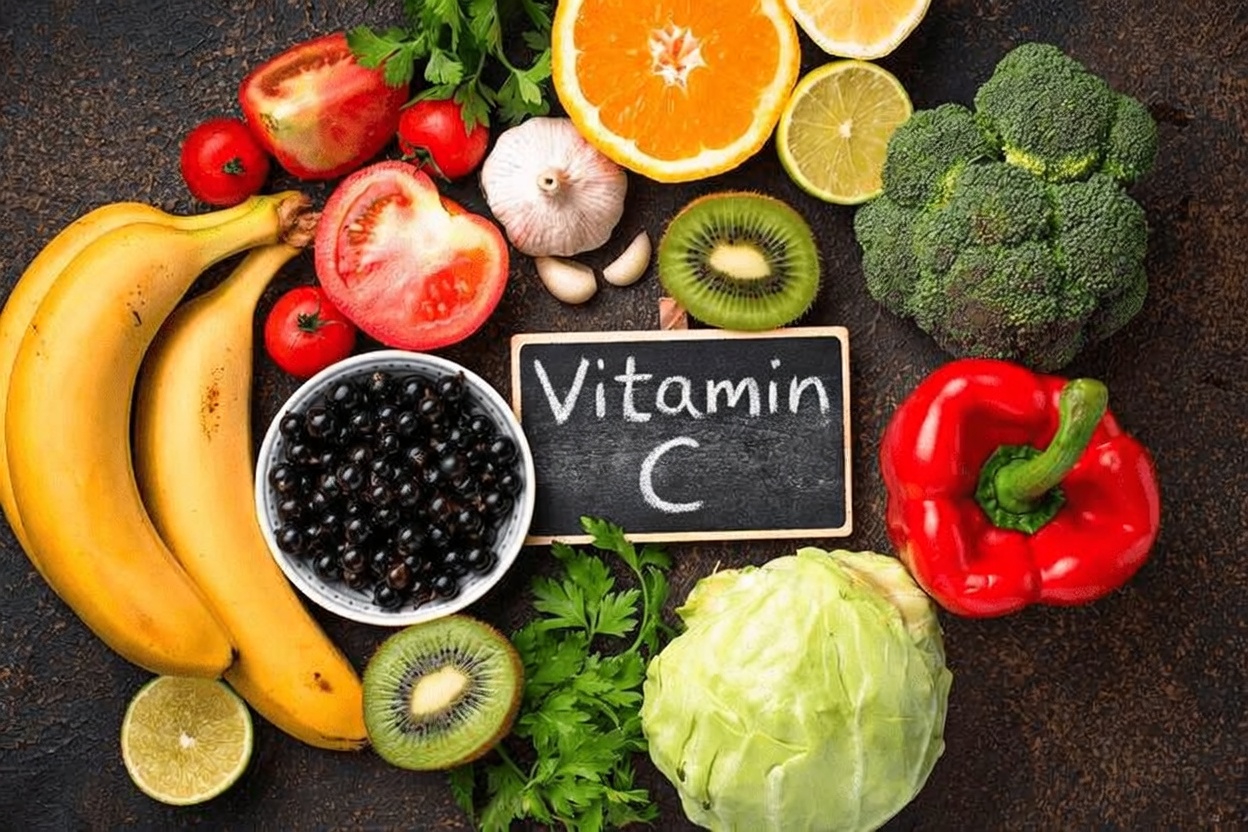
You do not need expensive supplements to benefit from Vitamin C. Many everyday foods provide it naturally, including:
- Oranges
- Grapefruits
- Red bell peppers
- Kiwi
- Strawberries
- Broccoli
- Brussels sprouts
Adding these foods regularly to meals is a simple way to support healthier circulation from the inside out.
Vitamin E: Antioxidant Protection for Your Arteries
Vitamin E is another key nutrient for circulation because it acts as a powerful antioxidant. Its role is to help protect blood vessels from oxidative stress caused by free radicals, which can damage the delicate lining of the arteries over time.
A diet that includes Vitamin E may help support:
- Better vessel flexibility
- Protection against everyday cellular damage
- Long-term vascular health
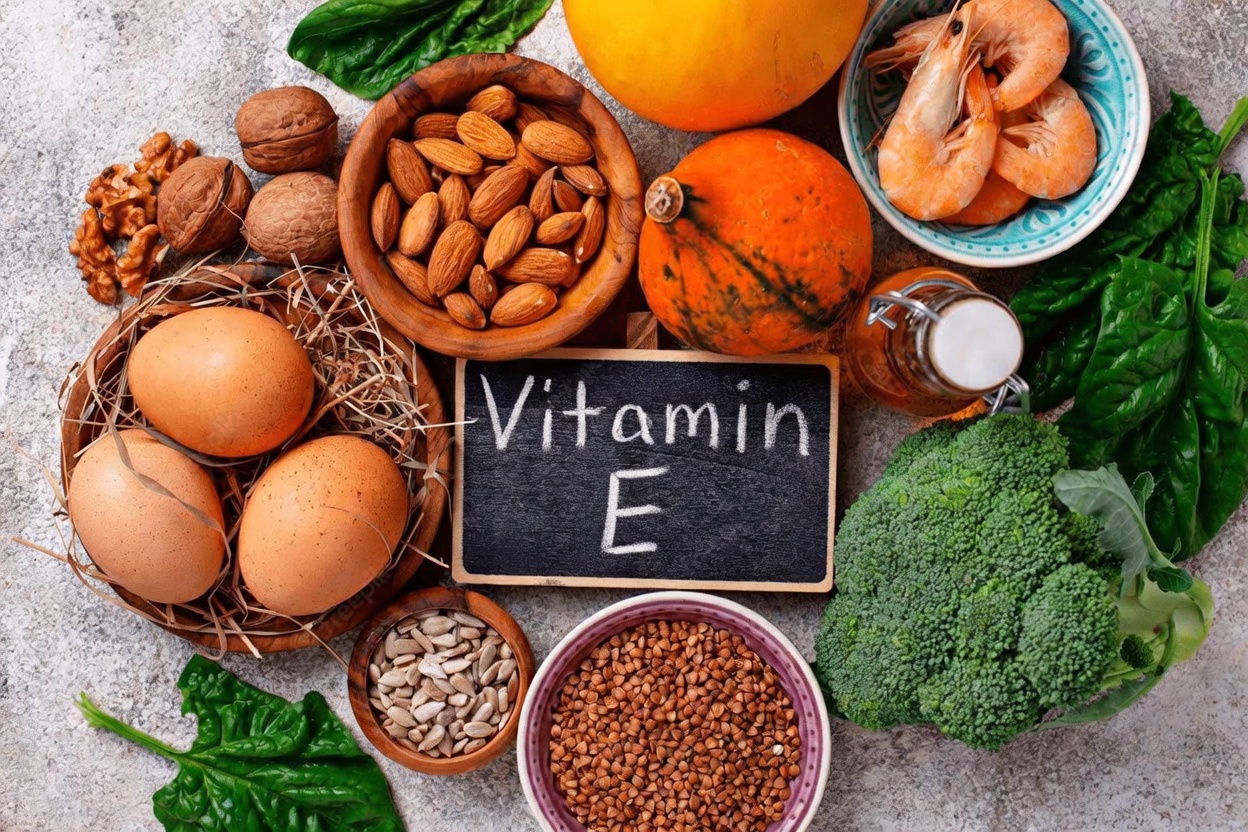
Natural sources of Vitamin E include:
- Sunflower seeds
- Almonds
- Spinach
- Leafy greens
- Avocados
- Wheat germ oil
- Hazelnuts
One reason Vitamin E is so often discussed alongside Vitamin C is because these two nutrients complement each other well, strengthening the body’s natural protective systems.
Vitamin B3 (Niacin): The Overlooked Helper for Blood Flow
Vitamin B3, also known as niacin, is not always the first nutrient people think of when discussing circulation. However, it plays an important role in helping blood vessels relax and widen naturally.
Studies suggest that niacin may support:
- Smoother blood flow
- Healthy cholesterol balance
- Better overall circulatory function
Food-based sources are often the best place to start. Good options include:
- Chicken breast
- Turkey
- Tuna
- Salmon
- Peanuts
- Peanut butter
- Mushrooms
- Green peas
- Avocados
Rather than relying on very high-dose supplements, a balanced diet that includes niacin-rich foods can offer steady nutritional support.
How These Three Vitamins Work Together
The real advantage comes when Vitamin C, Vitamin E, and Vitamin B3 are included together in your routine.
Each one contributes in a different way:
- Vitamin C helps build and maintain the structure of blood vessels.
- Vitamin E helps protect those vessels from oxidative damage.
- Vitamin B3 helps support relaxed, open blood vessels for smoother flow.
Together, they create a strong foundation for circulation support. Think of it as a daily nutritional strategy: one nutrient strengthens, one protects, and one helps keep things moving.
With consistent habits, some people begin to notice small improvements in comfort and energy within a few weeks.
A Simple 7-Day Starter Plan
You do not need complicated meal prep or a costly grocery list to begin. Here is a practical one-week plan to naturally include these circulation-supporting vitamins.
1. Start Your Morning Right
Choose one of these:
- A glass of fresh orange juice
- A kiwi and strawberry smoothie
Then add:
- A handful of sunflower seeds for Vitamin E
This gives you an early dose of both Vitamin C and Vitamin E.
2. Upgrade Your Lunch
Build a salad with:
- Chopped red bell peppers
- Spinach
- A light drizzle of wheat germ oil
- A sprinkle of peanuts
This combination gives you Vitamin C, Vitamin E, and Vitamin B3 in one meal.
3. Choose a Smarter Snack
Try one of these easy options:
- Half an avocado with sliced turkey
- Tuna on whole-grain crackers
These are convenient, satisfying, and provide a strong mix of circulation-friendly nutrients.
4. Make Dinner Count
For dinner, combine:
- Sautéed mushrooms
- Broccoli
- Grilled salmon or chicken
This meal offers all three vitamins while remaining simple and realistic for everyday life.
5. Keep Your Evening Snack Light
If you want something later in the day, choose:
- A small handful of almonds
- A few hazelnuts
This adds more Vitamin E without feeling too heavy before bed.
6. Stay Hydrated
Water matters. Proper hydration helps your body transport nutrients where they are needed most. Drink enough throughout the day to support overall circulation and nutrient delivery.
7. Track How You Feel
At the end of the week, write down any small changes you notice, such as:
- More stable energy
- Less heaviness in the legs
- Warmer hands or feet
- Better comfort during daily routines
Even small improvements can help you stay motivated.
Quick Grocery Guide
| Vitamin | Top Food Sources | How It Supports Circulation | Easy Swap Idea |
|---|---|---|---|
| Vitamin C | Oranges, bell peppers, strawberries | Helps build collagen for strong vessel walls | Replace chips with sliced bell peppers |
| Vitamin E | Almonds, spinach, sunflower seeds | Provides antioxidant protection | Add seeds or nuts to breakfast |
| Vitamin B3 | Chicken, tuna, mushrooms | Helps blood vessels relax and widen | Choose grilled protein instead of fried |
The Easy Daily Combo to Try
If you want one simple habit that brings all three vitamins together, try this Circulation-Friendly Green Smoothie each morning for two weeks.
Ingredients
- 1 orange
- 1 handful of spinach
- 1/2 avocado
- A few strawberries
- A sprinkle of sunflower seeds
- Water or unsweetened almond milk
Why it works
This smoothie combines:
- Vitamin C from orange and strawberries
- Vitamin E from sunflower seeds and avocado
- Vitamin B3 from avocado and spinach in smaller supportive amounts
It takes less than five minutes to prepare, tastes fresh and satisfying, and gives your body a convenient circulation-supporting nutrient mix at the start of the day.
Many people find that adding a simple habit like this helps them feel steadier and more comfortable during normal daily activities.
Final Thoughts: Small Choices Can Lead to Real Results
Better circulation support does not always require drastic changes. Often, it starts with simple food choices repeated consistently. By including Vitamin C, Vitamin E, and Vitamin B3 in your meals, you give your body meaningful nutritional support for healthy blood vessels and smoother blood flow.
If you often deal with cold extremities, tired legs, or low daily energy, this trio is worth paying attention to. Start small, stay consistent, and let your plate work in your favor.