Tonsil Stones: Causes, Symptoms, Safe Removal, and Prevention
Seeing tiny white or yellow spots at the back of your throat can be worrying. So can dealing with stubborn bad breath that does not improve even with regular brushing and mouthwash. These signs often lead to one common explanation: tonsil stones.
Although they may feel embarrassing or unsettling, tonsil stones are usually benign and far more common than many people realize. The good news is that they can often be managed with simple daily care. If you want fresher breath and fewer flare-ups, understanding how they form is the first step.
What Are Tonsil Stones?
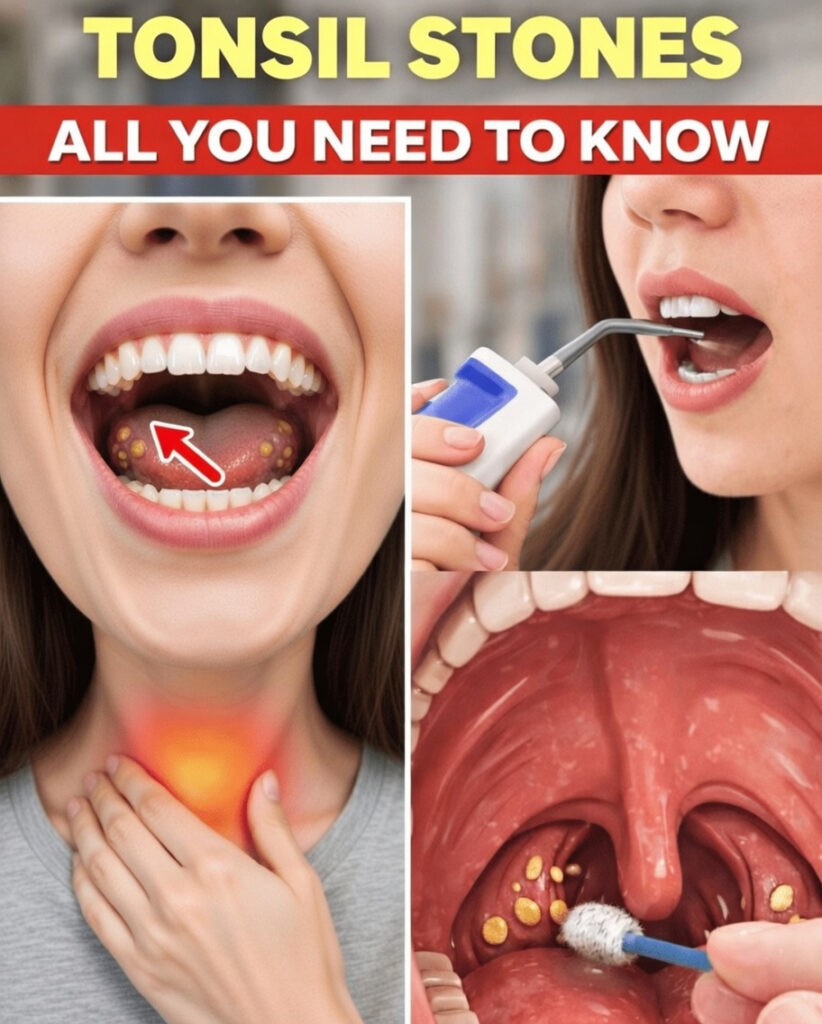
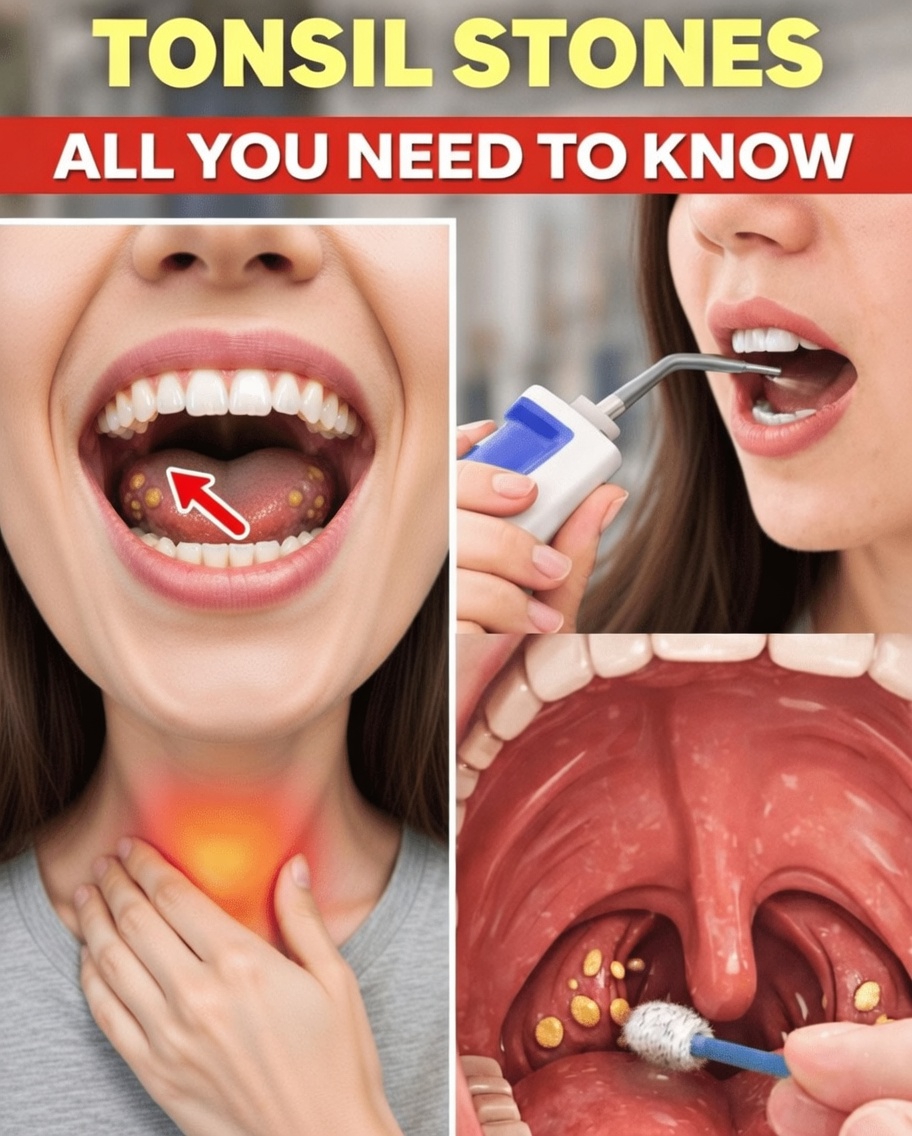
Tonsil stones, or tonsilloliths, are small hardened deposits that develop inside the natural grooves of the tonsils, called crypts. The tonsils help protect the body by trapping bacteria, mucus, dead cells, and bits of food. When this material stays lodged in the crypts, it can gradually harden as it mixes with minerals such as calcium in saliva.
Medical sources including the Cleveland Clinic note that tonsil stones are often white or yellow and may be as small as a grain of rice or noticeably larger. In many cases, people do not know they have them until they become visible or begin to cause symptoms.
Common Symptoms of Tonsil Stones
Some people have tonsil stones with no discomfort at all. Others notice ongoing symptoms that can be frustrating and difficult to explain.
One of the most frequent complaints is chronic bad breath. Bacteria that collect on the stones release sulfur compounds, which create a strong unpleasant odor. Studies have connected tonsil stones to certain cases of persistent halitosis.
Other possible symptoms include:
- A sore, irritated, or scratchy throat
- A feeling like something is stuck in the throat
- Ear discomfort caused by shared nerve pathways
- Coughing or throat irritation
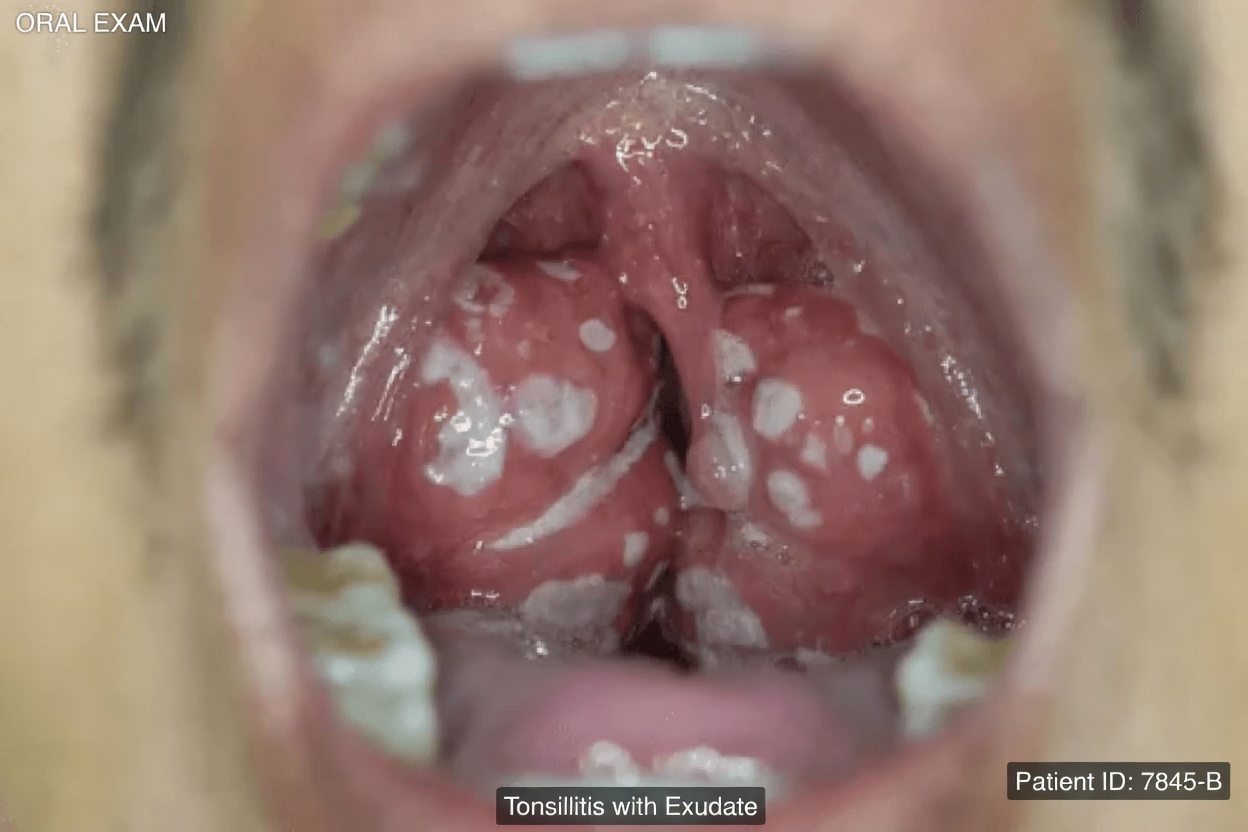
- Visible white or yellow dots on the tonsils
Symptom Overview
| Symptom | Why It Happens | Often Mistaken For |
|---|---|---|
| Persistent bad breath | Bacteria on the stone release odor-causing compounds | Poor oral hygiene or food choices |
| Sore throat or irritation | Pressure and mild inflammation around the tonsils | A cold or seasonal allergies |
| Feeling of something stuck | The stone is physically lodged in the tonsil | Post-nasal drip |
| Ear pain | Nerve-related referred pain | Ear infection |
| Cough | Throat irritation from the stone | Acid reflux |
Recognizing these patterns can make it easier to identify the real cause and choose the right approach.
Why Do Tonsil Stones Form?
Anyone can get tonsil stones, but some people are more likely to develop them than others. Deep tonsil crypts or larger tonsils create more room for debris to collect. Repeated tonsil infections or chronic tonsillitis can also make these pockets more pronounced.
Several common factors may increase the risk:
- Poor oral hygiene, which allows more bacteria and food debris to remain in the mouth
- Post-nasal drip from allergies or sinus problems, adding extra mucus to the throat
- Dehydration, which can thicken saliva and reduce its natural cleansing effect
- Frequent throat infections, which may enlarge the tonsil crypts
Research suggests tonsil stones are especially common in adults, and many cases can be controlled without complicated treatment.
Safe Ways to Remove Tonsil Stones at Home
Small stones often come out on their own. If they do not, gentle at-home techniques may help remove them safely. The key is to avoid force, since aggressive scraping can damage the tonsils and increase the risk of infection.
Try these methods:
-
Gargle with warm salt water
Dissolve half a teaspoon of salt in a glass of warm water and gargle several times a day. This may loosen trapped debris and calm irritation. -
Use a water flosser on the lowest setting
Aim the stream carefully toward the tonsil area to help flush material from the crypts. Start slowly to prevent discomfort. -
Cough firmly
A strong cough can sometimes dislodge smaller stones naturally. -
Use a clean cotton swab very gently
If a stone is easy to see, light pressure around the area may help release it. Never dig into the tonsil or push hard.
If you are uncertain or the stone is difficult to reach, it is safer to let a healthcare professional handle it.
How to Prevent Tonsil Stones
Preventing tonsil stones mostly comes down to reducing the buildup of bacteria, mucus, and food particles in the mouth and throat. Consistent oral care can make a major difference.
Helpful habits include:
- Brush and floss twice a day
- Clean your tongue gently during oral care
- Gargle after meals with salt water or alcohol-free mouthwash
- Drink enough water throughout the day
- Reduce dairy intake if it seems to increase mucus for you
- Avoid smoking, which can dry the mouth and irritate throat tissues
- Manage allergies or sinus problems to reduce post-nasal drip
Health guidance from multiple reputable sources shows that strong oral hygiene habits can lower the chance of recurring tonsil stones.
Daily Prevention Table
| Daily Prevention Step | How It Helps | Practical Tip |
|---|---|---|
| Brush, floss, and clean the tongue | Removes bacteria and debris early | Do it every morning and night |
| Gargle after eating | Washes away leftover particles | Use warm salt water or alcohol-free mouthwash |
| Drink plenty of water | Keeps saliva and mucus thin | Aim for about 8 glasses a day |
| Control allergies and sinus issues | Reduces mucus and post-nasal drip | Speak with your doctor if symptoms persist |
Sticking with these habits consistently can lead to noticeable improvement over time.
When to See a Doctor or Dentist
Tonsil stones are usually not dangerous, but sometimes professional care is necessary. You should contact a healthcare provider if you have:
- Severe throat pain
- Trouble swallowing
- Large stones
- Frequent recurrences
- Swelling
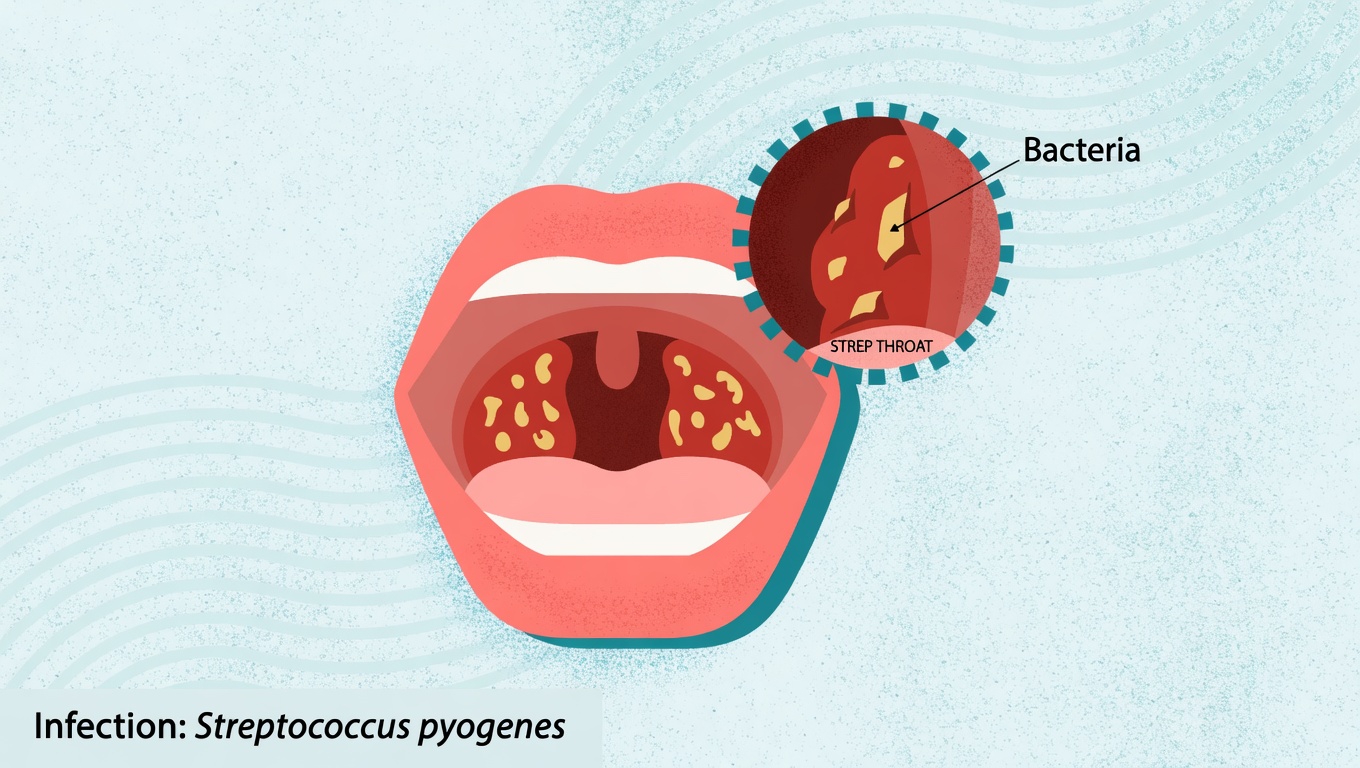
- Fever or other signs of infection
In persistent cases, a specialist may discuss additional treatment options, such as laser-based procedures or other interventions. Still, for most people, everyday home care and prevention are enough.
You Are Not the Only One
Many people discover tonsil stones only after struggling for a long time with unexplained bad breath. A common experience is that regular gargling, better hydration, and improved oral hygiene bring major relief without needing medical procedures.
That is an encouraging reminder that small routine changes can have a real impact on comfort and confidence.
Conclusion
Tonsil stones can be annoying, but they are usually manageable. Once you understand what causes them, how to remove them safely, and how to prevent them from returning, they become much less intimidating.
Better oral hygiene, regular gargling, and staying hydrated can go a long way. Start with those simple steps today, and you may notice a healthier throat and fresher breath sooner than expected.
FAQ
Are tonsil stones dangerous?
In most cases, no. Tonsil stones are generally harmless and do not indicate a serious illness. However, ongoing symptoms or repeated discomfort should be evaluated by a healthcare provider.
How do I stop tonsil stones from coming back?
Focus on strong oral hygiene, regular gargling, and proper hydration. It also helps to manage related issues such as chronic tonsillitis, allergies, or sinus drainage.
Can tonsil stones disappear on their own?
Yes. Small tonsil stones often loosen and fall out naturally, especially with gargling. Larger stones may need more attention, but many still respond well to gentle home care.
Medical Disclaimer
This article is for informational purposes only and does not replace professional medical advice. Always speak with a qualified healthcare provider for guidance about your specific symptoms or health concerns.