
Amlodipine Side Effects: 12 Common Reactions, Why They Happen, and What You Can Do
Many people begin taking amlodipine to control high blood pressure or reduce chest pain, then soon notice issues like ankle swelling or unexpected fatigue. These changes can interrupt daily life and feel discouraging, especially when you are already trying to protect your health and stay active with the people you love.
The reassuring part is this: when you understand how your body may respond to the medication, those symptoms often feel less alarming and much more manageable.
And there is one detail many users never expect. We will get to that surprising point near the end.
How Amlodipine Works
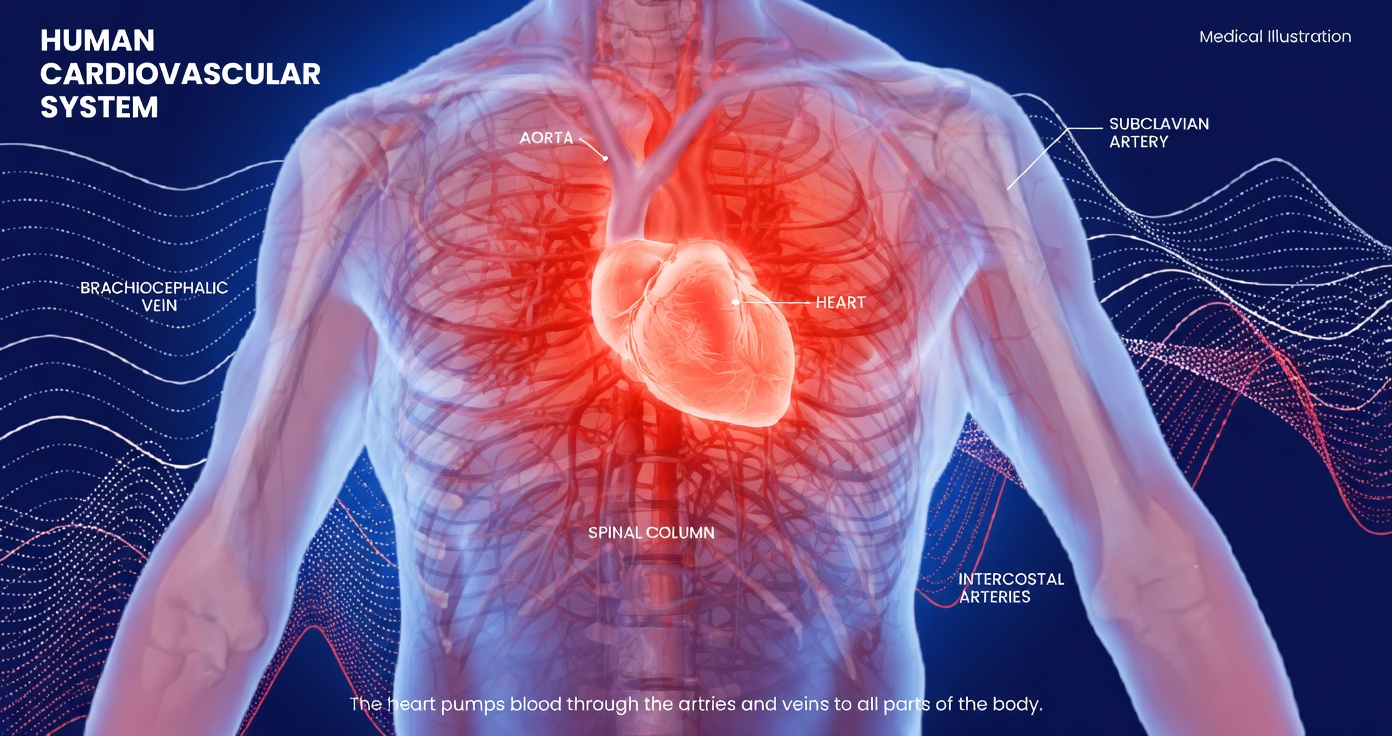
Amlodipine is a calcium channel blocker. It helps relax and widen blood vessels, making it easier for blood to circulate and helping keep blood pressure in a healthier range. It is also commonly used for certain types of angina.
According to sources such as the FDA label, Mayo Clinic, and WebMD, amlodipine is generally considered well tolerated. Still, like all medications, it may cause side effects in some people. In many cases, these reactions are mild and improve during the first few weeks as the body adapts.
The key is to recognize common side effects early and discuss them with your healthcare provider.
The 12 Most Common Amlodipine Side Effects
Below are 12 side effects frequently linked to amlodipine based on clinical research and patient experience. For each one, you will also find a simple way to respond.
1. Swollen Ankles and Feet
This is the most frequently reported amlodipine side effect, affecting up to 14% of users in FDA data. Because the medicine widens blood vessels in the lower body, fluid can move into surrounding tissues and lead to puffiness.
What may help:
- Raise your feet above heart level for about 30 minutes several times a day
- Reduce sodium intake
- Ask your doctor whether compression socks are appropriate
For many people, this improves over time.
2. Headaches
Headaches often appear early, especially in the first week, as blood vessels adjust to the medication. Prescribing data suggests this affects around 7% of users.
What may help:
- Drink enough water
- Rest in a calm, quiet room
- Use over-the-counter relief only after checking with a pharmacist or doctor
3. Dizziness or Feeling Lightheaded
Some people feel dizzy when standing up too quickly because blood pressure may temporarily drop. The Mayo Clinic notes that this is less common, but still noticeable.
What may help:
- Stand up slowly after sitting or lying down
- Stay well hydrated
- Keep water nearby, especially overnight

4. Flushing or Warmth in the Face
A warm, red sensation in the face, neck, or upper chest can happen when surface blood vessels widen. Clinical studies report this in up to 3% of users.
What may help:
- Avoid very hot showers
- Limit spicy foods
- Cut back on alcohol if it seems to trigger symptoms
This effect often becomes less noticeable with time.
5. Fatigue or Unusual Tiredness
Feeling more tired than usual is a common complaint. As your body adapts to lower blood pressure, energy levels may temporarily dip. WebMD and MedlinePlus both recognize this as a frequent issue.
What may help:
- Keep a regular sleep schedule
- Eat balanced meals with enough protein
- Add light walking or gentle movement if your doctor says it is safe
6. Heart Palpitations
Some users report a pounding heartbeat, a racing sensation, or the feeling that the heart skips beats. The FDA label lists this in about 4% of patients, especially at higher doses.
What may help:
- Write down when it happens
- Note whether it follows exercise, stress, or caffeine
- Bring this information to your next appointment, as a dose change may help
7. Nausea or Mild Stomach Upset
Amlodipine can sometimes cause mild nausea, particularly when you first start taking it. This affects a smaller portion of users and is usually temporary.
What may help:
- Take the medication with food if your doctor or pharmacist agrees
- Eat smaller meals
- Avoid lying down right after eating
8. Abdominal Pain or Digestive Changes
Some people notice cramps, bloating, or mild changes in bowel habits. While less common, this reaction is mentioned in prescribing information and should still be monitored.
What may help:
- Increase fiber slowly
- Stay physically active
- Drink enough fluids to support digestion
9. Gum Swelling
A lesser-known side effect of amlodipine is gum overgrowth, also called gingival hyperplasia. It does not happen often, but long-term studies show it can develop in some users.
What may help:
- Brush and floss thoroughly twice a day
- Keep up with regular dental visits
- Schedule professional cleanings every six months
10. Muscle Cramps or Stiffness
Some people experience occasional cramps in the arms or legs. This may relate to changes in circulation or fluid balance.
What may help:
- Stretch gently every day
- Stay hydrated
- Include potassium-rich foods such as bananas if your doctor says they fit your diet
11. Tingling or Numbness in the Hands or Feet
A pins-and-needles sensation, also called paresthesia, is less common but has been reported in medical literature. In many cases, it improves as the body gets used to the medicine.
What may help:
- Move your fingers and toes regularly
- Avoid staying in one position too long
- Mention it during routine checkups
12. Weight Gain or Extra Fluid Retention
Some users notice mild weight gain caused by fluid buildup, not just swelling around the ankles. This is closely related to edema and is often temporary.
What may help:
- Weigh yourself once a week at the same time of day
- Keep a record of changes
- Share any sudden increase with your doctor
The Side Effect Many People Do Not Expect
Here is the surprise: while some side effects can be frustrating at first, amlodipine may actually lead to noticeable symptom improvement over time. For people taking it for angina, that can mean fewer episodes of chest pain once the body fully adjusts.
After the early discomforts, that progress can feel like a quiet but meaningful win.
Daily Strategies to Make Amlodipine Easier to Tolerate
Research suggests that a few simple habits can make a real difference in reducing discomfort.
Everyday Habits That Often Help
- Drink at least eight glasses of water per day
- Elevate your feet for 15 to 20 minutes, three times daily
- Follow a low-sodium diet rich in potassium when appropriate
- Stay gently active throughout the day with your doctor’s approval
- Keep a symptom journal in a notebook or app
Signs You Should Contact Your Doctor
- Swelling gets suddenly worse
- Only one leg becomes swollen
- Dizziness is severe enough to cause falls
- Chest pain feels new or different
- You develop a rash or breathing problems
When Do Amlodipine Side Effects Usually Improve?
The good news is that many trusted health sources, including the NHS and Cleveland Clinic, report that most mild side effects improve within one to two weeks. This is often the period when the body adjusts to the medication.
If symptoms continue or become harder to tolerate, your doctor may:
- Reduce the dose
- Change the timing of your medication
- Recommend a different treatment option
Open communication matters. Your experience is an important part of safe and effective treatment.
Frequently Asked Questions About Amlodipine Side Effects
1. Can amlodipine side effects be permanent?
Most mild side effects do not last forever. They usually fade within the first few weeks. If a problem continues, speak with your healthcare provider about adjusting the dose or exploring alternatives.
2. Does amlodipine always cause swelling?
No. Swelling affects only a portion of users, roughly 10% to 15%, and may be more common at higher doses or in women. Daily habits such as leg elevation and reducing salt can often help manage it.
3. Can I stop taking amlodipine if the side effects bother me?
Do not stop suddenly unless your doctor tells you to. Blood pressure can rise again quickly, and stopping without guidance may be risky. Your provider can help you make changes safely.
Final Thoughts
Managing high blood pressure or angina is often about finding the right balance, and amlodipine is one of the medications that helps millions of people do exactly that. Understanding these 12 common amlodipine side effects gives you a clearer picture of what to expect and how to respond.
Small, practical steps can improve how you feel day to day. And because every person reacts differently, treatment may need adjustment over time. That is completely normal.
Disclaimer: This article is for informational purposes only and should not replace professional medical advice. Always consult your healthcare provider before changing your medication, diet, or daily routine. Only a qualified medical professional can determine what is appropriate for your individual situation.