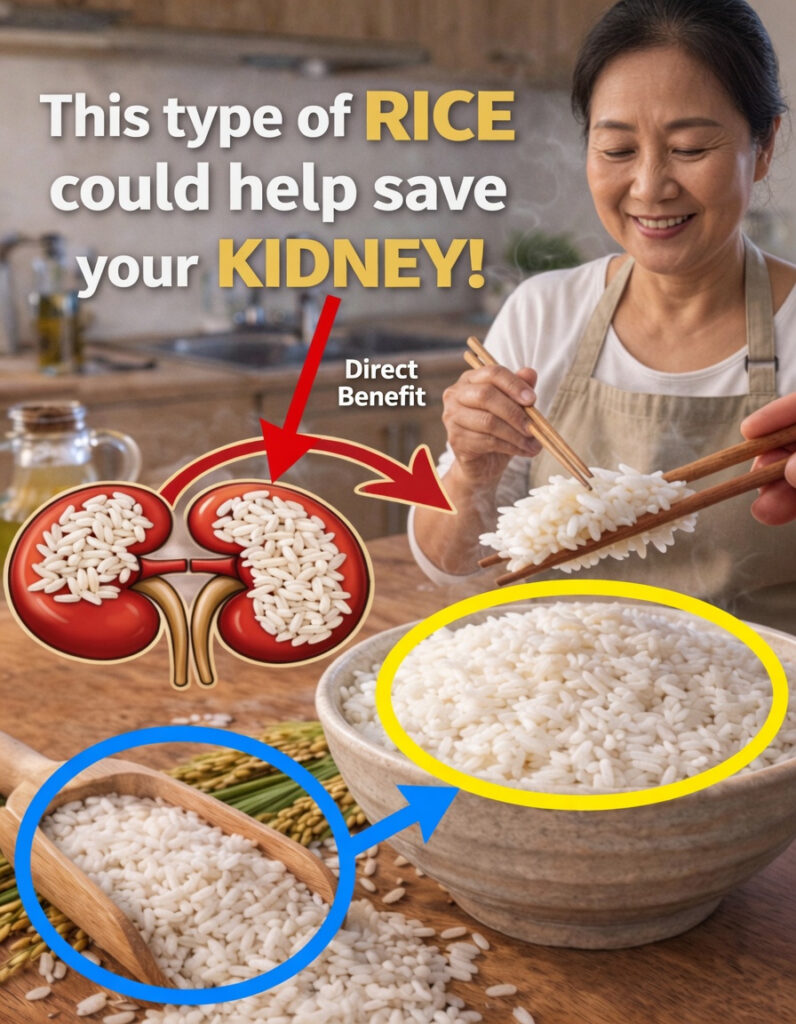
Choosing the Best Rice for Kidney Health
When kidney health becomes a concern, everyday foods often need a second look. Rice, a familiar comfort food in many cuisines, can suddenly feel confusing. Many people worry about choosing a type that may contain too much phosphorus or potassium, turning simple meal planning into something stressful. The encouraging news is that some rice varieties are much better suited to kidney-conscious eating than others. With the right choices and a few smart preparation habits, rice can still remain a regular and enjoyable part of your routine.
Why Rice Can Still Be a Good Choice for Kidney-Friendly Meals
Rice is a dependable source of carbohydrates, which means it provides energy without naturally containing much sodium. That is one reason kidney nutrition specialists often include it in renal-friendly meal plans. The most important factor is selecting rice types that help keep potassium and phosphorus intake under control, especially as kidney function changes.
Guidance from kidney health organizations and renal dietitians supports the idea that rice can fit well into daily meals. However, the real difference comes from two things: the variety you choose and the way you cook it.
The 3 Best Rice Types to Consider
Not all rice offers the same nutritional profile. Some options are easier to fit into a kidney-supportive diet than others. Below are three commonly recommended types of rice and the reasons they stand out.
1. White Rice: The Most Practical Option for Lower Mineral Intake
White rice is often the first choice for people following a kidney-friendly eating plan. During processing, the bran layer is removed, which lowers the amount of phosphorus and potassium naturally present in the grain. On average, 1 cup of cooked white rice contains about 55 mg of potassium and 68 mg of phosphorus, making it a good fit for many renal diets.
Why white rice works well
- Provides easy-to-digest energy from carbohydrates
- Naturally low in sodium, with about 2 mg per cooked cup
- Simple to use in many dishes, from rice bowls to side plates
- Widely available and affordable in most grocery stores
Varieties such as jasmine and basmati offer similar benefits while adding a little variety in aroma and taste.
2. Wild Rice: A More Flavorful Choice With Moderate Mineral Levels
Wild rice has a firmer texture and a slightly nutty flavor, which makes it appealing for people who want more variety in their meals. It contains more potassium and phosphorus than white rice, but it may still work well when portions are managed carefully. One cooked cup typically provides about 165 mg of potassium and 135 mg of phosphorus.
Benefits of wild rice
- Adds a chewy texture and richer taste to meals
- Works well in soups, grain bowls, and salads
- Pairs nicely with lean proteins and vegetables
- Can be suitable for people in earlier stages of kidney concerns who can handle slightly higher mineral intake
Many people also find wild rice more filling, which may help with portion control.
3. Brown Rice: Best Used Carefully in Earlier Stages
Brown rice keeps its bran layer, which means it offers more fiber and nutrients. At the same time, it also contains more phosphorus and potassium. A cooked cup has around 84 mg of potassium and 163 mg of phosphorus. For people whose kidneys are still functioning relatively well, brown rice may be included in moderation as part of an overall balanced eating pattern.
Reasons some people still include brown rice
- Contains more natural fiber, which may support digestion
- Has a hearty texture many people enjoy
- Can fit into prevention-focused or early-stage kidney-conscious eating
- Blends well with white rice for a more balanced option
A useful strategy is mixing brown rice with white rice. In some cultures, this combination is known as hapa rice. It can help you enjoy the flavor and texture of brown rice while keeping mineral levels more manageable.
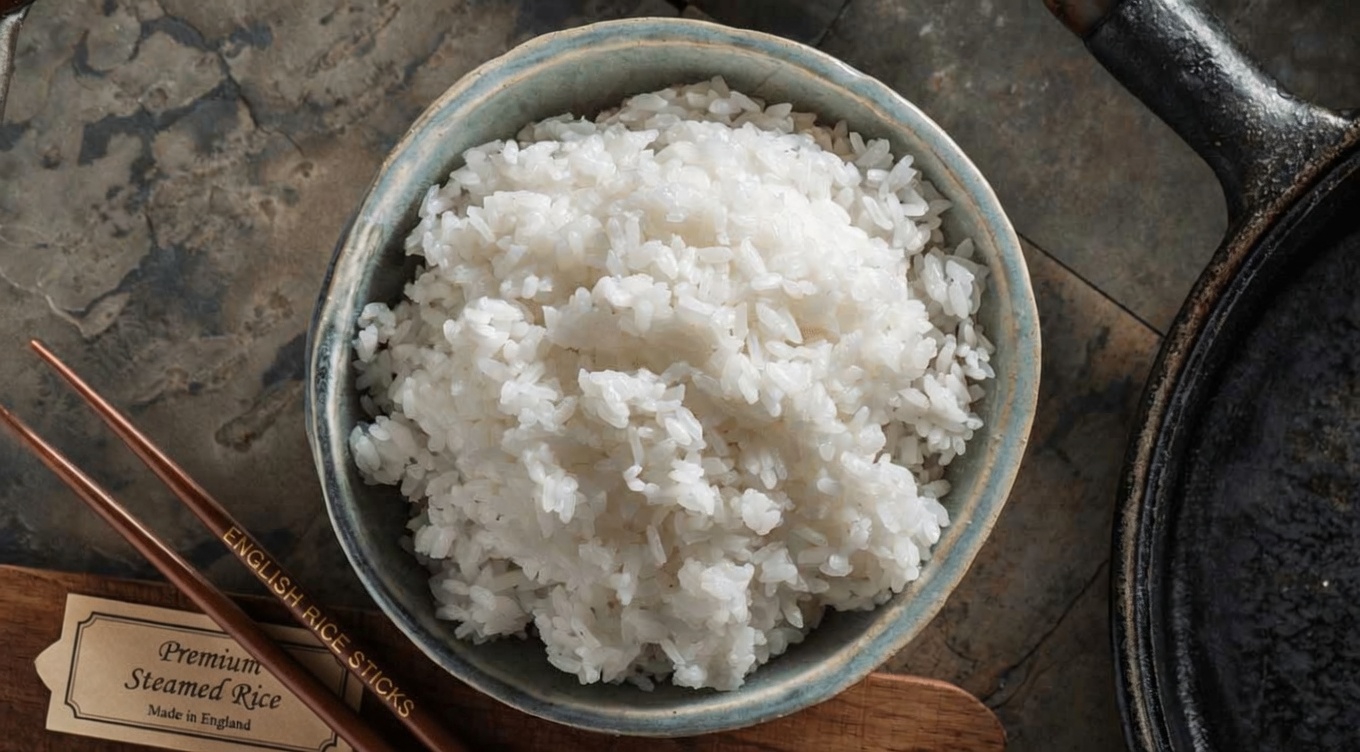
Quick Rice Comparison for Kidney Health
Here is a simple overview of the three options:
-
White Rice
- Potassium: 55 mg per cooked cup
- Phosphorus: 68 mg per cooked cup
- Best for: advanced kidney stages or stricter mineral limits
-
Wild Rice
- Potassium: 165 mg per cooked cup
- Phosphorus: 135 mg per cooked cup
- Best for: moderate variety and controlled portions
-
Brown Rice
- Potassium: 84 mg per cooked cup
- Phosphorus: 163 mg per cooked cup
- Best for: earlier stages and moderate use
This side-by-side look explains why white rice is often considered the safest and most flexible option in kidney-friendly meal planning.
How to Cook Rice Properly
Cooking rice well does not have to be complicated. A basic stovetop method works for white rice, wild rice, and brown rice with only slight timing adjustments.
Simple cooking steps
- Measure the amount of rice you need.
- Rinse it thoroughly under cool running water until the water looks mostly clear.
- Add rice and water to a pot, usually using a 1:2 rice-to-water ratio unless the package suggests otherwise.
- Bring the water to a boil.
- Lower the heat, cover the pot, and let it simmer for about 12 to 18 minutes, depending on the rice type.
- Remove from heat and let it rest for 5 minutes.
- Fluff gently with a fork before serving.
Smart seasoning tips
- Skip seasoning packets that are high in sodium
- Use garlic, herbs, lemon juice, or low-sodium broth for flavor
- Add healthy fats like a small amount of olive oil if desired
If you prefer a more convenient method, a rice cooker or microwave can also work well.
5 Easy Ways to Enjoy Rice Every Day
Rice does not have to become boring. With a few simple ideas, it can stay interesting while still supporting your nutrition goals.
Meal ideas to try
- Serve white rice with steamed low-potassium vegetables and a drizzle of olive oil for a quick lunch bowl
- Add wild rice to homemade chicken soup for extra texture and flavor
- Combine white and brown rice in a lighter fried rice made with egg whites and fresh herbs
- Make a simple rice pudding using white rice and kidney-appropriate dairy alternatives
- Cook a larger batch ahead of time and store it in the refrigerator for easy sides throughout the week
Small changes like these can make it easier to stick with a kidney-conscious eating plan long term.
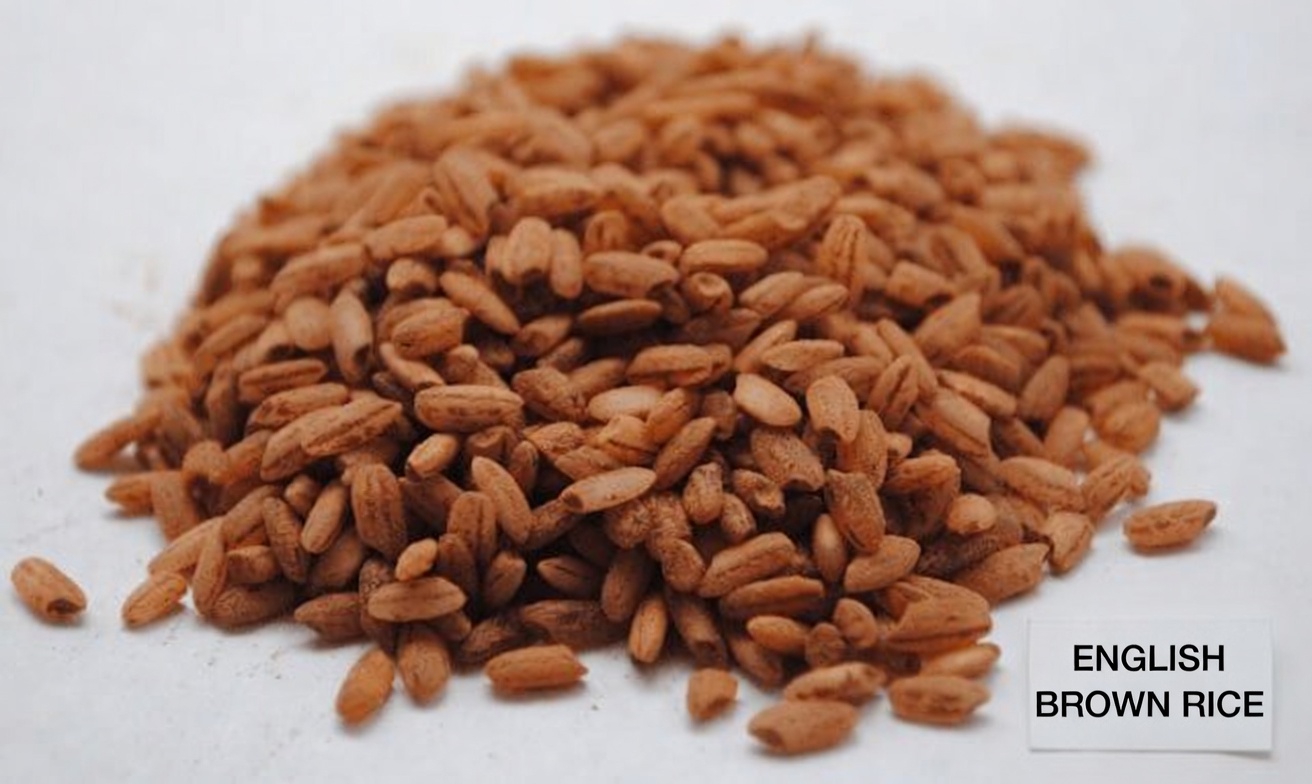
One Simple Preparation Tip That Matters More Than You Think
Rinsing rice before cooking is not only helpful for improving texture. It may also help lower the amount of naturally occurring arsenic found in some rice varieties. This is an easy step that many people skip, but it can make a meaningful difference.
How to rinse rice
- Put the rice in a bowl
- Add water and swirl the grains around
- Pour off the cloudy water
- Repeat this process several times
It takes less than a minute and is a smart habit to build into your routine.
A Sustainable Approach to Eating Rice With Kidney Concerns
Eating for kidney health does not have to feel limiting. White rice can serve as a reliable everyday staple, wild rice can add variety, and brown rice may still have a place when used mindfully and with professional guidance. The key is building a routine that matches your personal health needs, lab results, and portion goals.
Over time, consistent choices can make meals feel both nourishing and familiar, without unnecessary stress.
FAQ
Can I eat brown rice if I have kidney issues?
Yes, some people, especially those in earlier stages of kidney disease, may still include brown rice in moderate amounts. It is best to review your lab values and portion sizes with a registered dietitian or healthcare provider.
Does the kind of rice I choose really matter?
Yes. Different rice varieties contain different amounts of potassium and phosphorus. White rice is often recommended first because it tends to be lower in both.
How much rice is usually safe in one meal?
A common serving is about 1/2 cup to 1 cup cooked. The right amount for you depends on your kidney function, your full meal, and your daily nutrition plan.
Should I rinse rice every time before cooking?
Yes, it is a helpful habit. Rinsing can improve the texture and may reduce arsenic levels, so it is worth doing regularly.
Important Note
This article is intended for educational purposes only. It does not replace medical advice, diagnosis, or treatment. Always speak with your healthcare provider or a registered dietitian before changing your diet, especially if you have kidney disease or receive dialysis.