

5 Everyday Fruits That Gently Support Kidney Health
Many people deal with fatigue, mild ankle puffiness, or changes in bathroom habits without realizing their kidneys may be under pressure from simple daily patterns, such as not drinking enough water or relying too often on processed snacks. Over time, that subtle stress can add up, making it natural to wonder which easy habits might actually help.
The good news is that several familiar fruits found in most grocery stores can offer natural support for kidney wellness. Through hydration, fiber, antioxidants, and other beneficial plant compounds, these fruits are often highlighted by nutrition professionals. Even better, they are easy to work into regular meals without complicated plans or costly supplements.
Why Fruits Matter for Kidney Wellness
Your kidneys are constantly at work, filtering waste, regulating fluid levels, and helping maintain the right balance of minerals in the body. Fruit can play a helpful supporting role by providing water, fiber, and protective plant nutrients that may help lower oxidative stress and encourage healthy hydration.
Nutrition guidance commonly referenced by organizations such as the National Kidney Foundation points out that some fruits are especially useful because they are naturally low in sodium and rich in vitamins that support overall health. The goal is not a dramatic overnight transformation. Instead, it is about simple, consistent choices that fit naturally into everyday eating habits.
The 5 Fruits Nutrition Experts Commonly Highlight
Below is a practical ranking based on availability, nutritional value, and how easily each fruit fits into daily meals and snacks. While each one offers different benefits, they all have one thing in common: they are easy to enjoy fresh, chilled, or lightly prepared.
1. Lemons
Lemons take the top spot for a very practical reason. Their natural citric acid has been linked in research to supporting mineral balance in the body in ways that may help reduce the risk of certain crystal formations. A small lemon also provides a meaningful amount of vitamin C, which acts as an antioxidant to help protect cells from daily stress.
Another major advantage is hydration. Adding lemon to water often makes it more refreshing and easier to drink regularly throughout the day.
You also do not need elaborate recipes to benefit. A quick squeeze of fresh lemon can make plain water far more enjoyable.

2. Cranberries
Cranberries are often recommended because they contain compounds known as proanthocyanidins. Research suggests these compounds may help support a healthy urinary tract environment. They are also naturally low in calories and bring a bright flavor that works well in both sweet and savory foods.
People often enjoy cranberries fresh, dried, or as unsweetened juice. Kidney health resources also note that their fiber content can help support digestion, which may indirectly reduce stress on the body overall.
One of the best things about cranberries is how easy they are to use. A small handful or a splash of pure cranberry juice can quickly upgrade breakfast, snacks, or drinks.
3. Apples
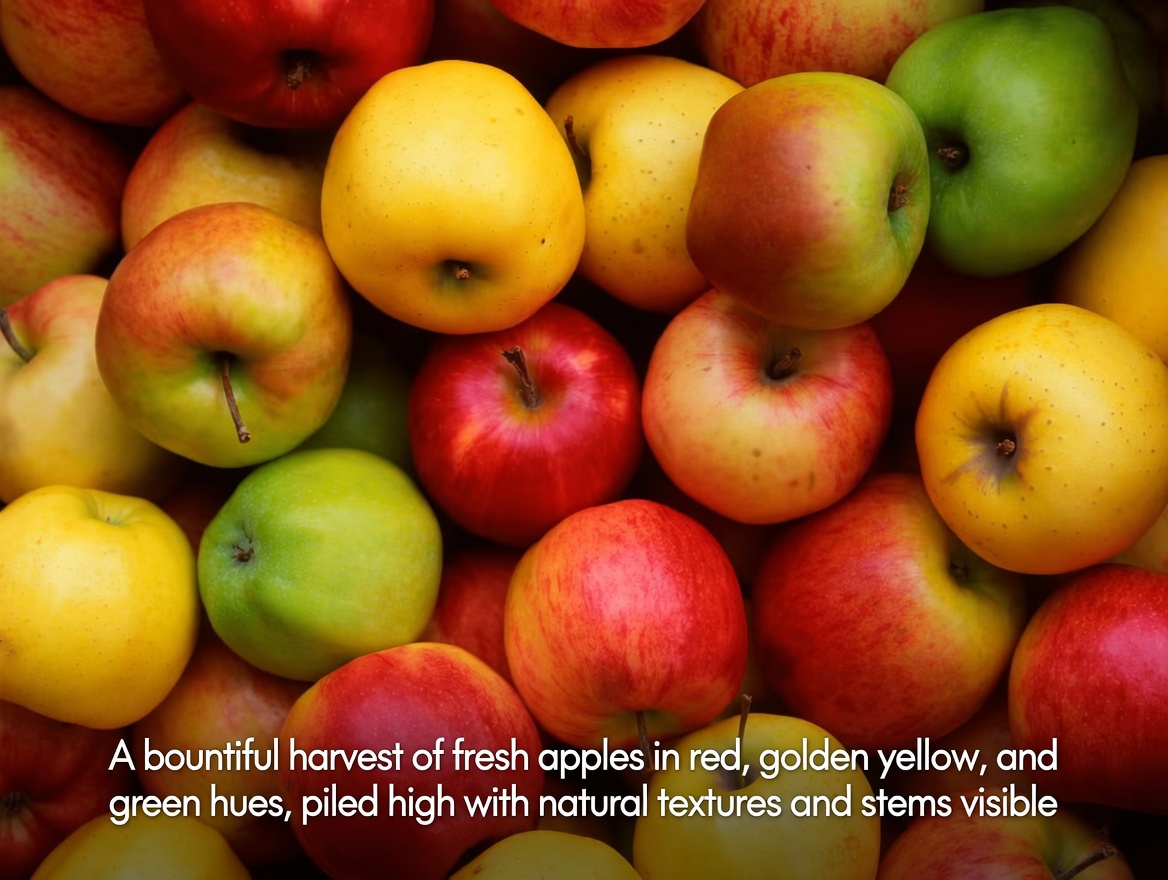
Apples are a strong everyday option thanks to pectin, a type of soluble fiber that may help support healthy cholesterol levels and smoother digestion. Both of these are helpful for overall wellness and can contribute to a healthier internal balance.
They are naturally low in sodium, easy to carry, and satisfying to eat. Keeping the skin on is a smart move, since it contains additional antioxidants.
Nutrition experts frequently recommend apples because they are affordable, available year-round, and simple to include in almost any routine.
4. Blueberries
Blueberries may be small, but they are packed with beneficial compounds. Their deep color comes from anthocyanins, antioxidants associated with helping reduce inflammation and protect cells from oxidative damage.
They are also low in calories while still providing fiber, making them a smart addition for people focused on general wellness. Another advantage is convenience: blueberries freeze very well, so they are easy to keep on hand for smoothies, oatmeal, or yogurt.
Perhaps their biggest benefit is how effortless they are. Usually, all they need is a quick rinse before eating.
5. Strawberries
Strawberries complete the list with an appealing mix of flavor and nutrition. They provide vitamin C and manganese, both of which help support the body’s natural defense systems. Compared with many other fruits, they are also relatively lower in potassium, which can make them a flexible option for some individuals.
Their fiber and water content add to their value, especially for hydration and digestive support. They are also versatile enough to use in breakfast bowls, salads, snacks, or light desserts.
With their bright color and juicy sweetness, strawberries feel more like a treat than a health task.
Why These Five Fruits Stand Out
Here is a quick look at what makes these fruits especially useful:
- Best for hydration: Lemons and strawberries contain plenty of water.
- Best for antioxidants: Blueberries and cranberries are especially rich in protective plant compounds.
- Best for fiber: Apples and strawberries can help support regular digestion.
- Best for convenience: All five are easy to store, prepare, and enjoy without special tools.
- Best for flavor: Each adds natural sweetness or tartness that makes healthy habits easier to maintain.
Easy Ways to Add These Fruits to Your Daily Routine
You do not need to completely change your diet to start seeing benefits. Small, repeatable habits are often the most effective. Here is a simple seven-day starter approach you can customize:
-
Start the morning with lemon water
Squeeze half a fresh lemon into about 16 ounces of room-temperature water after waking up. -
Make a better mid-morning snack choice
Swap chips or candy for a handful of blueberries or sliced strawberries. -
Upgrade lunch with fruit
Add thin apple slices to salads or sandwiches for extra crunch and fiber. -
Improve afternoon hydration
Stir a small splash of 100% cranberry juice into sparkling water. -
Choose a naturally sweet evening snack
Freeze strawberries or blueberries for a simple dessert. -
Prep once a week
Wash and portion your fruit on Sunday so everything is ready to grab during the week. -
Use fruit as a flavor enhancer
Add lemon zest or chopped cranberries to roasted vegetables or grilled chicken.
These habits take only a few minutes each day, but they can make consistency much easier. After a couple of weeks, many people notice better hydration patterns and more stable energy.
What Research Suggests
Large observational studies and expert reviews in kidney health consistently connect higher fruit intake with stronger overall wellness markers, including healthier fluid balance and lower oxidative stress. The most important takeaway is not to rely on one single “superfruit,” but to focus on moderation, variety, and regular intake.
Fruit can support kidney health, but it works best alongside other healthy choices such as staying active, keeping blood pressure under control, and following a balanced diet.
Final Thoughts: Small Habits Can Make a Real Difference
These five fruits are not a replacement for medical care, but they can become simple, enjoyable habits that support the essential work your kidneys do every day. Start with one or two this week and build from there. Often, the easiest changes are the ones that last.
Frequently Asked Questions
How many servings of these fruits should I eat each day?
For many adults, 2 to 3 total servings per day spread across meals and snacks is a practical target. One serving can mean:
- One medium apple
- A handful of berries
- The juice of half a lemon
Your ideal amount may vary depending on your diet, activity level, and any advice from your healthcare provider.
Are there fruits I should limit if I am worried about kidney health?
Some higher-potassium fruits, including bananas, oranges, and avocados, may need to be portioned more carefully for certain people. The five fruits listed here are often seen as more flexible options, but anyone with diagnosed kidney issues should check with a registered dietitian or healthcare professional.
Can frozen or dried fruit work instead of fresh?
Yes. Frozen blueberries, strawberries, and cranberries generally keep their nutrients well. Dried apples or cranberries can also be useful in small portions, though it is important to check labels for added sugar. Fresh lemons are usually best, but bottled 100% lemon juice can be a convenient substitute.
Disclaimer
This article is for educational and informational purposes only. It is not intended to provide medical advice, diagnosis, or treatment. Always speak with a qualified healthcare professional for guidance about your specific health needs.