
Nocturia: Practical Ways to Reduce Frequent Nighttime Urination After 40
Frequent nighttime urination, known as nocturia, is a common and exhausting problem for many adults over 40. What should be a full night of restorative sleep turns into a series of awakenings and trips to the bathroom. Instead of waking refreshed, you may start the day feeling tired, unfocused, and irritable.
Nocturia doesn’t just disturb your sleep once or twice; repeated interruptions can leave you feeling drained, mentally foggy, and less able to enjoy work, hobbies, or time with loved ones. Over time, this ongoing sleep disruption can increase stress, lower your mood, and sap your energy, making you wonder if restful nights are simply a thing of the past as you get older.
The encouraging reality is that targeted lifestyle changes can significantly cut down on nighttime bathroom visits. And when you combine several strategies, the benefits can compound and lead to more consistent, uninterrupted sleep.

How Nocturia Disrupts Your Sleep and Daily Life
Nocturia fragments your deep sleep cycles, preventing you from spending enough time in the most restorative phases of sleep. Each awakening can boost stress hormones, so even after spending many hours in bed, you may still feel as if you barely slept.
For many people, nocturia becomes more noticeable after age 50 due to fluid shifts in the body, changes in bladder function, or other age-related factors. This can rob you of the sleep you need for sharp thinking, stable mood, and long-term health.
Because nocturia is so common, many adults simply accept it as an unavoidable part of aging. That acceptance often leads to accumulating fatigue that affects concentration at work, patience with family, and overall emotional well-being.
You do not have to resign yourself to living with constant nighttime bathroom trips. Simple, consistent adjustments can make a real difference in how often you wake up to urinate and how rested you feel.

1. Limit Evening Fluids to Curb Nighttime Bathroom Trips
One of the most straightforward ways to reduce nocturia is to adjust when you drink fluids.
- Shift most of your water intake to the morning and early afternoon so your kidneys process the bulk of it long before bedtime.
- Gradually cut back on drinks in the 2–4 hours before you go to sleep.
- Avoid diuretics such as caffeine, alcohol, and many sodas after mid-afternoon, as they can increase urine production and worsen nighttime frequency.
Many people in their 50s and 60s notice fewer awakenings after making this simple timing change. Even a modest reduction in evening fluid intake can translate into fewer urgent trips to the bathroom overnight.
2. Elevate Your Legs in the Evening to Reduce Fluid Build-Up
Fluid that pools in your legs during the day can return to circulation when you lie down, increasing urine production at night and contributing to nocturia. You can often counter this with a simple leg-elevation routine.
- Raise your legs above heart level for 60–90 minutes in the late afternoon or early evening.
- Use pillows, a wedge cushion, or a recliner that allows your feet to rest higher than your hips and chest.
- This strategy is especially helpful if you notice ankle or leg swelling by the end of the day.
By using gravity to move excess fluid out of your legs earlier in the day, you reduce the amount of fluid your body needs to process while you are sleeping. Many people report lighter-feeling legs and fewer nighttime bathroom visits after doing this regularly.
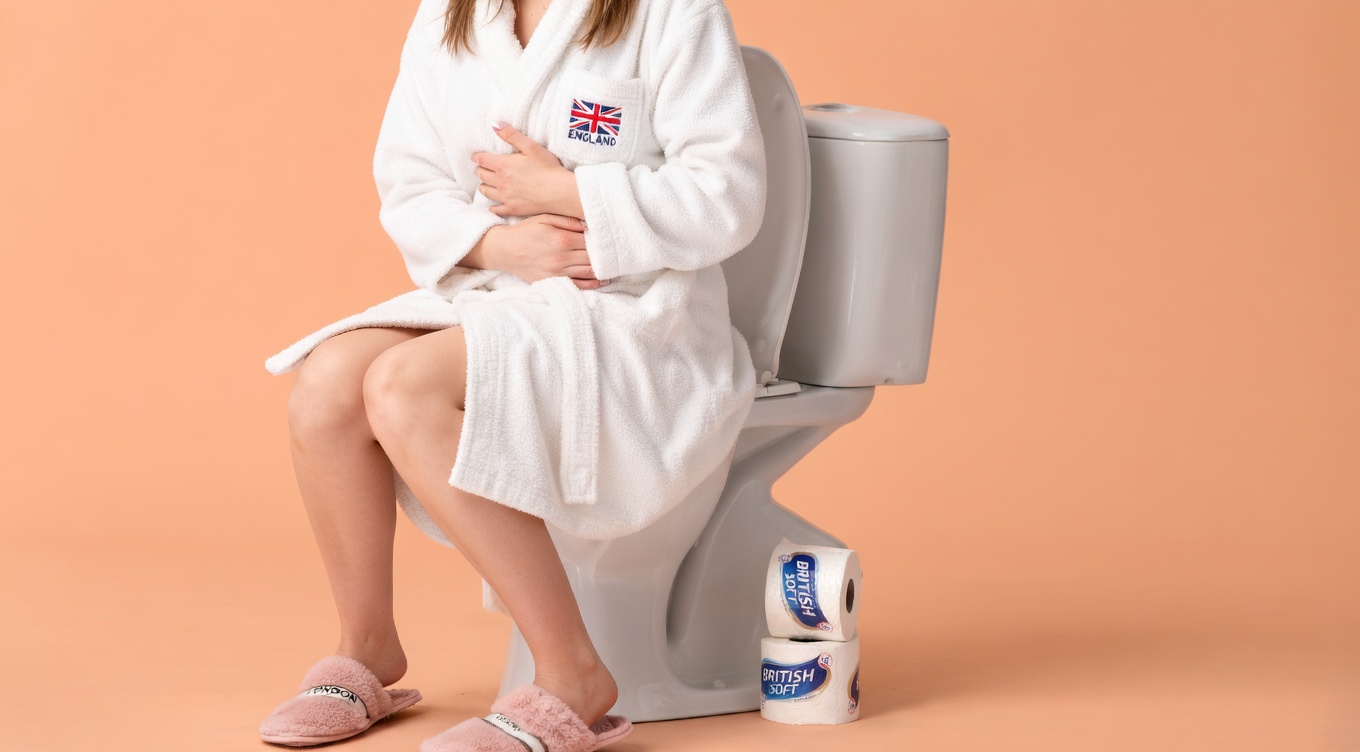
3. Practice Double Voiding Before Bed for a More Empty Bladder
Double voiding is a simple technique that can help ensure your bladder is as empty as possible before you go to sleep.
- Urinate as you normally would.
- Wait about 20–30 seconds while still in the bathroom.
- Try to urinate again, even if the urge feels mild.
This second attempt often clears residual urine that might otherwise trigger an urge shortly after you fall asleep. Many people find that the sensation of “not quite empty” is greatly reduced with this routine, which leads to fewer early-night awakenings due to nocturia.
Over time, double voiding can support better bladder emptying and contribute to more continuous sleep.
4. Adjust Your Diet to Calm Bladder Irritation
What you eat and drink in the hours before bed can influence how irritated or sensitive your bladder feels at night.
To help minimize nocturia:
- Avoid common bladder irritants in the evening, such as:
- Spicy foods
- Citrus and other acidic foods
- Artificial sweeteners
- High-water content produce (e.g., watermelon, cucumbers) close to bedtime
- Emphasize anti-inflammatory, whole foods earlier in the day—such as vegetables, fruits, healthy fats, and lean proteins—to support overall bladder and urinary tract health.
Even small dietary changes in the late afternoon and evening can reduce urgency and frequency for many middle-aged adults. Paying attention to your personal triggers and adjusting your evening meals and snacks can lead to noticeable improvements in nighttime urination.

Quick Self-Check: Tracking Your Nocturia Progress
Use this brief check-in to see how you are doing:
- How many of these nocturia strategies have you written down or started to use?
- What patterns or triggers for frequent nighttime urination have you noticed (certain drinks, foods, or times)?
- On a scale from 1 to 10, how would you rate your current sleep quality, considering the impact of nocturia?
Revisit these questions every week or two to track whether your changes are helping.
5. Train Your Bladder During the Day to Improve Nighttime Control
Bladder training is a structured way to gently increase your bladder’s capacity and reduce urgency signals, which can also help at night.
- During the day, when you feel the urge to urinate, try delaying your bathroom visit by 5–15 minutes.
- Over time, gradually extend the interval between bathroom trips, as long as you remain comfortable.
- Aim for a regular schedule rather than going “just in case” every time you feel a slight urge.
This daytime practice can teach your bladder to hold urine for longer periods, which often translates into fewer nocturia episodes. Consistency is key: small, regular delays can add up to meaningful improvement in nighttime frequency.
6. Review and Time Your Medications Wisely
Certain medications can increase urine output or irritate the bladder, making nocturia worse. Diuretics (water pills), in particular, are designed to help your body get rid of extra fluid.
- If you take diuretics or other medications that affect fluid balance, ask your doctor whether taking them earlier in the day could help reduce nighttime urination.
- Never change the dose or timing of a prescription medication on your own; always consult your healthcare provider first.
- Share a clear picture of your nocturia pattern (how many times you wake, and when) so your provider can tailor advice to you.
For many people, simply adjusting the timing of certain medications—with medical guidance—can lower the number of nighttime bathroom trips.

7. Stay Physically Active to Support Circulation and Reduce Nocturia
Daily movement can have a powerful impact on fluid distribution, circulation, and sleep quality, all of which influence nocturia.
- Aim for regular moderate exercise such as walking, cycling, or swimming most days of the week.
- Include pelvic floor exercises (often called Kegels) to strengthen the muscles that help control urination.
- Avoid being sedentary for long stretches, as this can encourage fluid pooling in the legs.
Even short, consistent walks can enhance circulation, reduce leg swelling, and support better bladder control at night. For adults over 40, staying active also improves overall energy and makes sleep more restorative.
8. Build a Relaxing Bedtime Routine to Support Better Sleep
Stress and irregular sleep habits can heighten your awareness of bladder sensations and make nocturia feel even more disruptive. A calming, consistent nighttime routine can help.
- Go to bed and wake up at roughly the same times every day, including weekends.
- Limit screen time (phones, tablets, TVs) at least 30–60 minutes before bed, as blue light can interfere with sleep hormones.
- Use relaxing activities in the evening, such as:
- A warm bath or shower
- Light stretching
- Gentle reading
- Deep breathing or meditation
Good sleep hygiene, combined with the other strategies in this guide, can reduce stress-related awakenings and support more stable sleep cycles, even if nocturia is still present. Many people find that their most significant improvements come from layering several habits rather than relying on a single change.

Your Personal Nocturia Action Plan
To get started, you do not need to implement everything at once. Try building your plan step by step:
-
This week:
- Limit fluids in the evening.
- Elevate your legs late in the afternoon or early evening.
-
Tonight:
- Practice double voiding before you go to bed.
-
Over the next few days:
- Add a short daily walk or other light exercise.
- Reduce known bladder irritants in your evening meals.
-
Track your progress:
- Use a simple journal or note on your phone to record:
- What and when you drink
- What time you go to bed
- How many times you wake to urinate
- Use a simple journal or note on your phone to record:
Look for patterns and small improvements, such as one fewer awakening or falling back asleep faster. These early wins can motivate you to keep going.
Nocturia Triggers and Matching Strategies
Use this table to connect common nocturia triggers with the most relevant tips and a general timeframe for when you might notice improvement.
| Common Nocturia Trigger | Best Matching Strategies | Typical Timeframe to Notice Change |
|---|---|---|
| Evening fluid overload | Limit evening fluids, double voiding, calming bedtime routine | About 3–10 days |
| Fluid pooling in the legs | Elevate legs, stay physically active | About 1–3 weeks |
| Bladder irritation | Adjust diet, daytime bladder training | About 2–6 weeks |
| Medication-related effects | Review medication type and timing with your doctor | About 1–4 weeks (with guidance) |
These timeframes are general estimates; your individual experience may be faster or slower. The key is consistency and patience.
Lifestyle Strategies vs. Other Options for Managing Nocturia
Lifestyle approaches like the ones outlined here are:
- Cost-free or low-cost
- Low risk
- Beneficial for your overall health, not just nocturia
However, they do require ongoing commitment. If your nocturia is severe, persists despite trying these measures, or is accompanied by pain, blood in the urine, or other concerning symptoms, it is important to speak with a healthcare professional. Medical evaluation can uncover underlying conditions and provide additional treatment options, including medications or other interventions.
For many people, the most effective approach combines smart lifestyle changes with professional guidance when needed.
Imagine Waking Up Rested Again
Picture starting your morning feeling genuinely refreshed, with fewer nighttime bathroom trips draining your energy and focus. By steadily applying a combination of these strategies—adjusting fluids, elevating your legs, improving bladder habits, staying active, refining your diet, and building a calming bedtime routine—you can tip the balance in favor of deeper, more restorative sleep.
Taking consistent, manageable steps now can help you regain control over nocturia and move closer to the peaceful nights you deserve at any age.