
Everyday Fatigue and Bloating: How Liver-Supporting Foods Can Help
Many adults experience ongoing tiredness, bloating, or a general lack of energy as busy routines and modern eating patterns place extra pressure on the liver, the body’s largest internal organ. Over time, this can make ordinary activities feel more difficult and gradually chip away at overall well-being.
The encouraging part: everyday, accessible foods rich in key nutrients can help support the liver’s natural roles in metabolism, balance, and daily detoxification. Below are eight liver-supporting foods that are easy to find, simple to prepare, and practical to add to your weekly grocery list.

Why Liver-Supporting Foods Matter for Daily Wellness
Your liver performs hundreds of essential functions every day, from processing nutrients and hormones to filtering byproducts of metabolism. Modern lifestyle habits—such as irregular meals, highly processed foods, and long periods of sitting—can add stress to these processes and show up as:
- Low energy
- Digestive discomfort
- A feeling of heaviness or sluggishness
Liver-supporting foods deliver antioxidants, fiber, healthy fats, and other compounds that work in sync with your body’s natural systems. Nutrition research consistently points to balanced, nutrient-dense eating as a valuable way to support everyday liver function.
If fatigue or bloating has been part of your routine, incorporating liver-supporting foods offers a straightforward, realistic starting point for feeling more comfortable day to day.
1. Probiotic and Prebiotic Foods: A Powerful Gut–Liver Partnership
Probiotic and prebiotic foods are among the most important liver-supporting foods because they nourish the gut–liver axis, the close relationship between digestive health and liver balance.
Probiotic-rich foods include:
- Yogurt (preferably plain, with live cultures)
- Kefir
- Kimchi
- Sauerkraut
- Other fermented vegetables
Prebiotic-rich foods include:
- Onions
- Garlic
- Leeks
- Asparagus
- Fiber-rich plant foods
These foods encourage the growth of beneficial gut bacteria, which may help reduce everyday strain on liver pathways and support more comfortable digestion. Regular bloating can make the day feel heavy and uncomfortable, but even a single daily serving of probiotic or prebiotic foods can provide gentle support.
Studies on the gut–liver axis suggest that improving gut balance may be linked with healthier liver enzyme patterns and better overall comfort.
How to start:
- Stir plain yogurt or kefir into breakfast.
- Add a small serving of sauerkraut or kimchi as a side dish.
- Cook with onions and garlic regularly to boost prebiotic intake.

2. Beets: Colorful Support for Everyday Liver Function
Beets are a standout among liver-supporting foods thanks to their unique plant compounds, including betalains and betaine. These substances help the body manage oxidative stress and support the liver’s natural protective processes.
People who feel drained after meals or notice a “post-meal slump” may benefit from adding beets to their routine:
- Roast beets and serve them warm with salads or grain bowls.
- Juice them with carrots and apples for a vibrant drink.
- Grate raw beets into slaws or salads for a crunchy texture.
Nutrition studies have linked beet consumption with markers of healthy liver function, largely due to their antioxidant and anti-inflammatory profile. Including beets a few times per week can be a simple way to strengthen your liver-supporting foods lineup.
3. Mushrooms: Savory, Antioxidant-Rich Liver Support
Mushrooms provide a mix of antioxidants and beta-glucans—compounds that may help maintain healthy liver function and support the immune system. Common varieties such as shiitake, cremini, and button mushrooms are easy to use in everyday cooking.
Typical signs like afternoon sluggishness or brain fog can make it harder to stay productive. Adding mushrooms to meals is a low-effort way to increase nutrient density:
- Toss mushrooms into stir-fries and pasta dishes.
- Simmer them in soups and stews.
- Add to omelets, scrambles, or breakfast burritos.
Population research has associated higher mushroom intake with more favorable liver-related markers. Enjoying mushrooms several times per week can help you reap their liver-supporting benefits.
4. Eggs: Choline-Rich Protein for Liver Balance
Eggs are a convenient source of high-quality protein and choline—a nutrient that plays a key role in fat metabolism and maintaining healthy liver balance. Choline helps the liver process and move fats efficiently, which may support long-term comfort.
For many people, morning fatigue after poor or short sleep can be draining. Eggs are an easy way to start the day with liver-supporting foods:
- Scramble or poach one to two eggs a few mornings a week.
- Pair with vegetables like spinach, broccoli, or tomatoes.
- Skip heavy sides such as processed meats and opt for whole-grain toast instead.
Research links adequate choline intake with improved liver comfort and more favorable liver function markers, especially over time.
5. Avocado: Creamy Healthy Fats for Liver-Friendly Meals
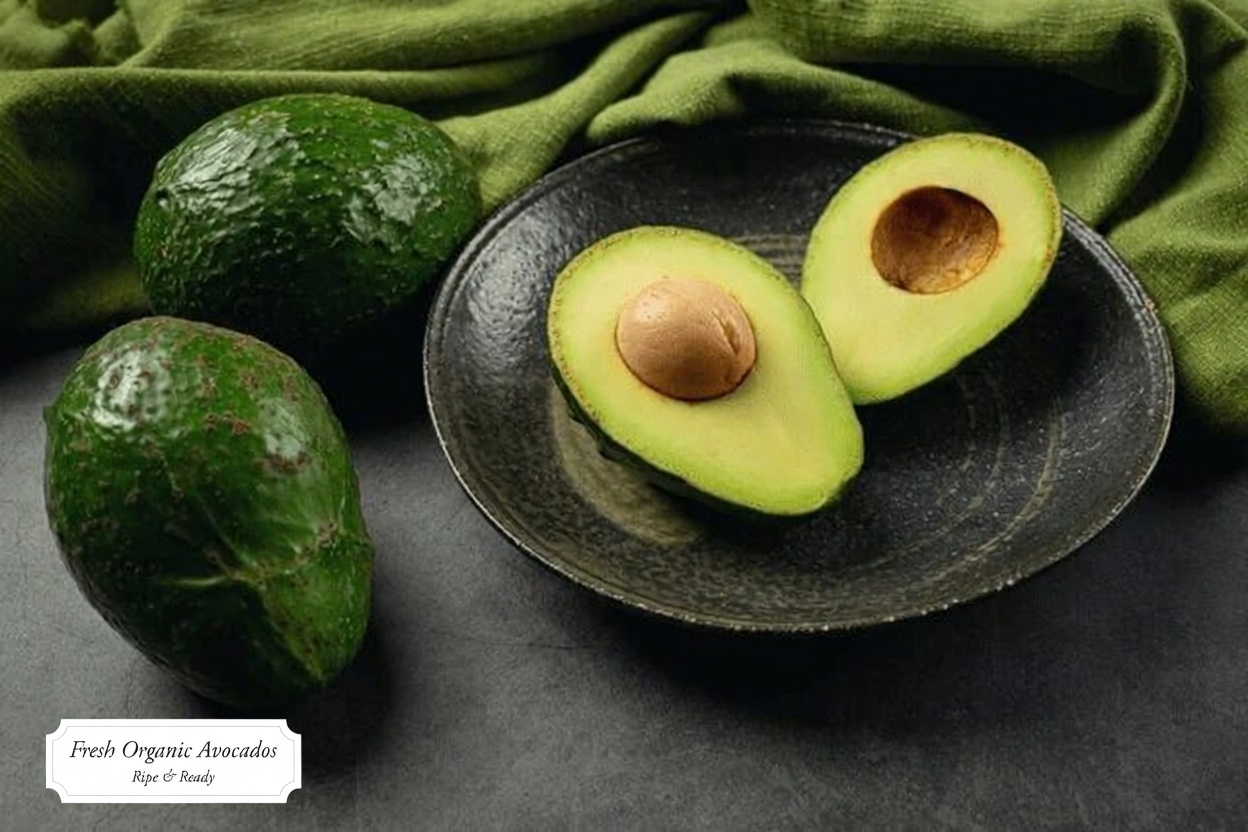
Avocado is rich in monounsaturated fats and fiber—two components that can support smooth metabolic processes and comfortable liver function. These healthy fats may also support cardiovascular health and satiety.
If heavy or rich meals tend to leave you feeling weighed down, avocado can be a satisfying yet lighter alternative:
- Spread half an avocado on whole-grain toast.
- Dice it into salads, grain bowls, or tacos.
- Mash with herbs and lemon as a quick topping or dip.
Research on healthy fats suggests that diets higher in monounsaturated fats can be supportive of metabolic and liver health. Avocado makes it easy to bring liver-supporting foods into both simple and more elaborate meals.
6. Garlic: Small Cloves with Big Liver-Supporting Potential
Garlic is packed with sulfur-containing compounds that help activate enzymes involved in everyday liver activity. When garlic is chopped, crushed, or minced, these compounds are released and can add both flavor and potential health benefits.
If processed foods tend to leave you feeling uncomfortable or overly full, increasing garlic in cooking may be one helpful step:
- Add fresh garlic to soups, stir-fries, sauces, and marinades.
- Use it as a base for sautéing vegetables.
- Include both raw (where tolerated) and cooked garlic for variety.
Clinical findings indicate that garlic intake can support balanced liver markers when part of an overall healthy diet. Making garlic a regular ingredient in savory dishes is a simple way to keep liver-supporting foods in your daily routine.
7. Turmeric: Golden Spice with Gentle Anti-Inflammatory Support
Turmeric contains curcumin, a compound known for its anti-inflammatory and antioxidant properties. These qualities may contribute to improved liver comfort and support for daily metabolic processes.
Persistent stiffness, low motivation, or a general “slowed down” feeling can be influenced by lifestyle factors, including diet. Turmeric is easy to weave into everyday meals:
- Add a pinch to curries, stews, and rice dishes.
- Stir into warm milk or plant-based milk for a “golden drink.”
- Mix into smoothies alongside ginger and black pepper.
Because curcumin is better absorbed with black pepper and a source of fat, combining these in meals can enhance its effectiveness as part of your liver-supporting foods plan.
8. Cruciferous Vegetables: Detox-Supporting Greens for Your Plate
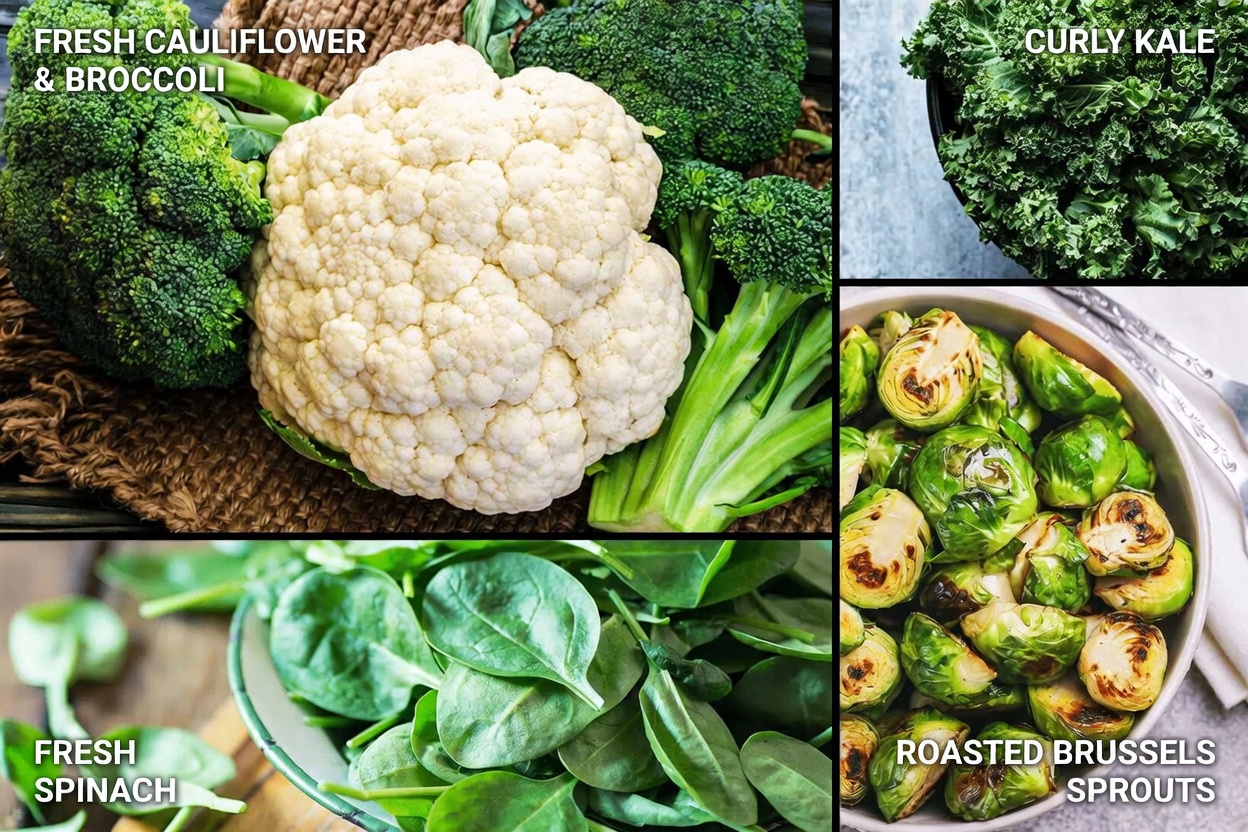
Cruciferous vegetables—such as broccoli, cauliflower, Brussels sprouts, kale, and cabbage—are rich in glucosinolates, compounds that help support the liver’s natural enzyme systems involved in detoxification.
When everyday demands stack up, dietary gaps can contribute to feeling sluggish or “off.” Cruciferous vegetables help fill those gaps with fiber, vitamins, and beneficial plant chemicals:
- Steam or roast broccoli, cauliflower, or Brussels sprouts.
- Add shredded cabbage or kale to soups, salads, and wraps.
- Combine cruciferous vegetables with garlic and turmeric for a powerful liver-supporting foods combination.
Reviews in nutrition research frequently highlight cruciferous vegetables for their supportive role in the body’s natural detoxification processes. Aiming for several servings per week is a realistic way to strengthen your overall liver-supporting foods strategy.
Easy Ways to Add Liver-Supporting Foods to Your Day
You do not need an elaborate plan to start benefiting from liver-supporting foods. Small, consistent changes often make the biggest difference.
Simple swaps and additions:
- Cook stir-fries with extra garlic and a sprinkle of turmeric.
- Top salads with sliced beets and avocado.
- Serve eggs alongside steamed broccoli or Brussels sprouts.
- Add mushrooms to soups, stews, or omelets.
- Begin meals with a small serving of yogurt, kefir, kimchi, or sauerkraut.
These manageable changes can help you include liver-supporting foods regularly, building steady, day-to-day support.
Sample 7-Day Meal Ideas with Liver-Supporting Foods
Use these ideas as inspiration to spread liver-supporting foods across your week. Mix and match based on your preferences and schedule.
Monday
- Breakfast: Plain yogurt with a sprinkle of minced garlic or savory herbs
- Lunch: Beet and avocado salad over leafy greens
- Dinner: Broccoli stir-fry with turmeric-seasoned chicken or tofu
- Snack: A handful of sautéed or roasted mushrooms
Tuesday
- Breakfast: Eggs with spinach or kale
- Lunch: Mushroom and vegetable soup
- Dinner: Cauliflower “rice” cooked with garlic and spices
- Snack: A glass of kefir
Wednesday
- Breakfast: Smoothie featuring beets, berries, and a source of protein
- Lunch: Roasted Brussels sprouts served with eggs or chickpeas
- Dinner: Vegetable curry seasoned with turmeric and black pepper
- Snack: A small serving of sauerkraut
Thursday
- Breakfast: Avocado toast topped with a side of kimchi or fermented vegetables
- Lunch: Kale or mixed greens salad with cruciferous veggies and mushrooms
- Dinner: Mushroom stir-fry with garlic and ginger
- Snack: Yogurt with a drizzle of olive oil and herbs
These ideas are designed to be flexible and adaptable to different tastes and time constraints while still emphasizing liver-supporting foods.
Gentle Lifestyle Habits to Pair with Liver-Supporting Foods
For broader daily comfort, combine liver-supporting foods with supportive habits that work together to benefit overall health:
- Stay hydrated: Drink water regularly throughout the day.
- Move consistently: Aim for gentle movement like daily walks or light stretching.
- Choose whole grains: Favor oats, brown rice, quinoa, and whole-grain breads over refined grains.
- Prioritize sleep: Maintain a consistent sleep schedule and a calming pre-bed routine.
These habits, alongside liver-supporting foods, create a more complete approach to everyday wellness.
Frequently Asked Questions About Liver-Supporting Foods
Which liver-supporting foods are easiest to start with?
Beets, garlic, and cruciferous vegetables are especially simple to incorporate. They can be roasted, steamed, or sautéed and added to many familiar dishes for gentle liver support.
How often should I eat liver-supporting foods?
Aim to include several servings of liver-supporting foods throughout the day as part of a balanced diet. Regular intake—rather than occasional large amounts—tends to be more beneficial for ongoing liver health.
Can liver-supporting foods replace medical care?
No. While many people find liver-supporting foods helpful when combined with healthy lifestyle habits, they are not a substitute for professional medical guidance. Always consult your healthcare provider for personalized advice, especially if you have liver-related concerns or existing conditions.
If recurring fatigue or bloating has been limiting your days, using these liver-supporting foods as a foundation can offer a practical, flavorful path toward greater balance and comfort. Consider adding a few of them to your next grocery list—and share this guide with someone who might appreciate the same gentle, food-based support.