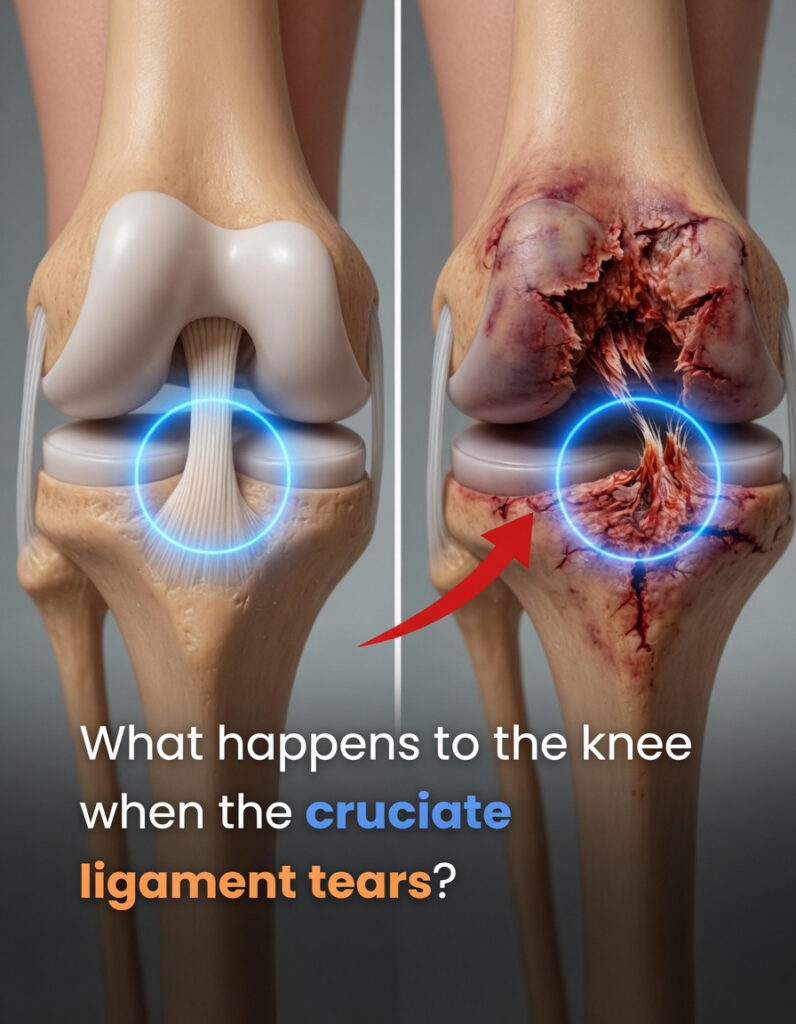
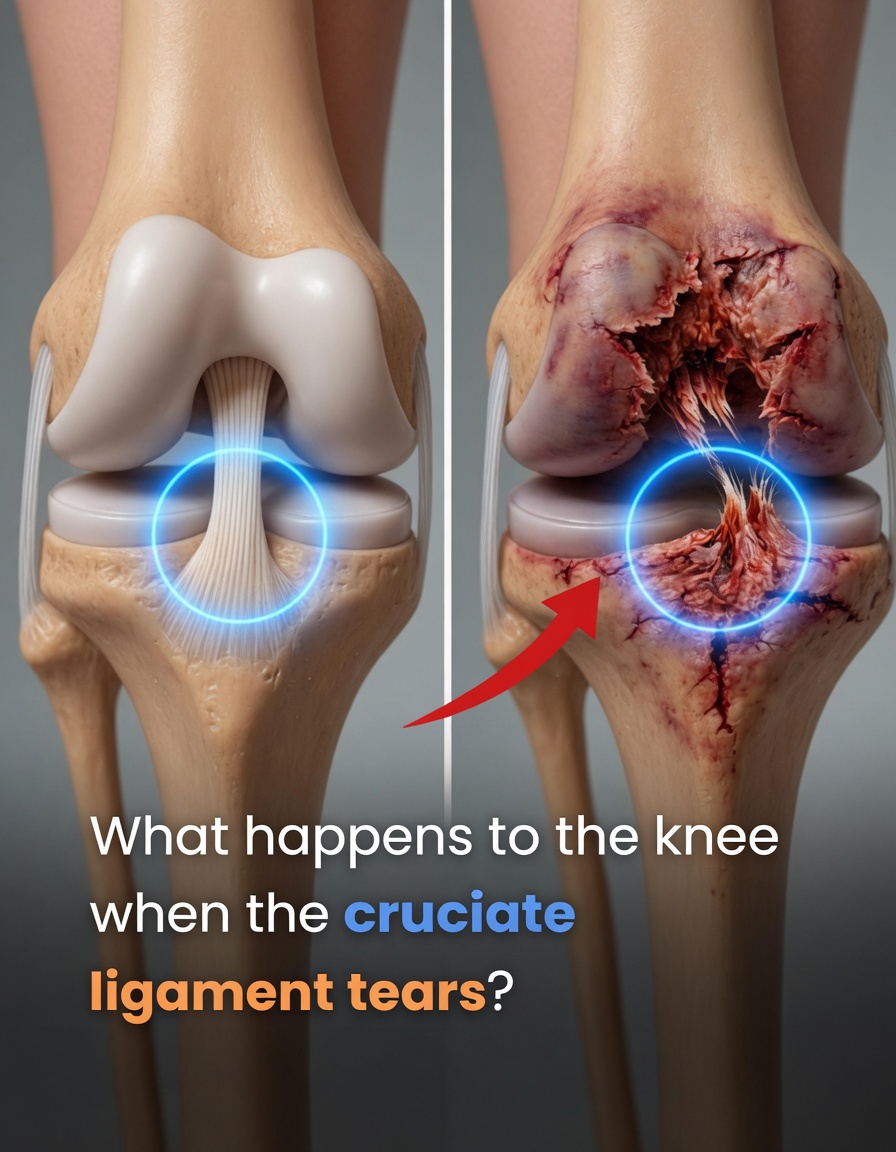
What Happens During an ACL Tear? A Clear Guide to Knee Stability, Symptoms, and Recovery
One minute, you are enjoying sports or simply staying active, and the next, a sudden movement causes a pop in your knee. Pain appears right away, swelling follows quickly, and the joint may suddenly feel unstable. Even basic walking can become difficult, leaving many people worried about comfort, mobility, and long-term knee health.
An event like this can interrupt daily life fast. It often turns normal movement into something frustrating and uncertain. So, what is actually happening inside the knee when this occurs? Understanding the process can make it easier to recognize the problem, respond appropriately, and protect future knee function. It can also shed light on one often-overlooked factor that plays a major role in lasting stability.
Why the ACL Matters in Knee Function
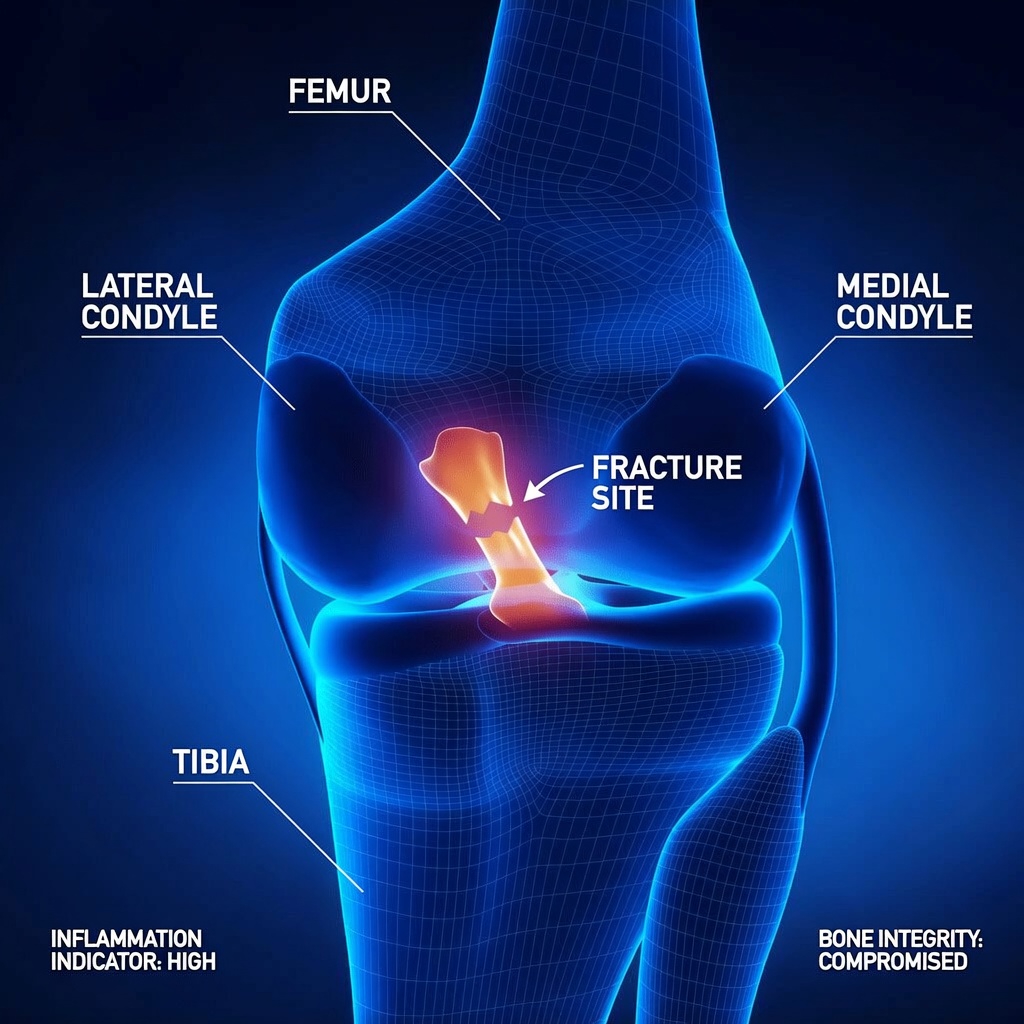
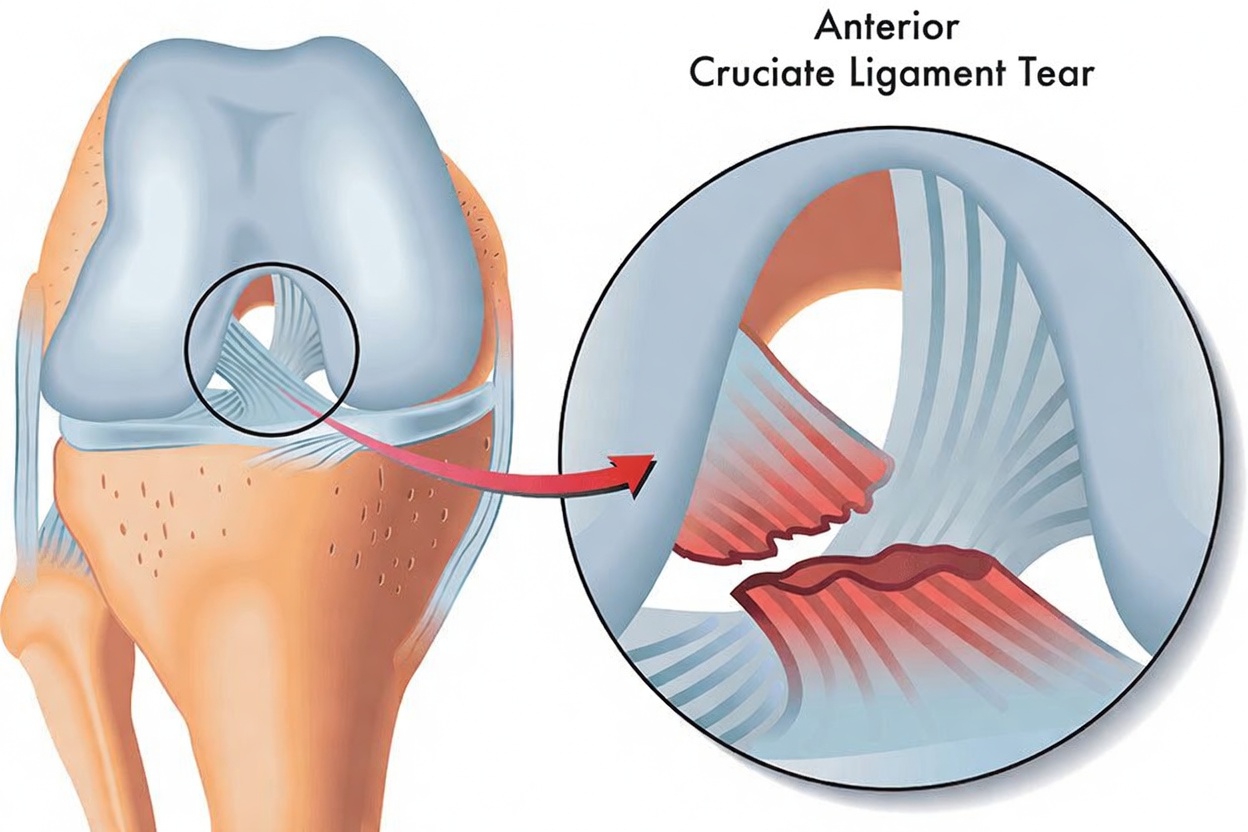
The anterior cruciate ligament, or ACL, is one of the knee’s key stabilizing structures. Its primary job is to keep the shinbone from moving too far forward relative to the thighbone. This support helps the knee stay aligned during both simple and demanding movements.
Whether you are walking, changing direction, or pivoting quickly, the ACL contributes to controlled, steady motion. Without it functioning properly, the knee can feel loose or less dependable.
The ACL does not work alone. It operates alongside other ligaments, muscles, tendons, and joint structures to maintain balance and support. When the ACL is torn, the effect can extend beyond a single ligament and influence how the entire knee performs in everyday life.
Common Causes of an ACL Tear
ACL tears often happen during movements that place sudden force or rotational stress on the knee. While they are especially common in sports, they can also occur in many other situations.
Typical scenarios include:
- Quickly changing direction while running
- Landing awkwardly after a jump
- Twisting the body while the foot stays planted
- Receiving a blow to the knee during contact activities
Sports such as soccer, basketball, football, and skiing are often linked to a higher risk. In many cases, the injury happens unexpectedly during a fast or intense moment.
Fatigue, poor movement mechanics, and lack of control during high-speed actions may also increase the risk. Importantly, not every ACL tear is caused by a direct hit. A large percentage occur without contact, simply from the body’s own momentum and the stress placed on the joint.
Signs and Symptoms After the Injury
People often notice something unusual immediately after the event. A pop or snapping sensation is commonly reported, followed by rapid changes in how the knee feels and functions.
Common symptoms include:
- Sudden pain in the knee
- Swelling that develops quickly
- A feeling that the knee is giving out
- Difficulty standing, walking, or placing weight on the leg
These signs usually appear soon after the injury, although the severity can vary from person to person. Some individuals experience intense pain and swelling right away, while others mainly notice instability.
Paying attention to these symptoms is important. Early recognition often helps people seek timely medical care and better understand what steps to take next.
How Doctors Evaluate Knee Stability
Medical evaluation usually begins with a physical examination. A healthcare provider may assess swelling, range of motion, tenderness, and how stable the joint feels during specific tests.
Because the knee contains several important structures, imaging is often used to get a clearer picture. MRI is commonly recommended because it can show detailed views of ligaments, cartilage, and other internal tissues.
This process helps determine:
- Whether the ACL is torn
- How severe the injury may be
- Whether other parts of the knee are also affected
Each case is different, which is why an individualized assessment matters. The results of the evaluation often guide the best treatment approach for that person’s lifestyle, goals, and activity level.
Treatment Options After an ACL Tear
There is no single solution that fits everyone. The right path depends on factors such as age, activity demands, overall knee condition, and personal goals.
Some people choose a non-surgical approach that focuses on physical therapy. This often includes strengthening the muscles around the knee, improving balance, and restoring control during movement.
Others, particularly athletes or highly active individuals, may discuss surgical reconstruction with a specialist. This option is often considered when knee instability interferes with desired activities or when return to pivoting sports is a priority.
Both approaches have helped many people recover function over time. What matters most is selecting a strategy that matches the individual’s needs and following a structured plan for recovery.
In many situations, the best results come from combining methods, such as guided rehabilitation, gradual return to activity, and consistent strength training.
Practical Ways to Support Knee Stability
Professional care is essential after a significant knee injury, but there are also general habits that may support knee health and improve stability over time.
Helpful strategies may include:
- Performing low-impact strengthening exercises, such as straight leg raises or wall sits, if approved by a healthcare provider
- Warming up properly before exercise or sports
- Using good movement technique, including keeping the knees aligned during activity
- Eating a balanced diet that supports muscles, joints, and recovery
- Wearing supportive footwear with appropriate cushioning
These small actions may seem simple, but consistency matters. Over time, they can contribute to improved comfort, stronger support around the joint, and more confidence during daily movement.
Why Early Evaluation Is So Important
Getting a knee injury checked early can make a meaningful difference. Prompt assessment helps identify the full extent of the issue and may reduce the chance of complications later.
Early care can also:
- Clarify whether the ACL is involved
- Detect damage to other knee structures
- Guide a safer recovery timeline
- Improve planning for rehabilitation or further treatment
Many people are able to return to normal routines and favorite activities with the right support. That process usually requires patience, commitment, and careful progression, but acting sooner often leads to a smoother path forward.
Long-Term Considerations After an ACL Tear
Some people recover and return to previous activity levels, while others need to make ongoing adjustments. Long-term knee management may involve regular strengthening exercises, modifications in sports participation, or closer attention to movement quality.
A key factor that often affects long-term stability more than expected is muscle support around the knee, especially in the quadriceps, hamstrings, and hips. Strong, well-coordinated muscles can help compensate for instability and improve joint control during everyday activities.
Research continues to explore better ways to prevent ACL injuries and improve treatment outcomes. This ongoing work offers hope for more effective strategies for active people of all ages.
Conclusion
Understanding what happens during an ACL tear can provide valuable insight into knee stability, symptoms, and recovery options. The ACL plays a central role in controlling movement, and when it is injured, the entire knee can be affected.
By learning the common causes, recognizing the warning signs, and seeking early evaluation, people can make more informed decisions about care. Whether the path involves rehabilitation, surgery, or a combination of approaches, proper guidance is essential for protecting long-term knee function.
For any knee injury or concern, consulting a qualified healthcare professional is the best way to determine the most appropriate next step.
Frequently Asked Questions
What does an ACL tear feel like right away?
Many people describe a popping sensation at the moment of injury. This is often followed by immediate pain, swelling, and a feeling that the knee is unstable or unsafe to move normally.
Can someone continue daily activities after an ACL tear?
It depends on the severity of the injury and how unstable the knee becomes. Some people can still walk carefully, while others struggle to bear weight or feel that the knee may give out.
Does an ACL tear always happen during contact sports?
No. Many ACL tears happen without any direct contact. Quick pivots, awkward landings, or twisting with the foot planted are common non-contact causes.
Is surgery always necessary for an ACL tear?
Not always. Some individuals do well with physical therapy and strengthening programs, especially if their activity demands are lower. Others may need surgery depending on their goals, symptoms, and level of instability.
Why is early medical evaluation recommended?
Early assessment helps confirm the diagnosis, identify any additional knee damage, and guide the right treatment plan. It can also support a safer and more effective recovery process.