
A 62-year-old patient once shared that he had taken Atorvastatin for years without much trouble, but recently he began noticing more muscle soreness and fatigue than usual. After an evaluation, his doctor explained that the medication might be contributing to those symptoms. This is a familiar situation for many people, who often wonder whether aching muscles and low energy are simply signs of aging or a side effect that needs attention.
That uncertainty can be discouraging, especially when you are taking a medicine to protect your heart and everyday tasks start feeling more difficult. The encouraging news is that understanding Atorvastatin side effects can help you spot changes sooner, respond appropriately, and stay aligned with your treatment plan. By the end of this guide, you will also find practical ways to manage symptoms more effectively.
What Is Atorvastatin and Why Do Doctors Prescribe It?
Atorvastatin belongs to a group of cholesterol-lowering drugs called statins. It is commonly prescribed to adults as part of a broader strategy to support cardiovascular health. Physicians often pair it with lifestyle improvements such as healthier eating and regular exercise, since high cholesterol can gradually lead to plaque buildup in the arteries.
Millions of people use Atorvastatin every day and tolerate it well. Even so, no two bodies react in exactly the same way. Knowing what to expect gives you a better chance of recognizing unusual symptoms and discussing them with your healthcare provider early.
One important point many people overlook is that side effects do not always appear right away. In some cases, subtle changes in how you feel may develop weeks or even months after starting treatment. Paying attention to patterns can make a big difference.
Common Atorvastatin Side Effects Many People Experience
Most Atorvastatin side effects are mild and may improve as your body adapts, according to trusted sources such as the NHS and Mayo Clinic. Still, it is helpful to know the most commonly reported issues so they do not catch you off guard.
- Muscle aches or joint discomfort, especially in the arms, legs, or back
- Headaches
- General tiredness or lower energy than normal
- Digestive problems like nausea, diarrhea, or indigestion
- Nasal congestion or a sore throat that feels similar to a mild cold
- Sleep disturbances
- Mild stiffness in the joints that comes and goes
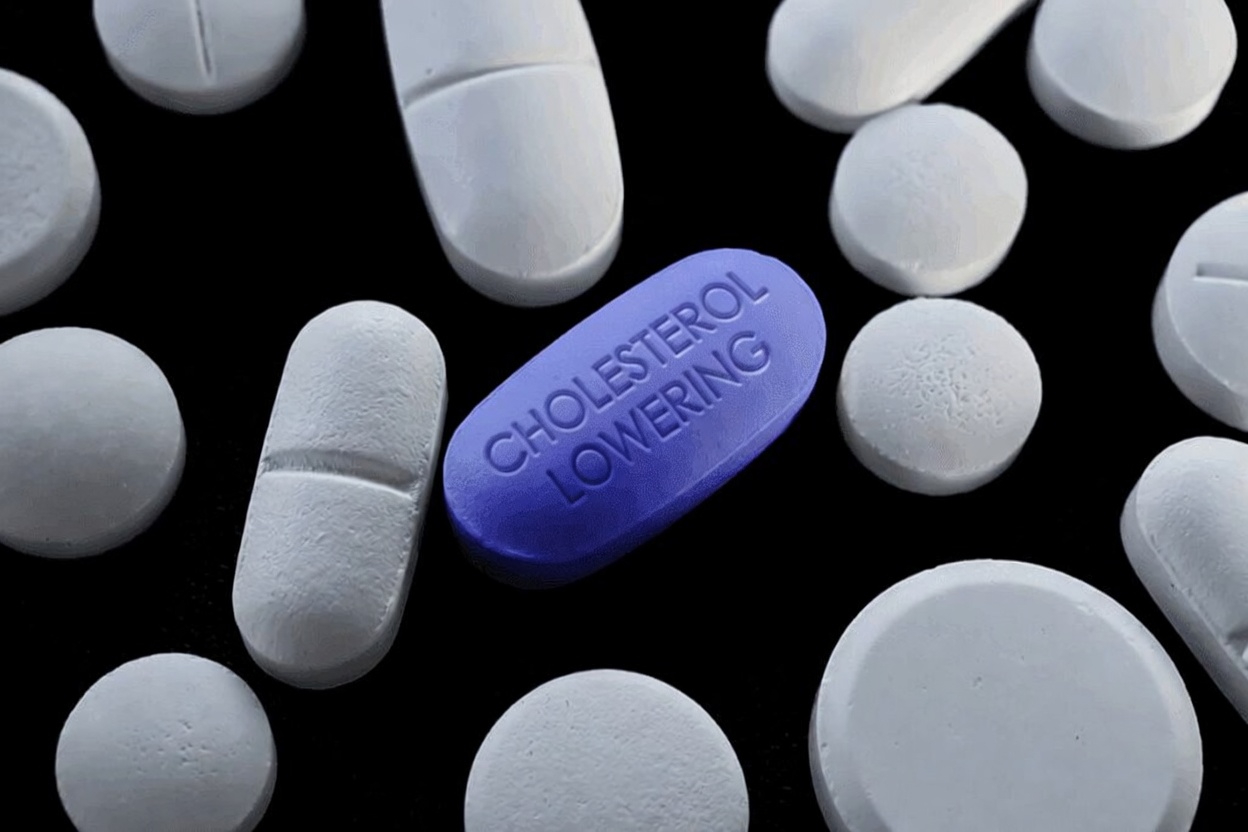
These effects are among the most frequently mentioned by users, and many people find they fade within a few weeks. If symptoms continue or become bothersome, your doctor may be able to help with simple adjustments, such as changing when you take the medication or reviewing possible interactions with other drugs.
These manageable but annoying symptoms are often the reason some patients question whether Atorvastatin is still the right option. However, for most users, the heart-protective benefits remain significant when treatment is monitored properly.
Less Common Side Effects That May Be Unexpected
In addition to the better-known reactions, Atorvastatin has been linked to some lesser-known effects noted in patient reports and medical resources like MedlinePlus and WebMD. These do not affect everyone, but being aware of them can help you connect symptoms that may otherwise seem unrelated.
- Tingling sensations or mild numbness in the hands or feet
- Temporary memory changes or mental fog
- Dry skin, itching, or unexplained rash
- Hair thinning or increased shedding
- Small changes in blood sugar that may require closer monitoring
- Unusual fatigue accompanied by flu-like symptoms
- Mild blurred vision or sensitivity to light in a small number of users
Research suggests these symptoms may be related to how the medication influences certain processes in the body. In many cases, they improve over time or become easier to manage with medical guidance. It is also worth remembering that age, diet, and other health conditions can play a role, which is why keeping a basic symptom journal can be surprisingly useful.
Serious Side Effects That Need Immediate Medical Attention
Although uncommon, some Atorvastatin side effects should never be ignored. If you notice any of the following, seek medical advice promptly and follow your doctor’s instructions right away:
- Severe or unexplained muscle pain
- Significant muscle weakness
- Dark-colored urine
- Yellowing of the skin or eyes
- Dark urine or pale stools
- Intense or persistent stomach pain, especially with vomiting
- Swelling, hives, or trouble breathing that may suggest an allergic reaction
- Sudden confusion or more serious memory problems than usual

These reactions are rare, and most people taking Atorvastatin will never experience them. Still, recognizing the warning signs can help you act quickly and protect both your immediate health and your long-term heart care plan.
Practical Ways to Manage Side Effects and Stay on Track
The good news is that you do not have to simply wait and hope symptoms go away. Many people find that a few consistent habits can make treatment much easier to handle.
- Keep a daily record of your symptoms, meals, medication timing, and energy levels, then bring that information to your next appointment
- Drink enough water and choose balanced meals that include fruits, vegetables, and lean protein
- Ask your doctor whether changing the dose schedule, switching to another statin, or trying a short-term CoQ10 supplement may be appropriate if muscle discomfort continues
- Add light physical activity such as walking or stretching most days to help reduce stiffness without overexertion
- Follow your doctor’s recommendations for blood tests so liver function or blood sugar changes can be detected early
These simple steps can improve your overall experience and help your care team make better decisions based on what you are actually feeling day to day.
Lifestyle Habits That Work Well Alongside Atorvastatin
Healthy daily routines can make your treatment plan feel more sustainable and may also help your body tolerate the medication better over time. Consider focusing on the following:
- Eat heart-supportive foods that are high in fiber and lower in saturated fat
- Keep a regular sleep schedule to reduce fatigue
- Limit alcohol intake
- Avoid grapefruit and grapefruit products, since they can interfere with Atorvastatin
- Make stress management part of your routine through mindfulness, hobbies, or other calming activities
These habits are not instant solutions, but they support your prescribed treatment and can make long-term heart care easier to manage.
When Should You Contact Your Doctor?
If any symptom begins to disrupt your daily routine or simply feels unusual, it is a good idea to reach out to your healthcare provider. Even mild side effects deserve mention, because your doctor can determine whether the medication is responsible or whether another issue may be involved.
Regular follow-up appointments are especially important. They allow small concerns to be addressed before they become bigger problems and help turn uncertainty into a clear plan.
Conclusion: Staying Informed Helps You Manage Atorvastatin With Confidence
Atorvastatin remains a reliable and widely used medication for cholesterol control, and most people do well with it when they know what to watch for. Understanding both the common and less common side effects can help you respond early, track your experience more effectively, and work closely with your healthcare team.
The biggest advantage comes from awareness. When you notice changes, document them, and discuss them openly with your doctor, you put yourself in the best position to protect your heart while minimizing unnecessary discomfort.
FAQ: Common Questions About Atorvastatin Side Effects
Can Atorvastatin cause muscle pain even after years of use?
Yes. Some people develop muscle discomfort later, even after taking Atorvastatin for months or years without problems. If this happens, talk with your doctor. A dosage change or a short supervised pause may help determine whether the medication is the cause.
Should you stop taking Atorvastatin on your own if side effects become bothersome?
No. Stopping Atorvastatin without medical advice can affect your cholesterol levels and may increase cardiovascular risk. Always speak with your healthcare provider first so they can guide you safely.