Tonsil Stones and Persistent Bad Breath: What You Should Know
Ongoing bad breath can be discouraging, especially when it sticks around despite brushing, flossing, and using mouthwash every day. It can affect confidence, make social situations uncomfortable, and leave you wondering why the problem keeps returning. In many cases, the cause is not simply poor oral hygiene. A lesser-known issue hidden in the folds of the tonsils may be playing a role. One possible explanation is tonsil stones, and understanding them may be the key to feeling cleaner and more confident.
What Are Tonsil Stones?
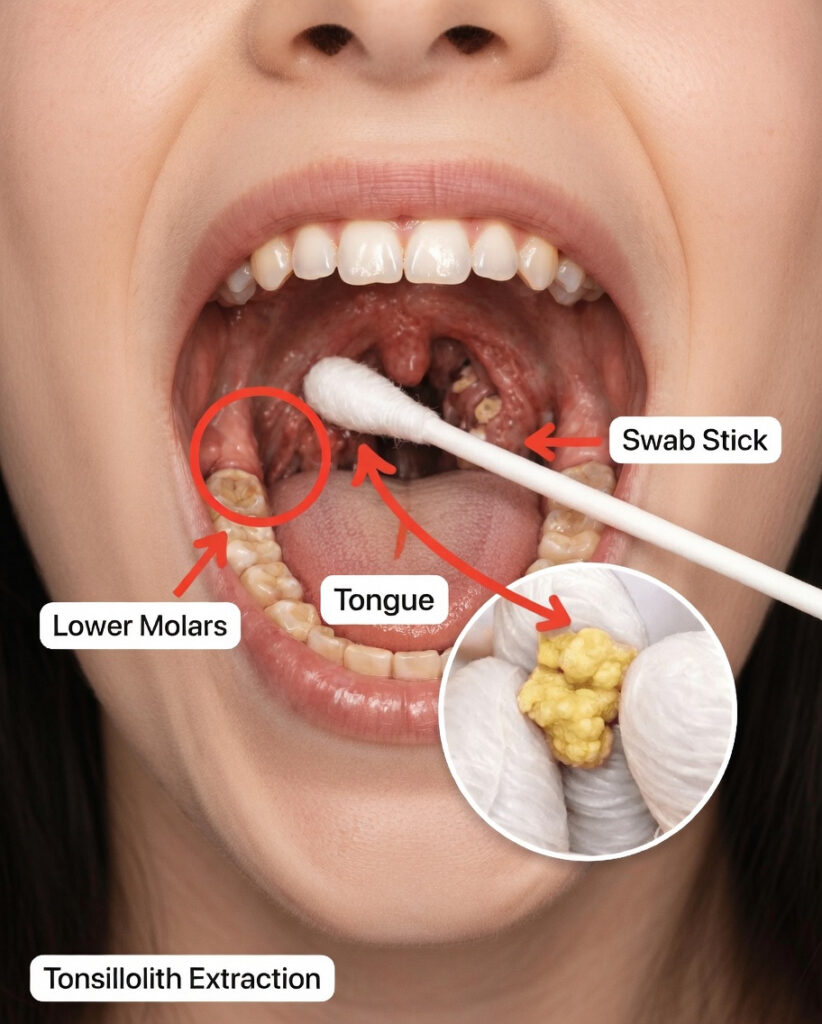
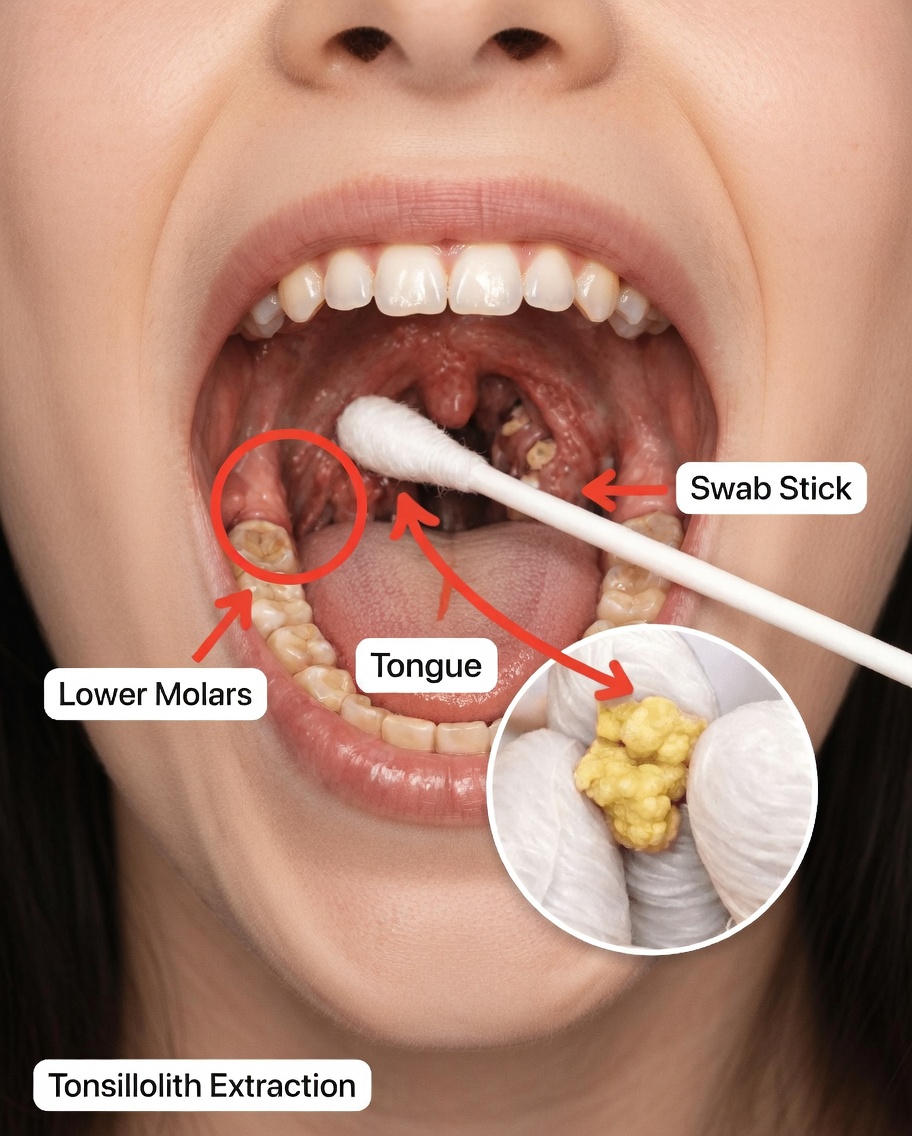
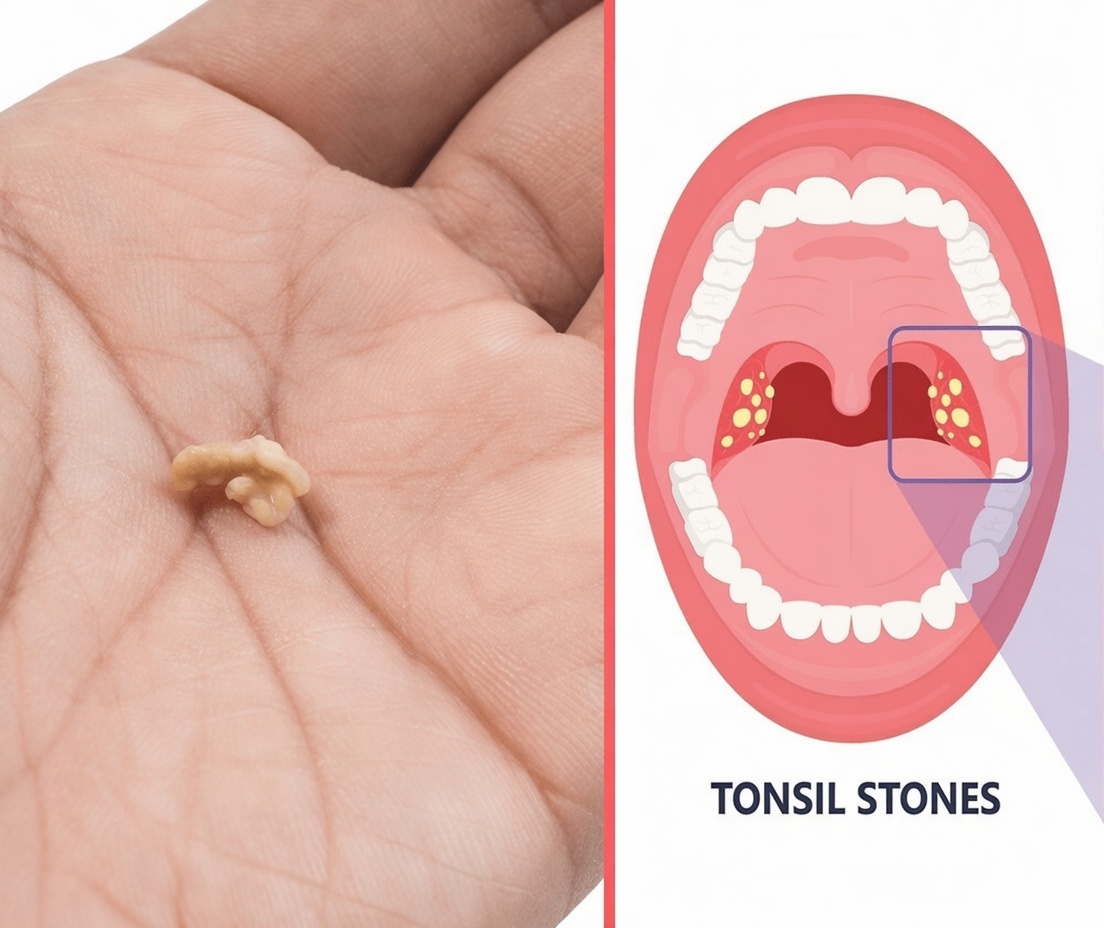
Tonsil stones, medically called tonsilloliths, are small, solid deposits that develop inside the natural creases of the tonsils. They are often white, off-white, or yellow in appearance and may be tiny or somewhat larger.
Some people first notice them after coughing up a small piece of debris or spotting them in the back of the mouth. In most situations, this is not a sign of anything severe.
For many individuals, tonsil stones are a common and generally harmless condition.
How Tonsil Stones Develop
The tonsils contain small openings known as crypts. These spaces are part of the body’s defense system and can trap unwanted material. Over time, debris may collect in these pockets.
Common contributors include:
- Food particles left behind after eating
- Dead cells from the lining of the mouth
- Naturally occurring oral bacteria
- Mucus linked to post-nasal drip or sinus issues
As this material builds up, minerals such as calcium can harden it into compact deposits. That is how tonsil stones are formed. This also helps explain why some people get them repeatedly while others rarely experience them.
Studies suggest that people with deeper tonsil crypts or frequent inflammation of the tonsils may be more likely to develop these deposits.
Why Tonsil Stones Can Cause Bad Breath
One of the most notable signs of tonsil stones is chronic bad breath, also called halitosis. The reason is that bacteria trapped inside the stones can release volatile sulfur compounds, which are known for producing an unpleasant smell.
This means that even with a strong dental care routine, the odor may continue if the source is coming from the back of the throat.
Not everyone with tonsil stones has obvious symptoms, though. Some people only realize they have them when they cough one out or happen to see them in a mirror.
Common Symptoms of Tonsil Stones
Although some tonsil stones cause no noticeable problems, others can lead to irritating symptoms. Recognizing these signs may help you determine whether tonsil stones are contributing to your discomfort.
Typical symptoms include:
- Ongoing bad breath that remains after brushing
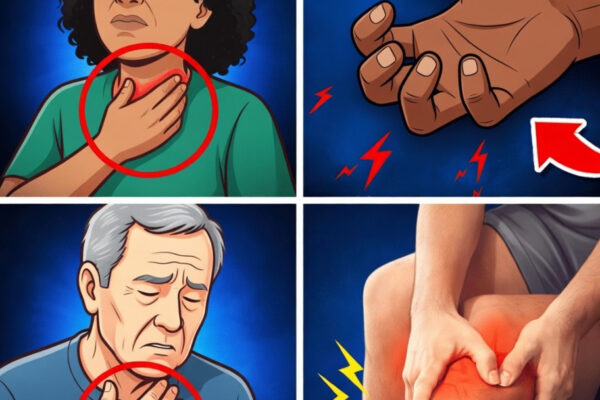
- The sensation that something is stuck in the throat
- Mild pain or irritation when swallowing
- White or yellow spots visible on the tonsils
- Occasional ear discomfort or a metallic taste in the mouth
If several of these symptoms sound familiar, identifying the cause can help you manage the issue more effectively.
Daily Habits That May Help Prevent Tonsil Stones
The good news is that a few simple habits can help reduce the buildup of bacteria and debris that leads to tonsil stones. Prevention usually focuses on keeping both the mouth and throat as clean as possible.
Helpful habits include:
- Brush your teeth thoroughly twice a day
- Clean your tongue as part of your brushing routine
- Floss every day to remove trapped food
- Gargle regularly with warm salt water or an alcohol-free mouthwash
- Drink enough water throughout the day to avoid dryness
- Use a water flosser if you need help reaching difficult areas
These steps often work best when followed consistently rather than occasionally.
A Simple Oral Care Routine to Follow
If you want an easy plan to start with, this routine may help support fresher breath and better oral hygiene:
- Morning: Brush your teeth and tongue, then gargle for about 30 seconds.
- After meals: Rinse your mouth with water or mouthwash.
- Evening: Brush and floss carefully before going to sleep.
Sticking to these basics every day can make a noticeable difference over time.
When to Seek Professional Help
Most tonsil stones do not require medical treatment. However, if they become large, return often, or cause ongoing discomfort, it may be a good idea to speak with a healthcare professional.
An ear, nose, and throat specialist (ENT), also known as an otolaryngologist, can examine the area, confirm whether tonsil stones are the issue, and recommend the most suitable next steps for your situation.
Getting professional advice is especially helpful when symptoms are persistent or difficult to manage on your own.
Additional Tips for Managing Discomfort
Some people get relief by using gentle methods to remove small tonsil stones, such as carefully using a cotton swab or improving hydration. However, the tissue around the tonsils is delicate, so it is important not to press too hard or cause irritation.
In most cases, prevention is more effective than repeatedly trying to remove the stones after they form. By reducing the factors that contribute to buildup, many people experience fewer recurrences.
Health experts, including those at organizations such as the Cleveland Clinic, emphasize that strong oral hygiene habits can play a major role in keeping tonsil stones from becoming an ongoing problem.
Conclusion
Tonsil stones are one of the hidden causes of persistent bad breath and throat discomfort. Learning how they form and taking simple preventive steps can help improve oral health and restore confidence.
The main takeaway is simple: small daily habits can lead to meaningful results. Pay attention to symptoms, stay consistent with your routine, and seek professional guidance if the problem continues.
FAQ
Can tonsil stones disappear on their own?
Yes. Many small tonsil stones come loose naturally through coughing, swallowing, or regular daily activity. Good oral hygiene may help this happen more easily.
Do tonsil stones mean you have an infection?
Usually not. Although bacteria are involved in their formation, tonsil stones alone do not typically mean there is an active infection that needs antibiotics.
What helps stop tonsil stones from returning?
The best prevention methods include maintaining excellent oral hygiene, drinking plenty of water, and gargling regularly to reduce bacteria and trapped debris.
Disclaimer
This article is intended for informational purposes only and is not a substitute for professional medical advice. Always consult a qualified healthcare provider if you have health concerns or before making changes to your health routine.