Tonsil Stones: What They Are, Why They Smell, and How to Get Rid of Them
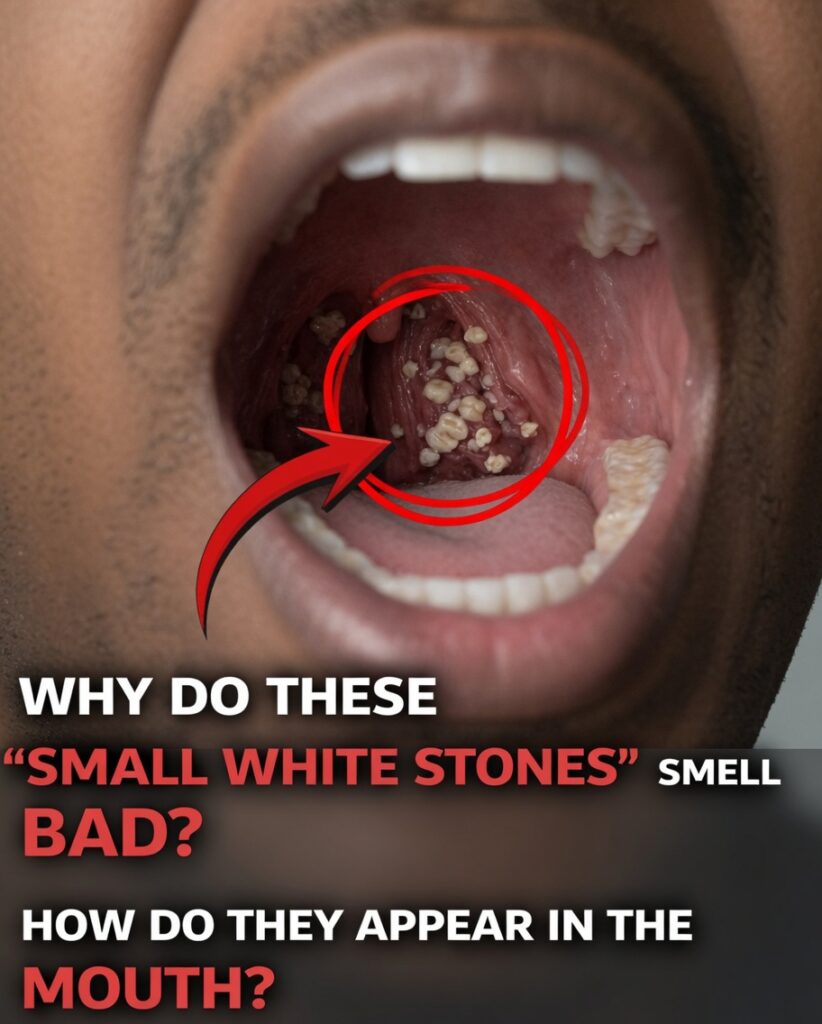
Tonsil stones are those tiny, foul-smelling white lumps that can show up in the back of your throat—or suddenly appear when you cough. They’re often harmless, but they can be uncomfortable and, thanks to their strong odor, genuinely embarrassing in social settings. Many people have tonsil stones without noticing, until bad breath or a visible lump makes the problem impossible to ignore.
This guide breaks down what tonsil stones (tonsilloliths) are, what causes them, why they can smell so bad, and the most practical ways to manage or remove them. With the right habits, you can reduce tonsil stones and keep your breath fresher.
What Are Tonsil Stones?
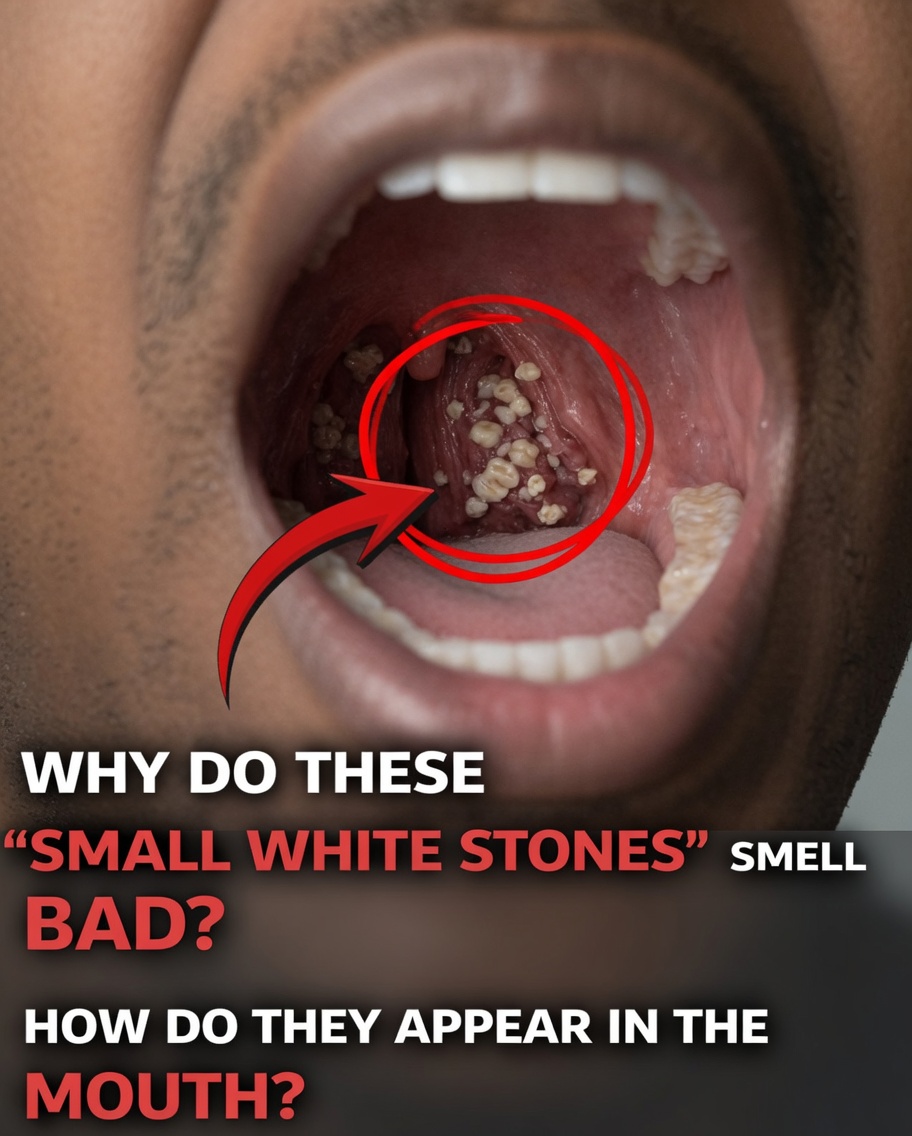
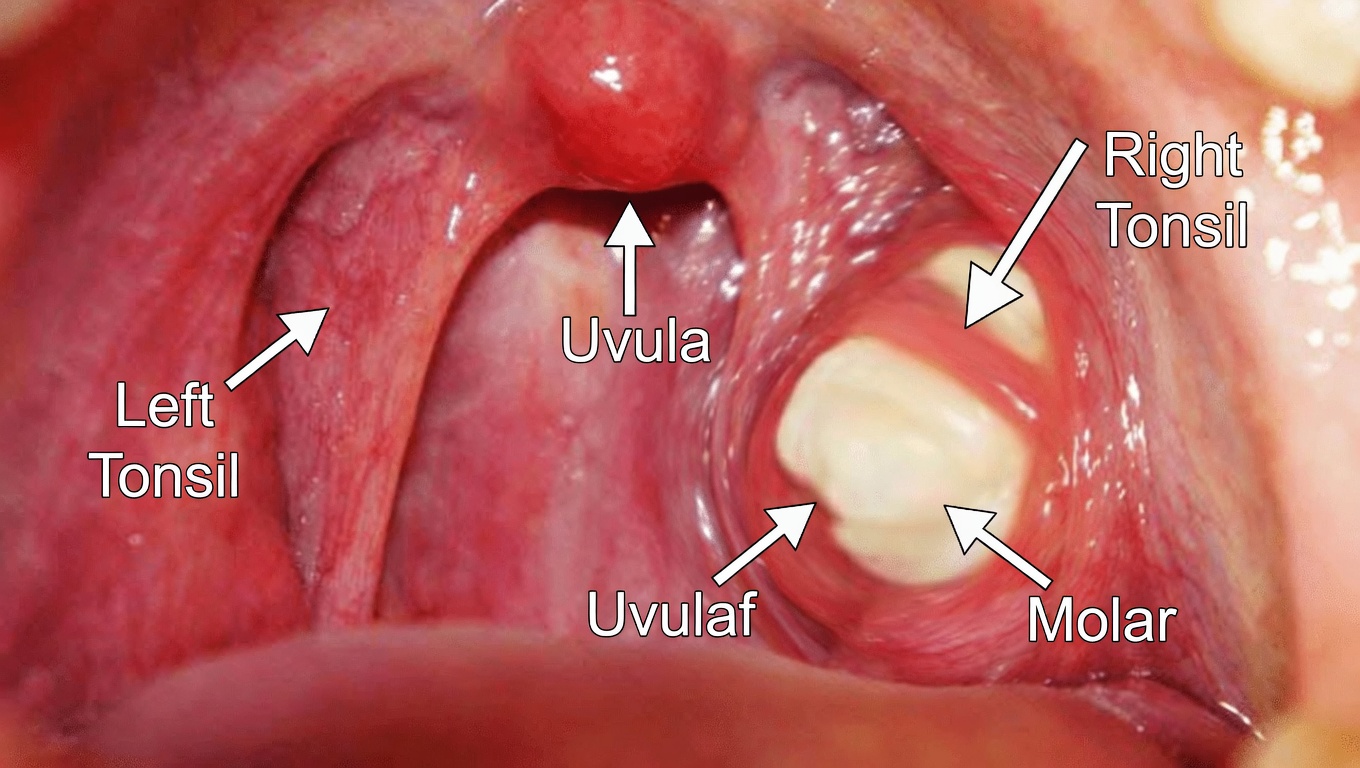
Tonsil stones, medically called tonsilloliths, are small, hardened deposits that develop inside the tonsils (the tissues located at the back of your throat). Tonsils contain natural creases and pockets known as tonsil crypts. These crypts can trap:
- Food particles
- Mucus
- Dead cells
- Bacteria
Over time, that trapped material can harden as minerals—especially calcium—accumulate around it. The result is a firm, pebble-like stone.
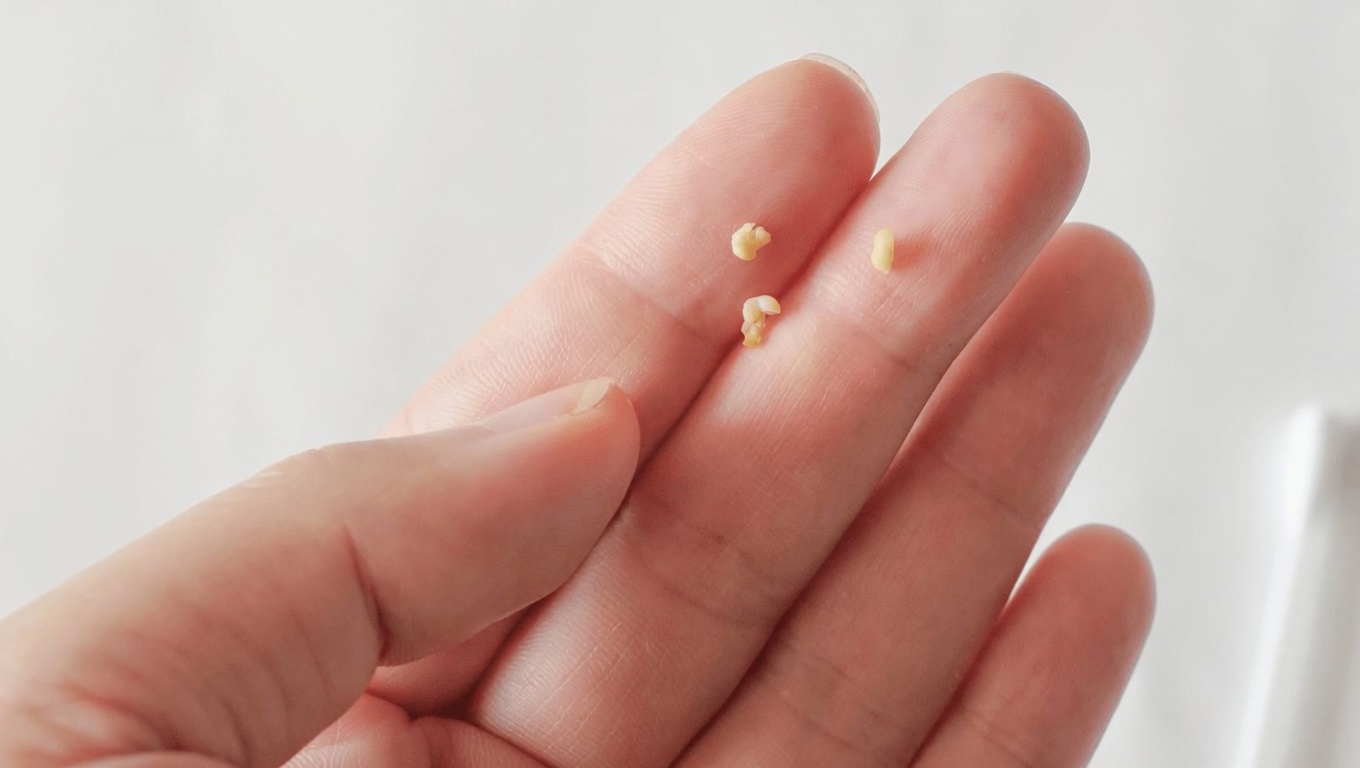
Tonsil stones can be as small as a grain of rice or large enough to be clearly visible. Some cause no symptoms at all, while others trigger irritation, coughing, or noticeable bad breath.
Why Do Tonsil Stones Form?
At their core, tonsil stones develop because debris gets stuck in the tonsil crypts and doesn’t clear out properly. If your tonsils have deeper or more pronounced crypts, it’s easier for material to collect and harder for your body to flush it away naturally. With time, mineral buildup turns that debris into solid tonsil stones.
Several factors can increase the likelihood of getting tonsil stones:
- Recurring tonsillitis or frequent tonsil inflammation
- Poor oral hygiene, which increases bacterial load
- Chronic sinus issues and post-nasal drip, adding more mucus to the throat
- Dehydration, which reduces saliva (your mouth’s natural cleanser)
People with larger or more irregular tonsils also tend to be more prone to developing tonsilloliths. The good news: they’re usually not dangerous.
Why Do Tonsil Stones Smell So Bad?
Tonsil stones are notorious for producing a strong, unpleasant odor—often compared to rotten eggs or spoiled cheese. That smell comes from bacteria feeding on the trapped material.
In particular, anaerobic bacteria (bacteria that thrive without oxygen) break down proteins in the debris. During this process, they release volatile sulfur compounds (VSCs)—the same gases commonly responsible for bad breath (halitosis).
Because tonsils are warm and moist, bacteria can multiply and form a thin biofilm on the stone’s surface. Even small tonsil stones can cause intense odor, which may become more noticeable when you talk, breathe, or cough.
Symptoms: More Than Just Visible Stones
Many tonsil stones go unnoticed. But when symptoms do occur, they often include:
- Persistent bad breath that doesn’t improve much with brushing
- A metallic or unpleasant taste
- A “something stuck in my throat” feeling (globus sensation)
- Mild throat soreness or irritation
- Ear discomfort (the throat and ears share nerve pathways)
- Chronic coughing due to throat irritation
Larger tonsil stones may create more discomfort, but serious complications are uncommon.
How to Manage or Remove Tonsil Stones at Home
Most tonsil stones don’t require medical treatment and may come out on their own. If you’re dealing with tonsilloliths, these at-home strategies are commonly used and generally safe when done carefully.
1. Gargle with Warm Salt Water
Gargling several times daily can help loosen small stones and reduce bacteria in the throat. It may also calm irritation and support better tonsil hygiene.
2. Cough or Clear Your Throat
A firm cough or repeated throat clearing can dislodge stones that are sitting near the surface.
3. Try a Water Flosser (Low Pressure)
A low-pressure water flosser can gently rinse the tonsil crypts and help flush out debris. Use caution and avoid high pressure, which can irritate delicate tissue.
4. Gentle Manual Removal (Only If Visible and Loose)
If a stone is clearly visible and not embedded, you may be able to nudge it out using a clean cotton swab. Do not dig into the tonsils or apply force—injury can lead to bleeding or infection.
5. Improve Daily Oral Hygiene
Consistent hygiene lowers bacterial buildup and can reduce tonsil stone formation:
- Brush twice daily
- Floss consistently
- Clean your tongue with a scraper
- Use an alcohol-free mouthwash to reduce bacteria without excessive dryness
6. Stay Hydrated
Drinking enough water supports saliva production and helps wash away particles and bacteria before they settle into tonsil crypts.
When to See a Doctor
Consider seeing a healthcare professional—often an ENT (ear, nose, and throat) specialist—if you experience:
- Large, painful, or frequently recurring tonsil stones
- Regular tonsil infections or an ongoing sore throat
- Bad breath that persists despite excellent oral care
- Warning signs such as swelling, fever, bleeding, or trouble swallowing
In more stubborn cases, a clinician can remove stones in-office. If tonsil stones and infections are severe and recurrent, a tonsillectomy (tonsil removal) may be discussed.
Quick Prevention Tips for Tonsil Stones
To reduce the chances of tonsilloliths returning:
- Brush and floss thoroughly, especially after meals
- Drink enough water to prevent dry mouth
- Gargle with salt water regularly if you’re prone to tonsil stones
- Manage allergies or sinus problems that cause post-nasal drip
- Limit dairy if it noticeably increases mucus for you
Conclusion
Tonsil stones are common and typically harmless, but they can cause unpleasant breath and throat irritation. Understanding how tonsil stones form—along with simple routines like hydration, salt-water gargling, and solid oral hygiene—can greatly reduce their frequency. With consistent care, you can keep tonsil stones under control and maintain fresher breath.
FAQ
Can tonsil stones cause a sore throat?
Yes. Larger stones—or clusters of smaller ones—can irritate the tonsils and surrounding tissues, leading to discomfort or a mild sore throat.
Are tonsil stones contagious?
No. Tonsil stones are not infectious or contagious; they form when debris and bacteria accumulate in tonsil crypts.
How long do tonsil stones last?
It varies. Many tonsil stones dislodge on their own within days or weeks, while others may persist until removed with home methods or clinical help.