The Skin Changes Many Women Over 45 Are Dealing With
Women over 45 often notice a mix of concerns showing up at once: enlarged pores that make foundation sit unevenly, fine lines that catch the light, dark spots that dull radiance, and new facial hair that undermines confidence before the day even begins. These shifts, driven by aging, hormones, and years of sun exposure, can leave you dodging mirrors, avoiding photos, and feeling less like yourself.
One viral DIY promising to tackle large pores, dark spots, and facial hair is the tomato and toothpaste face mask. It’s marketed as a quick, low-cost fix from your kitchen and bathroom shelf. But is this trending combo truly safe and helpful—or could it secretly damage mature skin?
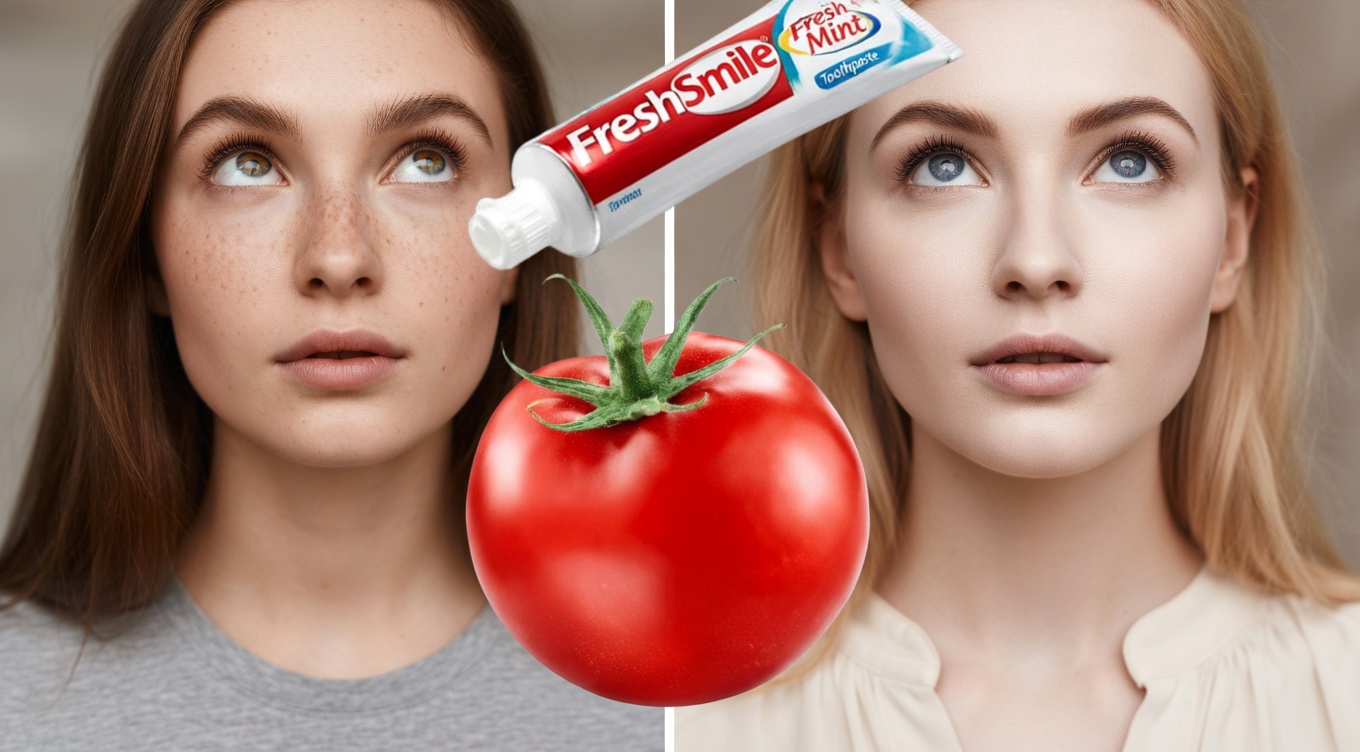
Why the Tomato and Toothpaste Face Mask Is Trending With Women 45+
The tomato and toothpaste face mask has become popular among women over 45 who are frustrated by:
- Large pores that grab onto makeup and emphasize texture
- Dark spots that seem to appear overnight
- Fine, unwanted facial hair that’s suddenly more noticeable
As skin loses collagen and elasticity with age, these issues often feel more pronounced, especially in close-up situations at work, family events, or social gatherings. The idea of a “natural” mask using tomato and toothpaste sounds appealing—simple, cheap, and easy to try at home.
However, dermatologists emphasize that mature skin needs extra care, and not every DIY trend is safe to experiment with.
Why Dermatologists Urge Caution With the Tomato and Toothpaste Face Mask
Although the tomato and toothpaste face mask may sound harmless, toothpaste is formulated for teeth—not for facial skin. Most toothpastes contain:
- Abrasive particles to scrub plaque
- Menthol or other cooling agents
- Detergents and preservatives
On thinner, drier skin (which is common after 45), these ingredients can:
- Disrupt the skin’s protective barrier
- Increase redness, dryness, or burning
- Exacerbate the look of large pores and dark spots
Dermatology experts, including those referenced by major medical centers like the Cleveland Clinic, warn that toothpaste can be overly harsh, stripping moisture and triggering irritation. That “tingling” many people feel is more often a sign of damage than improvement.
When it comes to mature skin, safety should come before social media trends.
What the Tomato and Toothpaste Face Mask Actually Is
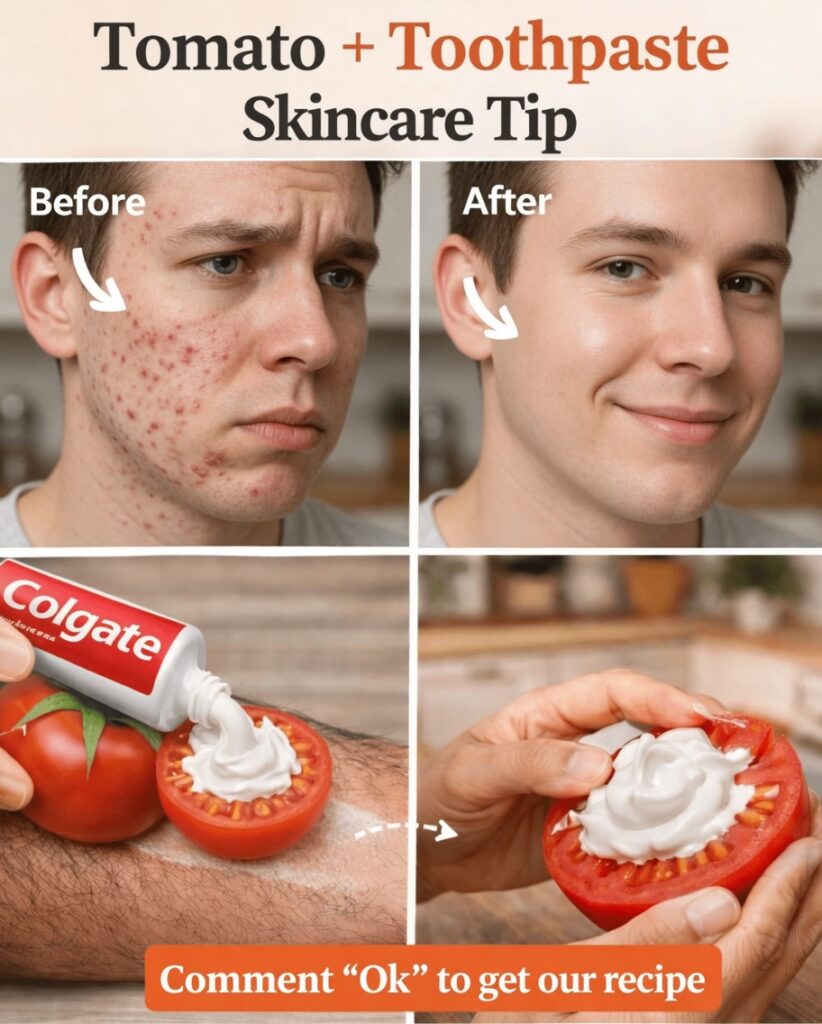
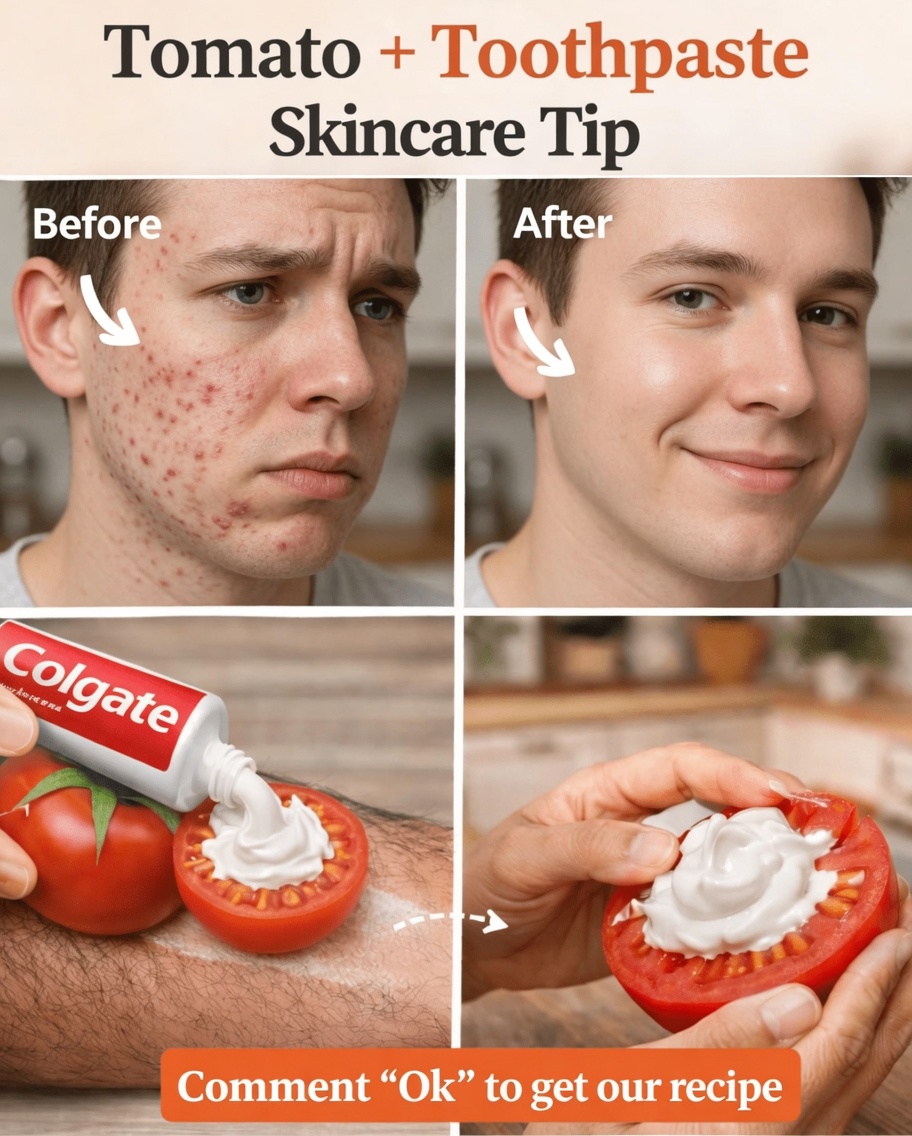
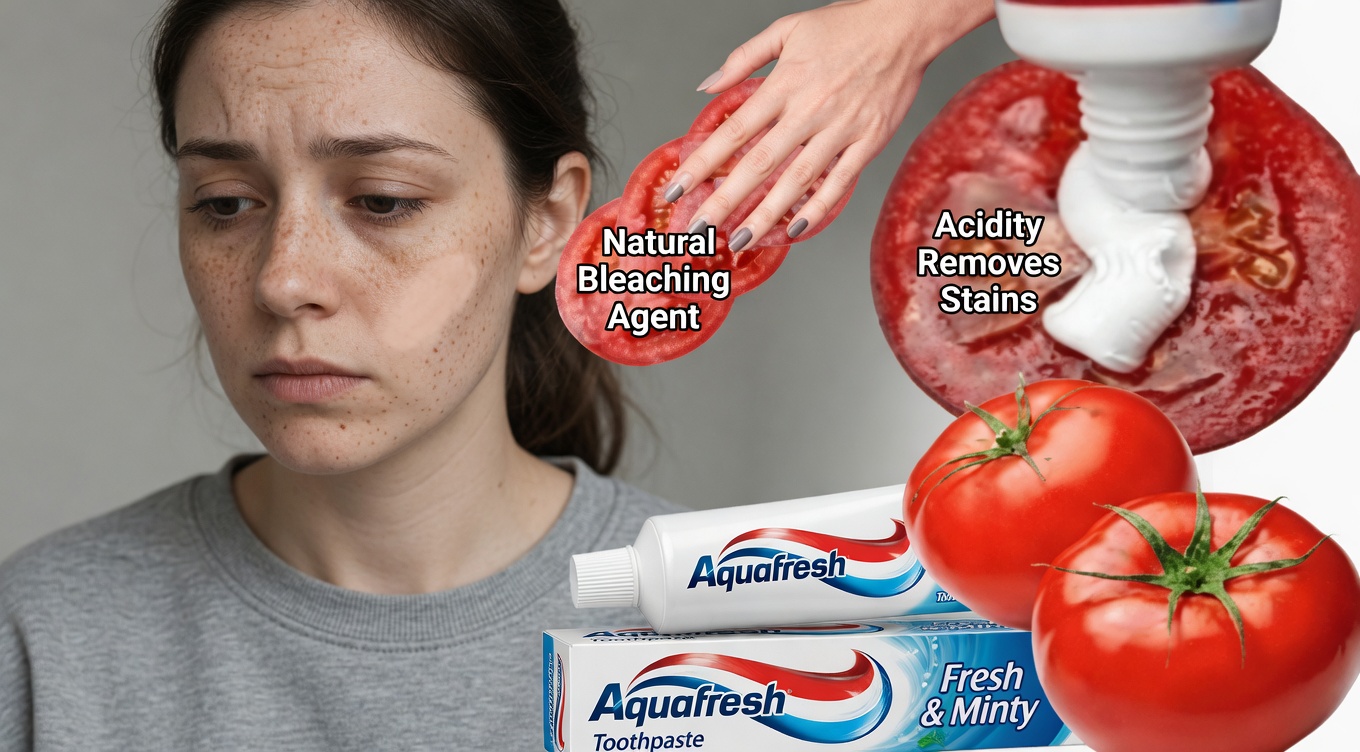
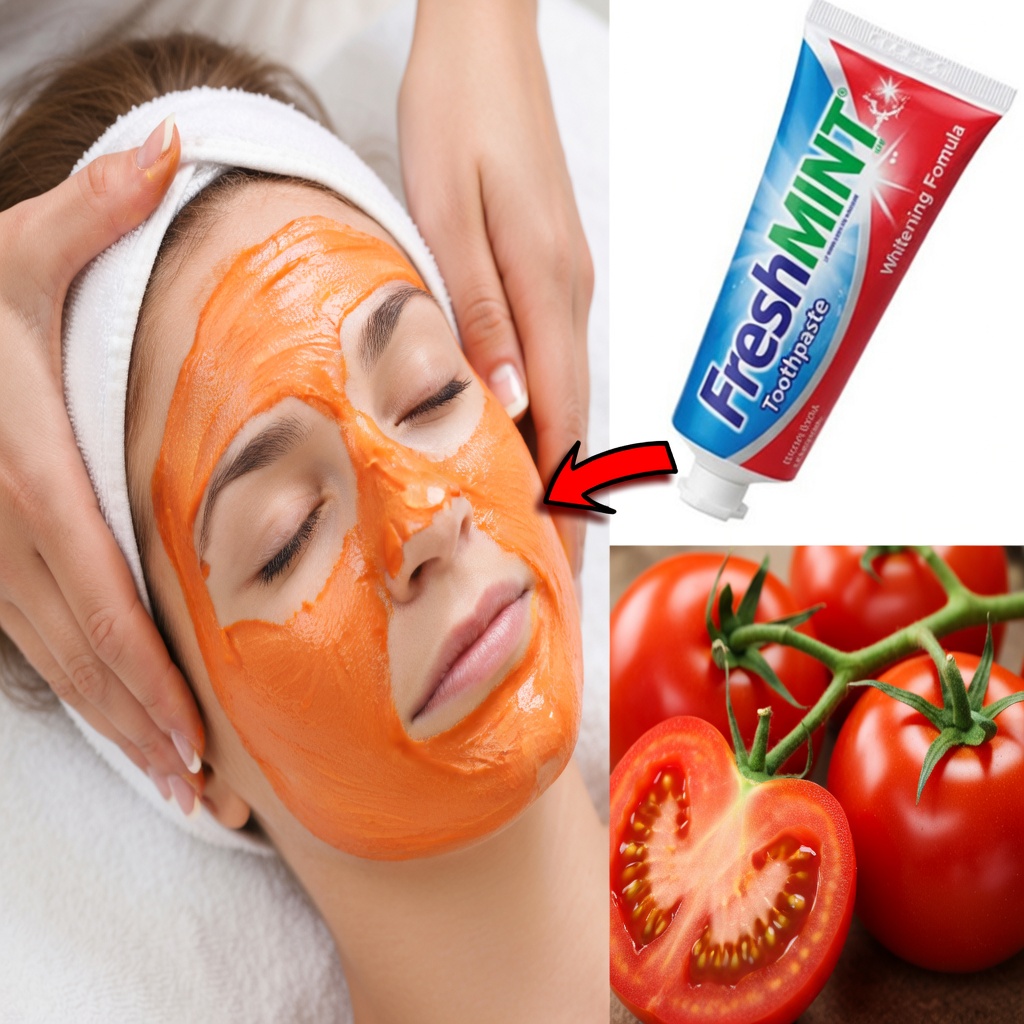
The classic tomato and toothpaste face mask usually involves:
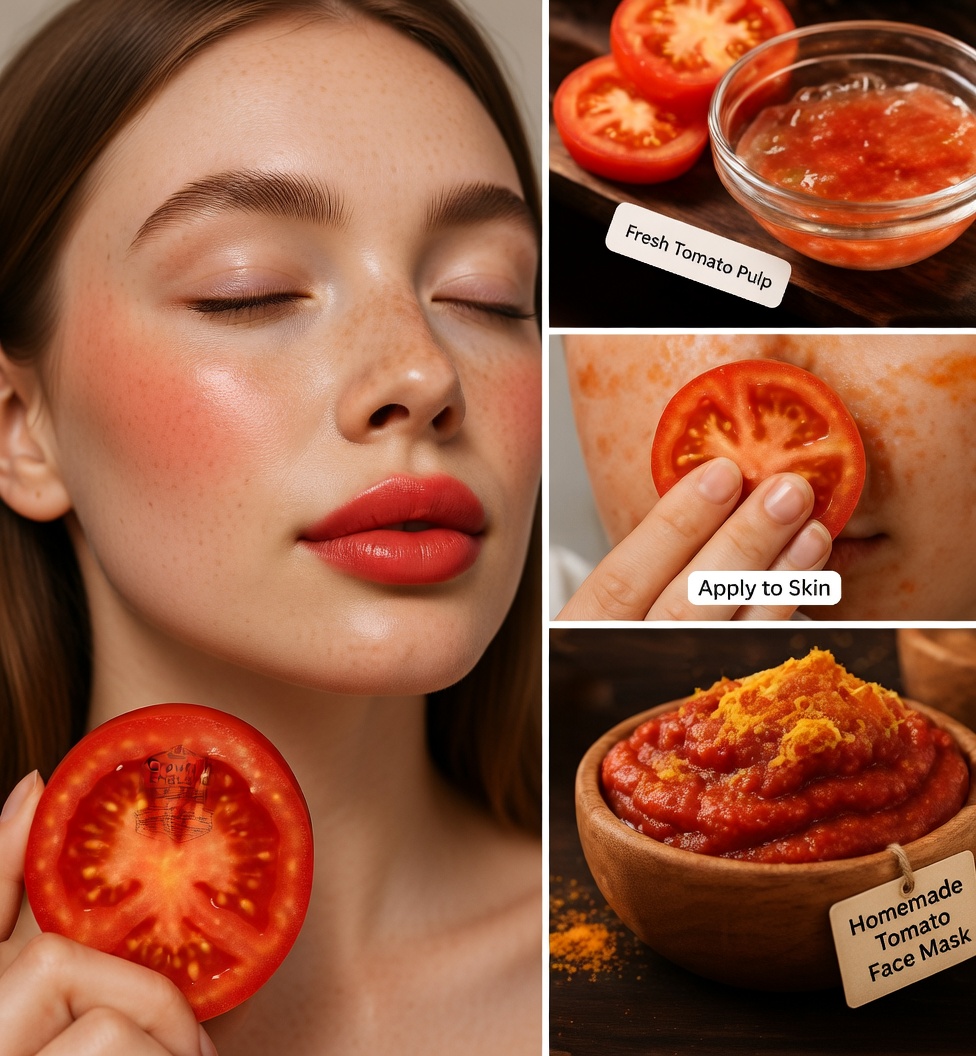
- Mashing ripe tomato into a pulp
- Mixing it with a small amount of plain white toothpaste
- Applying the paste to the face for around 10 minutes
- Rinsing and following with moisturizer (if at all)
Supporters of the tomato and toothpaste face mask claim:
- Tomato provides vitamin C and lycopene to brighten dark spots
- Toothpaste’s mild abrasives help absorb oil and affect facial hair
For women over 45 dealing with:
- Pores that seem larger as collagen declines
- Dark spots from cumulative sun exposure
- Unwanted facial hair linked to hormonal changes
this can sound like an affordable, multitasking solution. But most skin specialists stress the importance of patch-testing and professional advice before putting this mixture on your face.
What Some Women Report: Brightness vs. Irritation
Take Sarah, 52, who felt her dark spots made her look tired in family photos. After trying the tomato and toothpaste face mask, she noticed a cooling sensation and thought her skin looked slightly brighter right afterward. But the improvement was fleeting, and her skin felt tighter and more sensitive later.
This reflects what many report:
- A temporary feeling of freshness or tightness
- Mild exfoliation from natural tomato acids
- But also increased sensitivity, dryness, or stinging from toothpaste
Because mature skin is often more delicate, especially in areas where large pores and unwanted facial hair appear, it can react strongly to harsh ingredients. Any short-lived brightness may come at the cost of long-term irritation.
Oil Control Claims: Does the Tomato and Toothpaste Face Mask Help?
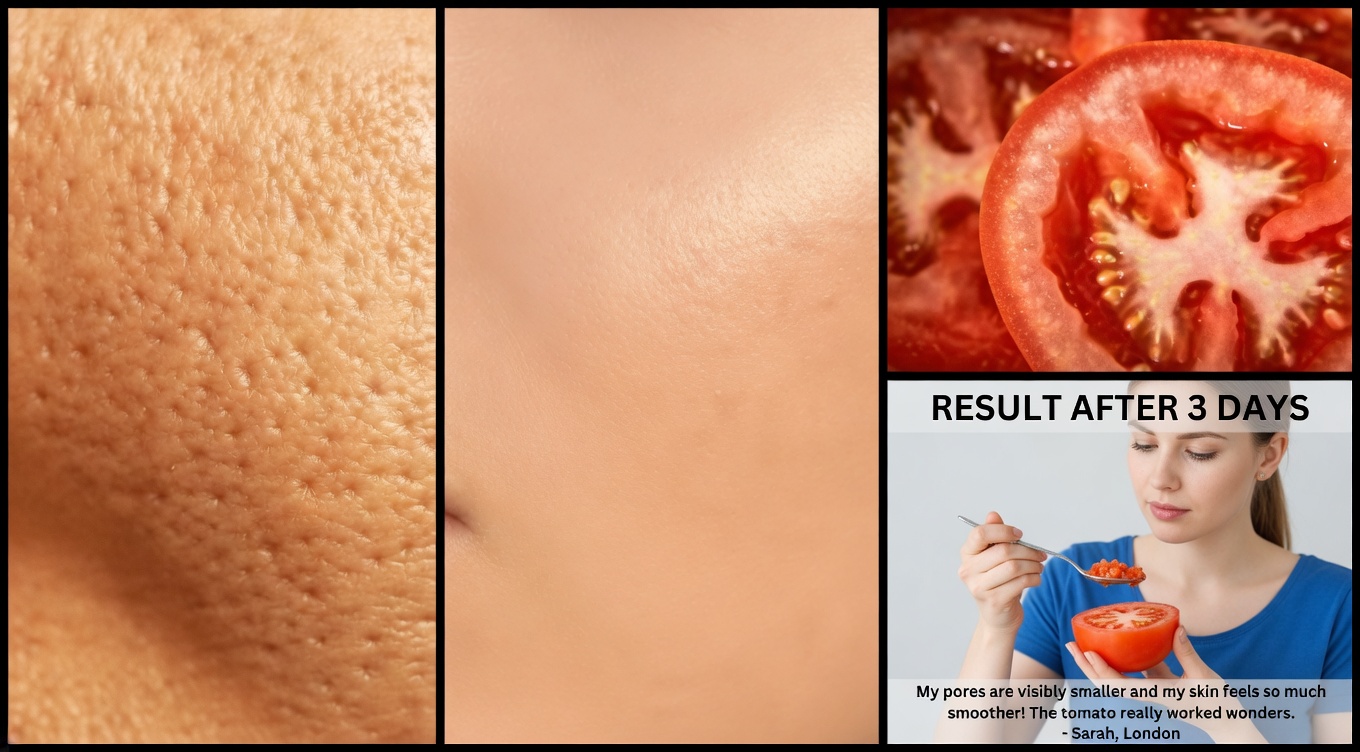
Enlarged pores often look worse when excess oil builds up, especially in the T‑zone. Advocates of the tomato and toothpaste face mask say it helps by:
- Soaking up shine
- Making skin feel matte
- Minimizing the look of pores (temporarily)
Toothpaste is indeed drying—but that’s exactly the problem. On skin over 45, overly aggressive oil control can lead to:
- A dehydrated surface that looks dull and rough
- Rebound oiliness as the skin tries to compensate
- More visible texture, dark spots, and facial hair under makeup
So while your face may feel matte for an hour or two, the long-term effect can be a disrupted skin barrier, which often worsens the very concerns you hoped to fix.
Tomato Benefits on Their Own vs. Risks When Mixed With Toothpaste
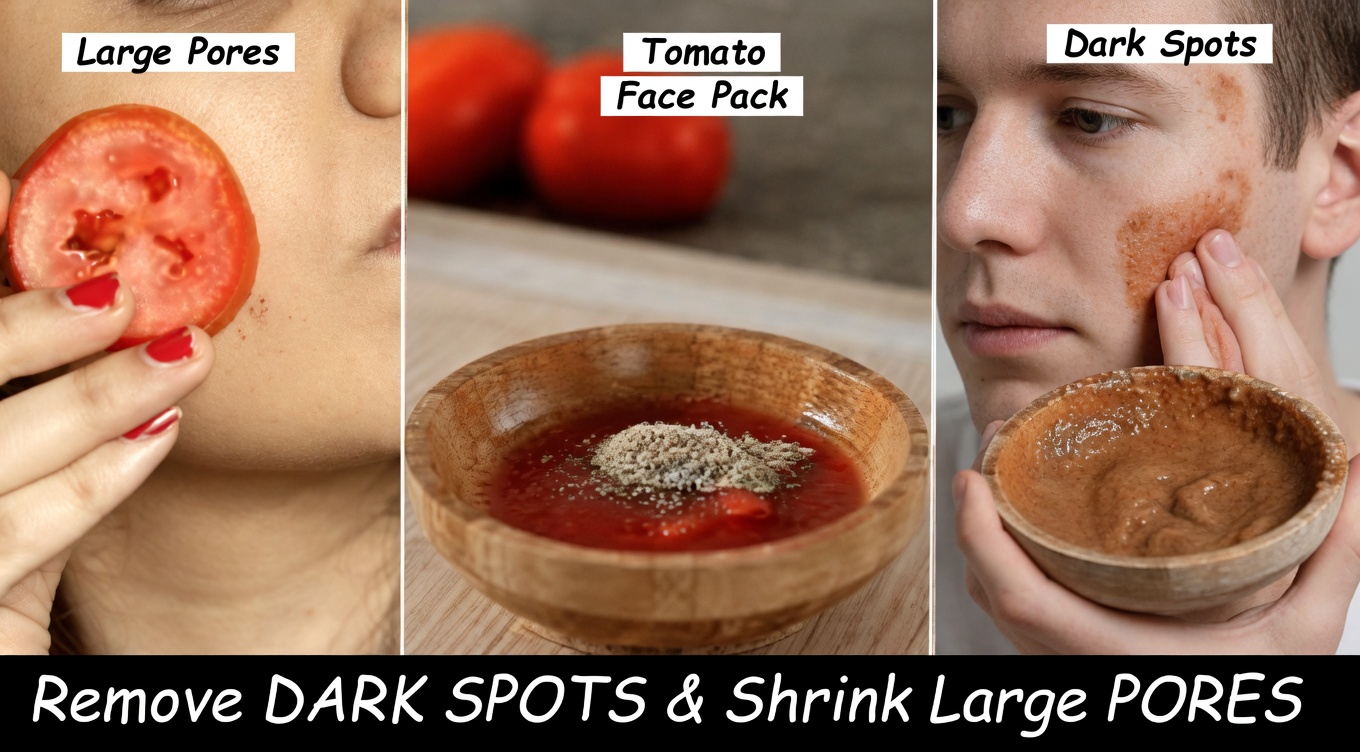
Tomatoes do have some skin-friendly components:
- Antioxidants like lycopene
- Natural acids that may mildly brighten uneven tone
- Vitamin C that can support a more radiant look over time
Used carefully and on their own, tomato-based DIYs can sometimes offer gentle benefits. But when combined in a tomato and toothpaste face mask, the toothpaste side of the mix becomes the bigger issue.
Dermatologists frequently warn that toothpaste:
- Can cause burning or stinging
- May damage the skin barrier
- Is not tested or approved for facial use
Even though the tomato and toothpaste face mask is low-cost, large pores, dark spots, and unwanted facial hair typically need gentler, more targeted solutions that do not inflame mature skin.
Why This Mask Is Especially Risky for Unwanted Facial Hair Areas
Unwanted facial hair—on the upper lip, chin, or jawline—can make lipstick, foundation, and close interactions feel uncomfortable. Some people claim the tomato and toothpaste face mask:
- Softens peach fuzz
- Slightly lightens hair
- Makes hair less noticeable
But the sensitive upper-lip area and chin are easily irritated. Toothpaste’s abrasiveness and intense ingredients can:
- Trigger redness and swelling
- Cause burning or flaking
- Draw even more attention to the hair and surrounding skin
The tomato and toothpaste face mask is not a proven hair-removal or hair-reducing method, and the risk of inflamed, angry skin in these delicate zones is high.
How the Tomato and Toothpaste Face Mask Compares to Safer Options
Below is a comparison of the tomato and toothpaste face mask and more skin-friendly alternatives often recommended by dermatologists:
| Aspect | Tomato and Toothpaste Face Mask | Dermatologist-Recommended Treatments | Gentle Commercial Serums |
|---|---|---|---|
| Key Components | Tomato acids + toothpaste abrasives | Vitamin C, niacinamide, retinoids (as appropriate) | Hyaluronic acid, peptides, soothing botanicals |
| Effect on Skin | Temporary matte feel; possible irritation | Targets dark spots, pores, and hair with controlled dosing | Hydrates, plumps, and subtly brightens |
| Safety for Mature Skin | High risk of dryness, redness, barrier damage | Formulated and tested for facial use | Often designed for sensitive or aging skin |
| Cost per Use | Very low | Moderate but often cost-effective long term | Variable, frequently higher per bottle |
The tomato and toothpaste face mask wins on simplicity and price, but evidence-based, professionally formulated products are far safer for addressing large pores, dark spots, and unwanted facial hair as skin matures.
If You Still Want to Experiment: Safer Ways to Approach the Trend
If you are still curious about the tomato and toothpaste face mask, proceed with extreme caution—especially after 45. Consider these safeguards:
- Talk to a dermatologist first. Discuss your skin type, medications, and existing conditions before applying any toothpaste to your face.
- Never use it daily. Repeated use greatly increases the chance of irritation and barrier damage.
- Patch test for 48 hours. Apply a tiny amount of the mixture to your inner wrist or behind your ear and wait two full days to check for redness, burning, or itching.
- Limit contact time. If you proceed, use a very thin layer for no more than 5 minutes, avoiding the eye area and lips entirely.
- Moisturize and protect. Rinse thoroughly, apply a rich moisturizer, and wear sunscreen the next day to shield sensitized skin.
Additional precautions:
- Use only plain white, non-gel toothpaste if you insist on trying the mask.
- Do not apply the tomato and toothpaste face mask on broken skin, active acne, or areas with cuts.
- Stop immediately if you notice burning, stinging, or redness.
- Consider using mashed tomato alone as a much gentler DIY option, without adding toothpaste.
FAQ: Tomato and Toothpaste Face Mask and Mature Skin
Can the tomato and toothpaste face mask really shrink large pores or fade dark spots?
Some women over 45 describe a temporary tightening sensation after using the tomato and toothpaste face mask, but dermatologists agree that any benefit is minimal and short-lived. The potential harm—including dryness, redness, and barrier damage—generally outweighs the mild, temporary improvements in pore appearance or dark spots.
Is the tomato and toothpaste face mask safe to use on areas with unwanted facial hair?
Experts typically discourage using the tomato and toothpaste face mask for unwanted facial hair, especially on sensitive upper-lip or chin areas. Toothpaste is likely to irritate mature skin, which can make hair and surrounding redness more noticeable instead of less.
What should women over 45 do instead of using the tomato and toothpaste face mask?
The best approach is to consult a dermatologist for proven treatments tailored to your concerns—whether that’s large pores, dark spots, or facial hair. Options may include prescription creams, professional peels, laser treatments, gentle retinoids, or safe hair-removal methods that do not carry the same irritation risks as the tomato and toothpaste face mask.
Final Thoughts on the Tomato and Toothpaste Face Mask Trend
The tomato and toothpaste face mask keeps circulating online as a quick, do-it-yourself fix for women over 45 who are tired of large pores, dark spots, and unwanted facial hair stealing their confidence. While the appeal is understandable, the reality is that toothpaste is not designed for facial skin, especially not for mature, more delicate complexions.
Before following any viral trend, prioritize your skin’s long-term health. Work with gentle, evidence-based products and professional guidance, and you are far more likely to see steady, lasting improvements in clarity, tone, and texture—without the setbacks of irritation and damage.