Olive Leaf Benefits for Immune Support and Everyday Wellness
Modern life can make it difficult to maintain a strong immune system and steady overall health. Constant pressure, environmental exposure, and less-than-ideal eating habits often leave people feeling drained and looking for natural ways to support the body. For those interested in holistic wellness, olive leaf has become an herb worth exploring.
Beyond its traditional use, natural health educator Barbara O’Neill has also drawn attention to olive leaf as a simple but valuable botanical. Her perspective has encouraged many people to take a closer look at this often-overlooked part of the olive tree.
What Is Olive Leaf?
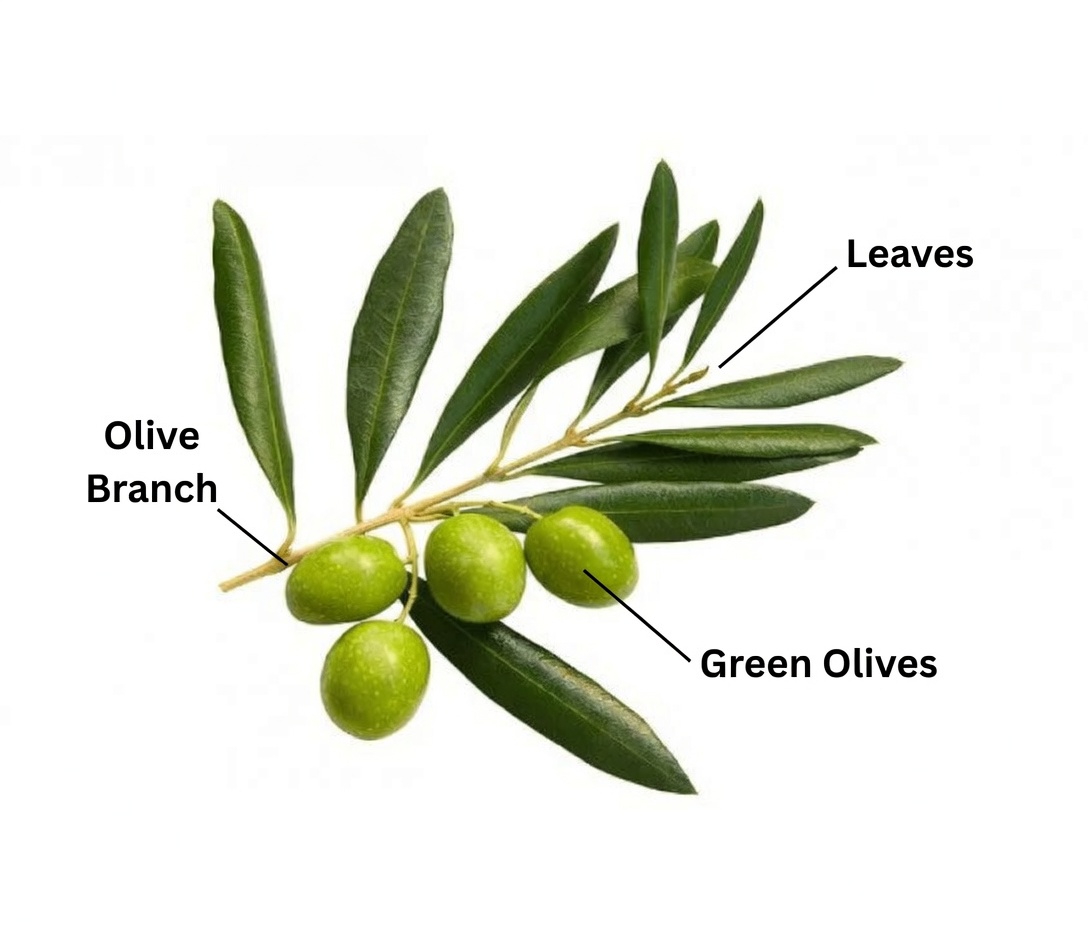
Olive leaf is taken from the olive tree, or Olea europaea, a plant cultivated for thousands of years throughout the Mediterranean. Although olives and olive oil are widely known, the leaves themselves have a long history in traditional herbal practices.
Ancient cultures such as the Greeks and Egyptians reportedly used olive leaves in remedies associated with strength, vitality, and general well-being. Historical records and herbal traditions describe the leaves being prepared as teas, infusions, and extracts to help support health naturally.
Today, olive leaf continues to attract attention because of its naturally occurring plant compounds, especially one in particular: oleuropein. This bitter-tasting polyphenol is considered the main active constituent and is one of the biggest reasons olive leaf is studied in modern wellness research.
Important Compounds Found in Olive Leaf
The best-known compound in olive leaf is oleuropein, a powerful polyphenol with antioxidant activity. Antioxidants help protect the body from oxidative stress, which happens when free radicals build up faster than the body can neutralize them. Over time, that imbalance may affect cellular health.
Scientific publications, including studies in the Journal of Medicinal Food, suggest that oleuropein may help support the body’s natural protective processes. When oleuropein is broken down, it produces another notable compound called hydroxytyrosol, which has also been investigated for its health-supportive properties.
Research featured in the International Journal of Molecular Sciences has explored how these compounds may affect inflammatory pathways in laboratory settings. While more human-based research is still needed, the early findings are encouraging.
Main compounds at a glance
- Oleuropein: Known for strong antioxidant potential
- Hydroxytyrosol: Studied for possible cardiovascular support
- Other polyphenols: May contribute to general immune and wellness support
These compounds are a major reason olive leaf remains popular in natural health discussions.
Barbara O’Neill’s View on Olive Leaf
Barbara O’Neill, known for promoting natural health education, has spoken about olive leaf in lectures and written materials. She often presents it as a traditional herb that can fit into a balanced and health-conscious lifestyle.
One of her key messages is simplicity. Rather than making wellness routines overly complicated, she encourages practical home use, such as drying olive leaves and brewing them as tea. In her view, herbs like olive leaf may help support the body in a gentle and accessible way.
Her approach is centered on informed self-care. O’Neill frequently emphasizes the importance of learning about natural remedies so people can make thoughtful choices. Although her perspective is based largely on traditional use and observation, it reflects the broader interest in plant-based wellness support.
How Olive Leaf May Help Support Immune Function
A well-functioning immune system is essential for daily health. Early research suggests that olive leaf extract may help support immune health, partly because of its antimicrobial properties.
For example, studies published in Phytotherapy Research have examined how olive leaf compounds interact with common microbes in laboratory testing. These results suggest possible inhibitory activity, which helps explain why olive leaf has gained attention in natural health circles.
Even so, olive leaf should not be viewed as a quick solution. Like many herbal approaches, it is best considered part of a consistent wellness routine. Some people say they feel more energetic after adding olive leaf to their daily habits, although results can vary from person to person.
Practical tips for beginners
- Start with a small amount, such as one cup of olive leaf tea per day
- Pay attention to how you feel over the course of a week
- Pair olive leaf with a nutrient-dense diet for better overall support
These simple steps can make it easier to introduce olive leaf gradually.
Olive Leaf and Antioxidant Protection
Antioxidants play a key role in defending cells against free radical damage. Because olive leaf contains a rich range of antioxidant compounds, it is often chosen by people seeking natural support for long-term wellness.
A review published in Nutrients discussed how Mediterranean-style diets, which commonly include olive-based foods and plant compounds, are linked with favorable health outcomes. While this does not prove direct cause and effect, it does strengthen interest in the health potential of olive-derived substances.
There is also an environmental angle worth noting. Olive trees are resilient and long-living, and using their leaves can support more sustainable plant use rather than letting that part of the crop go to waste.
One important reminder
- Choose high-quality olive leaf products from trusted suppliers
- Look for brands that prioritize purity and proper processing
Quality matters when using any herbal product.
How to Prepare Olive Leaf at Home
Using olive leaf is relatively simple. If you have access to an olive tree, you can collect fresh leaves yourself. Otherwise, dried olive leaf is widely available through reputable retailers.
Drying fresh olive leaves
If you want to prepare your own leaves, follow these steps:
- Rinse the leaves with cool water to remove dirt or dust.
- Gently pat them dry using a clean towel.
- Arrange them in a single layer on a tray or screen.
- Place them in a warm, dry area out of direct sunlight.
- Let them dry for 3 to 5 days, turning them occasionally.
- Once crisp, store them in an airtight container.
This simple method helps preserve the leaf’s natural compounds.
Making olive leaf tea
Tea is one of the easiest ways to use olive leaf at home.
- Bring 1 cup of water to a boil.
- Add 1 to 2 teaspoons of dried olive leaf.
- Let it steep for 5 to 10 minutes.
- Strain and drink while warm.
For added flavor, you can include:
- A slice of lemon
- A small amount of honey
Olive leaf extract supplements
If tea is not your preference, olive leaf is also available in capsules and liquid extracts. A common recommendation is to look for products standardized to 20% oleuropein for more consistent potency.
Typical label directions often suggest around 500 mg once or twice daily, but product strengths can differ.
Before adding any new herbal supplement to your routine, it is best to speak with a healthcare professional.
Olive Leaf Compared With Other Popular Herbs
To better understand olive leaf’s place among natural remedies, here is a simple comparison with several other herbs often used for wellness support.
| Herb | Key Compound | Potential Support Area | Common Form |
|---|---|---|---|
| Olive Leaf | Oleuropein | Immune support, antioxidant activity | Tea, extract |
| Echinacea | Alkylamides | Immune support | Tincture |
| Elderberry | Anthocyanins | Respiratory wellness | Syrup |
| Garlic | Allicin | Antimicrobial support | Fresh cloves, capsules |
This comparison highlights olive leaf’s unique focus on antioxidant and immune-related support.
Safety Considerations
Olive leaf is generally considered well tolerated, but it may not be suitable for everyone. In some cases, it can interact with medications, especially those related to blood pressure.
Use caution if you:
- Take blood pressure medication
- Have an underlying medical condition
- Are pregnant or breastfeeding
Because research is still limited in certain populations, professional guidance is recommended before regular use.
Possible side effects
Side effects tend to be uncommon and usually mild. Some people may notice:
- Mild stomach discomfort
- Digestive upset, especially when taken on an empty stomach
Taking olive leaf with food may help reduce discomfort.
Final Thoughts on Olive Leaf Benefits
Olive leaf is an appealing herbal option for people who want to support wellness naturally. Its long history in traditional use, combined with growing scientific interest, makes it a compelling addition to a holistic health routine.
Whether used as a tea or in extract form, olive leaf offers a simple way to explore plant-based support for immune health and antioxidant protection. Barbara O’Neill often refers to it as a hidden treasure in nature’s medicine cabinet, encouraging people to learn more about it and use it mindfully as part of a balanced lifestyle.
Frequently Asked Questions
What are the main researched benefits of olive leaf?
Current studies suggest olive leaf may help support immune function and provide antioxidant benefits. However, more human clinical research is needed before firm conclusions can be made.
How can olive leaf be used at home?
The most common home method is tea. Dried olive leaves can be steeped in hot water for 5 to 10 minutes. Olive leaf is also available as capsules or liquid extracts.
Is olive leaf safe for everyone?
Not always. People who take medication, especially for blood pressure, or those who are pregnant or breastfeeding should speak with a healthcare professional before using olive leaf regularly.