
Why You Keep Waking Up to Urinate at Night
Getting up to urinate during the night can turn healthy sleep into a cycle of interruptions that leaves you drained by morning. Repeated wake-ups at 1 AM, 3 AM, or 5 AM can feel frustrating, embarrassing, and discouraging. Many people assume this is just part of getting older or think the bladder is the only cause, which often prevents them from looking for practical solutions. In reality, the body systems involved are more connected than most people realize, and a few simple changes may help you sleep more soundly.

Why It Happens Even When You Barely Drink Before Bed
If you are waking up to urinate at night even though you avoid drinking much in the evening, the reason may not be your bedtime water intake alone. In many cases, the issue is tied to how your body handles fluid that has collected throughout the day. That means the problem may begin long before bedtime, even if you are careful with what you drink at night.
This can be especially exhausting because every trip to the bathroom disrupts your sleep rhythm, making it harder to fall back asleep and increasing fatigue, irritability, and stress the next day.
The Overlooked Connection Between Your Legs and Nighttime Urination
Your legs may be playing a much bigger role than you think. If you spend a lot of time sitting or standing, fluid can collect in your lower body during the day because of gravity and circulation patterns. By evening, this may cause a heavy or slightly swollen feeling in the legs and feet.
Once you lie down to sleep, that stored fluid begins to move back into the bloodstream. Your kidneys then filter it, which increases urine production overnight. This is one major reason people wake up to urinate at night more often than expected.
Research related to circulation and aging shows that this fluid shift becomes more common after age 50. The encouraging part is that once you understand this pattern, you can take steps to reduce its impact.

How Circulation Can Increase Nighttime Bathroom Trips
Poor circulation can make nighttime urination more likely. When blood flow is less efficient, more fluid can remain trapped in the tissues of the lower legs during the day. Later, when your body is horizontal in bed, that fluid is reabsorbed and processed by the kidneys.
The result is simple: more fluid enters circulation at night, and your body responds by producing more urine while you are trying to sleep. This is why the problem can feel so persistent, even when you are not drinking much in the evening.
Hormones Also Influence How Much Urine You Make at Night
Another important factor is hormone balance, especially antidiuretic hormone, or ADH. This hormone helps the body reduce urine production during sleep. As people age, ADH levels may decrease, which means the kidneys may produce more urine overnight than they used to.
This shift can turn what should be a full night of rest into several separate wake-ups. Although these hormonal changes are often considered a normal part of aging, being aware of them can help you make better lifestyle choices to manage the problem.

Common Reasons You May Be Waking Up to Urinate at Night
Here is a quick comparison of the most common contributing factors:
| Possible Cause | What Happens in the Body | Common Sign |
|---|---|---|
| Fluid retention | Fluid builds up in the legs during the day | Swollen or puffy legs by evening |
| Poor circulation | Blood flow slows and fluid stays in tissues | Heavy, tired, or achy legs |
| Hormonal changes | Lower nighttime ADH increases urine output | More urine production during sleep |
| Evening habits | Sleep and bladder stimulation increase wake-ups | Frequent bathroom trips after bedtime |
This breakdown shows that nighttime urination is often caused by several overlapping factors rather than one single issue.
Evening Habits That May Make the Problem Worse
What you do before bed can strongly affect how often you wake up at night. Some habits may quietly make the problem worse without being obvious at first.
Common triggers include:
- Drinking caffeine late in the day
- Having alcohol in the evening
- Eating salty meals at night
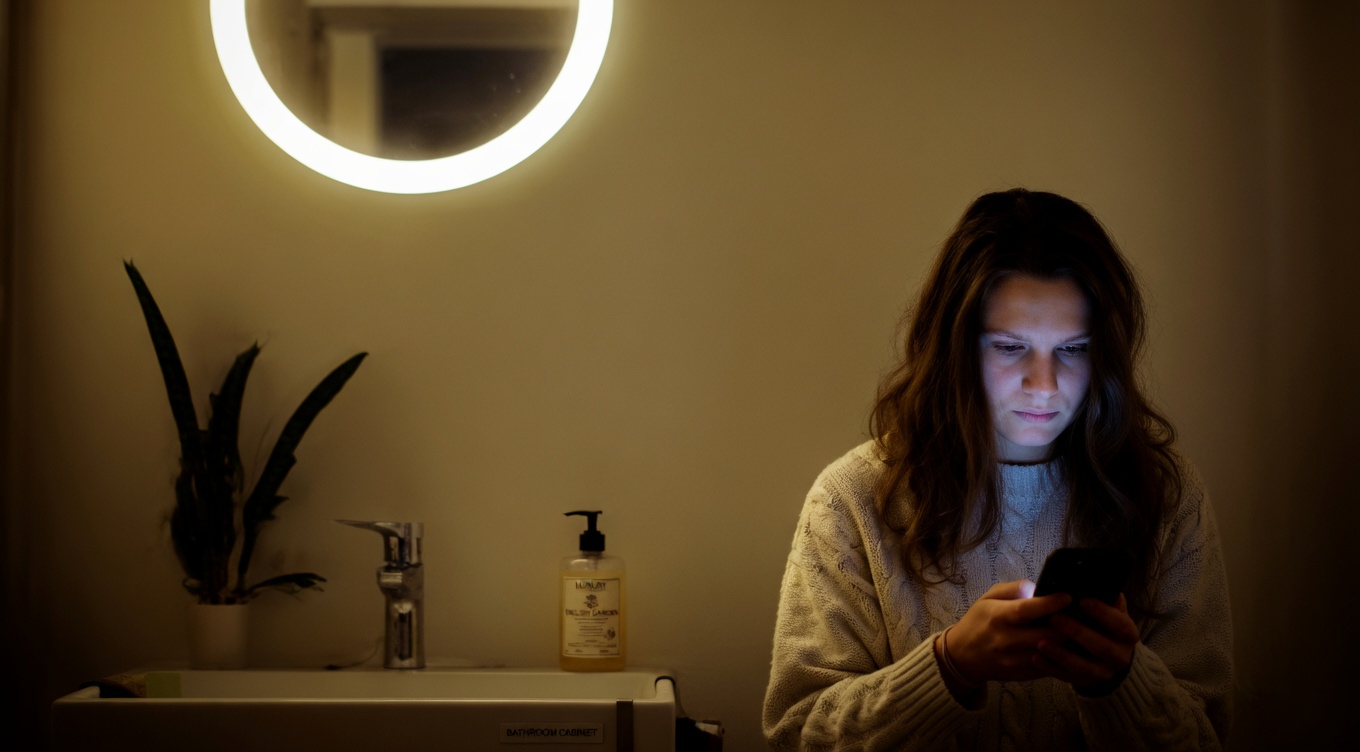
- Using your phone or other screens right up until bedtime
- Drinking most of your fluids too late in the day
These habits can either increase urine production, irritate the bladder, or reduce sleep quality. When sleep becomes lighter, you are also more likely to notice bladder signals and wake up more easily.

Simple Steps You Can Start Today
The good news is that there are practical ways to reduce nighttime urination and support better sleep. Small daily adjustments can make a meaningful difference.
Try these habits:
- Elevate your legs for 20 to 30 minutes in the late afternoon or early evening to help move fluid before bedtime.
- Reduce fluid intake two to three hours before sleep and drink more earlier in the day instead.
- Create a calming bedtime routine, such as reading, stretching, or deep breathing.
- Avoid caffeine and alcohol after midday, since both can affect the bladder and sleep quality.
- Stay physically active during the day with walking or gentle exercise to improve circulation.
These strategies are simple, realistic, and focused on the underlying causes rather than just the symptom.
Why Daytime Movement Matters
Regular movement can be especially helpful if fluid retention in the legs is contributing to the problem. Walking, stretching, or light exercise supports circulation and helps prevent fluid from pooling in the lower body.
Over time, better circulation may reduce the amount of fluid your body needs to process once you lie down at night. This makes daytime activity an effective and natural way to support fewer bathroom trips and better rest.
Consistency matters. Even small amounts of daily movement can help when practiced regularly.
When You Should Talk to a Healthcare Professional
Lifestyle changes help many people, but there are times when medical advice is important. You should speak with a healthcare provider if:
- You wake up more than three times a night regularly
- Urination is painful
- You feel extreme fatigue during the day
- Symptoms suddenly worsen
- You notice swelling, unusual thirst, or other concerning changes
A healthcare professional can rule out other causes and suggest treatment tailored to your needs.
FAQ About Waking Up to Urinate at Night
Is it normal to urinate more often at night as you get older?
It becomes more common with age, but that does not mean you have to simply live with poor sleep. Understanding the causes can help you manage it more effectively.
How many times per night is too much?
Waking up once occasionally may not be a major concern, but waking up more than once or twice on a regular basis can affect sleep quality and energy levels.
Can food and lifestyle really make a difference?
Yes. Salt intake, the timing of fluids, physical activity, caffeine, alcohol, and sleep habits can all influence how often you wake up to urinate at night.
Conclusion
Waking up to urinate at night is not always just a bladder issue. Fluid buildup in the legs, poor circulation, hormone changes, and evening habits can all contribute to the problem. Once you understand these connections, it becomes easier to make smart, simple changes that support deeper and more restful sleep.
Start with small steps, stay consistent, and pay attention to how your body responds. Even modest adjustments can lead to better nights and more energy during the day.