Waking Up to a Wet Pillow? Why Nighttime Drooling After 40 Deserves Attention
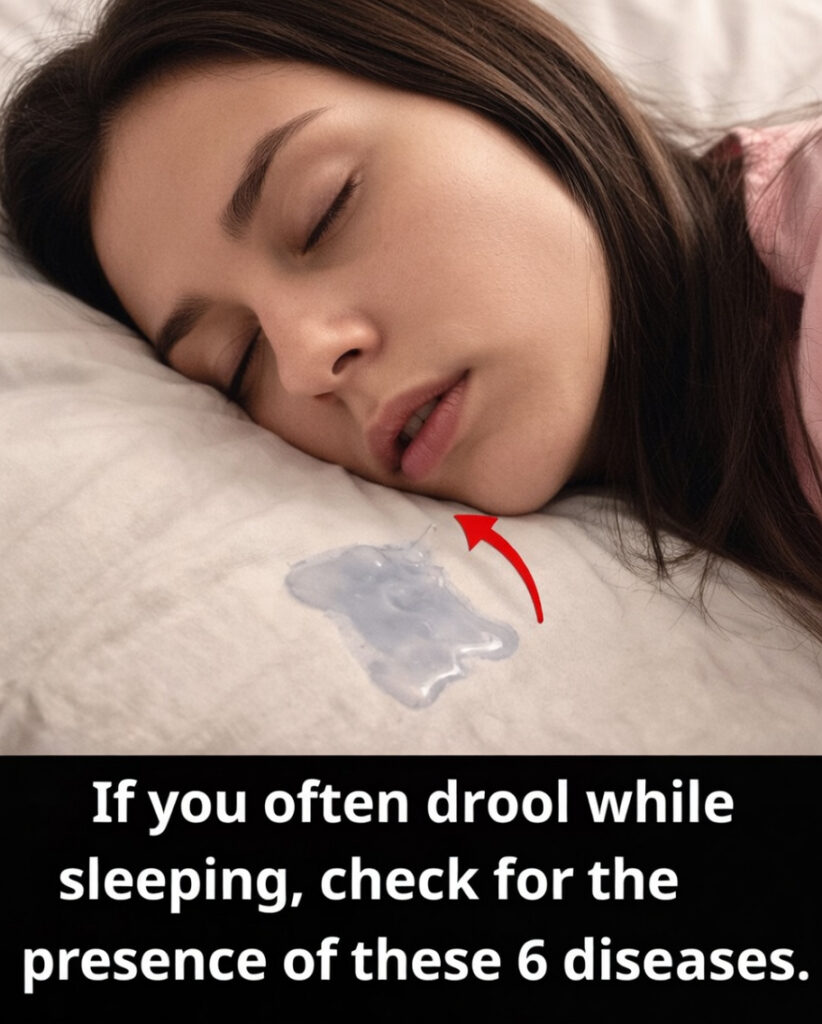
You open your eyes and feel that familiar cool, damp patch on the pillow again. Another night of interrupted sleep, another morning that starts with discomfort, frustration, and maybe a bit of embarrassment. Over time, nighttime drooling can affect more than your pillowcase. It can drain your energy, disrupt your rest, and make mornings feel far less refreshing than they should.
The good news is that this is often not random. In many cases, drooling during sleep is your body’s quiet way of pointing to manageable issues in your breathing, digestion, sleep habits, or oral health. Once you understand the likely causes, it becomes much easier to take practical steps toward drier, better mornings.
The Common Experience of Nighttime Drooling After 40
After age 40, many people notice subtle changes in the way they sleep. These shifts are often dismissed as a normal part of getting older, but they can include a real increase in saliva collecting overnight. That can lead to wet pillows, a bad taste in the mouth when you wake up, skin irritation, and lighter, more broken sleep.
Saliva is essential throughout the day because it helps protect the mouth and supports digestion. At night, however, the balance can change. Swallowing naturally slows during sleep, and if your breathing pattern changes or your mouth stays open, saliva can escape more easily.
Many people try simple fixes like turning the pillow over or avoiding drinks late in the evening. While those ideas may help a little, they usually do not address the underlying cause.
What Causes More Drooling During Sleep?
Nighttime drooling, also called sialorrhea, usually happens for one of two reasons:
- Your body is producing more saliva than usual.
- You are not swallowing saliva as effectively during sleep.
Both can happen together. Mouth breathing, relaxed jaw muscles, and deeper sleep stages often make drooling worse. Research suggests that around 10% to 20% of adults experience this regularly, and it is often linked to common daily health factors rather than one single explanation.
A useful question to ask yourself is this: How easily can you breathe through your nose once you lie down? That one clue can reveal a lot.
Imagine being 48, balancing work, family, and daily responsibilities, only to wake up every morning with the same damp reminder that something is off. The encouraging part is that early attention to the triggers can make a meaningful difference.
Condition #1: Sleep Apnea and Mouth Breathing
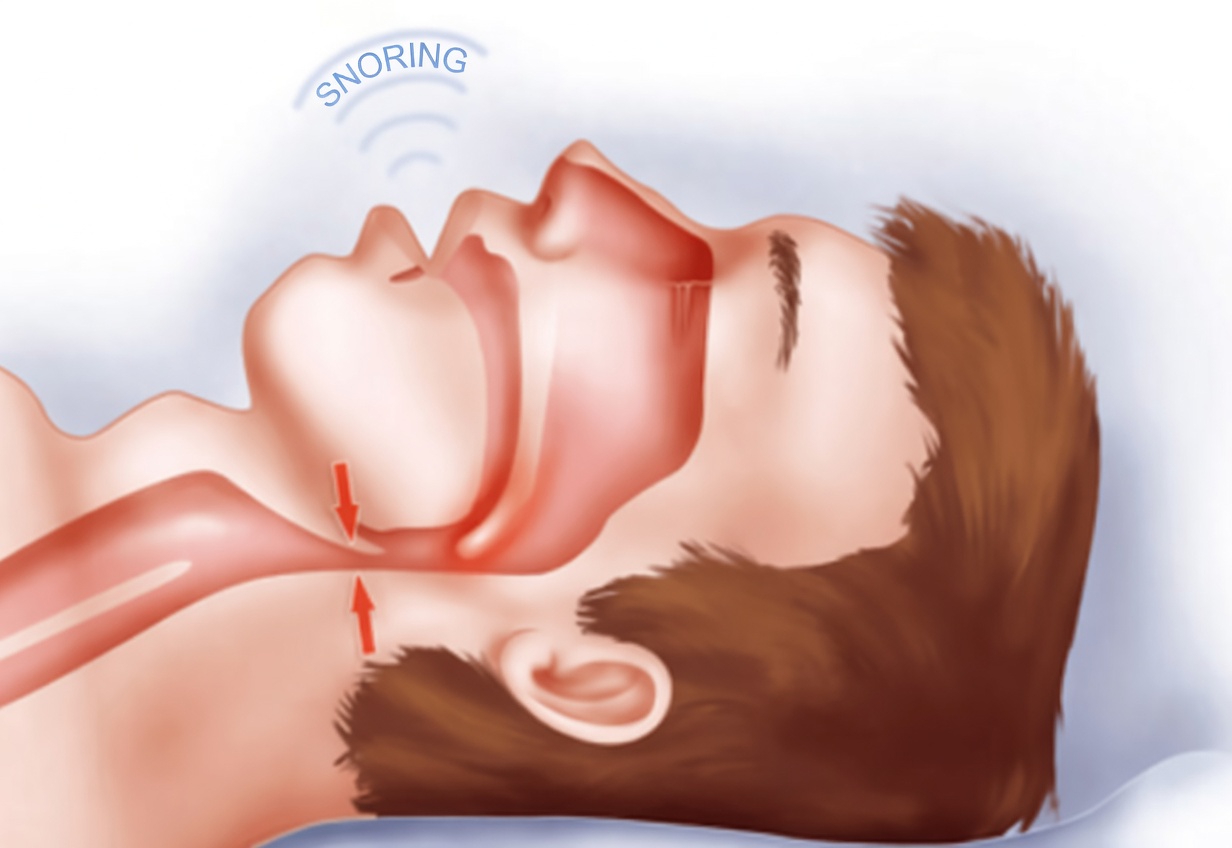
One of the most common reasons for drooling at night is sleep apnea. When breathing repeatedly pauses during sleep, people often end up breathing through the mouth. Once the mouth stays open, saliva can leak out much more easily.
A 55-year-old driver described waking up exhausted after nights of gasping, snoring, and soaked pillows. After speaking with his doctor and making a few targeted changes, he noticed less dryness, less drooling, and a clear boost in daytime energy.
Studies show that 50% to 70% of people with sleep apnea also report more drooling at night. When the breathing issue is managed, drooling often improves as well.
Ask yourself to rate your daytime fatigue from 1 to 10. If your score is above 6, it may be worth mentioning during a medical visit.
Condition #2: Acid Reflux and Extra Saliva Production
When stomach acid rises into the esophagus during the night, the body may respond by creating extra saliva to protect irritated tissues. That protective response is helpful, but if you are lying flat, the added saliva may pool and spill out.
A 49-year-old teacher noticed a sour taste in her mouth and increasing pillow dampness most mornings. Once she changed the timing of her evening meals, her sleep became more comfortable and the problem started to ease.
Research indicates that up to 60% of people with reflux experience this excess saliva response. For many, lifestyle adjustments are the first step.
A simple strategy is to finish your last meal at least three hours before bedtime. That alone can reduce overnight reflux for some people.
Condition #3: Allergies or Sinus Congestion
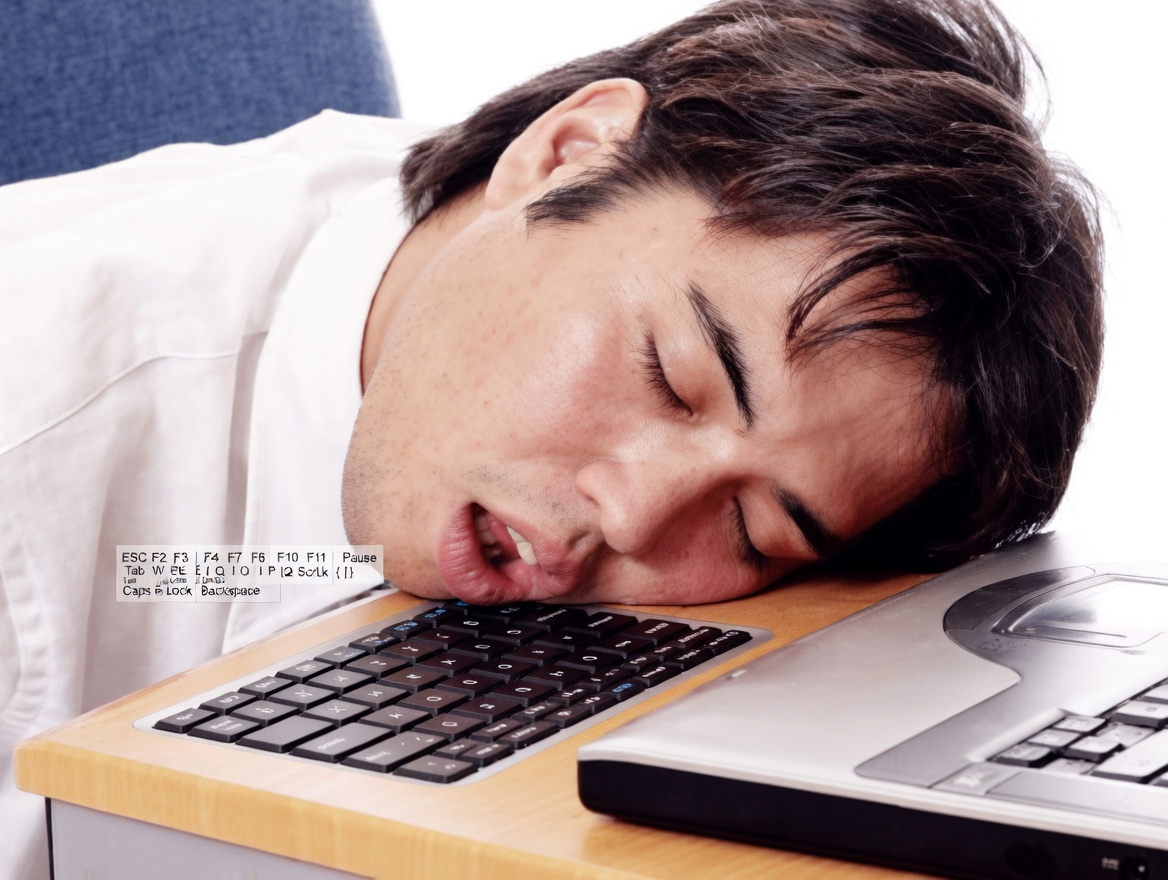
Blocked nasal passages often force you to breathe through your mouth. When that happens, saliva has a much easier path out during sleep. Seasonal allergies, chronic sinus irritation, dry indoor air, and dust exposure can all contribute to this cycle without being immediately obvious.
Many people find that a saline nasal rinse before bed helps open the airways naturally and supports nose breathing overnight.
Condition #4: Dental Problems or Jaw Alignment Changes
Your bite and jaw position matter more than many people realize. Crooked teeth, new dentures, jaw misalignment, or even nighttime grinding can make it harder for the lips to stay comfortably closed while you sleep. That poor seal can lead to more drooling.
A 55-year-old accountant noticed a clear improvement after a dental exam revealed a bite issue. Once his alignment was adjusted, his mornings became noticeably more comfortable.
Some findings suggest that problems with bite alignment may play a role in about 30% of similar cases.
Quick Check-In: How Often Is Your Pillow Damp?
Take a moment to think about your own experience. On a scale from 1 to 10, how often are you waking up with pillow dampness now? Becoming more aware of the pattern is often the first useful step.
Four More Triggers You Should Know
Beyond breathing, reflux, and dental issues, several other factors are frequently associated with nighttime drooling:
- Neurological changes that affect muscle control or swallowing
- Mouth or throat infections that temporarily increase saliva production
- Certain medications that list increased salivation as a side effect
- Stress or hormonal changes that may stimulate the salivary glands during the night
Research continues to show that noticing these patterns early can help people have more productive conversations with their healthcare provider.
Practical Steps You Can Try Tonight
If you want simple actions that fit into real life, start here:
- Raise the head of your bed by 6 to 8 inches or use a wedge pillow to reduce reflux
- Try nasal strips or a saline rinse before bed to encourage nasal breathing
- Review your medications with a healthcare professional to see whether drooling could be a side effect
- Include gut-friendly foods such as plain yogurt or fermented vegetables in your evening routine if digestion seems to be part of the problem
Try tracking your habits for seven nights. Write down what you changed and what you noticed. Many people begin to see small but meaningful improvements within a couple of weeks.
What Often Happens Over Time
Here is a simple timeline of how things may develop depending on whether the issue is ignored or addressed early:
| Time Period | If You Ignore It | If You Make Simple Daily Changes |
|---|---|---|
| 1–4 weeks | Symptoms often continue | Early signs of drier mornings may appear |
| 4–8 weeks | Fatigue may become more noticeable | Dry nights may happen more consistently |
| 8–12 weeks | Other sleep-related issues can develop | Overall sleep comfort often improves |
| 12+ weeks | The pattern may become long-term | A more refreshed feeling can be sustained |
Comparing Common Causes of Nighttime Drooling
| Trigger | How Common | How Quickly It May Improve | Suggested Action Level |
|---|---|---|---|
| Sleep apnea / acid reflux | High | Often within weeks | High |
| Allergies / dental issues | Common | Days to weeks | Medium |
| Neurological issues / digestive factors | Variable | Best addressed early | Very high |
| Medications / stress | Temporary in some cases | After review or discussion | Medium |
A Simple Plan for Drier, Better Mornings
Start with just one adjustment tonight. You might elevate your head, use a saline rinse, or pay closer attention to meal timing. Small changes, repeated consistently, often have the biggest impact over time.
If someone you know often jokes about waking up with a wet pillow, this information may help them too. What seems minor on the surface can sometimes be a useful clue about sleep quality, breathing, or digestion.
Your body is not necessarily signaling a crisis. More often, it is offering a quiet reminder to pay attention.
Frequently Asked Questions
Is drooling during sleep always a serious problem?
No. In many cases, it is related to common issues such as sleep position, congestion, or mild reflux. Still, if it happens often or comes with other symptoms, it is wise to discuss it with a doctor.
Can sleep position really help reduce drooling?
Yes. Sleeping on your side with good pillow support and slightly elevating your head can reduce mouth breathing and help limit saliva leakage overnight.
When should I speak with a healthcare professional?
It is a good idea to bring it up if drooling happens on most nights or if it comes with symptoms such as snoring, heartburn, daytime fatigue, choking sensations, or other noticeable changes.
Final Takeaway
Nighttime drooling is often less of an emergency and more of a message. It may reflect changes in breathing, digestion, congestion, dental alignment, medication use, or sleep quality. Paying attention early, making a few smart adjustments, and seeking medical guidance when needed can help you wake up feeling drier, more comfortable, and more energized.
This article is for informational purposes only and is not a substitute for professional medical advice. Please consult your healthcare provider for personal guidance, especially if drooling continues or occurs alongside other symptoms.