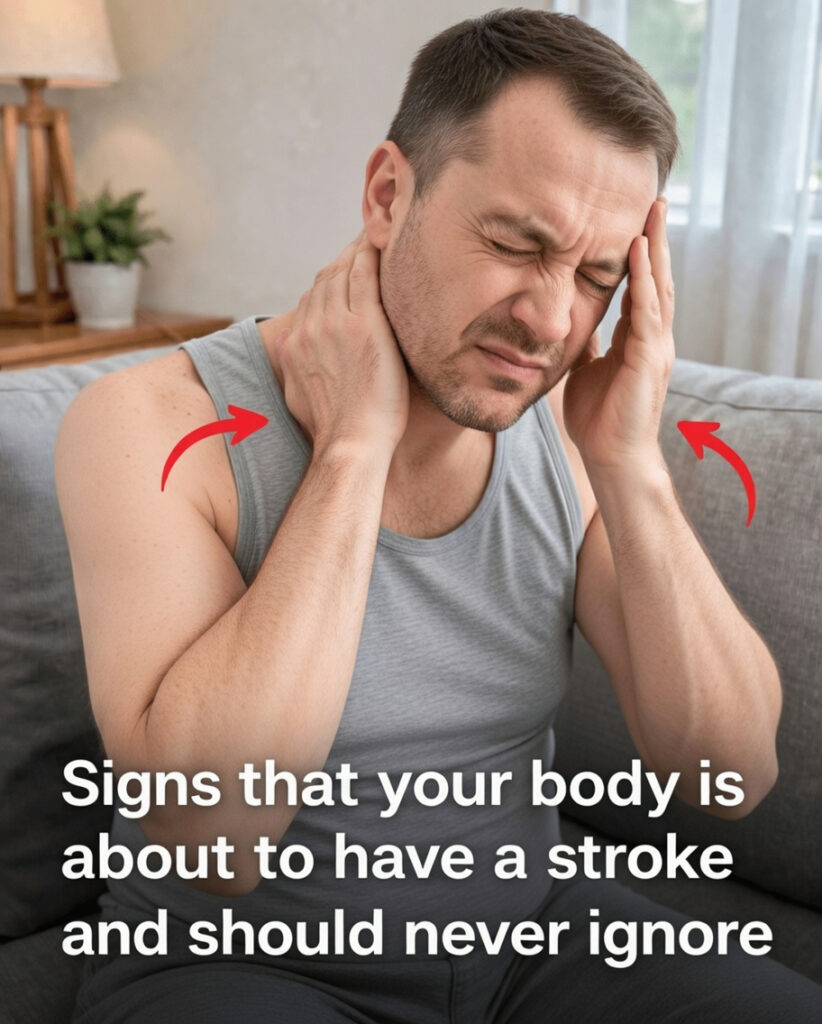
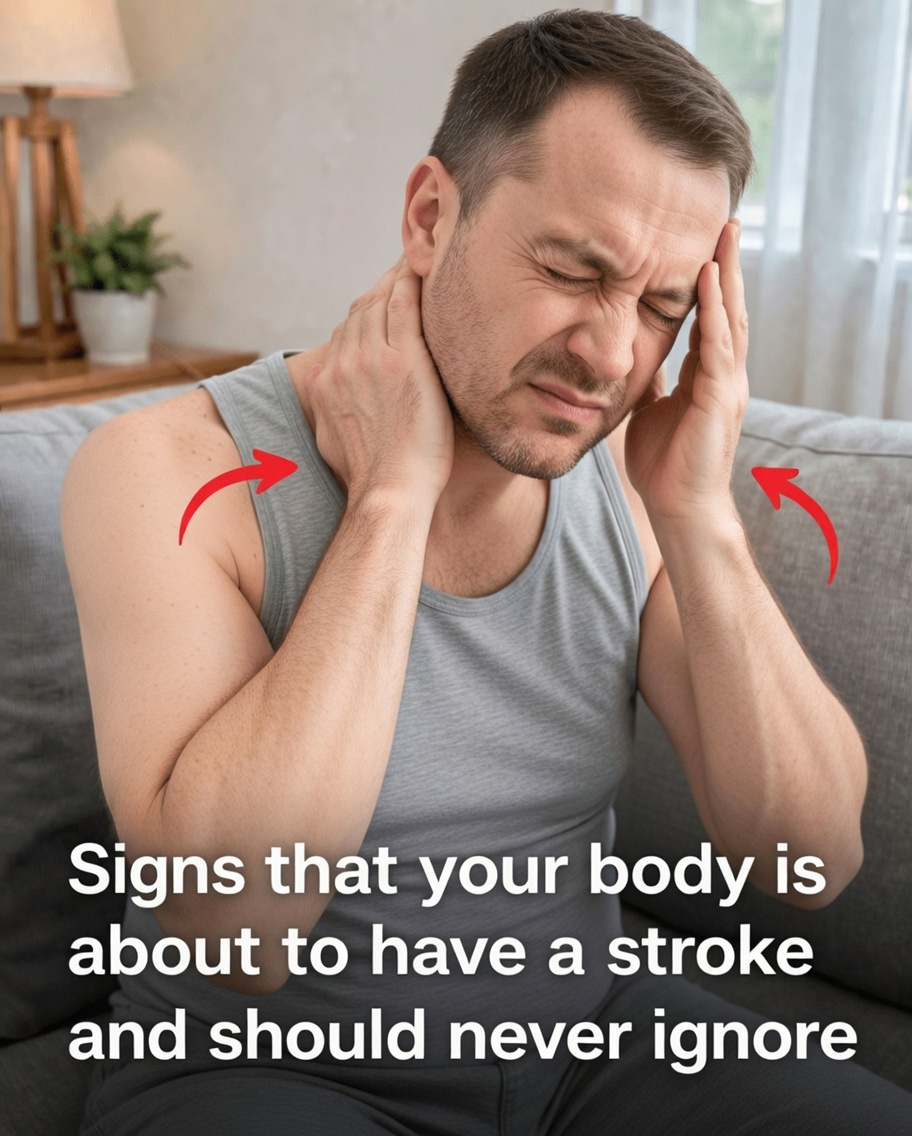
Stroke Warning Signs You Should Never Ignore
You can feel completely normal and then, without warning, notice your arm going numb or your words becoming hard to say. Experiences like this are frightening, and they often happen faster than people expect. In many cases, the body gives early signs before a major stroke, yet those signals are often mistaken for stress, tiredness, or a temporary problem. Overlooking them can have serious consequences, including lasting problems with movement, communication, and everyday independence.
That is why early recognition is so important. Knowing what to watch for could help you respond in time. Below, you will learn the key stroke symptoms to look for, along with one less obvious warning sign that many people fail to recognize until it becomes an emergency.
What Happens During a Stroke?
A stroke begins when blood can no longer reach part of the brain normally. This can happen because a blood clot blocks circulation or because a blood vessel bursts. The Centers for Disease Control and Prevention reports that a stroke occurs every 40 seconds in the United States, making it one of the top causes of death and long-term disability.
The encouraging news is that the body may provide a brief chance to act before the damage becomes more severe. Spotting the warning signs quickly can help you or someone near you get emergency care sooner.
Still, stroke symptoms do not always look the same. They can begin suddenly and vary from one person to another.
The BE FAST Method for Recognizing Stroke Symptoms
Medical professionals, including experts from the American Stroke Association, often use the BE FAST method as a simple way to remember common stroke warning signs. It is an easy checklist that can help people react quickly when every second matters.
Here is what each letter means:
-
B — Balance
- Sudden dizziness
- Loss of balance
- Trouble walking or poor coordination
-
E — Eyes
- Blurred vision
- Double vision
- Sudden vision loss in one or both eyes
-
F — Face
- Drooping on one side of the face
- Numbness in the face
- Ask the person to smile and see whether both sides look even
-
A — Arm
- Weakness or numbness in one arm or leg
- Ask the person to lift both arms and check whether one begins to fall
-
S — Speech
- Slurred speech
- Trouble finding words
- Difficulty understanding what other people are saying
-
T — Time
- Call 911 or your local emergency number immediately if any of these signs appear
Research from major health organizations shows that using the BE FAST method can increase the chances of receiving treatment in time.
Other Stroke Clues People Often Miss
Not every stroke symptom fits neatly into the BE FAST checklist. Some warning signs can seem mild or easy to explain away, which is why they are so often missed.
Pay attention to these additional symptoms:
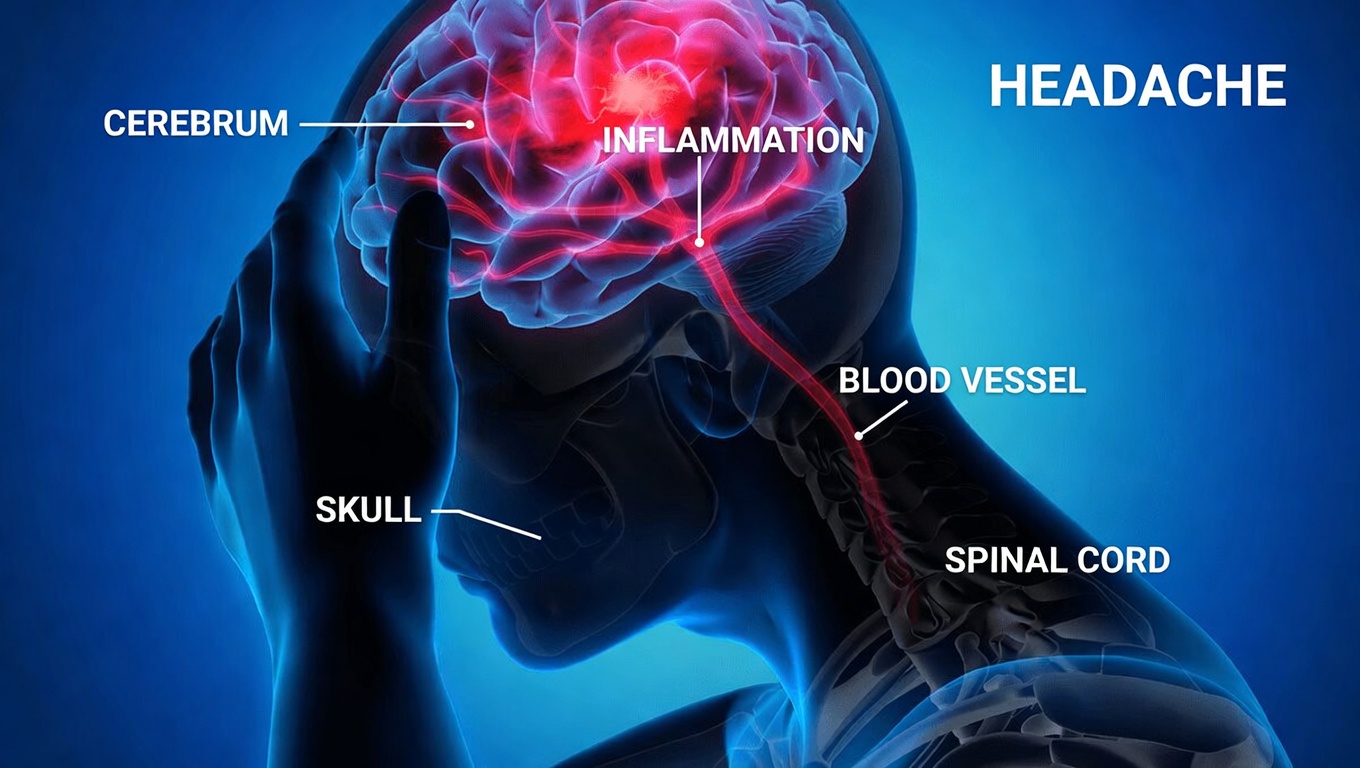
- A sudden and intense headache with no obvious reason, sometimes described as the worst headache ever felt
- Unexpected confusion or trouble thinking clearly
- Difficulty following simple directions
- Numbness or tingling that is stronger on one side of the body
- Sudden, unusual exhaustion or an unexplained feeling of weakness
Even when these symptoms fade quickly or seem minor, they may still be dangerous. They can point to a transient ischemic attack (TIA), often called a mini-stroke. A TIA is a serious warning that a more severe stroke may happen soon after.
Why Stroke Symptoms May Look Different in Women
According to findings highlighted by the American Heart Association, women may sometimes experience stroke symptoms that are less commonly recognized. The standard BE FAST signs still matter, but women may also notice other unusual changes.
These can include:
- Sudden nausea or vomiting without a clear stomach-related cause
- Shortness of breath
- Chest discomfort
- Ongoing hiccups that feel out of the ordinary
- Extreme tiredness along with mental fog or emotional changes
Because these symptoms may not match the “typical” image of a stroke, treatment can be delayed. Paying close attention to changes in your body, or in someone you care about, can make a crucial difference.
What to Do Immediately If You Notice Stroke Warning Signs
Recognizing stroke symptoms is only the first step. Acting fast is what can protect brain function and improve recovery. If something seems wrong, follow these steps right away:
- Use the BE FAST checklist as soon as symptoms appear.
- Write down or remember the exact time the symptoms started.
- Call 911 or emergency services immediately.
- Keep the person seated or lying down comfortably while waiting for help.
- Do not offer food, drinks, or medication unless a medical professional tells you to do so.
Even if the symptoms disappear after a few minutes, medical evaluation is still necessary.
The fact that surprises many people is this: those first few minutes can have a major impact on brain health and long-term recovery.
Stroke Myths That Delay Emergency Care
A number of common beliefs cause people to wait too long before getting help. Clearing up these misunderstandings can save lives.
Here are some myths that should be ignored:
- “It is probably only stress or a migraine.”
- “Strokes only happen to older adults.”
- “If the symptoms go away, it is not serious.”
- “I am too young or too healthy to have a stroke.”
In reality, stroke warning signs can affect anyone. Age and general health do not remove the need for immediate action.
Daily Habits That May Help Support Brain Health
Not every stroke risk can be controlled, but everyday choices can still make a difference. Healthy habits worth discussing with your healthcare provider include:
- Eating more fruits and vegetables
- Staying physically active on most days
- Managing blood pressure
- Keeping cholesterol under control
- Avoiding smoking
Small, consistent steps can support overall brain and heart health over time.
Conclusion: Act Fast When Something Feels Wrong
Recognizing the body’s warning signs before a stroke can truly save lives. Keeping the BE FAST method in mind and responding without delay gives you and your loved ones a better chance of a positive outcome. If something suddenly feels off, do not dismiss it. Trust your instincts and seek emergency help immediately.
Your health, safety, and peace of mind deserve that level of attention every day.
Frequently Asked Questions
1. Can stroke symptoms appear and then go away?
Yes. Stroke warning signs can come and go, especially during a TIA or mini-stroke. Even if the symptoms stop quickly, they should never be ignored because they may signal a larger stroke ahead.
2. Does a severe headache always mean a stroke?
No. Severe headaches can happen for many reasons. However, if a sudden intense headache appears along with other stroke symptoms from the BE FAST list, emergency care is needed right away.
3. What should I do if I am not sure it is a stroke?
If you are unsure, call 911 immediately. It is always better to let medical professionals evaluate the situation than to lose valuable time waiting.
Disclaimer
This article is for educational purposes only and does not replace professional medical advice, diagnosis, or treatment. If you think you or someone else may be having a stroke, seek emergency medical care immediately.