Common Pills That Raise Blood Pressure: What You Need to Know
If you’re one of the many people living with high blood pressure, your daily routine probably includes a mix of medication, dietary changes, and healthier habits. Yet few realize that some very familiar drugs—even those you can buy without a prescription—can quietly drive blood pressure up and increase the risk of heart attack or stroke.
The goal here is not to make you afraid of medicine. It’s to give you clear, usable information so you can talk confidently with your doctor and pharmacist. Certain everyday pills that raise blood pressure can undo much of your effort, increasing the risk of sudden spikes that threaten heart health, independence, and quality of life.
Why Everyday Pills That Raise Blood Pressure Are a Hidden Risk
High blood pressure affects nearly half of all adults worldwide, and when you’re trying to manage it, every decision adds up. Many people are unaware that common over-the-counter medications, supplements, and even some prescriptions can act as pills that raise blood pressure.
That uncertainty—wondering if your next headache tablet or cold remedy is quietly working against your treatment—can be stressful. Research from major health organizations shows that these medications may:
- Cause your body to retain salt and fluid
- Interfere with blood pressure medicines
- Push your readings higher without obvious warning signs
You might think, “It’s just something for pain,” or “It’s only a sinus pill,” but over time these pills that raise blood pressure can increase the risk of serious heart problems. That’s why simply knowing which products to question makes such a difference.

NSAIDs: Widely Used Painkillers That Can Raise Blood Pressure
Nonsteroidal anti-inflammatory drugs (NSAIDs) such as ibuprofen and naproxen are among the most common pain medications in the world. However, frequent use can turn them into powerful pills that raise blood pressure.
NSAIDs can:
- Make your body hold onto extra salt and water
- Put additional strain on your kidneys
- Reduce the effectiveness of your blood pressure medications
Studies from respected institutions like the Mayo Clinic show that regular use of these drugs can increase blood pressure and add stress on the heart. For many adults, the combination of chronic joint or back pain and rising readings can feel like a double burden.

Complicating matters, NSAIDs appear in many multi-symptom products—headache combinations, menstrual relief pills, and cold remedies—making it easy to take more than you realize. People often report feeling anxious about whether a simple dose for pain might trigger a blood pressure spike. Under medical guidance, switching to alternatives that don’t raise blood pressure can help stabilize numbers and protect heart health.
Decongestants: Cold and Sinus Pills That Raise Blood Pressure
Decongestants like pseudoephedrine (found in brands such as Sudafed) are popular go-to options for stuffy noses. But these medications can also act as pills that raise blood pressure by:
- Narrowing blood vessels
- Increasing heart rate
- Counteracting blood pressure medications
Guidance from the Mayo Clinic and the American Heart Association notes that decongestants may cause sudden increases in blood pressure, especially in people already diagnosed with hypertension. What starts as a simple cold can feel frightening if you notice higher readings shortly after taking a decongestant.
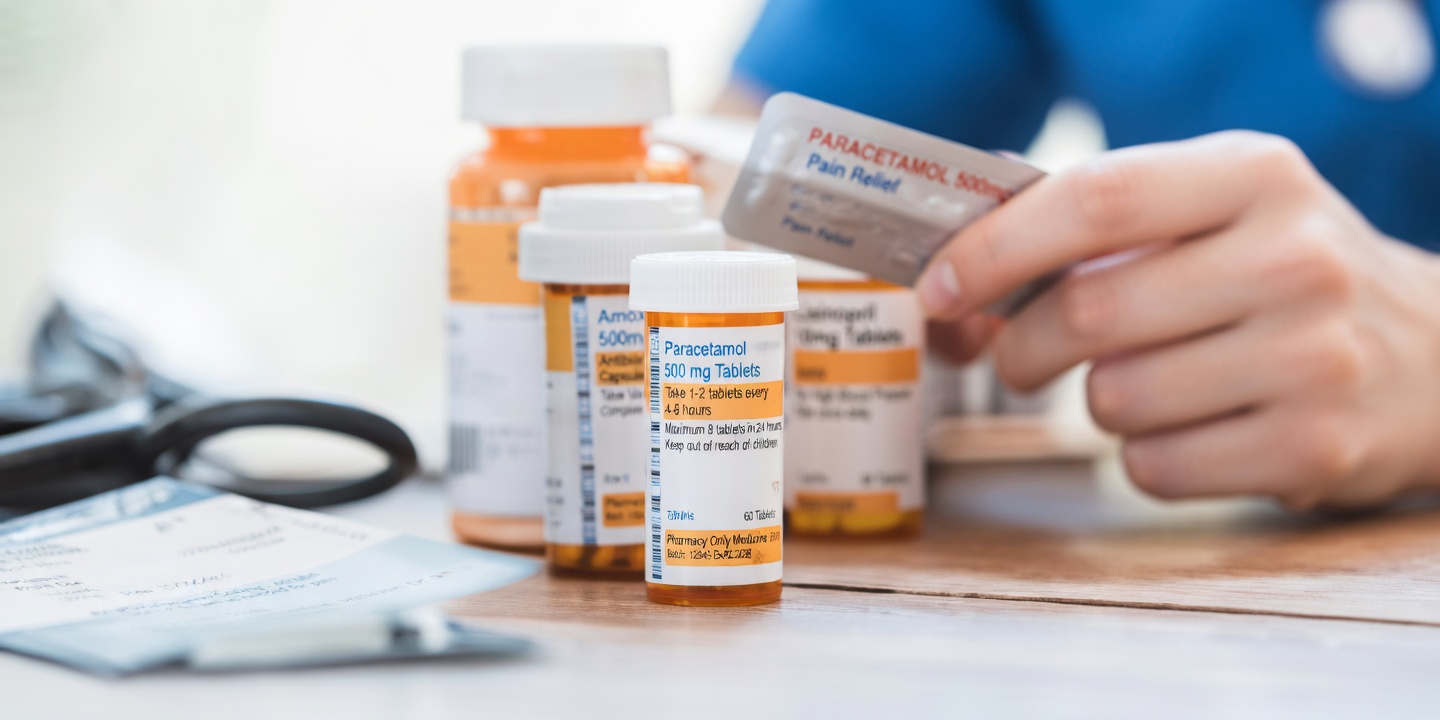
These ingredients are especially tricky because they are included in many combination cold, flu, and sinus products. It can feel discouraging to stand in the pharmacy aisle and wonder if every “fast relief” box carries extra risk. Learning to spot and avoid decongestant-based pills that raise blood pressure gives you a practical way to protect your numbers while still treating cold symptoms.
Herbal Supplements: “Natural” Pills That Raise Blood Pressure
Many people assume that “herbal” or “natural” automatically means “safe,” but that isn’t always true—especially if you have hypertension. Some popular herbs, like licorice root and ginseng, can act like pills that raise blood pressure.
These supplements may:
- Disrupt normal fluid and sodium balance
- Affect blood vessel tone
- Interfere with prescribed blood pressure medications
Clinical observations have linked long-term use of certain herbal products with higher blood pressure and treatment resistance. It can be discouraging to choose “natural” options, only to see your home monitor show rising values.

To make things more confusing, these herbs may appear in:
- “Energy” or “vitality” blends
- Weight-loss products
- Multivitamins and tonics
Reading labels carefully and discussing all supplements with your healthcare provider can help you avoid herbal pills that raise blood pressure and support a more stable treatment plan.
Side-by-Side Look at Common Pills That Raise Blood Pressure
| Pill Type | How It May Raise Blood Pressure | Common Examples | Possible Safer Option* |
|---|---|---|---|
| NSAIDs | Fluid retention, kidney strain, reduced med effectiveness | Advil, Aleve, Motrin | Acetaminophen (Tylenol) for minor pain |
| Decongestants | Narrows blood vessels, speeds up heart rate | Sudafed, pseudoephedrine products | Saline nasal sprays, some antihistamines |
| Herbal supplements | Alters fluid balance or blood vessel tone | Licorice root, ginseng | Use only after medical consultation |
*Always confirm alternatives with your healthcare provider.
This comparison highlights why checking labels for pills that raise blood pressure is essential, especially if you already have hypertension or heart disease.
Practical Ways to Avoid Pills That Raise Blood Pressure
One of the most powerful steps you can take is to review everything you’re currently using. Many pills that raise blood pressure are hidden in plain sight in your medicine cabinet.
Start with these actions:
- Make a list of all medications and supplements you take—prescription and over the counter.
- Bring this list to your next appointment and ask your doctor or pharmacist to flag any products that may raise blood pressure.
- Work together to choose safer alternatives when possible.

Here is a simple action plan you can begin right away:
- Read every label. Look for NSAIDs (ibuprofen, naproxen), decongestants (pseudoephedrine, phenylephrine), and herbal ingredients such as licorice or ginseng.
- Choose different pain relief. For everyday aches, ask your doctor if acetaminophen is appropriate instead of NSAIDs.
- Select blood pressure–friendly cold remedies. Request non-decongestant options from your pharmacist, such as saline sprays or certain antihistamines.
- Monitor your readings after new products. Check your blood pressure regularly when you start any new medication or supplement, and note any changes.
- Support your numbers naturally. When approved by your healthcare provider, include potassium-rich foods (like bananas, leafy greens, and beans) and gentle daily movement such as a 10–15 minute walk.
Many people see more stable blood pressure within weeks simply by avoiding common pills that raise blood pressure and adding small, consistent lifestyle changes.
Don’t Let Hidden Pills Undermine Your Progress
Avoiding a few key pills that raise blood pressure may help keep your numbers in a healthier range and restore some peace of mind. NSAIDs, decongestants, and certain herbal supplements are among the most frequent offenders, yet they’re also among the easiest to overlook.
By staying informed, reading labels, and having open conversations with your healthcare team, you can:
- Reduce the risk of unexpected spikes
- Protect the benefits of your blood pressure medications
- Feel more confident about the treatments you choose
Take a few minutes today to review what’s in your medicine cabinet and schedule time to discuss your list with your healthcare provider. Small, informed changes can lead to meaningful improvements in long-term heart health.
FAQ About Pills That Raise Blood Pressure
How can I tell if my current medications are pills that raise blood pressure?
Pay attention to your readings when you start a new pain reliever, cold medicine, or supplement. If you notice unexplained increases, share this information and a complete list of your products with your doctor or pharmacist. They can quickly identify any pills that raise blood pressure and suggest safer options.
Is it ever safe to use NSAIDs or decongestants if I have high blood pressure?
In some situations, short-term use at the lowest effective dose may be allowed—but only under medical guidance. Your healthcare provider can help you weigh the risks and benefits and recommend alternatives that are less likely to raise blood pressure.
What are safer ways to treat a cold or headache without using pills that raise blood pressure?
For most people, options may include:
- Acetaminophen for pain or fever (if appropriate for your health status)
- Saline nasal sprays, nasal rinses, or certain antihistamines for congestion
- Non-drug measures such as rest, fluids, and humidifiers
Always confirm with your doctor or pharmacist that these choices are compatible with your specific blood pressure treatment plan.
This article is for informational purposes only and does not replace professional medical advice, diagnosis, or treatment. Always consult your healthcare provider about your medications and any changes you plan to make.