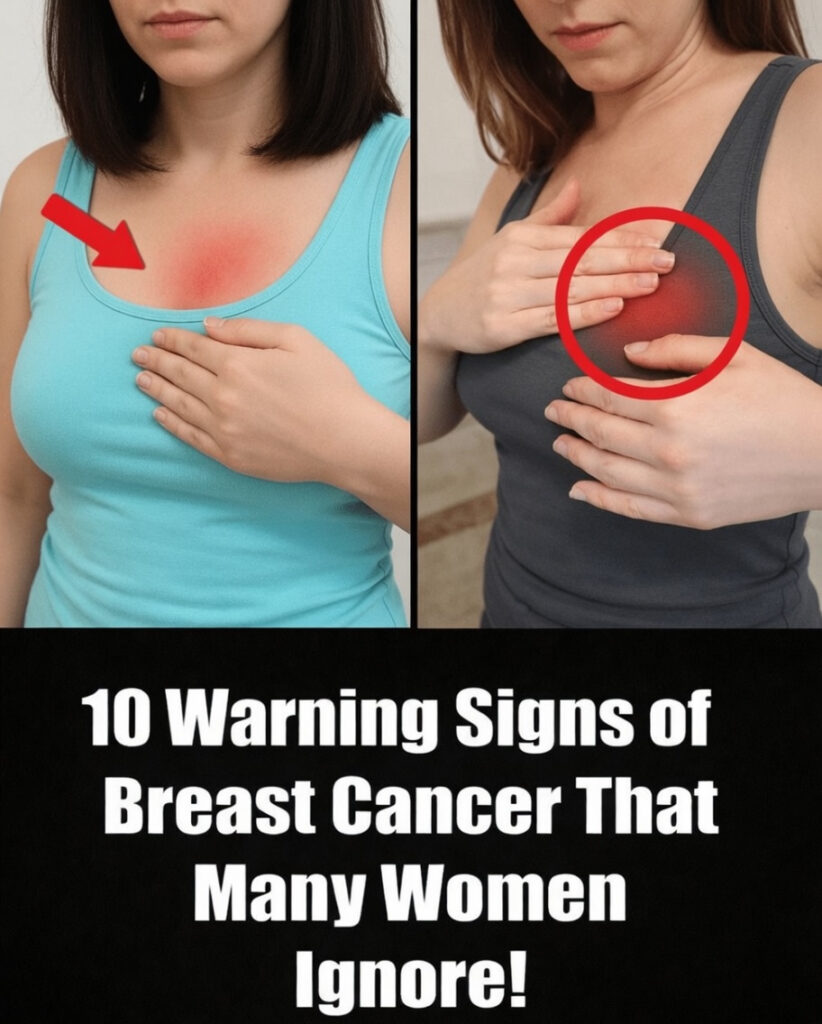
Breast Changes You Should Never Ignore
Seeing or feeling something different in your breasts can be unsettling. Many women dismiss small changes as normal hormone fluctuations, aging, or temporary body shifts, assuming the issue will resolve on its own. However, overlooking these signs can delay an important conversation with a healthcare professional.
The positive news is that understanding normal breast awareness can help you feel more informed and in control. And there is one lesser-known warning sign that many women miss until someone else notices it, which we’ll cover later in this article.
Why Breast Awareness Is So Important
Daily life is busy, and it is easy to put off concerns when something feels slightly unusual. In many cases, breast changes are not serious and may be linked to menstruation, weight changes, or other common factors. Still, knowing what is normal for your body can make a major difference.
The Centers for Disease Control and Prevention (CDC) emphasizes that noticing changes early is one of the easiest ways women can support their health. The Mayo Clinic also notes that many women first spot differences during ordinary activities, such as getting dressed or showering.
The key is simple: do not panic, but do pay attention. If something new or persistent appears, it is a good idea to speak with your doctor.
10 Breast Changes Every Woman Should Watch For
Most of the changes below may turn out to be harmless. Even so, the American Cancer Society advises women to discuss any new or ongoing breast changes with a healthcare provider.
1. A new lump or mass in the breast or underarm
You may notice a small bump while showering, applying lotion, or changing clothes. It can be tempting to assume it is only a cyst or a swollen gland. Still, the CDC lists a new lump as one of the most common changes that should be checked, even if it does not hurt.
2. Thickening or swelling in part of the breast
If one area starts to feel heavier, fuller, or unusually firm, you might think it is related to hormones or even your bra. However, unexplained swelling, especially if it remains after your period, deserves attention.
3. Dimpling or puckering of the skin
A small dent or pulled-in area on the breast can be easy to miss. Some women think it is caused by clothing or pressure marks. According to information shared by the Mayo Clinic, this subtle skin change can be an important sign.
4. Red or flaky skin on the breast or nipple
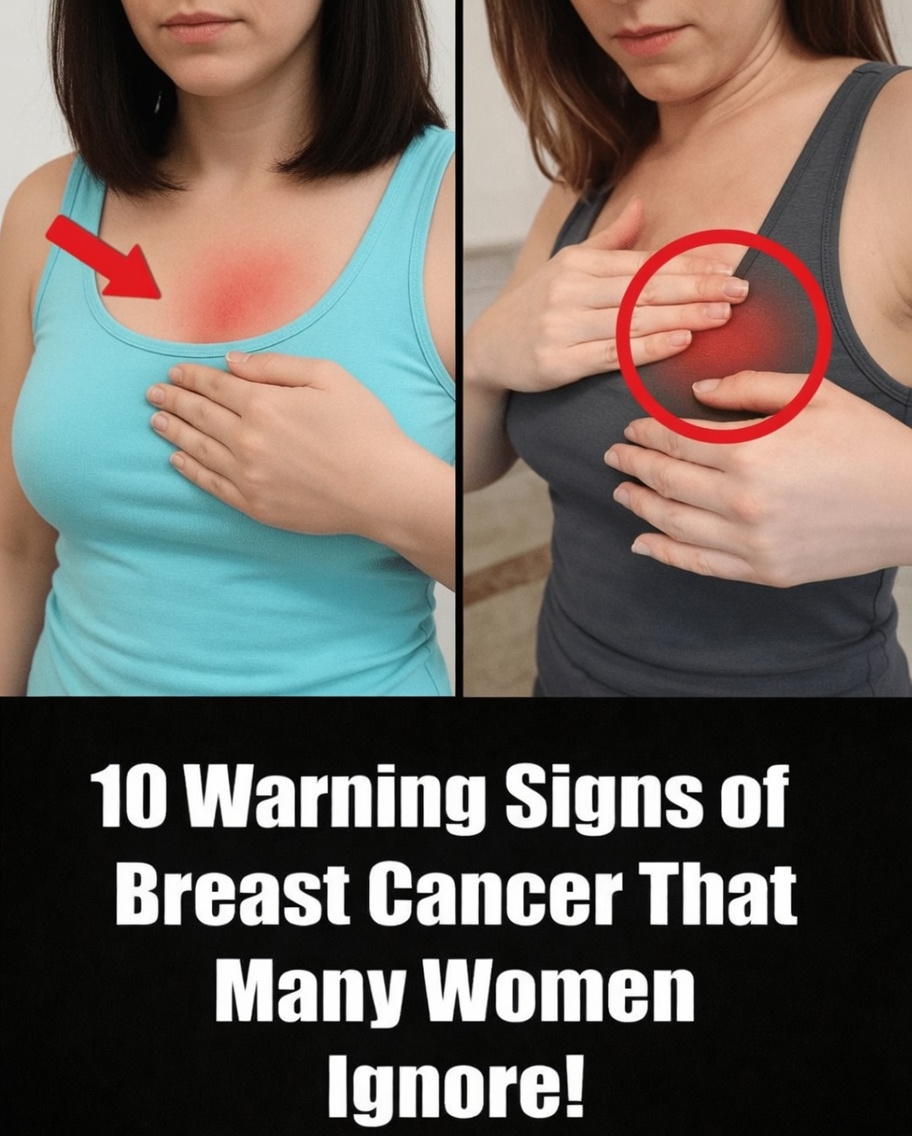
Persistent redness, irritation, or scaling may look like a rash or dry skin problem. If lotion does not help and the area does not improve, it is worth having it evaluated. The American Cancer Society notes that ongoing skin irritation around the breast or nipple should not be ignored.
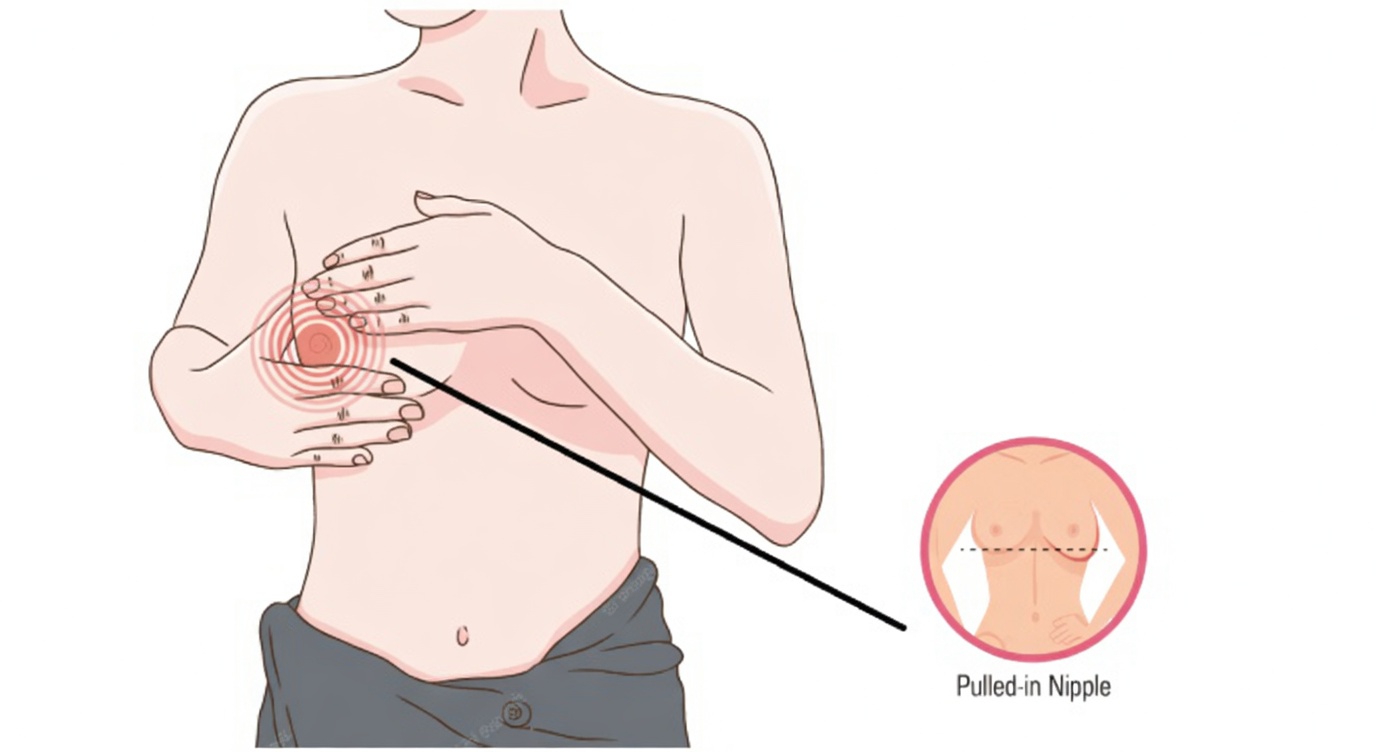
5. A nipple that turns inward or changes appearance
If one nipple begins to flatten, pull inward, or suddenly look different, many women assume it is just part of aging. But an unexpected nipple shape change is something doctors want to know about promptly.
6. Nipple discharge unrelated to breastfeeding
Unexpected fluid coming from the nipple, whether clear, watery, or bloody, should be mentioned to a healthcare provider. This is especially true if it occurs in only one breast and happens without squeezing.
7. A noticeable change in breast size, shape, or contour
If one breast suddenly looks different from the other or your clothes fit unevenly, it is easy to blame weight shifts or age. But a lasting change in shape or outline should be discussed with your doctor.
8. Persistent pain or tenderness in the breast or nipple
Breast discomfort is often linked to menstrual cycles, but pain that continues beyond your usual pattern should not be brushed aside. The Mayo Clinic encourages women to pay attention to ongoing soreness, tenderness, or sharp pain.
9. Skin that looks like an orange peel
This is one of the most overlooked changes. The skin may become thicker, uneven, or pitted, resembling the surface of an orange. Because it can appear gradually, many women do not notice it right away. In fact, this is the surprising sign many people miss until a doctor or partner points it out.
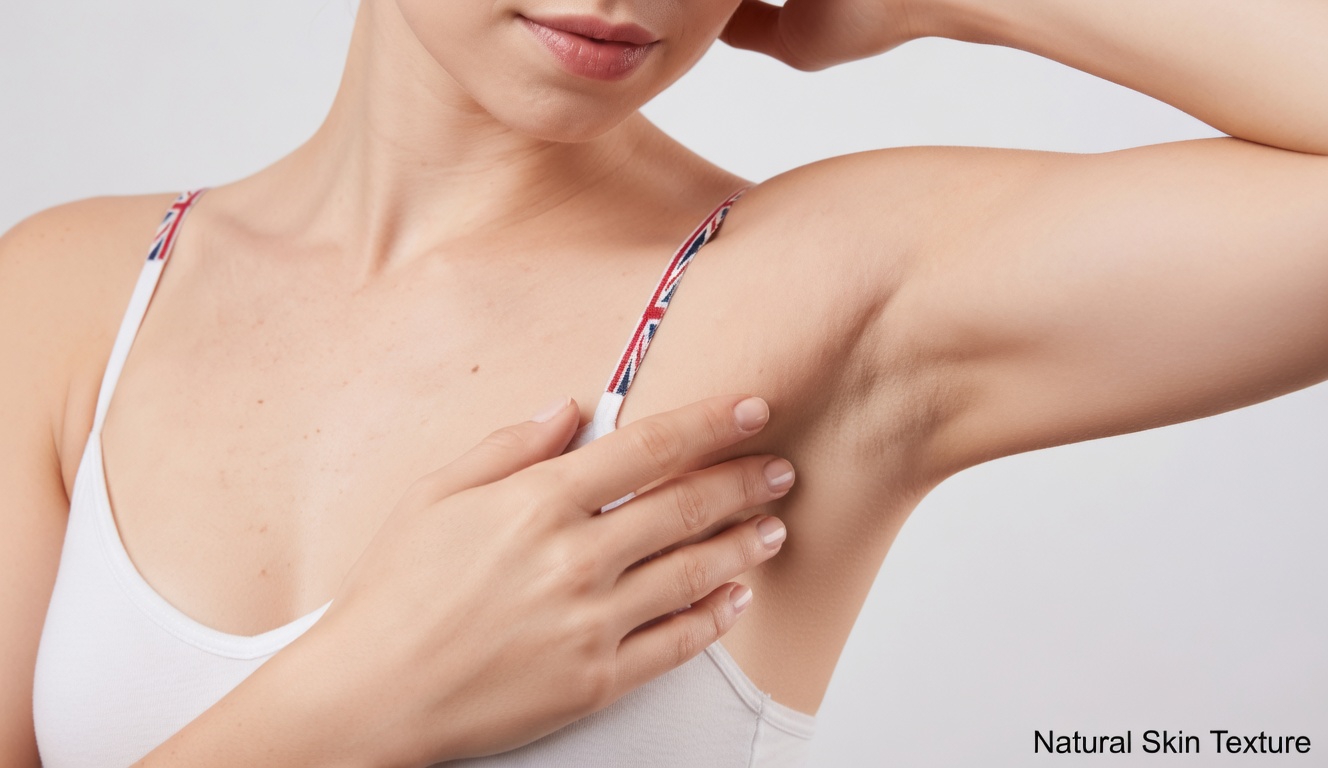
10. Swelling or lumps near the collarbone or armpit
Tenderness, swelling, or a lump in the underarm or above the collarbone may seem unrelated to the breast. However, the CDC includes changes in nearby lymph node areas among the signs women should monitor carefully.
How to Practice Breast Awareness at Home
The American Cancer Society no longer promotes rigid monthly self-exams as a formal screening method. Instead, experts encourage breast awareness, meaning you should become familiar with how your breasts normally look and feel.
A simple monthly check can help you notice changes sooner. It is often easiest to do this a few days after your period, when your breasts are less tender.
A quick 5-step breast awareness routine
- Stand in front of a mirror with your hands on your hips and look for visible changes in size, shape, or skin texture.
- Raise your arms above your head and check again for anything unusual.
- Gently examine each nipple for any discharge.
- Lie down and use the pads of your fingers to feel the breast in small circular motions, using light, medium, and firmer pressure.
- Repeat the same check while sitting or standing, making sure to include the underarm area.
This takes only a few minutes but can help you recognize meaningful changes more quickly.
When to Contact a Healthcare Provider
If a breast change lasts longer than a couple of weeks, or if it feels clearly different from your normal cycle-related changes, make an appointment. Depending on your age, symptoms, and medical background, your doctor may recommend:
- A clinical breast exam
- An ultrasound
- A mammogram
- Additional follow-up testing if needed
It is important to remember that many breast changes are benign. Still, getting answers can bring reassurance and peace of mind.
Final Thoughts: Small Changes Can Make a Big Difference
Being aware of your breasts does not need to feel stressful or overwhelming. By paying attention to these 10 changes and reaching out when something seems unusual, you are taking a smart and proactive step for your health.
Many women who later share their experiences say the same thing: they wish they had acted sooner, but they were grateful once they finally did.
Start with a simple mirror check today. It may be one of the easiest health habits you build for yourself.
Frequently Asked Questions
How often should I check my breasts?
Experts generally suggest practicing breast awareness once a month. Try to choose the same time during each cycle, ideally when your breasts are least sore or swollen.
What if a change goes away after a few days?
You should still mention it during your next medical visit. Even short-term changes can provide useful information about your overall breast health.
If breast cancer runs in my family, should I be more cautious?
Yes. If you have close relatives with a history of breast cancer, speak with your doctor about whether you need earlier or more frequent screening. That said, breast awareness is valuable for every woman, regardless of family history.
Disclaimer
This article is intended for informational purposes only and does not replace professional medical advice, diagnosis, or treatment. Always consult your healthcare provider about any breast changes or health concerns. Recommendations may differ based on your personal medical history.