
Healthy Aging and the 3 Vitamins Dr. John Scharffenberg Prioritizes
As the years go by, it is natural to notice changes in stamina, skin appearance, and overall physical comfort. Tasks that once felt effortless may take more energy, and visible signs of aging can sometimes affect self-confidence. The encouraging part is that everyday nutrition choices can make a meaningful difference. With the right foods and steady habits, you can help support your body’s strength, resilience, and long-term well-being.
Dr. John Scharffenberg offers a compelling example of this approach in real life. A Harvard-trained physician and longtime nutrition professor at Loma Linda University, he has lived past 100 while remaining active, independent, and engaged. He still travels, drives, and shares practical health guidance. Among the many habits he values, three key vitamins stand out in his strategy for healthy aging. The best part is that these nutrients can often be added through simple dietary changes and smart daily routines.
Who Is Dr. John Scharffenberg?
Dr. John Scharffenberg is a physician and professor of nutrition known for his long career at Loma Linda University. Born in 1923, he trained in medicine and also studied at the Harvard School of Public Health. Even in his second century of life, he continues to live independently, stay physically active, and follow a largely plant-based way of eating.
His advice carries weight because it is grounded in both scientific evidence and personal experience. He regularly emphasizes the basics of health: regular movement, proper hydration, and a balanced diet. At the same time, he draws attention to nutrient deficiencies that often become more common with age. Research from institutions such as the National Institutes of Health suggests that correcting these nutritional gaps through food and lifestyle can support energy, immunity, and overall vitality later in life.
What makes his message especially relevant is his focus on three vitamins that many adults may not be getting enough of.
Vitamin D: Essential for Bone Strength, Immunity, and Mobility
Vitamin D is often known as the sunshine vitamin because the body can produce it when the skin is exposed to sunlight. However, this process becomes less effective with age. Many people also spend more time indoors, which can further reduce vitamin D levels.
Adequate vitamin D is important for calcium absorption, bone health, immune function, and muscle performance. Dr. Scharffenberg has noted that deficiency or low intake may be extremely common, making this one of the most important nutrients to monitor as we age.
Why Vitamin D Matters
- Supports healthy bones and calcium balance
- Helps the immune system function properly
- Contributes to muscle strength and everyday movement
Easy Ways to Improve Vitamin D Status
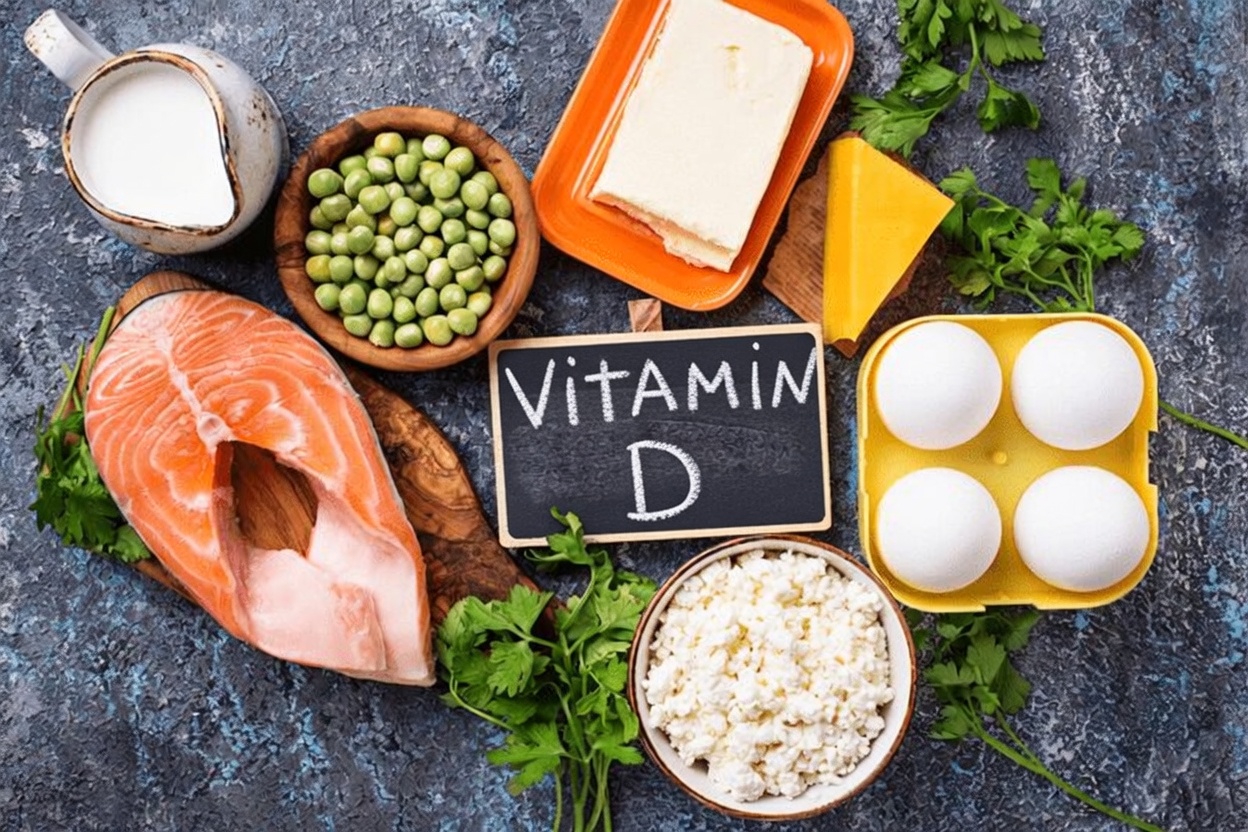
A practical source is brief midday sun exposure several times per week, usually around 10 to 15 minutes depending on skin tone, season, and location. Food sources include:
- Fatty fish such as salmon
- Fortified dairy or plant milks
- Egg yolks
- Mushrooms exposed to sunlight
A useful next step is to ask your doctor for a blood test during a regular checkup. If your levels are low, a supplement may help under professional guidance.
Vitamin B12: A Key Nutrient for Energy, Nerves, and Brain Function
Vitamin B12 is essential for red blood cell production, DNA synthesis, and proper nerve function. After age 50, the body may produce less stomach acid, which can make B12 harder to absorb. That is why this vitamin becomes especially important in older adulthood.
Dr. Scharffenberg points out that low B12 is more common than many people realize, even among those who consume animal products. Keeping B12 at healthy levels may help maintain steady energy and support mental sharpness.
Benefits of Vitamin B12
- Helps support daily energy
- Promotes healthy nerve function
- Contributes to focus and cognitive health
- Helps keep homocysteine within a normal range
Food Sources of Vitamin B12
Common dietary sources include:
- Eggs
- Yogurt
- Cheese
- Fish
For people who follow a more plant-based diet, fortified foods can be especially helpful, such as:
- Fortified breakfast cereals
- Nutritional yeast
- Fortified plant milks
Because absorption may decline with age, many health professionals recommend a daily B12 supplement when needed, often in the form of methylcobalamin or cyanocobalamin. Some adults also prefer sublingual tablets or sprays. More than a very high dose, regular daily intake is usually what matters most.
Vitamin A: Important for Skin, Vision, and Immune Health
Vitamin A is another nutrient Dr. Scharffenberg highlights, especially when obtained from colorful plant foods. The body can convert beta-carotene from plants into the active vitamin A it needs. This nutrient plays a major role in skin renewal, eye health, and immune protection.
Rather than relying on high-dose supplements, Dr. Scharffenberg prefers food-first sources of vitamin A. That approach helps avoid the risk of getting too much while still supporting healthy intake. Nutrition surveys suggest that many adults may not be reaching ideal levels.
How Vitamin A Supports Healthy Aging
- Helps maintain skin cell turnover and moisture
- Supports long-term vision health
- Strengthens the body’s natural defenses
A diet rich in brightly colored fruits and vegetables can make vitamin A intake both effective and safe over time.
Natural Sources of Beta-Carotene
Focus on foods such as:
- Carrots
- Sweet potatoes
- Spinach
- Kale
- Butternut squash
- Cantaloupe
A simple habit is to add one serving of orange or dark green vegetables to lunch or dinner most days. Roasted sweet potato, steamed kale, or a handful of baby carrots can be an easy place to start.

How to Add These Vitamins to Your Daily Routine
If you want to put these ideas into practice, a few simple steps can make the process manageable.
A 5-Step Plan
- Track your meals for one week to see where you can include more fortified foods and colorful produce.
- Ask your doctor to test your vitamin D and B12 levels.
- Build meals around whole foods first, including vegetables, legumes, whole grains, and nutrient-rich breakfast options.
- Use supplements only when needed, and choose products that are third-party tested.
- Support your nutrition with daily walks, quality sleep, and strong social connections.
Quick Guide to Natural Sources
- Vitamin D: sunlight, fortified milk, salmon, egg yolks
- Vitamin B12: eggs, yogurt, nutritional yeast, fortified cereals
- Vitamin A: carrots, sweet potatoes, kale, cantaloupe
These are not drastic changes. Small, consistent upgrades to your meals can add up over time without making life more complicated.
Dr. Scharffenberg’s Bigger Approach to Lasting Vitality
While vitamin D, B12, and A are important, Dr. Scharffenberg stresses that they work best as part of a bigger lifestyle pattern. He is known for other healthy habits as well, including regular walking, limiting added sugar, and maintaining strong social relationships. He also practices intermittent fasting by eating two meals a day and follows a mostly plant-based eating style centered on legumes, whole grains, nuts, and fresh produce.
His message is refreshingly simple: you do not need to transform your life overnight. Start with one or two improvements, stay consistent, and build from there.
Conclusion
Healthy aging does not have to depend on expensive products or complicated wellness trends. Dr. John Scharffenberg’s focus on vitamin D, vitamin B12, and vitamin A offers a practical and evidence-based way to support energy, skin health, bone strength, and overall resilience. By prioritizing food-first nutrition and reinforcing it with smart habits, you can create a strong foundation for feeling your best at any age.
Talk with your healthcare provider about the approach that fits your personal needs. Over time, small daily choices can make the biggest difference.
FAQ
How can I tell if I may be low in one of these vitamins?
Some signs may include fatigue, weakness, low mood, poor concentration, numbness or tingling, muscle problems, or changes in skin and vision. However, symptoms can vary and are not always obvious. The most reliable way to know is to ask your healthcare provider for appropriate blood testing, especially for vitamin D and vitamin B12.