7 Everyday Foods That May Raise Cancer Risk Over Time
In a fast-paced routine, it’s common to choose foods that are quick, satisfying, and easy to serve without thinking much about their long-term effects. Yet research from respected health organizations, including the World Health Organization and the American Cancer Society, has linked several widely eaten foods and drinks to a greater risk of certain cancers when consumed regularly over time. That can sound alarming, especially when you simply want practical meals for yourself or your family. The good news is that a few smart substitutions can support better health without requiring a complete overhaul of your diet. One especially popular backyard favorite often catches people off guard, and we’ll explain why later in the article, along with safer ways to enjoy it.
How Everyday Foods Can Influence Cancer Risk
Diet has a much bigger impact on long-term health than many people assume. Cancer is complex, and no single food works as a direct cause by itself. However, eating some foods frequently may expose the body to harmful compounds or contribute to conditions that are associated with higher cancer risk. The International Agency for Research on Cancer (IARC) has categorized certain foods based on strong evidence from large-scale studies. The encouraging takeaway is not fear, but awareness. Once you understand the risks, making realistic improvements becomes much easier.
Just as important as the food itself is the way it is preserved, processed, or cooked.
7 Foods Commonly Associated With Higher Cancer Risk
Health experts often point to seven major food categories when discussing ways to lower cancer risk. Here is a clearer look at each one and why it matters.
1. Processed Meats
Examples include:
- Bacon
- Sausages
- Hot dogs
- Deli meats
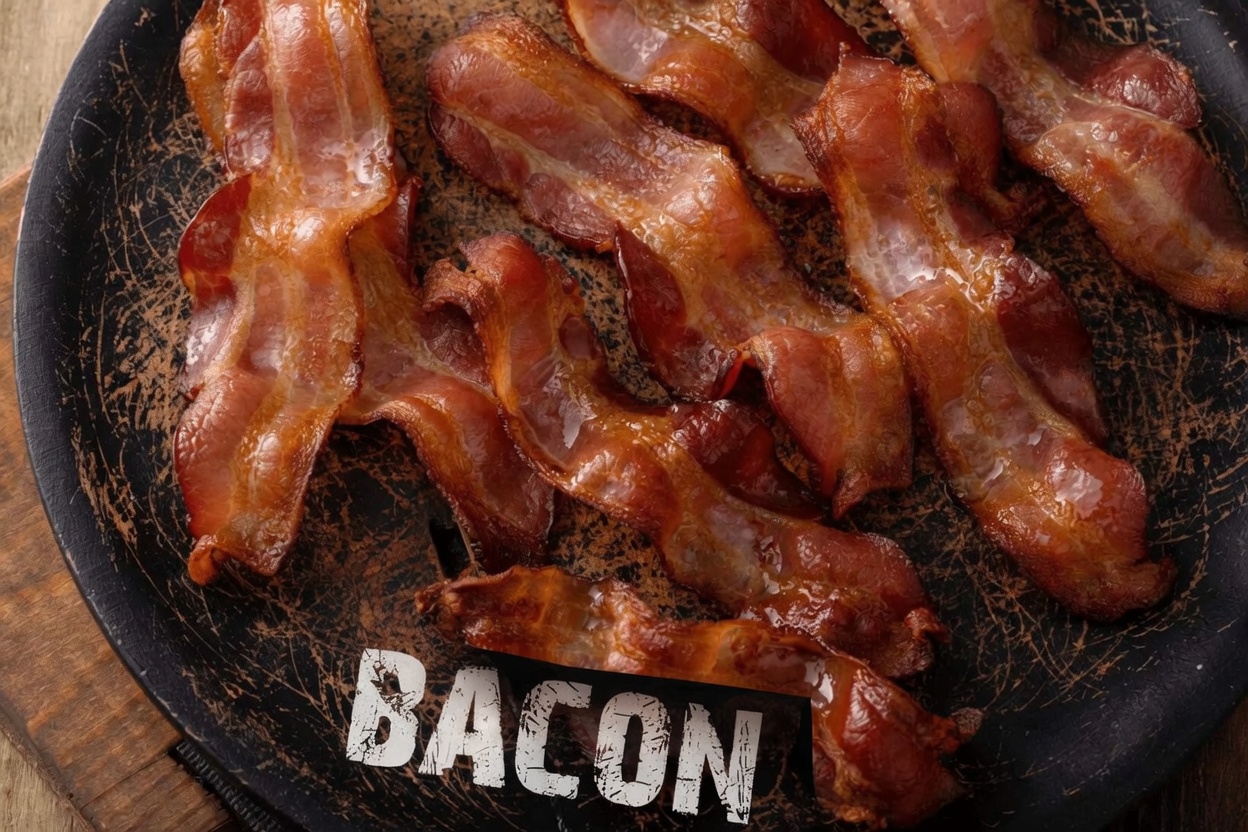
Processed meats have been classified by the IARC as Group 1 carcinogens. This is the same evidence category as tobacco, though that does not mean they carry the same level of danger. One major concern is the nitrates and nitrites used during curing, which can form compounds linked in studies to colorectal cancer.
2. Red Meat
This category includes:
- Beef
- Pork
- Lamb
Red meat is considered probably carcinogenic, or Group 2A, by the IARC. A high intake has been associated in multiple studies with an increased risk of colorectal cancer. Researchers believe one contributing factor may be heme iron, which is naturally present in red meat.
3. Foods Cooked at Very High Heat
This includes heavily browned or charred:
- Grilled meats
- Pan-fried meats
- High-heat cooked fish
When muscle meats are exposed to intense heat, chemicals called heterocyclic amines (HCAs) and polycyclic aromatic hydrocarbons (PAHs) can form. Laboratory studies suggest these compounds may damage DNA when present in large amounts.
4. Alcohol
Alcoholic beverages such as:
- Beer
- Wine
- Spirits
Alcohol is also classified as a Group 1 carcinogen. Even moderate, regular drinking has been connected to a higher risk of cancers including breast, liver, and colon cancer. Researchers point to hormone-related effects and cellular damage as likely reasons.
5. Sugar-Sweetened Beverages
Common examples include:
- Soda
- Sweetened iced tea
- Energy drinks
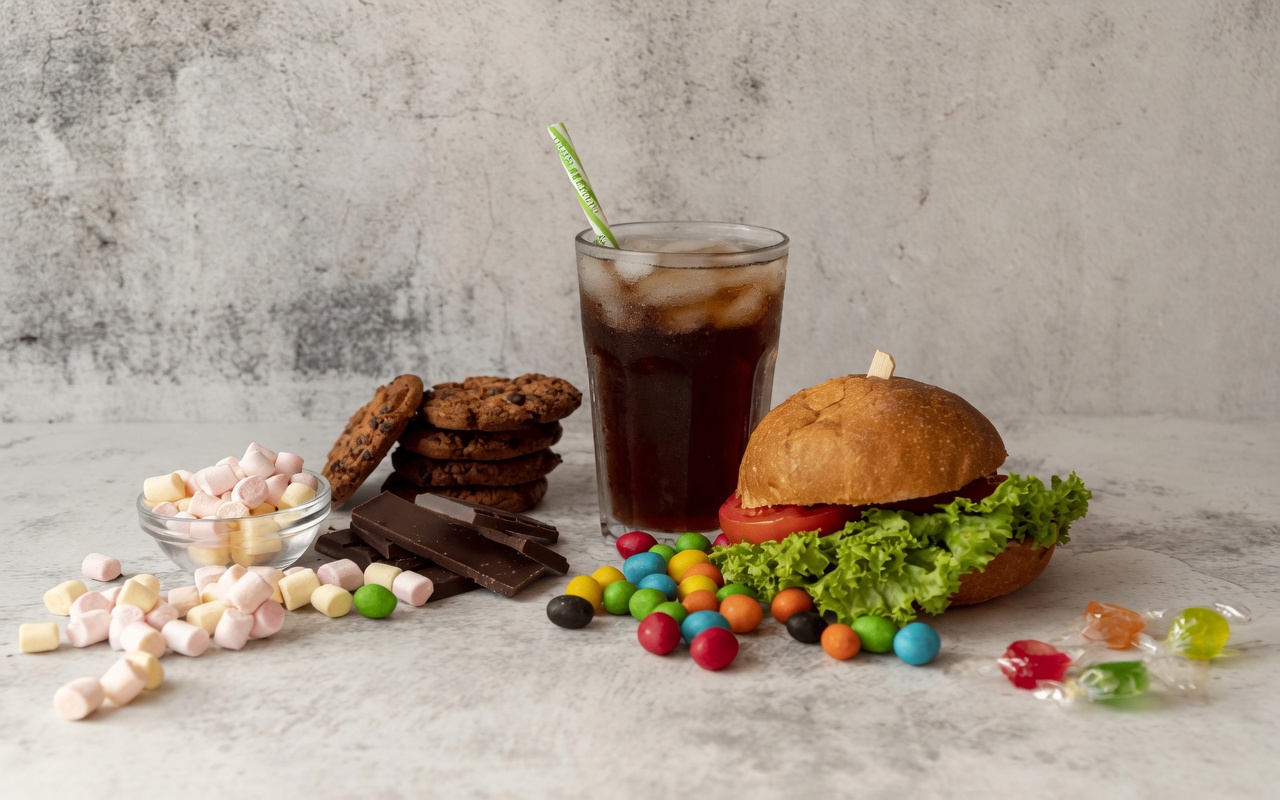
These drinks are strongly associated with weight gain, obesity, and inflammation in large studies. Because both obesity and chronic inflammation are linked to cancer risk, cutting back on sugary beverages can be a meaningful step.
6. Ultra-Processed Foods
This group often includes:
- Packaged snacks
- Instant noodles
- Ready meals
- Highly processed convenience foods
Emerging research suggests that diets high in ultra-processed foods may be associated with a greater overall cancer risk. Possible reasons include low fiber content, excess sugar and fat, and the presence of additives.
7. Fried Starchy Foods
Examples include:
- French fries
- Potato chips
- Certain crackers
High-temperature frying can create acrylamide, a compound that animal studies have associated with possible cancer risk. While human risk is still being studied, limiting frequent intake is a sensible precaution.
Why Grilled Foods, Including Fish, Need Extra Attention
If grilling is one of your favorite ways to cook, this is worth knowing. That charred finish many people love is tied to a real scientific concern. When fat drips onto flames or hot coals, smoke forms and carries PAHs, which can settle back onto the food. At the same time, proteins exposed to very high temperatures can produce HCAs. Fish is not exempt from this process.
Although occasional grilling is generally less concerning than regular intake of processed meat, research suggests it is wise to avoid eating heavily blackened or burned portions often.
The positive side is that you do not need to give up grilling. You simply need to use safer cooking methods.
Simple Ways to Lower Risk Starting Today
A few practical changes can make a real difference without making meals feel restrictive.
- Replace processed meats with fresh poultry, fish, beans, lentils, tofu, or other plant-based proteins on most days.
- Keep red meat intake moderate, ideally no more than 18 ounces per week, which equals about 3 to 4 small servings.
- Marinate meat or fish in herbs, vinegar, or citrus for at least 30 minutes before grilling. Research suggests this can sharply reduce HCA formation.
- Turn food frequently on the grill and use medium rather than extreme heat.
- Prevent direct flame contact whenever possible.
- Use baking, steaming, poaching, or slow cooking more often instead of deep-frying or intense charring.
- Replace sugary drinks with water, sparkling water with fruit, or unsweetened tea.
These changes do not mean bland or boring meals. In many cases, they improve both flavor and nutrition.
Flavor-Friendly Cooking Tips That Help Reduce Risk
You can still enjoy delicious meals while being more mindful about how food is prepared.
- Microwave meat briefly before grilling to reduce the time it spends over high heat.
- Cook fish in foil packets or a grill basket so it is not directly exposed to flames.
- Add colorful vegetables to the grill, since they do not create the same harmful compounds as muscle meats.
- Season generously with herbs and spices such as rosemary, thyme, and garlic, which some studies suggest may help reduce the effects of high-heat cooking.
These habits are easy to build into your routine and may have a meaningful impact over the long term.
Better Daily Choices Matter More Than Perfection
The goal is not to eat perfectly. It is to make gradual progress. A plate built more often around fruits, vegetables, whole grains, legumes, and lean proteins is consistently linked with better long-term health outcomes. When you do choose foods from the higher-risk categories, keeping portions smaller and eating them less frequently can help.
Smart Food Swaps for Everyday Shopping
Here is a simple comparison to make healthier choices easier.
| Food Category | Better Everyday Choice | Occasional Treat Option |
|---|---|---|
| Meat and Protein | Beans, lentils, tofu, fresh fish | Grilled chicken or lean beef |
| Drinks | Water, herbal tea | Sparkling water with lemon |
| Snacks | Fresh fruit, nuts, yogurt | Small portion of dark chocolate |
| Grilled Foods | Vegetables and marinated lean proteins | Lightly grilled fish, not charred |
How to Apply This to Weekly Meal Planning
Start small. Choose one or two changes this week rather than trying to change everything at once. You might skip bacon at breakfast, pack fruit instead of chips, or trade soda for infused water. Over time, those small decisions add up. Many people find they feel more energized and more in control when they begin making simple, consistent improvements.
Frequently Asked Questions
Is grilled fish unhealthy?
Not necessarily. Grilled fish can absolutely fit into a healthy diet when prepared carefully. The main issue is repeated exposure to very high heat or eating fish that is heavily charred. Using marinades and moderate temperatures makes grilling much safer.
Do I need to stop eating red meat completely?
No. Most expert guidance focuses on limiting red meat rather than avoiding it entirely. A few small servings per week can fit into a balanced eating pattern for many people.
What eating pattern is most associated with lower cancer risk?
A mostly plant-forward diet rich in vegetables, fruits, whole grains, legumes, and fiber is consistently associated with better outcomes in large studies. Variety, moderation, and balance matter more than rigid food rules.
Final Thoughts
Knowing which foods may increase cancer risk gives you an opportunity to make better choices without stress or extreme restriction. You do not need to eliminate everything at once. Small, steady improvements can create meaningful health benefits over time. If you have read this far, you have already taken an important first step. Now choose one simple swap and put it into practice today.
Disclaimer: This article is for informational purposes only and should not be considered medical advice. It is not intended to diagnose, treat, or cure any disease. Always speak with a qualified healthcare professional for guidance based on your personal health history and needs.