Your Body Sends Signals Before Bigger Problems Appear
The human body is remarkably intuitive. Long before a serious issue develops, it often gives subtle clues that something may be out of balance. A sudden craving, dry skin, restless sleep, or other small changes can seem unimportant at first, yet they may reflect a need for better nutrition, hydration, or recovery.
When these signs are ignored, they can gradually lead to more discomfort, low energy, and unnecessary frustration. The encouraging part is that noticing them early can help you make simple, practical changes to your routine. And at the end, you’ll find one surprisingly effective daily habit that can help you become more aware of what your body is trying to tell you.
How the Body Communicates Imbalance
Your body rarely stays silent when something is off. In many cases, it sends gentle warnings rather than dramatic symptoms. These signs may be linked to nutrient intake, stress, hydration, sleep quality, or environmental conditions. While they do not always point to a deficiency, they can offer valuable clues about your overall well-being.
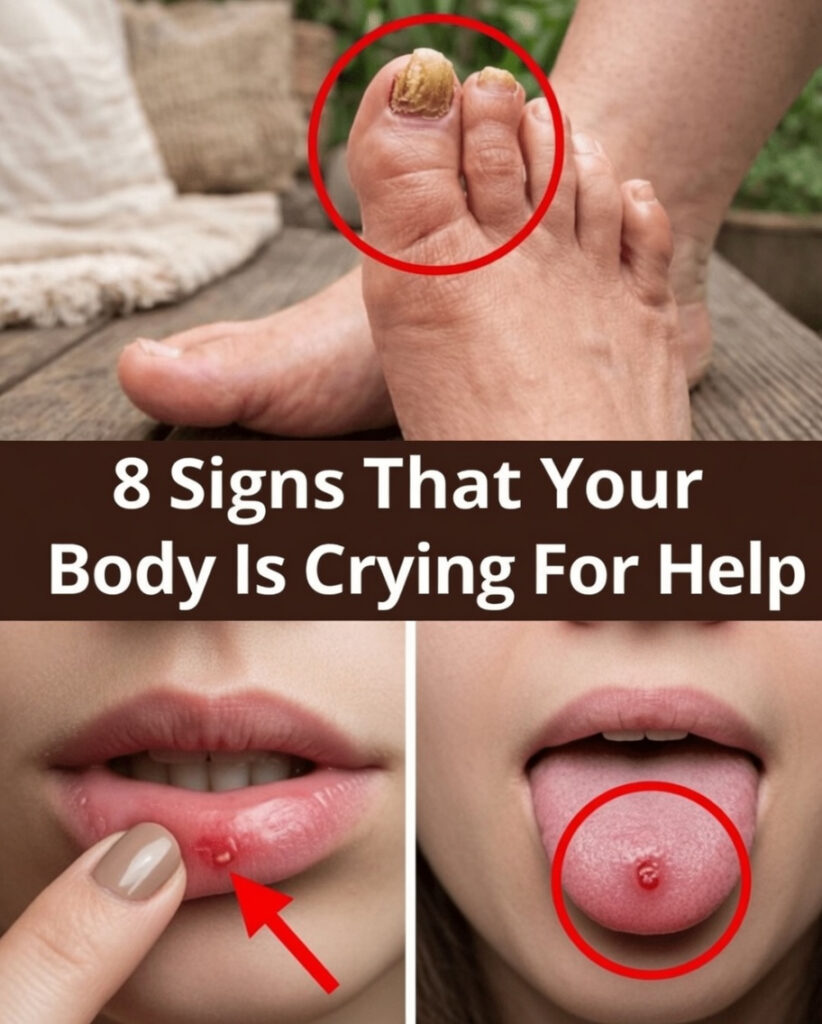
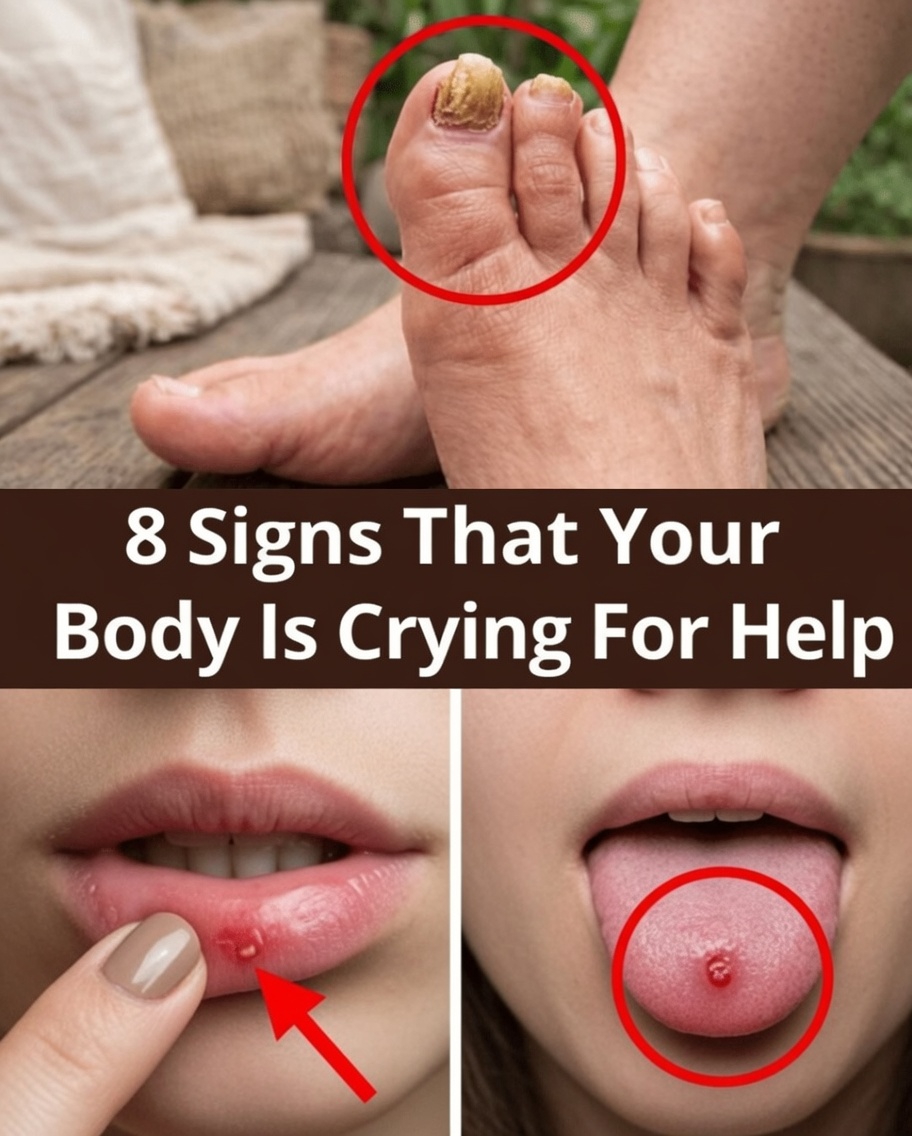
Understanding these signals can help you respond sooner and make better health decisions. Below are eight common signs and what they may suggest, along with easy steps you can take.
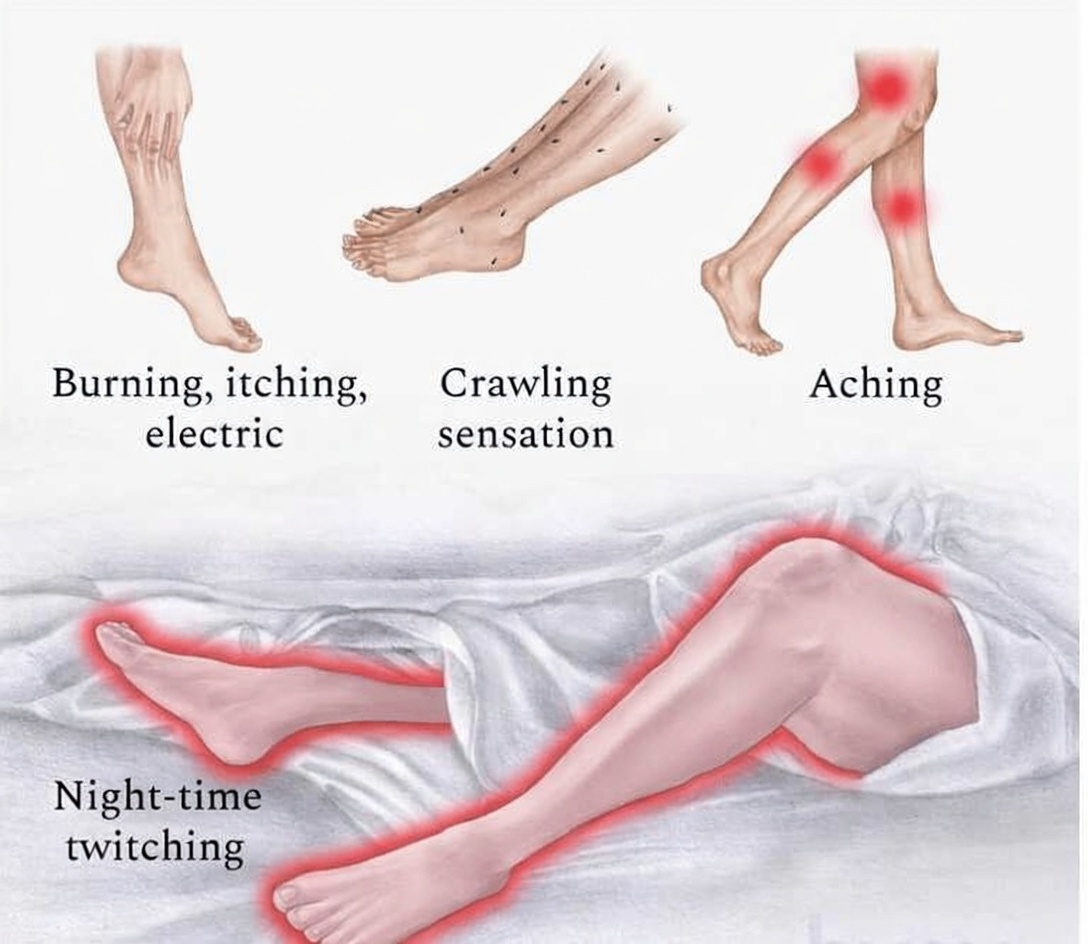
Sign 1: Insomnia, Irritability, and Leg Cramps
If you struggle to fall asleep, wake up feeling tense, and deal with nighttime leg cramps, those symptoms may be connected. Together, they can interfere with both sleep quality and daytime mood.
What It May Mean
These issues are often associated with low magnesium or potassium intake. Magnesium supports muscle relaxation and healthy nerve activity, while potassium helps regulate fluid balance and muscle function.
Helpful Steps to Try
Add more mineral-rich foods to your meals, such as:
- Bananas for potassium
- Spinach and other leafy greens for magnesium
- Nuts and seeds for an easy nutrient boost
A calming bedtime routine may also help. Gentle stretching before sleep can reduce tension, and staying properly hydrated may lessen cramping.
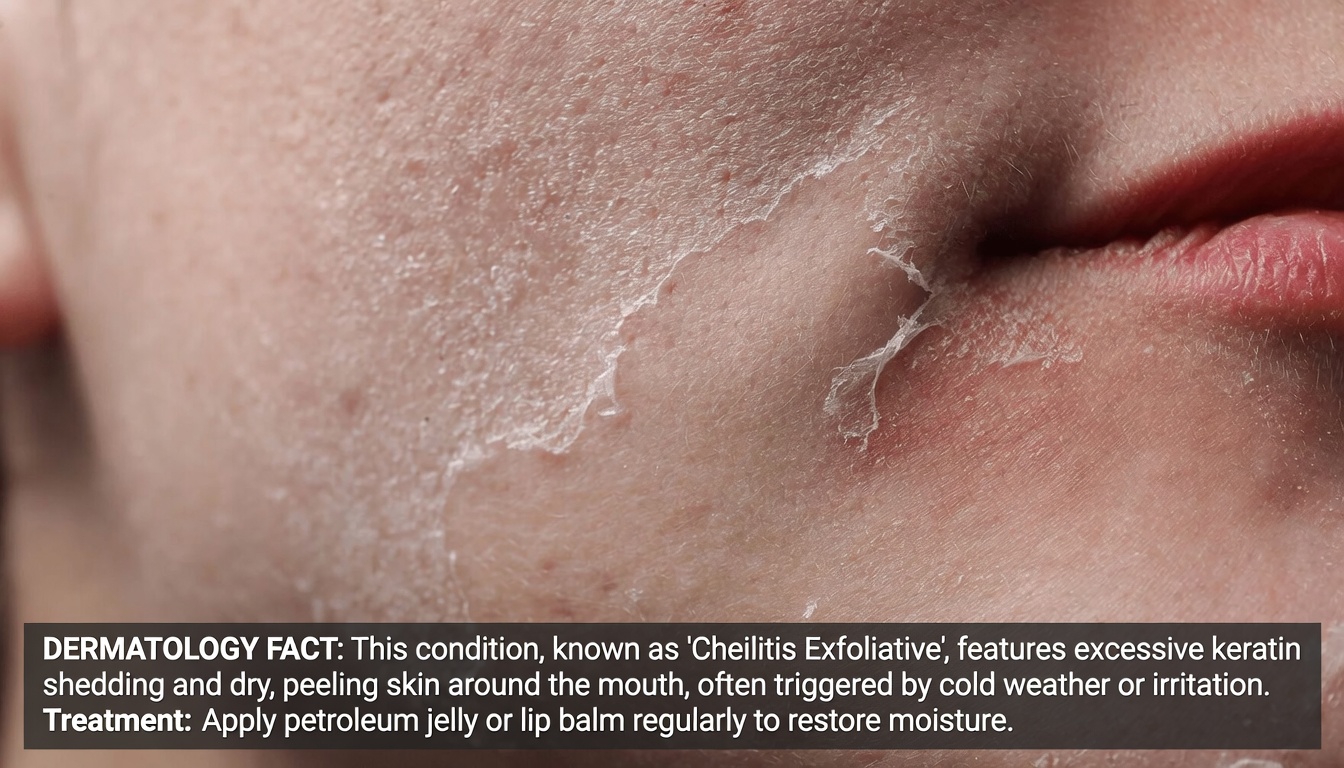
Sign 2: Dry Skin
Skin that feels rough, flaky, or tight even after applying lotion is a common concern, especially during colder months or in dry climates.
What Could Be Behind It
Dry skin may be linked to low vitamin E intake, since this antioxidant supports skin health. Environmental factors such as low humidity, hot showers, and dehydration can make the problem worse.
Ways to Support Healthier Skin
Start with internal hydration by aiming for enough water throughout the day. Then include foods that naturally provide vitamin E, including:
- Almonds
- Sunflower seeds
- Avocados
Applying a mild moisturizer immediately after bathing can also help seal in moisture. Over time, consistent care often improves skin texture and comfort.
Sign 3: Sudden Cravings for Sweets
A strong urge for sugary foods can feel like a lack of self-control, but that is not always the full story. Sometimes the body is reacting to a deeper need.
Why It Happens
Sugar cravings may be related to blood sugar swings, meal timing, or nervous system demands. Some sources also suggest a possible link with low chromium or carbon levels, although more research is still needed.
Smarter Ways to Respond
Instead of reaching for candy or pastries, try stabilizing your energy with more balanced meals. You can:
- Eat a protein-rich snack, such as yogurt with berries
- Avoid going too long between meals
- Add whole grains for steadier energy release
Balanced eating patterns often reduce sweet cravings naturally.
Sign 4: Craving or Chewing Ice
Chewing ice may seem harmless, but if you do it often, it can be worth paying attention to.
A Possible Explanation
This habit, called pagophagia, is frequently associated with iron deficiency or anemia. In some cases, it may be one of the body’s earliest signals that iron levels should be checked.
What You Can Do
Support iron intake through food by choosing options like:
- Lean meats
- Lentils and beans
- Dark leafy greens
It also helps to combine iron-rich foods with vitamin C sources such as oranges, strawberries, or bell peppers to improve absorption. If this craving continues, a blood test may be a useful next step.
Sign 5: Bleeding Gums
Seeing blood when brushing or flossing is not unusual, but it should not be ignored.
What It Might Suggest
Bleeding gums can be linked to low vitamin C, which is important for tissue repair and gum health. In other cases, brushing too aggressively or poor oral hygiene may contribute.
Better Oral Care Habits
To improve gum health, try the following:
- Use a soft-bristled toothbrush
- Floss daily to reduce plaque buildup
- Eat foods high in vitamin C, such as strawberries, citrus fruits, and bell peppers
Good oral care habits make a significant difference over time.
Sign 6: Weak Nails and Thinning Hair
If your nails split easily or your hair feels thinner than usual, the cause may go beyond cosmetics.
Common Links
Brittle nails and hair changes are sometimes associated with low biotin or inadequate protein intake. Stress, hormone shifts, and overall health can also influence these symptoms.
Nutrition and Care Tips
To support stronger hair and nails, focus on:
- Eggs for biotin
- Fish, beans, or lean protein sources
- Gentle hair products that reduce breakage
Visible improvement may take several weeks, so patience and consistency are important.
Sign 7: A Constantly Stuffy Nose
If your nose feels blocked even when you are not sick, the cause may be something other than a cold.
Possible Causes
Persistent congestion may be related to environmental irritants, dry indoor air, or in some discussions, low sulfur intake. Allergies can also be a major factor.
Simple Remedies That May Help
You may feel better by:
- Using a humidifier indoors
- Including sulfur-containing foods such as onions, garlic, and eggs
- Rinsing nasal passages with saline
Improving your environment can make breathing much easier.
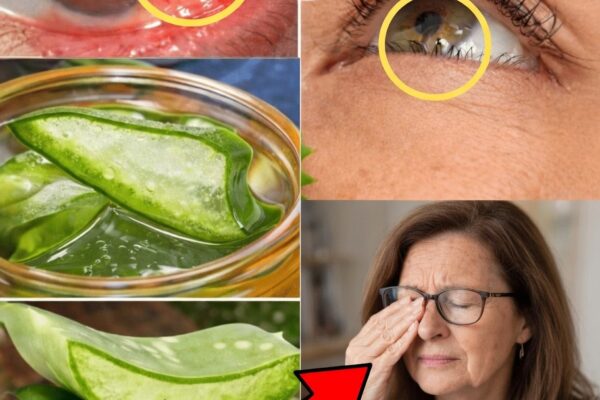
Sign 8: White or Gray Rings Around the Irises
A pale ring around the colored part of the eye is often noticed more in older adults, but younger people can see it too.
What Studies Suggest
These rings, often called arcus senilis, may be associated with cholesterol levels in some individuals. They are commonly harmless, but they can still be worth discussing with a healthcare professional.
Proactive Steps for Heart Health
To support healthier cholesterol balance, consider:
- Eating fewer saturated fats
- Exercising regularly, even if it is just walking
- Scheduling routine health check-ups
Awareness can lead to earlier action and better long-term outcomes.
Quick Comparison of Common Signs and Possible Nutrient Links
Here is a simple overview of these signs and the nutrients or health factors they may relate to:
| Sign | Possible Link | Helpful Food Sources |
|---|---|---|
| Leg cramps, irritability, insomnia | Magnesium or potassium | Bananas, spinach, nuts |
| Dry skin | Vitamin E | Almonds, sunflower seeds, avocados |
| Sweet cravings | Blood sugar balance, possible chromium link | Whole grains, broccoli |
| Ice craving | Iron | Lentils, red meat, leafy greens |
| Bleeding gums | Vitamin C | Citrus fruits, peppers, strawberries |
| Fragile nails and hair | Biotin or protein | Eggs, fish, beans, nuts |
| Stuffy nose | Sulfur, dry air, irritants | Garlic, onions, eggs |
| Rings around the iris | Cholesterol balance | Oats, fish, heart-healthy foods |
This table is a useful guide, but every person is different, and symptoms can have more than one cause.
Other Ways to Become More Aware of Your Body
In addition to watching for physical signs, it can help to track how you feel each day. A simple journal can reveal patterns in mood, digestion, sleep, energy, and discomfort that you might otherwise miss. Research also suggests that mindfulness practices can improve body awareness.
A few everyday habits can build a stronger foundation for better health:
- Move your body regularly
- Make sleep a priority
- Drink enough water
- Eat a varied, nutrient-rich diet
These basics often have a bigger impact than people realize.
Conclusion
From leg cramps and dry skin to gum changes and eye rings, your body often provides early hints about what it needs. Paying attention to these signs can help you take practical steps before small issues become larger ones. Simple adjustments, such as improving your diet, staying hydrated, and keeping up with routine health checks, can support better balance overall.
And that surprising habit mentioned earlier? Try practicing deep breathing every day. It is a simple way to slow down, reduce stress, and become more tuned in to the subtle signals your body sends.
FAQ
What should I do if I notice several of these signs at once?
It is a good idea to speak with a healthcare professional. They can look at the full picture and help determine whether the cause is nutritional, environmental, hormonal, or something else.
Do these symptoms always mean a nutrient deficiency?
No. They may also be related to stress, dehydration, poor sleep, medication, environmental triggers, or other medical conditions. That is why it is important to look at your health as a whole.
How quickly can diet changes make a difference?
It depends on the issue, but many people notice improvements within 2 to 4 weeks when healthy changes are made consistently.
Disclaimer
This article is for informational purposes only and should not replace professional medical advice. If you have ongoing symptoms or health concerns, consult a qualified doctor or healthcare provider.