Support Your Liver Naturally With Everyday Foods
Your liver is constantly at work. It helps break down the foods and drinks you consume, removes harmful substances, and supports countless functions that keep your body balanced. However, modern eating habits filled with ultra-processed foods, sweetened beverages, and frequent indulgences can place extra pressure on this essential organ. Over time, that strain may leave you feeling tired, heavy, bloated, or simply off.
The good news is that supporting liver health does not require harsh cleanses, expensive supplements, or restrictive eating plans. In many cases, simple additions to your daily meals can help your liver function more efficiently. Even one familiar morning drink may offer surprising benefits. Let’s explore the foods and beverages that can naturally support a healthier liver.
Why Liver Health Deserves Daily Attention
The liver is one of the body’s busiest organs. It plays a central role in nutrient metabolism, detoxification, digestion support, and energy regulation. When your liver is functioning well, your whole body tends to benefit.
Studies suggest that foods rich in antioxidants, fiber, and beneficial fats may help the liver carry out its natural protective processes. Choosing more whole foods on a daily basis is one of the simplest and most effective habits for long-term wellness.
Coffee: A Surprisingly Powerful Drink for Liver Support
Many people rely on coffee for energy, but it may also be one of the most liver-friendly beverages you can enjoy. Research indicates that coffee contains compounds and antioxidants that may help limit fat accumulation and collagen buildup in the liver. It has also been associated with a lower risk of certain liver-related issues, especially in people already dealing with chronic health concerns.
Another advantage is its potential effect on glutathione, an important antioxidant that helps the body counter free radical damage.
Simple tip:
- Drink 1 to 2 cups of coffee in the morning
- Choose black coffee or keep add-ins minimal
- Cut back on excess sugar, flavored syrups, and heavy creamers
A basic cup of coffee may do more for your liver than you expect.
Oatmeal: A Smart High-Fiber Breakfast
Oatmeal is an easy breakfast choice that can support liver health thanks to its fiber content. Oats contain beta-glucans, compounds linked to immune support and reduced inflammation. Some research also suggests they may help decrease fat storage in the liver.
For the best results, choose plain rolled oats or steel-cut oats instead of flavored instant packets, which often contain added sugar.
Easy way to enjoy it:
- Cook oats with water or unsweetened almond milk
- Add fresh berries on top
- Keep sweeteners light or skip them altogether
This simple morning meal can become a reliable part of a liver-friendly routine.

Green Tea: Antioxidants in Every Cup
Green tea is well known for its high antioxidant content, especially catechins. Research suggests these compounds may help improve liver enzyme levels and lower oxidative stress. Regular intake may also help reduce fat buildup in the liver.
Make it a habit:
- Sip 2 to 3 cups of unsweetened green tea during the day
- Use it as a replacement for soda or sugary coffee drinks
- Enjoy it hot or iced without added sugar
For many people, green tea also provides a steadier, gentler energy boost.
Garlic: Small Ingredient, Big Benefits
Garlic adds strong flavor to meals, but it may also offer meaningful support for the liver. Some studies suggest that garlic may help with weight control and reduce fat accumulation in people concerned about fatty liver. Its sulfur-containing compounds are also linked to the body’s detox-support systems.
How to use it:
- Add fresh garlic to stir-fries, soups, salads, and roasted vegetables
- Chop or crush it and let it rest for about 10 minutes before cooking
- Use it several times a week for regular benefits
That short waiting time helps activate its beneficial compounds.
Berries and Grapes: Colorful Protection for Your Cells
Berries such as blueberries and raspberries are rich in polyphenols, which help protect cells from oxidative damage. Grapes, particularly red and purple varieties, contain resveratrol, a plant compound associated with lower inflammation and healthier liver markers.
Liver-Friendly Fruits to Keep on Hand
- Blueberries
- Raspberries
- Red grapes
- Purple grapes
- Grapefruit in moderate amounts
These fruits are easy to enjoy fresh, blended into smoothies, or eaten as a quick snack. Their natural sweetness also makes healthy eating more satisfying.
Grapefruit: A Citrus Option With Liver Benefits
Grapefruit contains antioxidants such as naringin and naringenin, which may help protect the liver and support fat metabolism. Animal studies have shown promising results related to reduced fat accumulation.
A practical tip:
- Eat half a grapefruit a few times each week
- Pair it with a balanced breakfast
- Check with your doctor first if you take medications, since grapefruit can interact with some prescriptions
Its fresh, tangy flavor makes it an easy addition to a healthy plate.
Prickly Pear: A Traditional Choice Worth Knowing
Prickly pear, also called cactus fruit or opuntia, has a long history of use in traditional wellness practices. Research suggests that the fruit or its juice may help normalize liver enzyme levels and reduce oxidative stress, especially after alcohol intake.
Ways to try it:
- Look for fresh fruit in specialty markets
- Choose pure juice in moderation
- Add it to smoothies or drink it chilled
It is an interesting option if you want more variety in a plant-focused diet.
More Plant Foods That Can Help Support the Liver
A wide range of plant-based foods can contribute to better liver health. These foods supply fiber, antioxidants, and natural compounds that assist the body’s detoxification pathways.
Easy Grocery List for Liver Support
- Avocados
- Bananas
- Barley
- Beets
- Beet juice
- Broccoli
- Brussels sprouts
- Brown rice
- Carrots
- Lemons
- Papaya
- Watermelon
You can work these into salads, grain bowls, smoothies, soups, or side dishes. Variety matters, and eating a colorful mix of plant foods can offer broader benefits.

Fatty Fish: Omega-3s That Help Calm Inflammation
Fatty fish such as salmon and mackerel are excellent sources of omega-3 fatty acids. These healthy fats may help lower inflammation and reduce excess fat buildup in the liver. They fit especially well into a Mediterranean-style eating pattern.
Try this approach:
- Eat fatty fish about twice per week
- Bake or grill a 4-ounce portion
- Season with herbs and a little olive oil
This is a simple dinner choice that supports overall health in several ways.
Nuts: A Small Daily Portion With Real Benefits
Walnuts, almonds, and other nuts provide healthy fats and vitamin E. Research has linked nut consumption with better liver enzyme levels, particularly in people concerned about fatty liver.
Best way to enjoy them:
- Have a small handful each day
- Add them to oatmeal, yogurt, or salads
- Keep portions moderate since nuts are calorie-dense
A little goes a long way.
Olive Oil: A Better Fat for Everyday Use
Extra virgin olive oil is rich in monounsaturated fats and antioxidants. Using it in place of less healthy fats may help reduce fat accumulation and oxidative stress in the liver.
Simple habit change:
- Drizzle olive oil over salads and vegetables
- Use it for light sautéing
- Replace butter or highly refined oils when possible
This is one of the easiest swaps for better flavor and better nutrition.
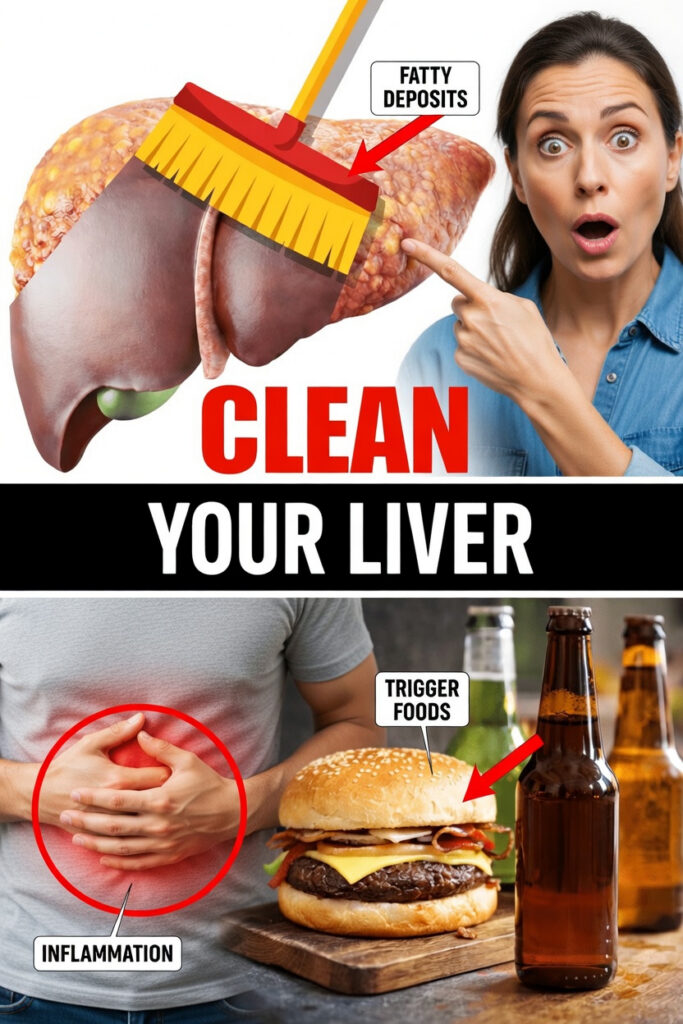
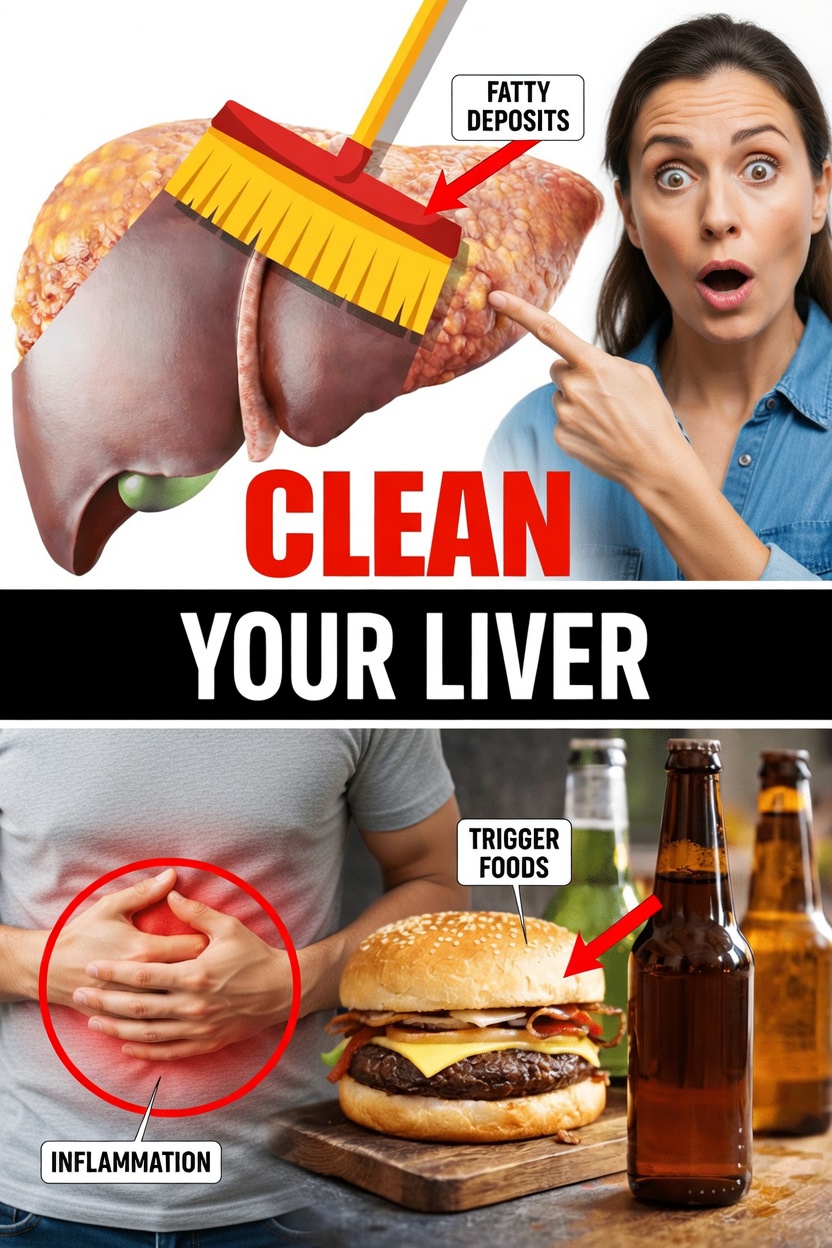
Foods to Cut Back on for Better Liver Health
Adding supportive foods is important, but reducing certain foods can help just as much. Some items increase the liver’s workload and may contribute to fat buildup or inflammation over time.
Foods and Drinks to Limit
- Fried foods and heavily processed meals
- Fast food and foods high in unhealthy fats
- Sugary snacks, desserts, and candy
- Soft drinks and sweetened beverages
- Packaged foods high in sodium
- Alcohol
- Sugary mixed drinks and cocktails
You do not need to eliminate everything at once. Gradual changes are often easier to maintain.
How to Build a Liver-Friendly Eating Routine
The most sustainable changes are usually the simplest. Start with one meal or one habit at a time.
Example of a balanced day:
- Begin with oatmeal and a cup of coffee
- Add a lunch salad with olive oil dressing
- Snack on berries and a few nuts
- Include vegetables and fatty fish at dinner
- Replace sugary drinks with green tea or water
Consistency matters more than perfection. Small daily choices can create meaningful long-term results.
Conclusion
Taking care of your liver does not have to be complicated. By including foods like coffee, oats, green tea, garlic, berries, grapefruit, prickly pear, vegetables, fatty fish, nuts, and olive oil, you can naturally support this vital organ. At the same time, cutting back on fried foods, excess sugar, too much salt, and alcohol can reduce unnecessary strain.
Start with gradual, realistic changes and pay attention to how your body responds. Over time, these simple habits can support better energy, digestion, and overall wellness.