12 Natural Foods That Can Help You Feel Better After 50
Reaching your 50s often comes with changes that are hard to ignore. You may feel your energy dip more quickly during the day, notice stiffness after exercise or long walks, or realize your body needs more time to recover than it once did. These shifts are common as metabolism changes and nutritional demands become more specific with age. The encouraging part is that everyday meals can have a meaningful impact on how strong, steady, and energized you feel.
Many adults over 50 find that choosing whole, nutrient-rich foods helps them stay active, support long-term health, and enjoy daily life more comfortably. Below are 12 powerful foods supported by general nutrition science, along with easy ways to include them in your routine. One especially familiar staple on this list is often underestimated, yet it can be remarkably helpful for stable energy and heart support.
Why Healthy Eating Becomes More Important After 50
As the body ages, it may absorb some nutrients less efficiently. At the same time, muscle mass tends to decrease unless it is supported with proper nutrition and regular activity. Research on healthy aging consistently points to the benefits of diets rich in colorful fruits and vegetables, fiber, healthy fats, and quality protein. These eating patterns may help maintain energy, support heart function, and make everyday movement feel easier.
A smart approach is not about strict dieting or cutting everything out. It is about regularly adding foods that nourish the body well.

1. Berries for Antioxidants and Everyday Energy
Blueberries, strawberries, raspberries, and similar fruits are packed with fiber, vitamin C, and antioxidant compounds. These nutrients help protect cells from daily stress and support overall wellness. Many people find that berries are an easy way to add freshness and nutrition to the day.
Easy ways to eat more berries
- Stir them into oatmeal or yogurt in the morning
- Blend them into a smoothie
- Enjoy them fresh as a light afternoon snack
2. Dark Leafy Greens for Strength and Stability
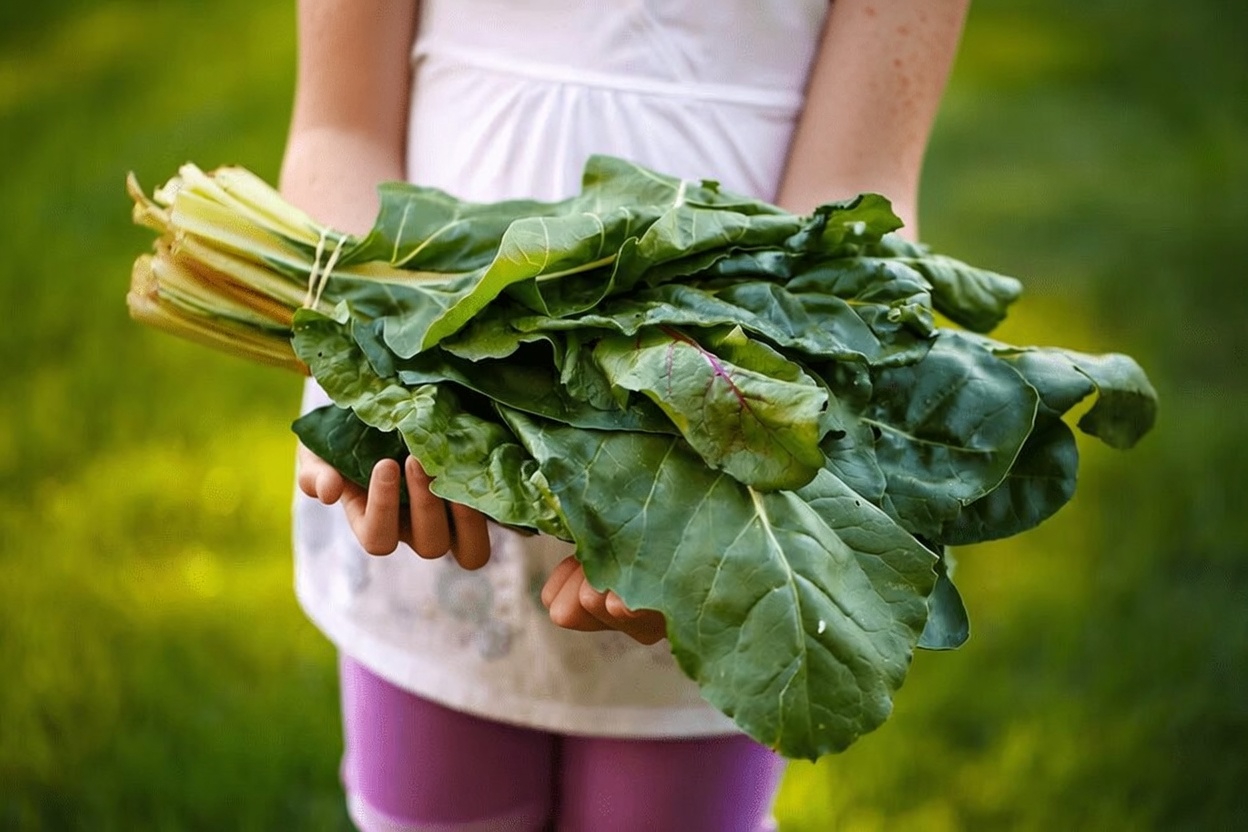
Spinach, kale, and Swiss chard offer a wide range of vitamins, minerals, and fiber. They are often recommended for adults over 50 because they provide nutrients such as calcium and magnesium while staying low in calories. These greens can support bone health and overall vitality.
Simple preparation works best:
- Sauté lightly with garlic and olive oil
- Add them to soups and stews
- Use them as the base for salads
3. Fatty Fish Like Salmon for Heart and Joint Support
Salmon, sardines, trout, and other oily fish provide omega-3 fatty acids and high-quality protein. These nutrients are linked to cardiovascular health and may support easier movement and muscle maintenance with age.
A practical target is about two servings per week. Try them:
- Baked with herbs
- Grilled for a simple meal
- Flaked over salads or grain bowls
4. Sweet Potatoes for Long-Lasting Energy
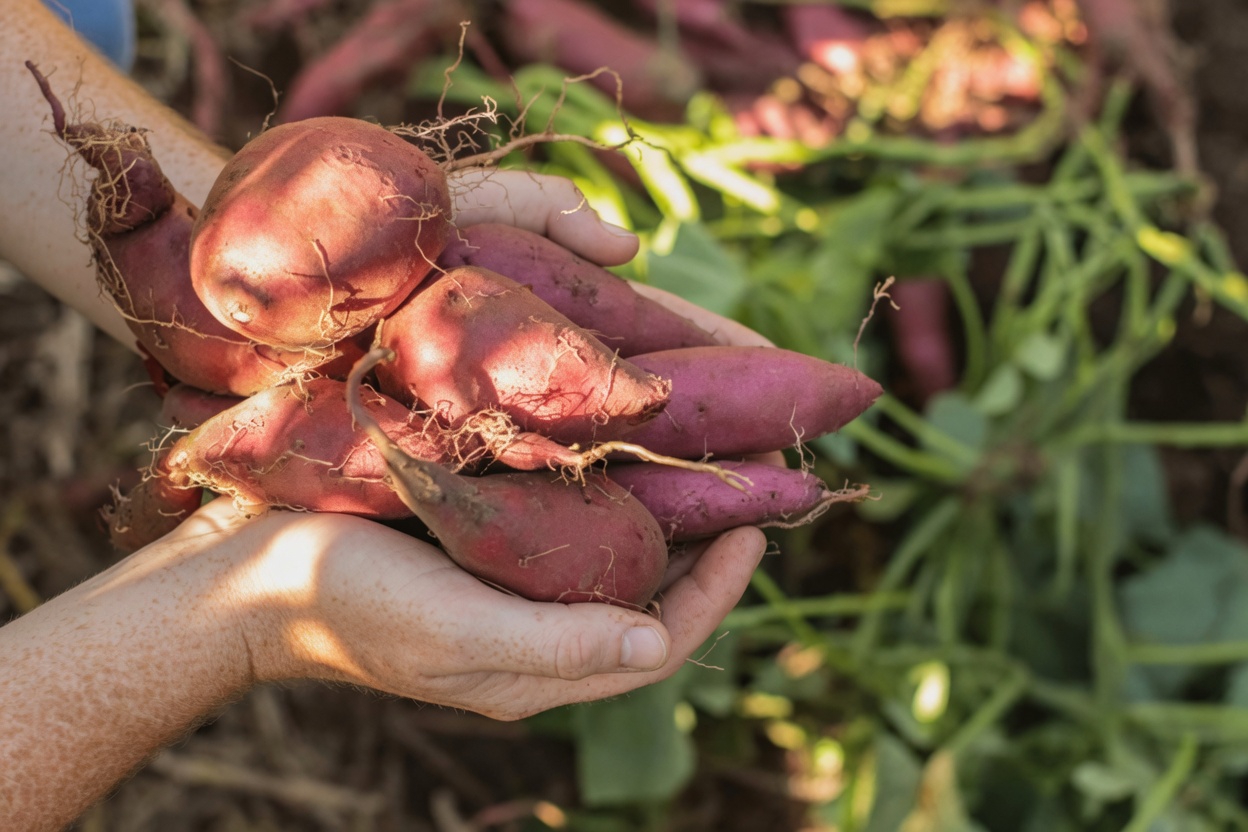
Sweet potatoes are the everyday food many people overlook. They contain fiber, potassium, vitamin C, and beta-carotene, which the body converts into vitamin A. Because they are a source of complex carbohydrates, they help provide energy more gradually instead of causing rapid spikes followed by crashes.
Their natural sweetness also makes them satisfying without feeling too heavy. For many adults over 50, sweet potatoes are a great choice for steady energy, digestive comfort, and balanced meals.
Simple sweet potato ideas
- Bake them whole and add a little cinnamon
- Mash them as an alternative to regular potatoes
- Roast cubes with olive oil and herbs
They also pair well with several other foods on this list, making it easy to build more nutritious meals.
5. Nuts and Seeds for Heart Health and Satisfaction
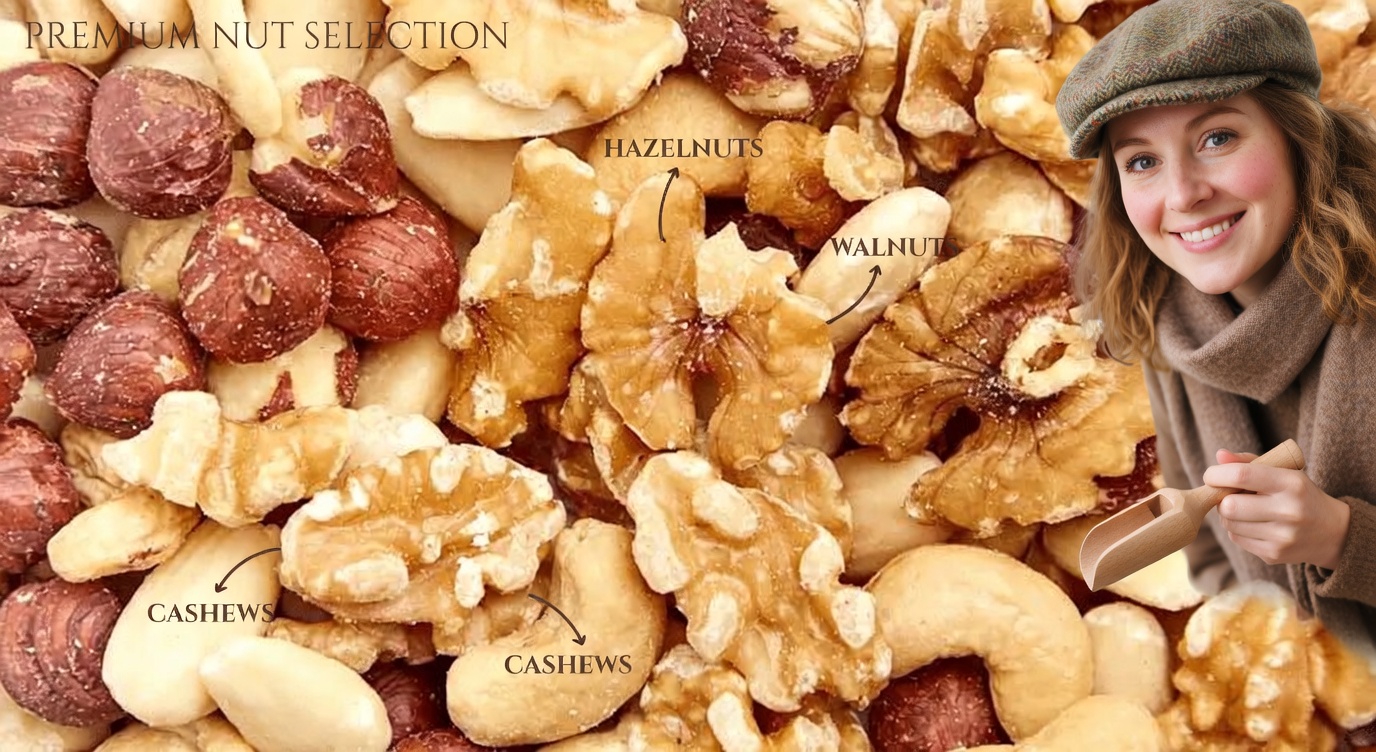
Almonds, walnuts, flaxseeds, chia seeds, and similar options provide healthy fats, protein, and magnesium. They are filling, convenient, and often associated with better heart health markers when eaten in moderate portions.
Good habits to follow
- Choose unsalted versions when possible
- Keep servings moderate, around one ounce a day
- Add them to yogurt, oatmeal, or salads
6. Avocados for Healthy Fats and Potassium
Avocados are rich in monounsaturated fats and potassium, both of which fit well into a heart-conscious eating pattern. Their creamy texture also makes them easy to include in meals.
Easy serving ideas
- Spread on whole-grain toast
- Slice into salads
- Mash with lemon as a simple dip or topping
7. Beans and Legumes for Fiber and Plant Protein
Lentils, black beans, chickpeas, and kidney beans are affordable, versatile, and highly nutritious. They offer protein plus fiber, which can help support digestion and keep you feeling full longer. That can be especially helpful when stable energy becomes more important.
Ways to add them more often
- Toss chickpeas into salads
- Use lentils in soups
- Add black beans to grain bowls or wraps
8. Whole Grains Like Oats for a Strong Start
Oats and other whole grains provide soluble fiber and B vitamins that support steady blood sugar and heart health. A bowl of oatmeal remains one of the simplest and most reliable breakfasts for adults who want sustained morning energy.
Other helpful whole grains include:
- Brown rice
- Quinoa
- Barley
- Whole-grain bread
9. Eggs for Convenient, High-Quality Protein
Eggs are an easy source of complete protein and also provide nutrients like choline and vitamin D, especially in fortified or pasture-raised varieties. They are quick to cook, budget-friendly, and satisfying in many different meals.
Simple options
- Scrambled with vegetables
- Boiled for a snack
- Served with whole-grain toast for breakfast
10. Greek Yogurt or Low-Fat Dairy for Bones and Muscles
Plain Greek yogurt is rich in protein and calcium, two nutrients that matter for maintaining bone strength and muscle support over time. Choosing unsweetened varieties helps reduce added sugar while still giving you flexibility with flavor.
Healthy ways to serve it
- Top with berries and nuts
- Mix in a drizzle of honey
- Use it in smoothies or as a creamy topping
11. Olive Oil as an Everyday Healthy Fat
Extra virgin olive oil is a staple in many eating patterns associated with longevity. It adds flavor while delivering beneficial fats and plant compounds that support overall wellness.
Best uses for olive oil
- Drizzle over salads
- Use in light sautéing
- Add to roasted vegetables
12. A Wide Range of Colorful Produce for Total Nutrition
Beyond berries and leafy greens, vegetables and fruits such as tomatoes, broccoli, carrots, and citrus fruits bring in even more vitamins, antioxidants, and hydration. Eating a variety of colors is one of the easiest ways to broaden your nutrient intake and keep meals appealing.
How These Foods Support Health After 50
Here is a quick look at how these choices may help in key areas:
Energy support
- Sweet potatoes
- Oats
- Beans
These foods provide complex carbohydrates and fiber for a steadier release of energy.
Heart health
- Fatty fish
- Avocados
- Nuts
- Olive oil
These foods supply healthy fats, potassium, and nutrients linked to cardiovascular support.
Joint and movement comfort
- Salmon
- Walnuts
- Berries
- Dark leafy greens
These options contain omega-3 fats and antioxidant compounds that may help support comfort and mobility.
Overall vitality
- Leafy greens
- Eggs
- Greek yogurt
These foods deliver protein, vitamins, and minerals that help support the body as it ages.
Easy Ways to Add These Foods to Daily Meals
You do not need to completely change your diet overnight. Small steps are often the easiest to maintain.
Breakfast ideas
- Top oatmeal with berries and chopped walnuts
- Add scrambled eggs on the side
- Enjoy Greek yogurt with fruit and seeds
Lunch ideas
- Build a salad with dark greens, chickpeas, avocado, and olive oil dressing
- Add grilled salmon a couple of times each week
- Include a side of whole grains for extra staying power
Smart snack options
- Keep a small handful of nuts nearby
- Choose fruit instead of highly processed snacks
- Try Greek yogurt with berries in the afternoon
Dinner ideas
- Serve a baked sweet potato with roasted vegetables and lean protein
- Drizzle vegetables with olive oil
- Add beans or lentils for extra fiber and nourishment
Hydration matters too
- Drink water with meals
- Herbal tea can also be a soothing option for daily hydration
Preparing a few ingredients ahead of time, such as washing greens or cooking a batch of beans, can make healthy eating much easier during busy days.
The Bottom Line
Including these 12 natural foods in your routine can help support energy, heart health, and more comfortable movement after 50. The goal is not perfection. What matters most is consistency, variety, and choosing foods you truly enjoy.
Even small upgrades to your meals can add up over time. Many people begin to notice better daily energy and a stronger sense of well-being within just a few weeks of making simple, steady changes.
FAQ
1. Can I eat these foods every day?
Yes, most of these foods can be enjoyed daily or almost daily as part of a varied, balanced diet. Pay attention to how your body responds, and speak with your healthcare provider if you need personalized guidance.
2. Are there any foods here that should be eaten in smaller portions?
Yes. Nuts, avocados, and fatty fish are very nutritious, but they are also more calorie-dense than some other foods. Moderate portions usually work best within an overall balanced eating plan.