

Common Signs of a Vaginal Yeast Imbalance and How to Support Daily Comfort
Many women are surprised by sudden vaginal discomfort that seems to appear out of nowhere. Persistent itching, an unusual thick discharge, or a burning feeling during everyday activities can be upsetting, inconvenient, and hard to ignore. These symptoms may interfere with sleep, make exercise uncomfortable, and even affect confidence during intimacy.
The good news is that these changes are very common, especially during hormonal fluctuations or after certain medications. Learning to recognize the early signs can help you feel more informed and in control. Just as important, simple daily habits may help support vaginal comfort and a healthier sense of balance.
How Vaginal Balance Changes
The vagina has its own natural ecosystem made up of bacteria and other microorganisms. When that balance is stable, the area usually feels normal and comfortable. But sometimes yeast that is naturally present in the body can grow more than usual, leading to irritation and noticeable changes.
Stress, medications, and shifts in the menstrual cycle are all commonly discussed factors that may contribute to this imbalance. Noticing these symptoms does not mean you need to panic. Instead, it is a chance to pay attention to what your body may be signaling.
The Most Common Symptoms Women Report
Women’s health sources often describe a recognizable group of symptoms that tend to occur together when yeast overgrowth becomes more obvious. The most frequently noticed signs include:
- Strong itching or irritation around the vagina and vulva
- Thick white discharge with a clumpy texture, often compared to cottage cheese
- Redness, swelling, or tenderness of the vulva
- Burning during urination or discomfort during intimacy
- General soreness or a raw feeling that can affect sitting, walking, or resting
The severity can differ from person to person. For some women, symptoms are mild and manageable. For others, they can become much more disruptive. Women’s health discussions often note that up to 75% of women may experience this type of discomfort at least once in their lives.
What the Discharge Usually Looks Like
A change in discharge is one of the most noticeable signs. Instead of the usual clear or slightly milky fluid, it may become:
- Whiter than normal
- Thicker in consistency
- Lumpy or clumped
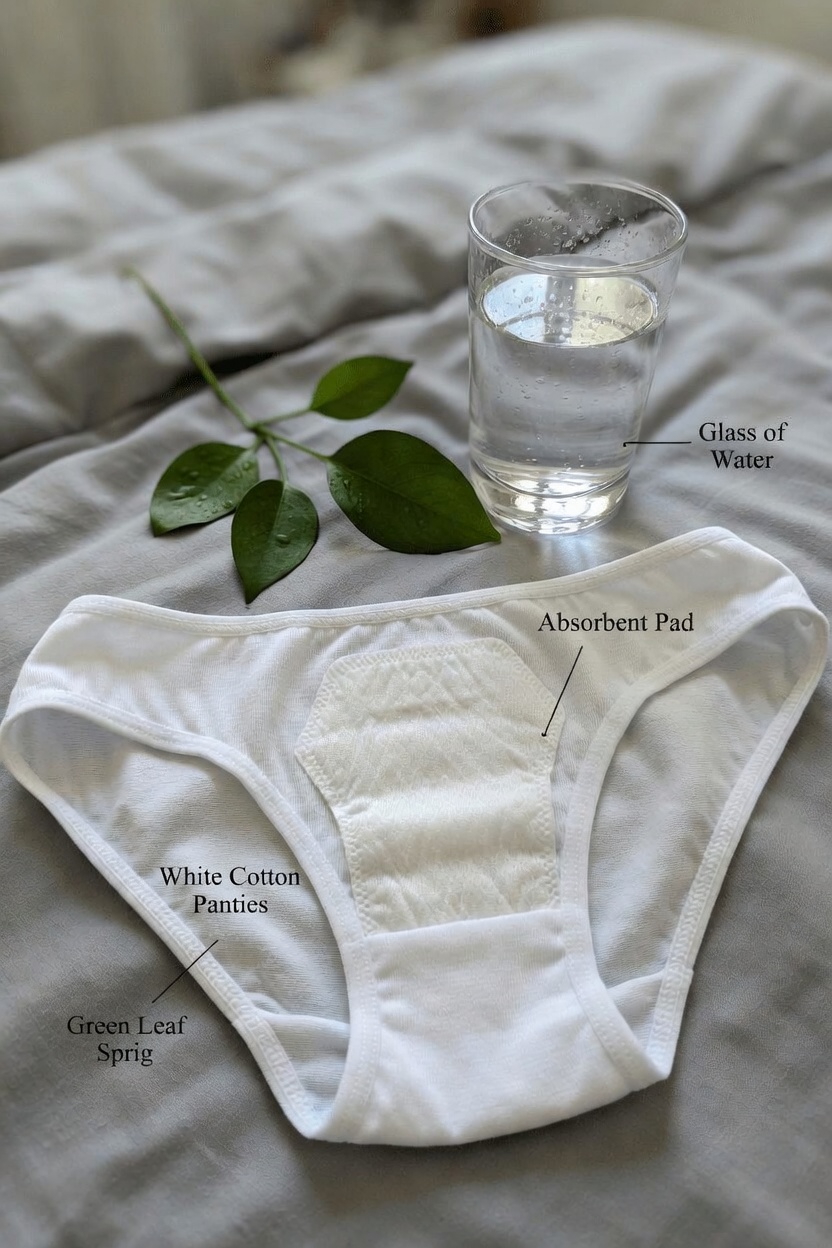
Some women first notice it on toilet paper, underwear, or when checking the area themselves. It may look curd-like and can sometimes have a faint yeasty scent, although a strong odor is not always present. On dark underwear, it may appear as visible white streaks or small clumps, which can feel unexpected and embarrassing.
What often stands out most is not just the discharge itself, but the combination of that clumpy texture with itching, redness, or swelling.
How These Symptoms Can Affect Everyday Life
Vaginal discomfort can influence much more than physical comfort. It may start with itching in the morning, irritation while sitting at work, or a burning sensation that makes using the bathroom unpleasant. Over time, these symptoms can affect mood, concentration, exercise, and self-confidence.
Even staying hydrated may feel frustrating if urination causes burning. And when symptoms show up repeatedly throughout the day, it is easy to become self-conscious.
At the same time, understanding the pattern of symptoms matters. Some forms of vaginal discomfort overlap with other common concerns, but the combination of thick clumpy discharge and external irritation often suggests a specific type of imbalance rather than a different issue.
Daily Habits That May Help Support Vaginal Comfort
Maintaining vaginal comfort does not have to involve complicated routines. Many women find that small, consistent habits make a real difference. Helpful practices include:
- Choose breathable cotton underwear to improve airflow
- Wear loose-fitting clothing when possible to reduce trapped moisture
- Avoid scented soaps, sprays, and douches, which may disrupt natural pH balance
- Use plain water or a fragrance-free cleanser for the external area
- Change out of wet workout clothes or swimsuits quickly
- Wipe from front to back after using the bathroom
- Use panty liners when discharge is heavier, changing them often for freshness
These simple steps can be easy to add to your routine and may help you feel cleaner, drier, and more comfortable.
Lifestyle Factors That May Influence Vaginal Balance
Vaginal comfort is often connected to broader lifestyle habits. Some women focus on a balanced diet rich in vegetables and probiotic foods such as yogurt or kefir to support overall microbial balance, though results can vary by individual.
Other supportive habits include:
- Drinking enough water to support healthy urination
- Managing stress through walking, stretching, or deep breathing
- Keeping routines consistent, rather than aiming for perfection
Stress is especially worth noting because it can influence hormone levels and overall body balance. Often, steady self-care matters more than dramatic changes.

When to Talk to a Healthcare Professional
If symptoms last longer than a few days, become intense, or keep coming back, it is a good idea to check in with a doctor or gynecologist. A healthcare professional can help determine whether yeast overgrowth is the cause or whether another condition may be involved.
Seeking guidance early can bring reassurance and help you find the most appropriate next step for your situation. Your body’s signals are worth taking seriously.
Why Post-Sex Hygiene Can Be Helpful
One simple habit many women find useful is urinating after sex. This practice can support urinary tract health by helping flush away bacteria that may have entered the urethral area during intimacy. While it is not a treatment for yeast-related discomfort, it fits well into a gentle self-care routine.
Pairing this with a quick external rinse using water can help you feel cleaner and fresher afterward.
Final Thoughts on Recognizing the Signs
Knowing the common symptoms of a vaginal yeast imbalance can help you respond with awareness instead of worry. Itching, clumpy white discharge, burning, redness, and lingering soreness are all signs your body may be asking for attention.
When you combine that awareness with supportive everyday habits, you create a stronger foundation for comfort, confidence, and better vaginal health.
FAQ
How common are signs of a vaginal yeast infection?
They are very common. Many women experience these symptoms at least once, particularly during hormonal changes or after taking antibiotics. Women’s health resources often note that most women will face this kind of discomfort at some point.
Can the discharge look different from the typical cottage-cheese description?
Yes. Although thick, white, clumpy discharge is often considered classic, the appearance can vary. In some cases it may be slightly less thick or not as obviously lumpy. Hydration, timing, and the stage of the imbalance may all affect how it looks.
How are these symptoms different from other types of vaginal discomfort?
Some symptoms, such as itching and discharge, can appear in multiple conditions. However, thick white discharge combined with outer redness and irritation is more commonly associated with yeast overgrowth than with bacterial causes.