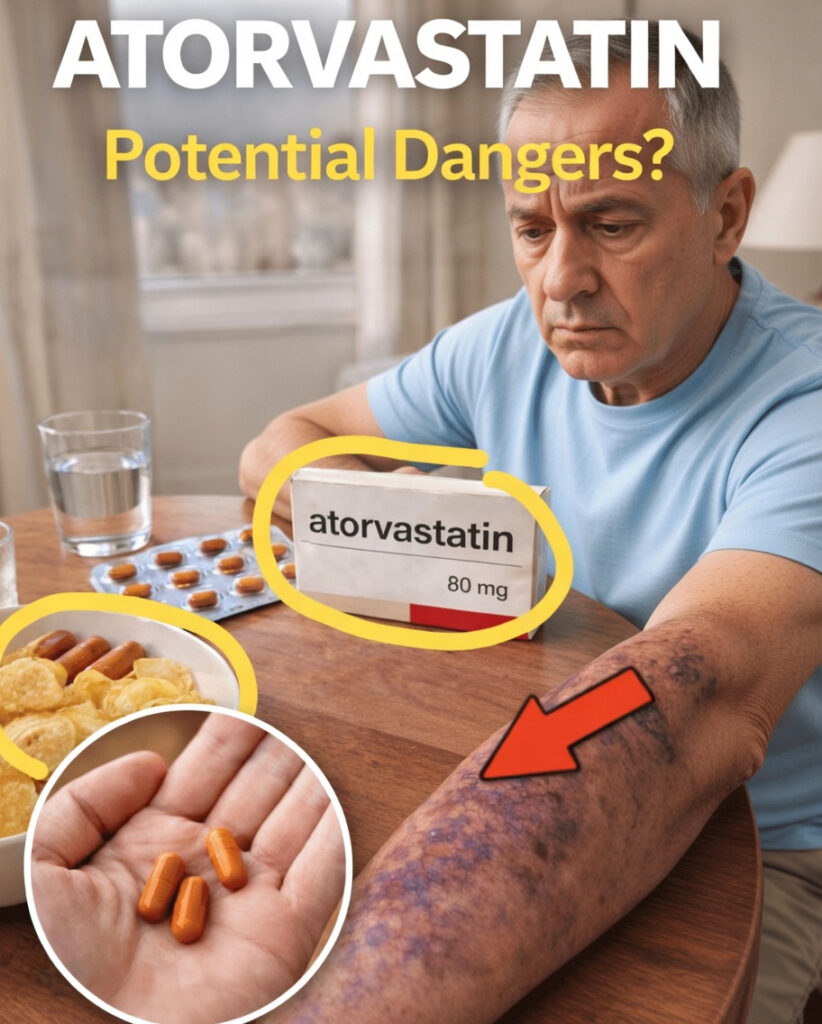
Atorvastatin Side Effects: What’s Common, What’s Not, and What Recent Research Shows
Millions of adults use atorvastatin daily to lower cholesterol and protect their long-term heart health. For many people, the medication becomes a routine part of life without much disruption. For others, however, symptoms such as muscle soreness, digestive discomfort, or unusual fatigue can raise concerns and make daily routines feel more difficult.
When that happens, it is natural to wonder whether the medicine is still the right fit, especially if you are already working on healthy eating and regular exercise. The reassuring part is that accurate, up-to-date information can make these concerns much easier to understand.
What many people do not realize at first is that a major 2026 research review uncovered something unexpected: several symptoms often blamed on atorvastatin may not actually be caused by the drug itself, and one simple everyday habit may help reduce discomfort without major lifestyle changes.
Why Atorvastatin Is Prescribed So Often
Atorvastatin belongs to a group of medications called statins. It helps lower LDL, often called “bad” cholesterol, and can also support healthier HDL, known as “good” cholesterol. Doctors commonly prescribe it for people with elevated cholesterol, those who have already had heart-related issues, or individuals who need to reduce future cardiovascular risk.
Its widespread use is backed by decades of clinical experience and strong evidence showing that it helps reduce the risk of heart attack, stroke, and other cardiovascular problems over time. Even so, no two people respond exactly the same way. Dose, age, lifestyle, and interactions with other medications can all influence how someone feels while taking it.
That is why it helps to know which effects are common, which are uncommon, and when to speak with a healthcare professional.
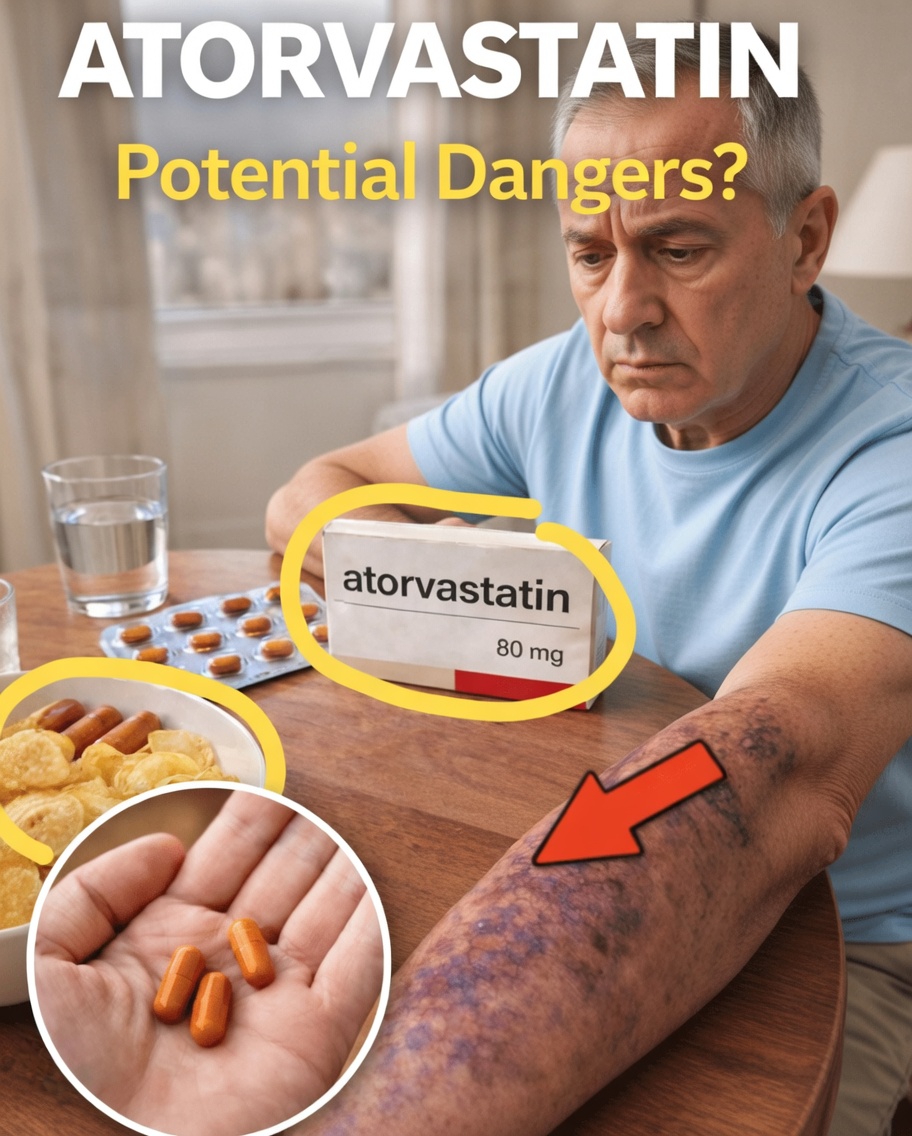
8 Frequently Reported Effects of Atorvastatin
Medical sources such as Mayo Clinic and WebMD consistently mention the following symptoms as some of the most commonly reported by patients. In many cases, these effects are mild and may improve as the body adjusts or after small changes in routine.
- Muscle pain, tenderness, or weakness, especially in the legs, hips, or shoulders
- Joint discomfort or stiffness
- Headaches that come and go
- Diarrhea or loose bowel movements
- Nausea or minor stomach irritation
- Feeling more tired than usual
- Sleep disturbances or restless nights
- A runny or blocked nose, sometimes with a mild sore throat
These symptoms are often what people notice first, but they are not the full story.
7 Other Side Effects to Be Aware Of
A large 2026 review published in The Lancet examined data from more than 120,000 participants across dozens of clinical trials. The analysis showed that many symptoms listed on statin labels happened at nearly the same rate in people taking a placebo. Even so, a few additional effects are still worth knowing about.
- Slight changes in blood sugar
- Temporary rises in liver enzyme tests, usually found during routine lab monitoring
- Mild rash, itching, or skin redness
- Occasional dizziness or lightheadedness
- Mild swelling in the ankles or feet
- Changes in urination or symptoms linked to urinary tract irritation
- Rare signs of more serious muscle injury, such as unusually dark urine
One of the most important findings from this research is that many commonly feared symptoms may not be directly caused by atorvastatin. In some cases, the nocebo effect may be involved, meaning people expect side effects and then become more aware of normal physical sensations.
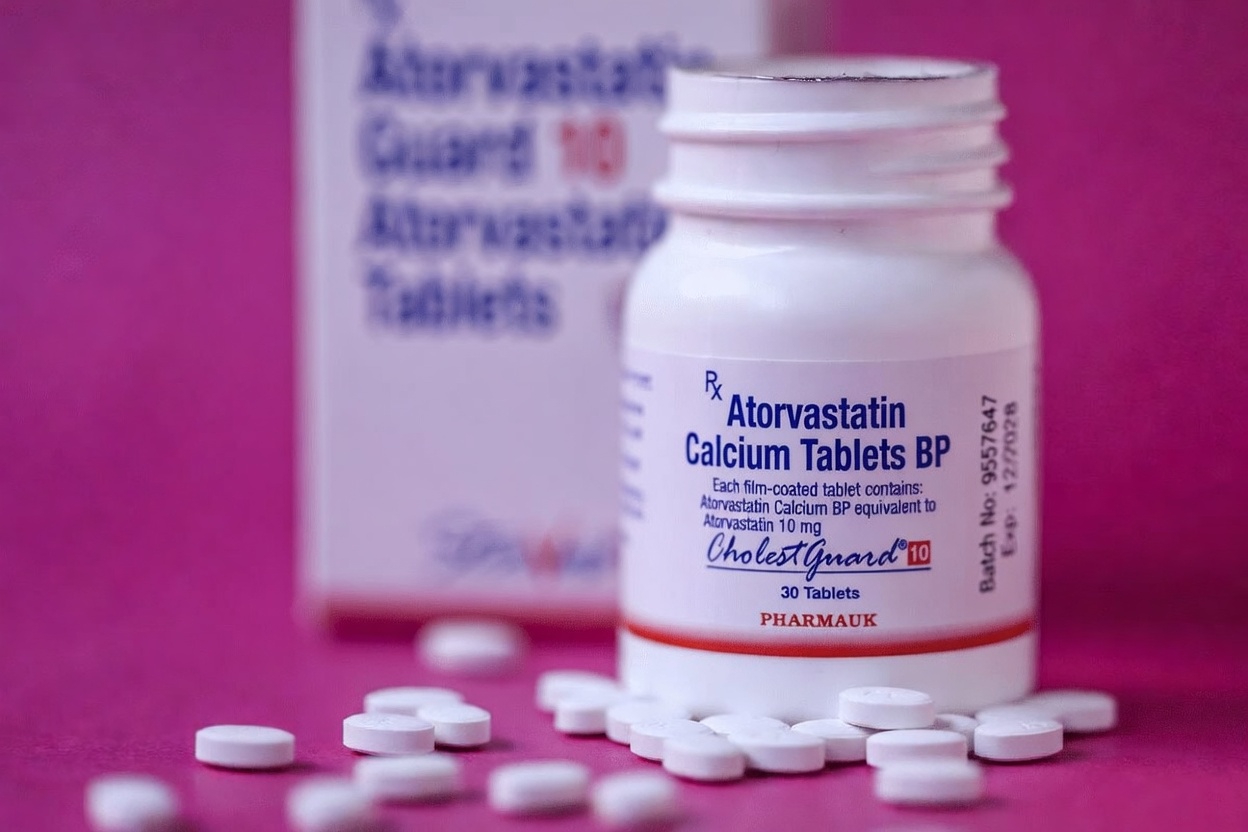
What the Latest Research Really Means
The 2026 Lancet review drew major attention because it clarified what is truly linked to statin use and what is not. Among 66 commonly listed concerns, only a small number showed a meaningful connection to atorvastatin or similar statins:
- Muscle-related symptoms, affecting about 1% of users during the first year
- A very small increase in blood sugar
- Minor changes in liver blood tests
- Slight shifts in fluid balance
By contrast, the review found no meaningful difference between statin users and placebo groups for:
- Memory problems
- Mood changes
- Sleep issues
- Sexual function concerns
- Weight gain
- Fatigue
This helps explain why many people feel more comfortable continuing treatment once they understand the actual numbers. Clear information can reduce worry and make side effects easier to interpret.
5 Practical Ways to Feel More in Control
You do not need to wait until your next appointment to take a more active role in managing your experience with atorvastatin. These simple steps can help you and your healthcare team identify patterns and improve comfort.
-
Track symptoms briefly each day
Write down what you feel, when it happens, and what you ate or did that day. Even a short note can reveal useful patterns. -
Bring that record to your doctor or pharmacist
A symptom log can help identify medication interactions, timing issues, or whether a dose adjustment might help. -
Stay on schedule with blood tests
Routine lab work is one of the best ways to catch liver changes, blood sugar shifts, or other concerns early. -
Support your body with healthy basics
Gentle exercise, good hydration, and balanced meals may help with energy, digestion, and muscle comfort. -
Ask about supportive options
If muscle discomfort is a concern, speak with your doctor about whether coenzyme Q10 or another approach may be appropriate for you.
These actions help turn uncertainty into a more informed partnership with your healthcare provider.
Warning Signs That Need Fast Medical Attention
Most people who take atorvastatin do not experience serious problems. Still, some symptoms should never be ignored. Contact your doctor promptly or seek urgent care if you notice any of the following:
- Severe muscle pain or weakness without a clear reason
- Dark-colored urine
- Yellowing of the skin or eyes
- Pain in the upper abdomen
- Sudden swelling along with shortness of breath
- Signs of a serious allergic reaction, such as blistering rash or trouble breathing
Early medical attention can make a significant difference if a serious side effect is developing.
The Bottom Line
Atorvastatin remains one of the most commonly used and well-studied medications for protecting heart health. Understanding its possible side effects can remove much of the fear and confusion that often surrounds treatment.
The 15 effects outlined above include the symptoms people talk about most often, but newer large-scale evidence shows that many of them are either mild, temporary, or not clearly caused by the medication itself. With regular monitoring, open communication, and a few practical habits, many people are able to continue atorvastatin comfortably and confidently.
Knowing the facts puts you in a better position to ask informed questions and make decisions that fit your health goals.
Frequently Asked Questions
Can I stop taking atorvastatin if side effects bother me?
Do not stop taking atorvastatin on your own. Always speak with your doctor first. They can help you decide whether a dose adjustment, a different schedule, or another medication would be safer while still protecting your heart health.
Can food change how atorvastatin works?
Yes, certain foods can matter. Large amounts of grapefruit or grapefruit juice may increase the level of atorvastatin in your body and raise the risk of side effects. In general, it is best to maintain a balanced diet and ask your pharmacist or doctor if you have questions about specific foods.
How long do side effects usually last?
Many mild side effects improve within a few weeks as your body adapts to the medication. If symptoms continue, your doctor may consider lowering the dose, changing when you take it, or switching to another option. Keeping track of symptoms can make those conversations more productive.
Important Note
This article is for educational purposes only and should not replace professional medical advice. Always consult your healthcare provider before starting, stopping, or changing any medication. Every person’s health history is different, and your doctor is best equipped to guide your care.