Garlic and Everyday Wellness: Why This Simple Ingredient Still Matters
In a world where daily life moves quickly, many people are looking for easy, natural ways to support overall well-being. Busy schedules, stress, and everyday pressures can leave the body feeling out of sync, which is why simple habits often become the most valuable. One of the most trusted ingredients for this purpose has been sitting in kitchens for centuries: garlic.
There is also an important detail that can influence how useful garlic may be in your routine. If you want to get more from this familiar food, the way you prepare it matters more than many people realize.
Why Garlic Has Long Been Valued in Traditional Wellness
Garlic has a long history in cultures around the world. People have used it not only to add strong, savory flavor to meals, but also as part of traditional approaches to health and wellness. From ancient remedies to modern cooking, garlic has remained a popular choice for those who want to support their body in a natural way.
Its lasting reputation is no accident. Historical records and traditional wellness systems frequently mention garlic because of its broad culinary and practical uses. That long-standing respect is one reason researchers continue to study it today.
The Science Behind Garlic’s Active Compounds
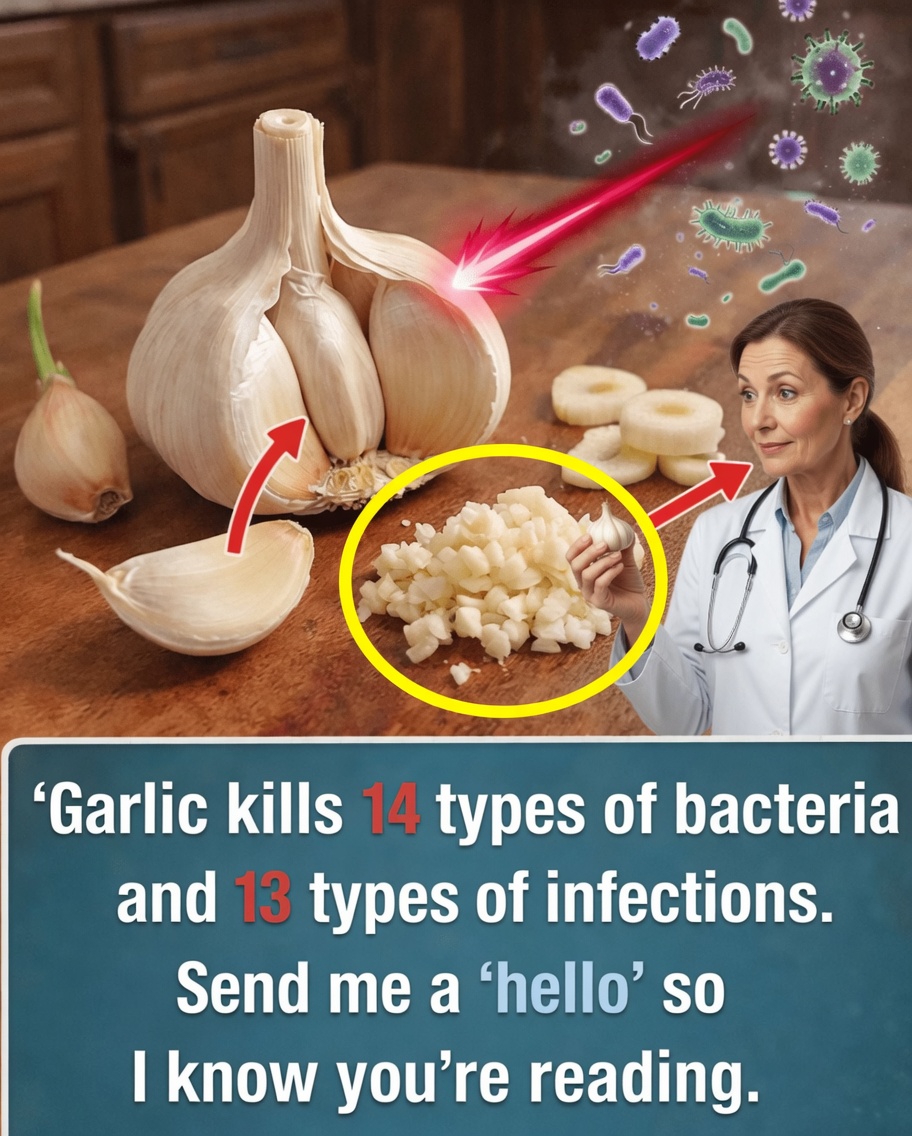
Much of garlic’s interest comes from its sulfur-rich compounds. When a fresh garlic clove is chopped, crushed, or minced, an enzyme called alliinase transforms alliin into allicin. This reaction is central to many of the effects that have attracted scientific attention.
Allicin is highly reactive and does not remain stable for long, which is why preparation and timing are important. Alongside these sulfur compounds, garlic also provides antioxidants and nutrients such as:
- Vitamin C
- Vitamin B6
- Manganese
These compounds and nutrients contribute to garlic’s overall nutritional value and help explain why it continues to be studied in health research.
What Research Says About Garlic and Bacteria
You may have seen bold claims online about garlic’s ability to deal with bacteria. The real science is interesting, but it should be understood accurately.
Laboratory studies show that garlic extracts and allicin can slow the growth of different bacteria in controlled environments such as petri dishes and test tubes. Researchers have observed effects against both Gram-positive and Gram-negative bacteria. In these settings, garlic’s organosulfur compounds have demonstrated properties such as:
- Bactericidal activity
- Antibiofilm effects
- Interference with certain bacterial enzymes and processes
However, these results come from isolated lab conditions. They do not automatically mean garlic will work in the same way inside the human body. That distinction is essential. Garlic should be seen as a helpful part of a balanced, healthy lifestyle, not as a replacement for proper medical care or treatment.
This is often the key point missing from viral health posts.
Garlic and Immune Support
In addition to microbial research, some studies have explored garlic’s possible role in supporting immune function. For example, research involving aged garlic extract suggests it may help support the activity of immune cells.
Some findings have also pointed to a possible link between garlic use and fewer or shorter upper respiratory challenges during certain times of the year, although more high-quality research is still needed. This area of interest aligns with garlic’s antioxidant content and its nutrient profile, both of which may help support the body’s natural defenses.
Other Health Areas Where Garlic Shows Promise
Garlic research extends beyond immune health. Scientists continue to examine its potential role in supporting cardiovascular wellness, especially as part of a nutritious and balanced diet. Some studies suggest garlic may help maintain:
- Healthy blood pressure already within a normal range
- Cholesterol levels within a normal range
Its possible anti-inflammatory properties are also being investigated.
As with any food-based wellness strategy, results differ from person to person. Garlic tends to work best when combined with other healthy habits, including:
- Regular physical activity
- Quality sleep
- A varied, nutrient-rich diet
- Consistent stress management
Easy Ways to Add More Garlic to Your Diet
If you want to use garlic more often, there are many simple and practical ways to do it.
1. Crush It and Let It Rest
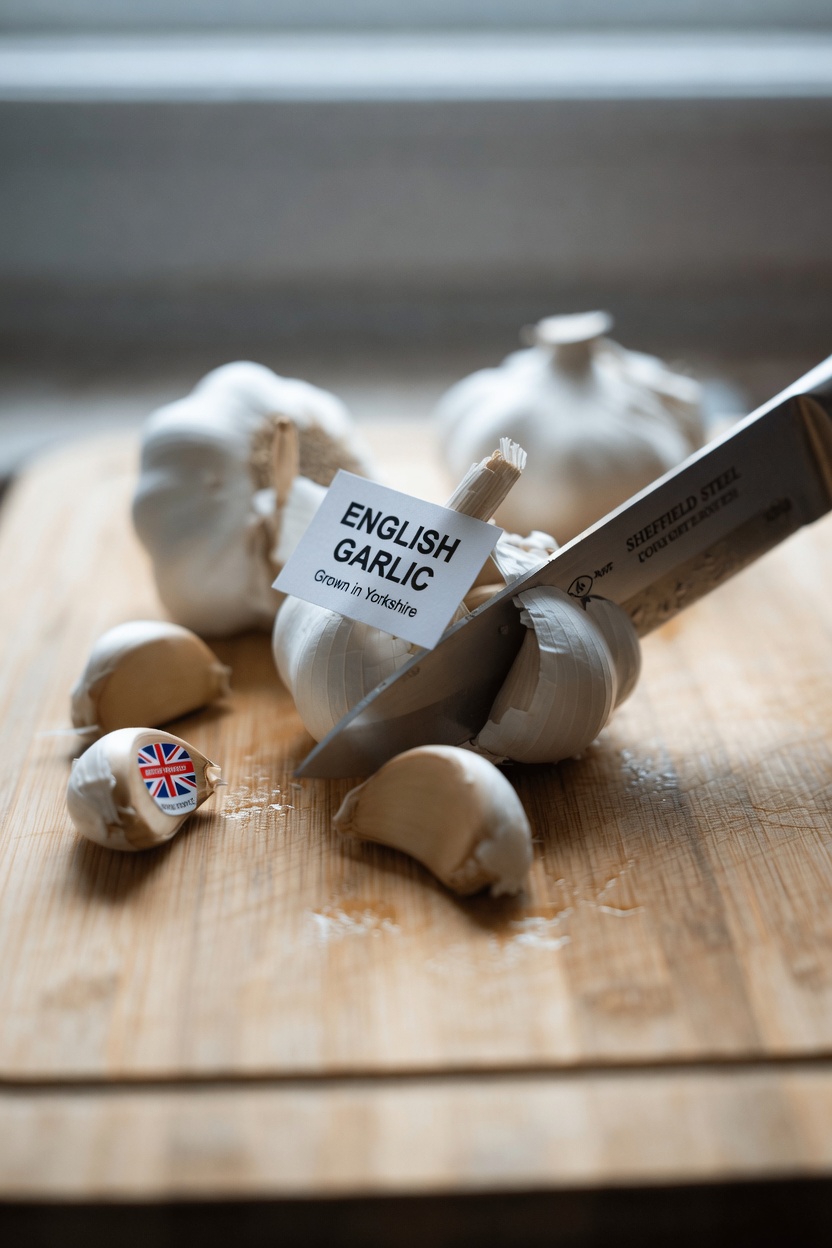
After chopping or crushing fresh garlic, allow it to sit for about 10 to 15 minutes before cooking. This gives the alliinase enzyme time to produce more allicin.
2. Use It Raw When Appropriate
Raw garlic can be added to foods such as:
- Salad dressings
- Hummus
- Guacamole
- Dips and spreads
This approach may help preserve more of its active compounds.
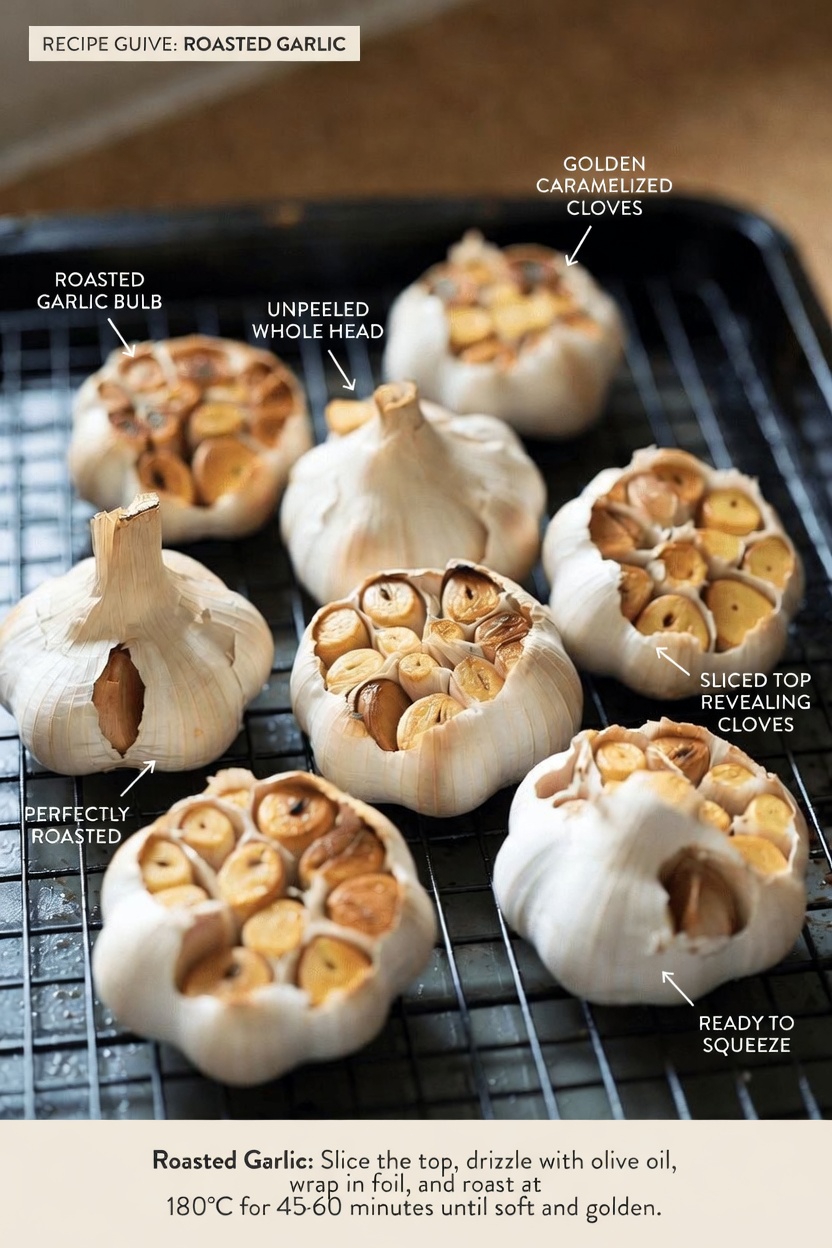
3. Roast Whole Bulbs for a Milder Flavor
Roasting garlic softens its sharpness and brings out a sweeter taste. Roasted garlic works well in:
- Soups
- Mashed vegetables
- Grain bowls
- Toast spreads
4. Make It a Regular Habit
Try including garlic in your meals several times per week. It fits easily into:
- Stir-fries
- Pasta sauces
- Marinades
- Stews
- Sautéed vegetables
5. Consider Supplements Carefully
If the taste of fresh garlic is too intense, aged garlic extract supplements may be an option. Still, it is important to speak with your doctor before starting any supplement.
How Garlic Fits into Popular Healthy Eating Styles
Garlic works naturally in many eating patterns focused on wellness. For example:
- Mediterranean diet: widely used for both flavor and nutritional value
- Anti-inflammatory meal plans: pairs well with ingredients like ginger and turmeric
- Plant-based cooking: adds strong flavor without relying on extra salt
These small dietary changes are simple to adopt and can become part of your routine without much effort.
Choosing and Storing Garlic the Right Way
To get the best quality, choose garlic bulbs that are:
- Firm
- Heavy for their size
- Covered with tight, papery skin
Try to avoid bulbs with:
- Soft spots
- Mold
- Green sprouts
For storage, keep whole bulbs in a cool, dry place away from direct sunlight. In most cases, whole garlic bulbs should not be refrigerated. Buying whole heads or loose cloves is usually better than choosing pre-peeled garlic if freshness is your priority.
A Simple Ingredient That Can Support Everyday Wellness
Adding garlic to your meals is an easy and flavorful way to bring more variety and potentially beneficial compounds into your diet. Whether you stir it into recipes you already love or use it to try new dishes, small changes can build into lasting habits over time.
One reason garlic remains so popular is that it is:
- Affordable
- Easy to find
- Versatile
- Delicious
Starting with just one new garlic-based habit this week can be a practical step toward supporting your broader wellness goals.
Frequently Asked Questions About Garlic and Health
How much garlic is commonly used for potential benefits?
Many studies use an amount equal to about 1 to 2 fresh garlic cloves per day. If you are sensitive to its flavor or digestive effects, begin with a smaller amount and increase gradually.
Is raw garlic better than cooked garlic?
Raw garlic may preserve more allicin, but cooked garlic still offers nutritional value and can be easier for some people to tolerate. Both raw and cooked garlic can fit into a healthy, balanced diet.
Are garlic supplements as effective as fresh garlic?
Supplements such as aged garlic extract are convenient and have been used in research, but they do not always provide the exact same compound profile as fresh garlic. If you choose a supplement, select a reputable brand and consult a healthcare professional first.
Important Disclaimer
The information in this article is intended for educational and informational purposes only. It is not meant to diagnose, treat, cure, or prevent any disease or medical condition. Garlic should not be used as a substitute for professional medical advice, diagnosis, or prescribed treatment.
Always speak with a qualified healthcare provider before making major dietary changes, especially if you:
- Have an existing medical condition
- Are pregnant or breastfeeding
- Take prescription medications
This is especially important because garlic may interact with certain medicines, including some blood thinners.