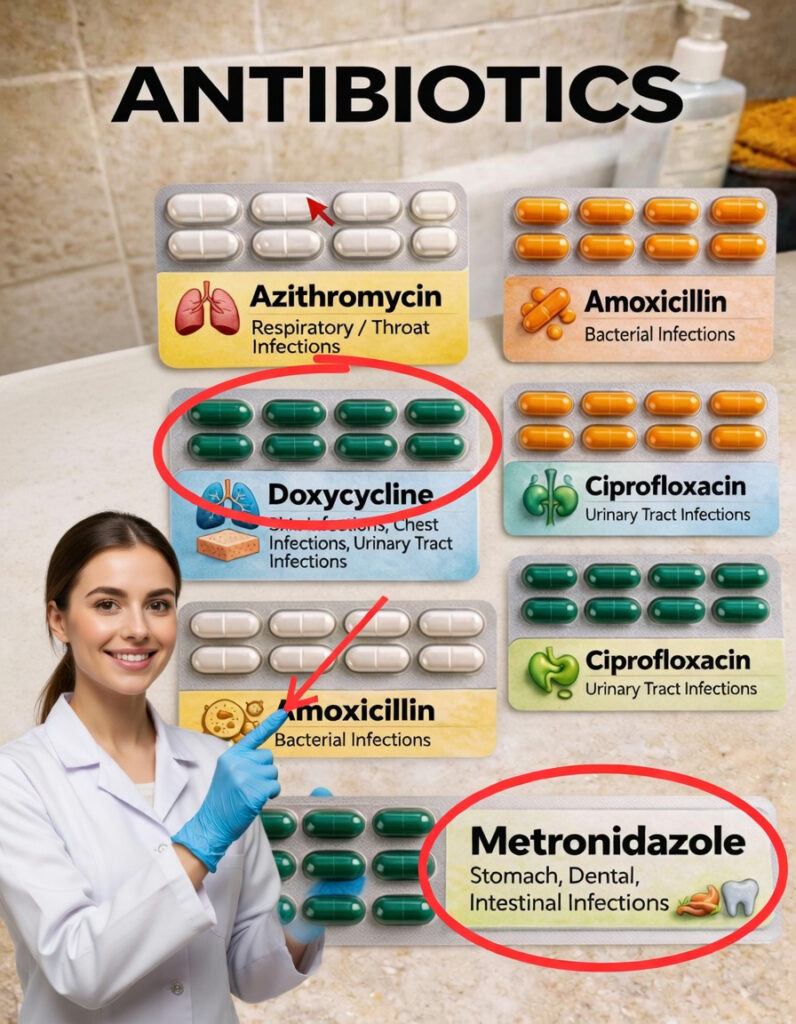
Understanding the Antibiotics Doctors Prescribe Most Often
Finding a prescription in your hand or hearing your doctor name a medication can trigger a lot of uncertainty. If you are already dealing with a bacterial infection such as a sinus infection, ear pain, or a skin problem, those unanswered questions can make the situation feel even more stressful. Concerns about side effects, dosage, and whether the medication is truly appropriate are very common.
Learning about the antibiotics used most frequently can help reduce that uncertainty. While only a healthcare professional can decide which treatment is right for you, having a basic understanding of these medications makes it easier to ask informed questions and follow directions correctly. There is also one major point many people miss until the very end: how antibiotics are used is just as important as which antibiotic is prescribed.
Why It Helps to Know the Most Common Antibiotics
Antibiotics remain one of the most important tools in modern medicine for treating bacterial infections. U.S. outpatient prescribing patterns in 2024 and 2025 continue to show that a small group of antibiotics is used repeatedly. Doctors often base their choice on several factors, including:
- How well the drug works against likely bacteria
- Its overall safety record
- Ease of dosing
- The patient’s age, allergy history, and medical conditions
Knowing the names and typical uses of these medications is not a substitute for medical advice. However, it can help you better understand your treatment plan and use your prescription more responsibly.
The 5 Most Commonly Prescribed Antibiotics
These antibiotics appear again and again in everyday medical care for problems such as respiratory infections, urinary tract infections, and skin conditions. It is important to remember that antibiotics only work against bacteria. They do not treat viral illnesses like most colds or the flu.
1. Amoxicillin and Amoxicillin-Clavulanate (Augmentin)
Amoxicillin remains the most commonly prescribed antibiotic in recent U.S. outpatient data. It is often a first-choice treatment for conditions such as:
- Ear infections
- Strep throat
- Sinus infections
- Certain types of pneumonia
It is widely used in both children and adults because it has a long history of effectiveness and is generally well tolerated.
When amoxicillin is paired with clavulanate, the combination is known as Augmentin. This version can fight additional bacteria that may resist amoxicillin alone, making it useful for:
- Some skin infections
- Animal bites
- Dental infections
Typical adult dosing often includes:
- 500 mg every 8 hours, or
- 875 mg every 12 hours
Your exact prescription may differ, so your doctor’s instructions should always come first. One of the most important things to mention before taking it is any past allergy to penicillin.
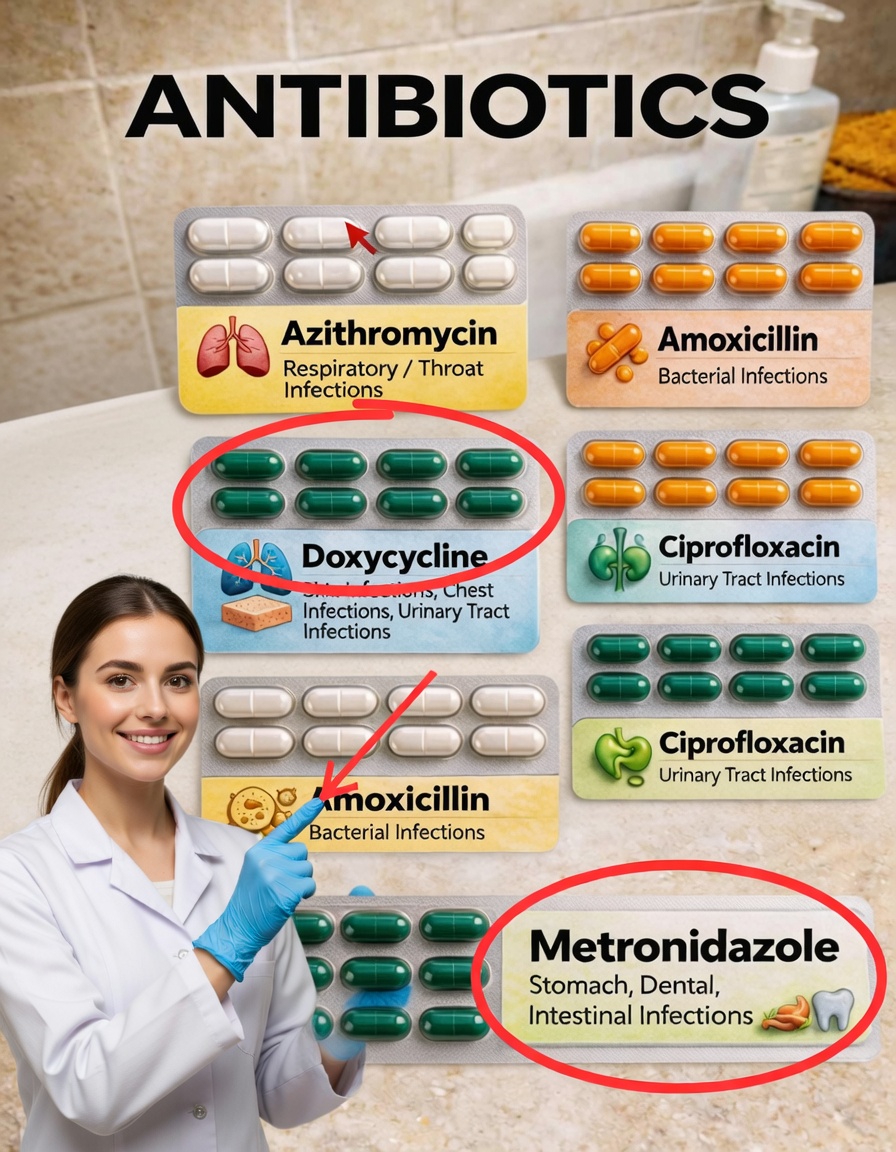
2. Azithromycin (Zithromax or Z-Pak)
Azithromycin is another very common antibiotic, especially because many people know it as the convenient “Z-Pak.” This medication belongs to the macrolide class and is commonly prescribed for:
- Bronchitis
- Sinus infections
- Community-acquired pneumonia
- Certain sexually transmitted infections
- Some skin-related bacterial conditions
It is also frequently used when a patient cannot take penicillin-based antibiotics.
One reason azithromycin is so popular is its short treatment course. A common adult schedule is:
- 500 mg on day one
- 250 mg daily for the next four days
That shorter plan can make it easier for patients to complete the full course.
Still, convenience does not mean it is risk-free. People with a history of heart rhythm problems should discuss that with their doctor, as rare rhythm-related effects have been reported. Upset stomach is another known side effect.
3. Doxycycline
Doxycycline is a tetracycline antibiotic valued for its flexibility. It is often prescribed for a wide range of issues, including:
- Acne
- Lyme disease
- Certain pneumonias
- Infections caused by atypical bacteria
Its dosing is commonly once or twice a day, which many patients find manageable. In dermatology, doxycycline is especially useful because it may also provide anti-inflammatory benefits.
A few practical precautions are important with this medication:
- Taking it with food may reduce stomach irritation
- Dairy products can interfere with absorption if taken too close to a dose
- Antacids can also reduce its effectiveness
- Sun sensitivity may increase, so extra skin protection is important
Recent outpatient prescribing data shows doxycycline remains one of the more frequently used choices, especially for longer courses and broader treatment needs.
4. Ciprofloxacin (Cipro)
Ciprofloxacin is part of the fluoroquinolone family and provides broad activity against many gram-negative bacteria. Doctors may prescribe it for:
- Certain urinary tract infections
- Some gastrointestinal infections
- Traveler’s diarrhea
- Select respiratory infections
Because ciprofloxacin is a powerful antibiotic, current treatment guidelines recommend using it carefully. It is often reserved for cases where other options are less suitable.
Potential concerns with this medication include side effects affecting:
- Tendons
- Nerves
- Mood or mental state
Anyone taking ciprofloxacin should follow directions closely and report unusual symptoms such as tendon pain, joint discomfort, or other unexpected changes right away.

5. Cephalexin (Keflex)
Cephalexin completes the top five. This first-generation cephalosporin is commonly chosen for:
- Skin and soft tissue infections
- Urinary tract infections
- Some respiratory infections
It works especially well against certain gram-positive bacteria and is often considered in patients who cannot take penicillin, depending on the nature of the allergy and the doctor’s judgment.
Typical adult dosing is usually simple:
- 250 to 500 mg every 6 hours
Many patients do well with cephalexin because its side effect profile is often fairly manageable when used appropriately. It may be prescribed after an infected scrape or cut, or around certain procedures when bacterial coverage is needed.
Quick Comparison of the Top 5 Antibiotics
Here is a simplified overview of these commonly prescribed antibiotics:
| Rank | Antibiotic | Class | Common Uses | Typical Adult Dosing | Key Considerations |
|---|---|---|---|---|---|
| 1 | Amoxicillin ± clavulanate | Penicillin | Ear, sinus, throat, and some skin infections | 500 mg every 8 hrs or 875 mg every 12 hrs | Check for penicillin allergy; very commonly used |
| 2 | Azithromycin | Macrolide | Respiratory infections, some STIs | 500 mg day 1, then 250 mg daily | Short course; alternative for some penicillin-allergic patients |
| 3 | Doxycycline | Tetracycline | Acne, Lyme disease, certain pneumonias | 100 mg twice daily | Avoid dairy close to doses; use sun protection |
| 4 | Ciprofloxacin | Fluoroquinolone | UTIs, some GI infections | 250–750 mg twice daily | Used with caution because of side effect risks |
| 5 | Cephalexin | Cephalosporin | Skin infections, UTIs, some respiratory issues | 250–500 mg every 6 hrs | Sometimes used when penicillin is not suitable |
This comparison reflects common prescribing trends, but the best option always depends on the individual patient and the specific infection being treated.
How to Use Antibiotics Responsibly
Choosing the right antibiotic matters, but how you take it matters just as much. Responsible antibiotic use helps protect your own health and reduces the spread of antibiotic resistance.
Keep these practical habits in mind:
- Finish the full prescribed course, even if you start feeling better early
- Never share antibiotics with another person
- Do not save leftover pills for a future illness
- Take each dose at the recommended times for steady medication levels
- Consider probiotics or plain yogurt if your doctor says it is appropriate, especially if stomach upset occurs
- Drink enough water and maintain normal meals unless told otherwise
These simple steps can improve both comfort and treatment success.
When You Should Contact a Doctor Immediately
Most people take antibiotics without serious problems, but some reactions should never be ignored. Seek medical attention right away if you develop:
- Severe diarrhea
- Trouble breathing
- A widespread rash
- Swelling
- Any unusual or severe side effect
Prompt communication with your healthcare provider can prevent a mild issue from becoming a serious one.

Why This Knowledge Matters More Than You Think
Knowing the most commonly prescribed antibiotics can make medical treatment feel less intimidating. You become better prepared to understand why a certain medication was chosen, what side effects to watch for, and how to take it correctly.
But the most important takeaway is this: antibiotics should be used carefully and only when truly needed. They are powerful medications, yet they do not work for viral infections, and unnecessary use can contribute to antibiotic resistance. That affects not only your future treatment options, but also public health more broadly.
The more informed you are about antibiotics like amoxicillin, azithromycin, doxycycline, ciprofloxacin, and cephalexin, the more confidently you can take part in your own care—and the more responsibly these essential medicines can be protected for everyone.