
Everyday Vitamins That Help Support Nerve Health
Occasional tingling, numbness in the hands or feet, or a lingering pins-and-needles sensation can make daily life feel harder than it should. Simple activities may become irritating, sleep can suffer, energy may dip, and even relaxing with family or enjoying favorite hobbies can feel less comfortable. When these symptoms keep showing up, it is natural to look for practical ways to restore a better sense of balance.
The good news is that several common vitamins help support healthy nerve function. Even better, one often underestimated nutrient works in synergy with the others, creating a more complete approach to everyday nerve support.
Why Vitamins Are Important for Nerve Function
Your nervous system is a complex communication network that carries signals throughout the body. It helps control movement, sensation, coordination, and many automatic functions you rely on every day. When this system needs extra support, nutrition is one of the most accessible places to start.
Trusted sources such as the Mayo Clinic and findings from peer-reviewed research show that certain vitamins contribute to:
- Maintaining myelin, the protective covering around nerves
- Supporting energy production in nerve cells
- Helping nerve signals travel efficiently
- Protecting tissues from everyday oxidative stress
While no single nutrient does everything, a few stand out for their role in nerve health.

1. Vitamin B12: A Key Nutrient for Nerve Signaling
Vitamin B12 is widely recognized for its essential role in supporting the nervous system. One of its main functions is helping the body produce myelin, the protective sheath around nerve fibers. When B12 intake is too low, nerve signaling may become less efficient over time.
Research published in medical journals suggests that maintaining healthy B12 levels supports overall nerve function and may help with day-to-day comfort. It also contributes to red blood cell production, which helps deliver oxygen to tissues, including nerves.
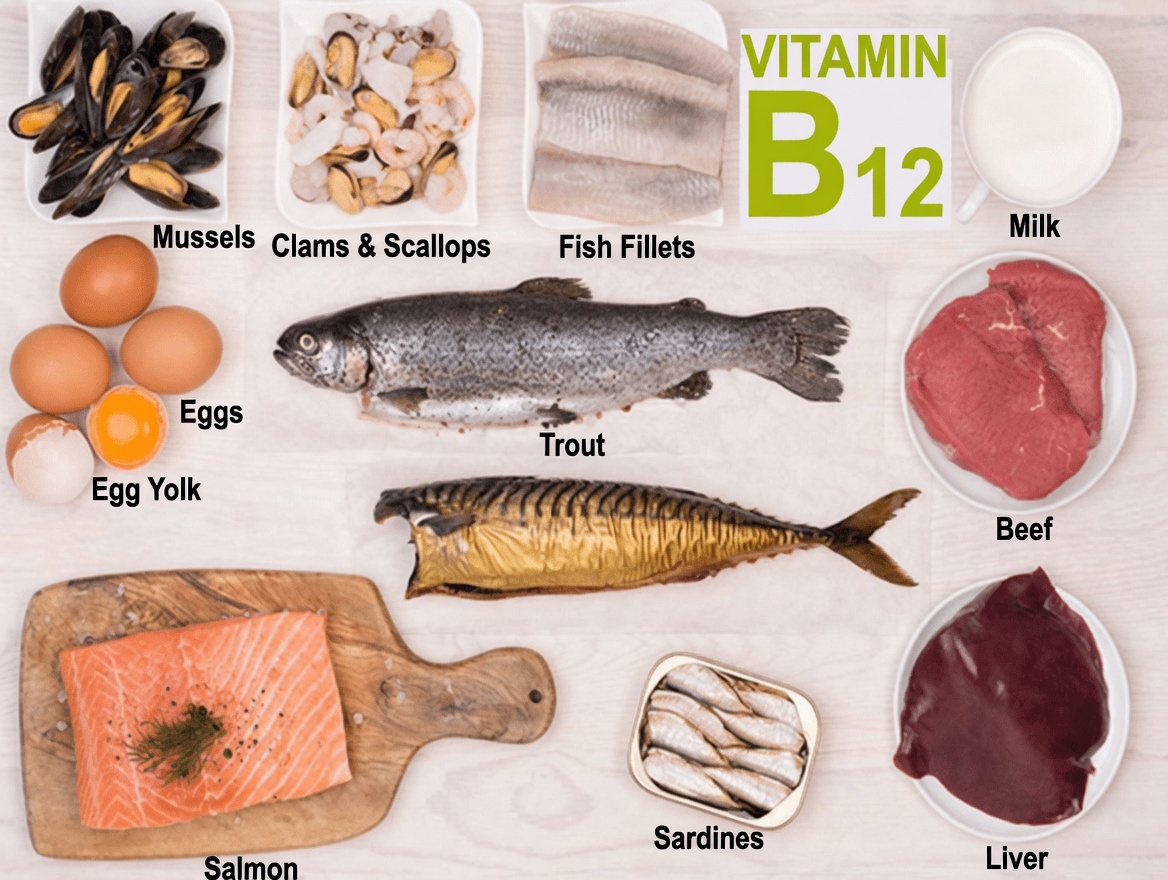
Good food sources of Vitamin B12
- Salmon and other oily fish
- Eggs
- Yogurt and other dairy products
- Fortified breakfast cereals
- Nutritional yeast
- Lean beef and organ meats in moderation
Easy tip
Try to include two servings of B12-rich foods each day. If you eat a plant-based diet, it may be worth asking your doctor for a simple blood test and choosing fortified foods when needed.
Still, B12 does not act alone. Other B vitamins strengthen its effects.
2. Vitamin B1 (Thiamine): Supporting Nerve Energy
Vitamin B1, also called thiamine, helps your body turn food into usable energy. Nerves depend on this process to function properly, so thiamine plays an important role in keeping the system running smoothly.
Studies on B vitamins have highlighted the value of consistent B1 intake for healthy nerve tissue function. Because nerves need steady energy every day, this vitamin matters more than many people realize.
Foods rich in Vitamin B1
- Whole grains such as oats and brown rice
- Pork
- Sunflower seeds
- Beans and legumes
- Fortified breads and cereals
Easy daily habit
Start the day with oatmeal topped with sunflower seeds. At lunch, add lentils or beans to your meal. Keep that routine going for two weeks and notice whether your overall comfort and energy improve.
3. Vitamin B6: Helping Nerves Communicate Clearly
Vitamin B6 is essential for producing neurotransmitters, the chemical messengers nerves use to send signals throughout the body. It also helps regulate homocysteine levels, which may support a healthy inflammatory balance.
Multiple studies on neurotropic B vitamins suggest that sufficient B6 intake supports nerve metabolism and healthy communication within the nervous system. Since the body uses this nutrient continuously, regular intake is especially important.
Common Vitamin B6 food sources
- Chickpeas
- Potatoes
- Chicken and other poultry
- Fish
- Bananas
- Pistachios and other nuts
Simple way to use more B6
Add chickpeas to a salad or grain bowl at lunch. Have a banana as an afternoon snack. For many people, combining B1, B6, and B12 through balanced meals or a doctor-approved B-complex can be a convenient option.
4. Vitamin D: Internal Support for Nerve Health
Vitamin D has gained increasing attention for its role in the nervous system. It helps support calcium balance and contributes to healthy communication between cells, including nerve cells. More recent research has linked healthy vitamin D status with better nerve comfort and function.
Low vitamin D levels are also very common, especially in people who spend little time outdoors. Maintaining a healthy level may support not only nerve health but also general energy and well-being.
Natural ways to get more Vitamin D
- Midday sunlight exposure for 10 to 15 minutes
- Fatty fish such as tuna and mackerel
- Fortified milk
- Fortified orange juice
- Fortified plant-based milk alternatives
- Egg yolks
Practical tip
Spend a few minutes outside during your lunch break, or add fortified milk to your morning coffee or tea. A yearly vitamin D check can be a simple step for long-term health support.
5. Vitamin E: Antioxidant Protection for Nerves
Vitamin E is a powerful antioxidant that helps protect nerve cell membranes from oxidative stress. While it may not get as much attention as the B vitamins, it plays an important background role in keeping nerve structures healthy and resilient.
Resources such as the Mayo Clinic note that maintaining adequate vitamin E intake may help reduce nerve-related problems associated with deficiency. When paired with vitamins B1, B6, B12, and D, it adds another layer of support.
Everyday foods high in Vitamin E
- Almonds
- Sunflower seeds
- Hazelnuts
- Spinach
- Avocado
- Vegetable oils such as sunflower oil and olive oil
Quick way to start today
Add a small handful of almonds to yogurt, or include spinach with dinner. Small, consistent choices can make a meaningful difference over time.
Why These 5 Vitamins Work Well Together
What makes these nutrients especially valuable is that they support different aspects of nerve health at the same time:
- Vitamin B12 helps maintain myelin and supports nerve signaling
- Vitamin B1 helps nerves produce energy from food
- Vitamin B6 supports neurotransmitter production and communication
- Vitamin D helps with cellular communication and calcium balance
- Vitamin E protects nerve cells from oxidative damage
Together, they create a more rounded nutritional strategy for nerve support than any one vitamin alone.

Comparison Table: Top Vitamins for Nerve Support
| Vitamin | Main Support Role | Daily Needs for Adults | Easy Food Sources |
|---|---|---|---|
| Vitamin B12 | Myelin production and nerve signaling | 2.4 mcg | Salmon, eggs, fortified cereal |
| Vitamin B1 (Thiamine) | Energy conversion for nerves | 1.1-1.2 mg | Whole grains, pork, sunflower seeds |
| Vitamin B6 | Neurotransmitter production | 1.3-1.7 mg | Chickpeas, bananas, poultry |
| Vitamin D | Calcium balance and cell communication | 600-800 IU | Sunlight, fatty fish, fortified milk |
| Vitamin E | Antioxidant protection | 15 mg | Almonds, spinach, vegetable oils |
This overview shows that these nutrients are not difficult to find. Many are available through familiar foods you may already enjoy.
5 Simple Ways to Increase Your Vitamin Intake
If you want to support nerve health naturally, these habits are an easy place to begin:
- Build more colorful meals by including at least one food source from these vitamins during each meal.
- Set a reminder to go outside for a short walk at midday to support vitamin D levels.
- Keep mixed nuts nearby for a convenient vitamin E-rich snack.
- Use fortified foods such as cereals or plant milks if you follow a vegetarian or vegan diet.
- Track your meals for one week with a free app to identify any nutritional gaps.
These are small, realistic steps that fit easily into most routines.
Bringing It All Together
Supporting healthy nerve function does not have to involve a complicated plan. By focusing on vitamin-rich foods first, you provide your body with the nutrients it needs to support energy, signaling, protection, and maintenance every day.
Research continues to show that balanced nutrition plays an important role in long-term comfort and overall wellness. The best part is that you can start with simple daily choices and build from there. Many people notice a better sense of balance within a few weeks of consistent habits.
Final Thoughts
If you are dealing with occasional tingling, numbness, or pins-and-needles sensations, paying attention to vitamins B12, B1, B6, D, and E may be a smart and practical step. Each one supports nerve health in a different way, and together they create a strong nutritional foundation.
Start small, stay consistent, and let everyday food become part of your long-term nerve support strategy.