White Bumps Near Your Tonsils: What They Are and What Your Daily Habits May Have to Do With Them
You look in the mirror one morning and notice tiny white spots sitting at the back of your mouth near your tonsils. At first, they may seem harmless, but over time they can come with an irritating throat sensation, an unpleasant taste, or lingering bad breath that brushing and mouthwash do not fully fix. That can feel discouraging, especially when you are already doing your best to feel clean and confident each day.
The reassuring part is that these white bumps are often understandable and manageable. Once you know what they are and how everyday habits may influence them, the whole situation can feel much less worrying. And for many people, the biggest surprise is how closely these bumps may be linked to simple daily routines.
What Are the White Bumps in the Back of the Mouth?
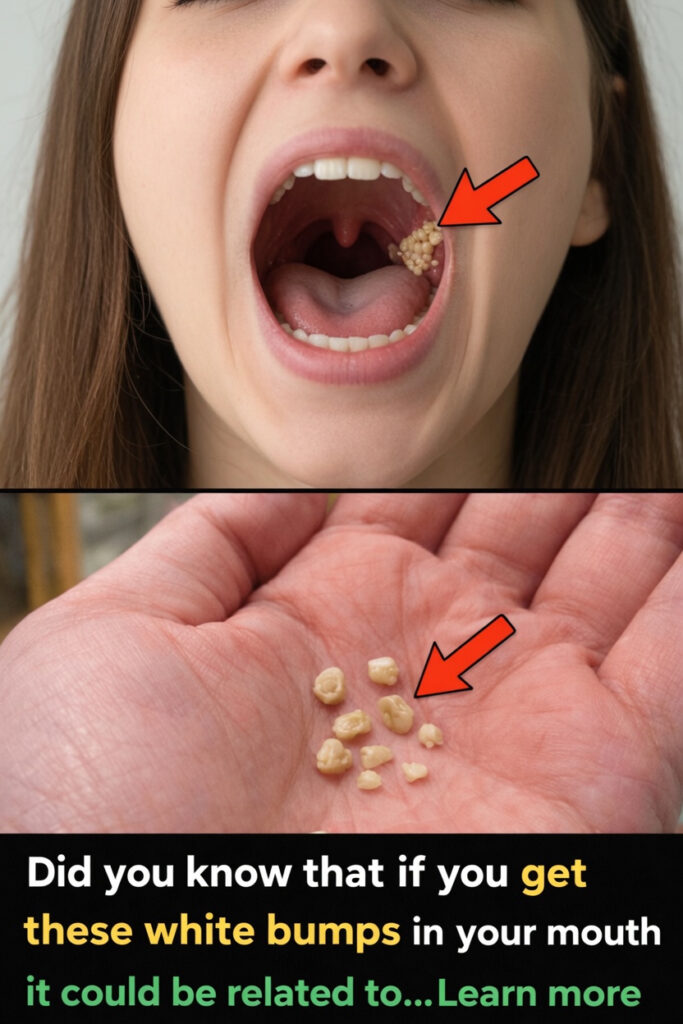
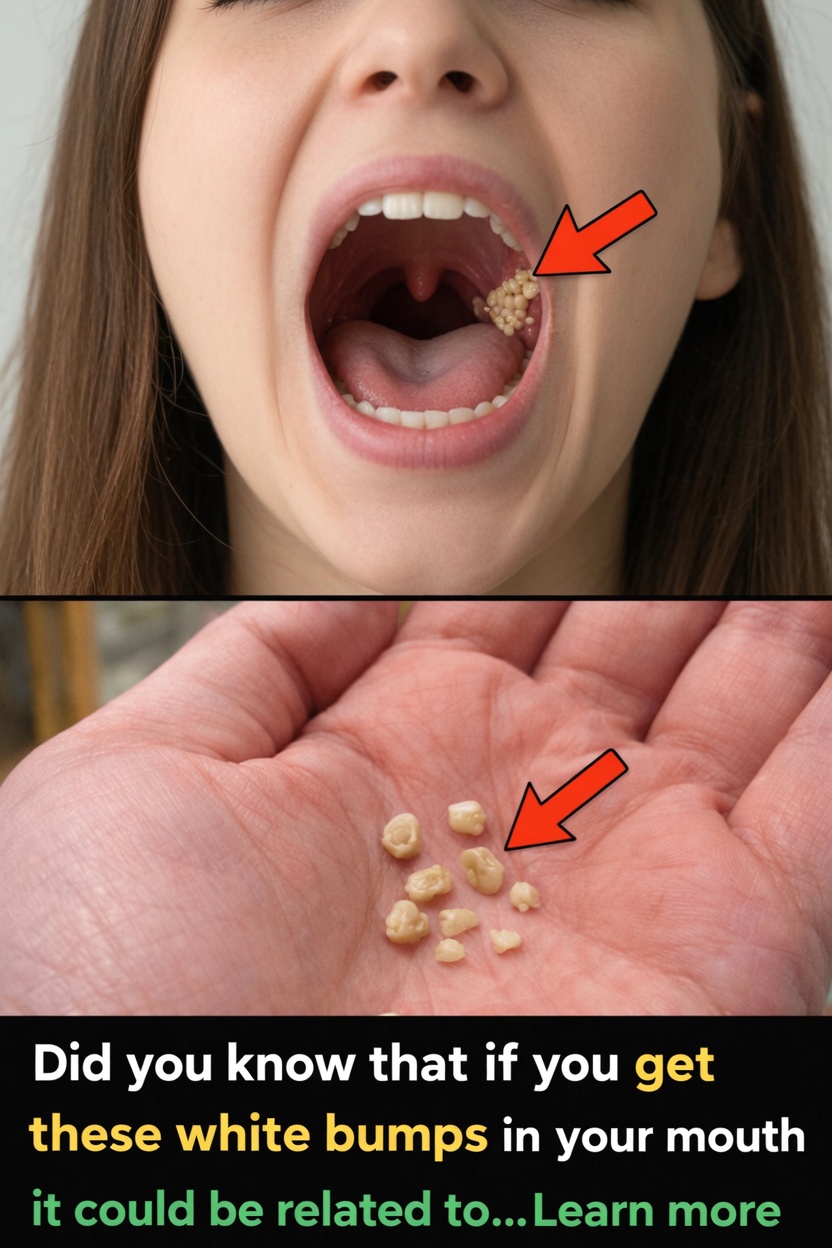
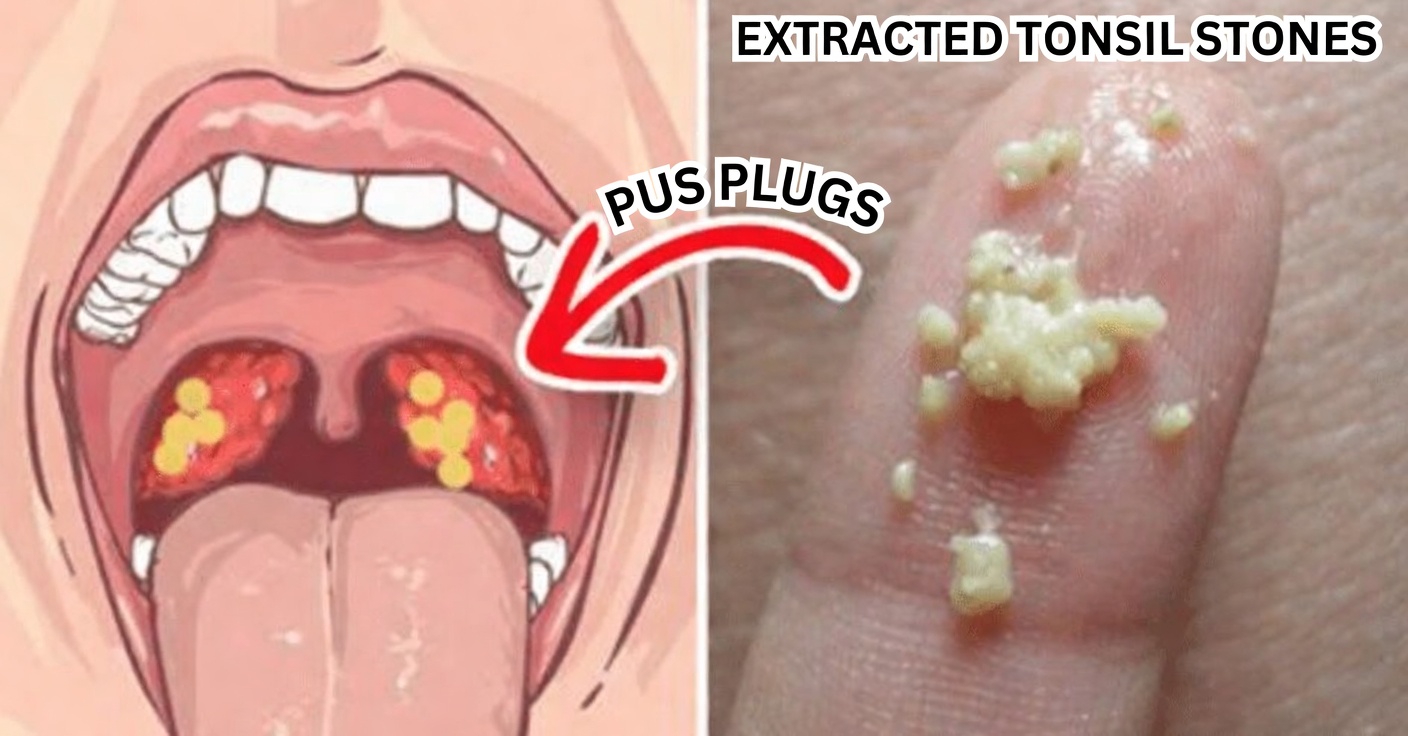
These small white lumps often appear around the tonsils and are commonly known as tonsil stones, or tonsilloliths. They are made from hardened material such as calcium, food debris, dead cells, and bacteria that collect inside the natural folds and pockets of the tonsils.
Medical sources such as the Cleveland Clinic describe tonsilloliths as calcified deposits that form in these crevices. In most cases, they are not dangerous, and many adults experience them at some point without serious health problems. Even so, they can still be uncomfortable or annoying when they appear regularly.
They are often easy to spot when you open your mouth wide under bright light. Some look like tiny white or yellow dots, while others gather into larger clumps. Seeing them does not automatically mean something is seriously wrong. Often, it is simply the result of your tonsils trapping material that was not cleared away naturally. Still, that does not make them any less frustrating when they keep coming back.
Why Do These White Bumps Form?
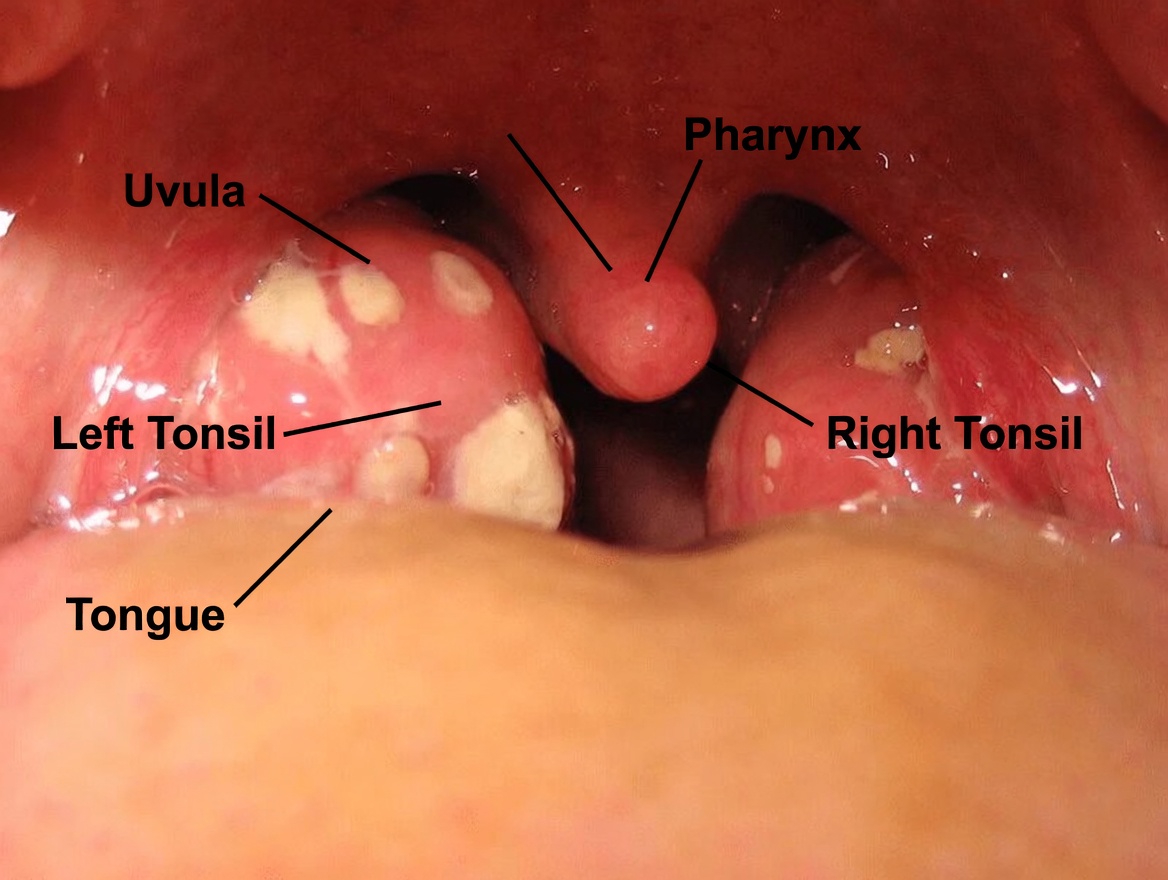
Tonsil stones begin in small openings in the tonsils called tonsillar crypts. These pockets can trap mucus, bacteria, and food particles. Over time, the trapped material hardens and turns into the white bumps you see.
Health information from sources like Mayo Clinic Health System notes that this process becomes more likely when minerals in saliva combine with leftover debris and gradually calcify. In a way, it is similar to how plaque can build up on teeth.
What many people do not realize is that tonsil stones do not always form at random. Daily habits can affect how often they develop. For example, poor oral hygiene may leave more bacteria in the mouth, creating more material for stones to form. Ongoing post-nasal drip, allergies, or diets high in sugar or dairy may also add to the buildup, according to common observations from dental and oral health experts.
So while these bumps may seem to appear suddenly, they often have a very clear connection to what happens in your mouth every day.
Daily Habits That May Increase the Chances of Tonsil Stones
A lot of people are surprised to learn that common routines may play a bigger role than expected. Skipping brushing or flossing at night, for instance, gives food particles and bacteria more time to settle in the tonsil area. Research on oral hygiene consistently shows that reducing bacteria in the mouth can lower the chance of calcified debris forming.
Some everyday habits that may contribute include:
- Skipping tongue cleaning, which allows bacteria to build up and spread toward the tonsils
- Not drinking enough water, which can make saliva thicker and more likely to trap debris
- Eating lots of soft, processed foods, which may leave residue behind more easily
- Breathing through the mouth while sleeping, especially when allergies or congestion are involved
These habits usually do not create tonsil stones overnight. Instead, they gradually create the right conditions over weeks or months. The encouraging news is that even small adjustments can help shift things in a better direction.
Simple Ways to Help Manage White Bumps Near the Tonsils
The good news is that you often do not need anything complicated to start improving the situation. Consistent, basic oral care can help your mouth feel cleaner and may reduce how often these bumps appear.
Here are some practical steps you can start today:
-
Brush and floss every day
- Brush for a full two minutes twice daily.
- Floss once a day to remove food particles before they collect near the tonsils.
-
Gargle with warm salt water
- Mix half a teaspoon of salt into a cup of warm water.
- Gargle gently for about 30 seconds after meals or before bed to help loosen trapped debris.
-
Drink plenty of water
- Try to stay hydrated throughout the day.
- Good hydration helps maintain saliva flow and may wash away particles before they build up.
-
Clean your tongue regularly
- Use a tongue scraper or the back of your toothbrush.
- This can reduce bacteria that might otherwise contribute to stone formation.
-
Use an alcohol-free mouthwash
- Rinse at night with a mouthwash designed to fight bacteria without drying out your mouth.
- A dry mouth can sometimes make buildup worse.
These tips are based on common oral health recommendations and are easy to add to most routines. For many people, even one consistent week of better habits can make the mouth feel noticeably fresher.
When White Bumps May Need Professional Attention
Most tonsil stones are not a reason to panic, but there are times when it makes sense to speak with a dentist or doctor. If the bumps become more uncomfortable or are paired with other symptoms, it is worth getting them checked.
You may want to seek professional advice if you notice:
- Bad breath that continues despite good oral hygiene
- A constant sensation that something is stuck in your throat
- Swelling, redness, or pain lasting more than a few days
- Trouble swallowing or ear pain that seems related
- White bumps that are getting larger or appearing more often
Paying attention to these signs can help you rule out other issues and feel more confident about what is going on.
Final Thoughts: Take Charge of Your Oral Comfort
White bumps near the tonsils do not have to stay a mystery. In many cases, they are simply tonsil stones linked to everyday factors such as brushing habits, flossing, hydration, and overall oral care. The surprising truth for many people is that small, steady changes can lead to fewer flare-ups and a cleaner, fresher feeling overall.
You do not need perfection to make progress. Start with one or two habits from the list above and build from there. Over time, your routine can begin working in your favor instead of against you. Your mouth will likely feel better, and your confidence may improve right along with it.
Frequently Asked Questions About White Bumps in the Mouth
Are white bumps near the tonsils common?
Yes, they are fairly common, especially in adults who have deeper tonsil crypts. Not everyone notices them, but many people experience them from time to time, according to information from sources such as the Cleveland Clinic.
Can diet affect how often these white bumps appear?
Yes. Certain foods may leave more residue behind or influence saliva balance. Experts often suggest reducing very sugary or overly soft processed foods and increasing water intake to support better oral health.
How long do tonsil stones usually last?
Smaller tonsil stones may come loose on their own within days or weeks, especially with good oral hygiene. Larger or recurring ones may last longer and sometimes need more focused care, but many people improve by following simple daily habits.
Disclaimer
This article is for informational purposes only and is not medical advice. Always consult a qualified healthcare professional for diagnosis or treatment.