Tonsil Stones: Causes, Symptoms, Home Care, and Prevention
Picture yourself coughing and suddenly noticing a tiny white lump on your tongue along with a foul taste. It is an unpleasant experience, and it happens to more people than many realize. For those dealing with it, tonsil stones can cause persistent bad breath that brushing alone does not seem to solve. As a result, everyday conversations may feel uncomfortable or even embarrassing. The good news is that once you understand what tonsil stones are and why they happen, they become much easier to manage.
What Are Tonsil Stones?
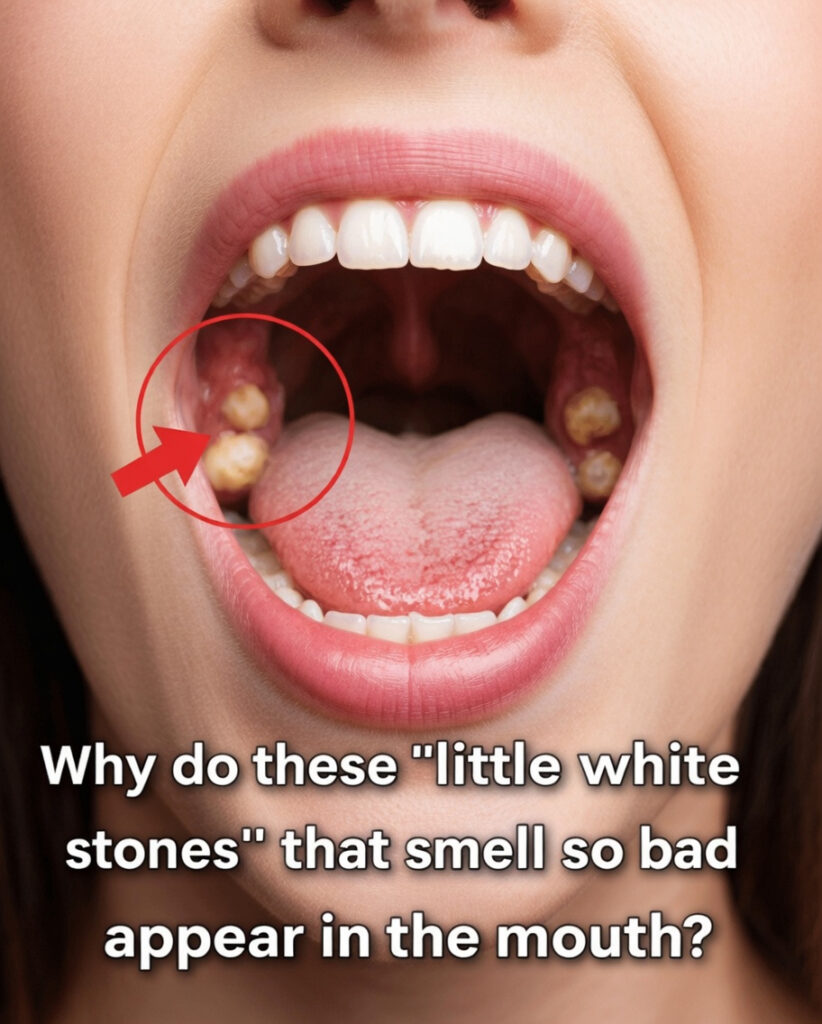
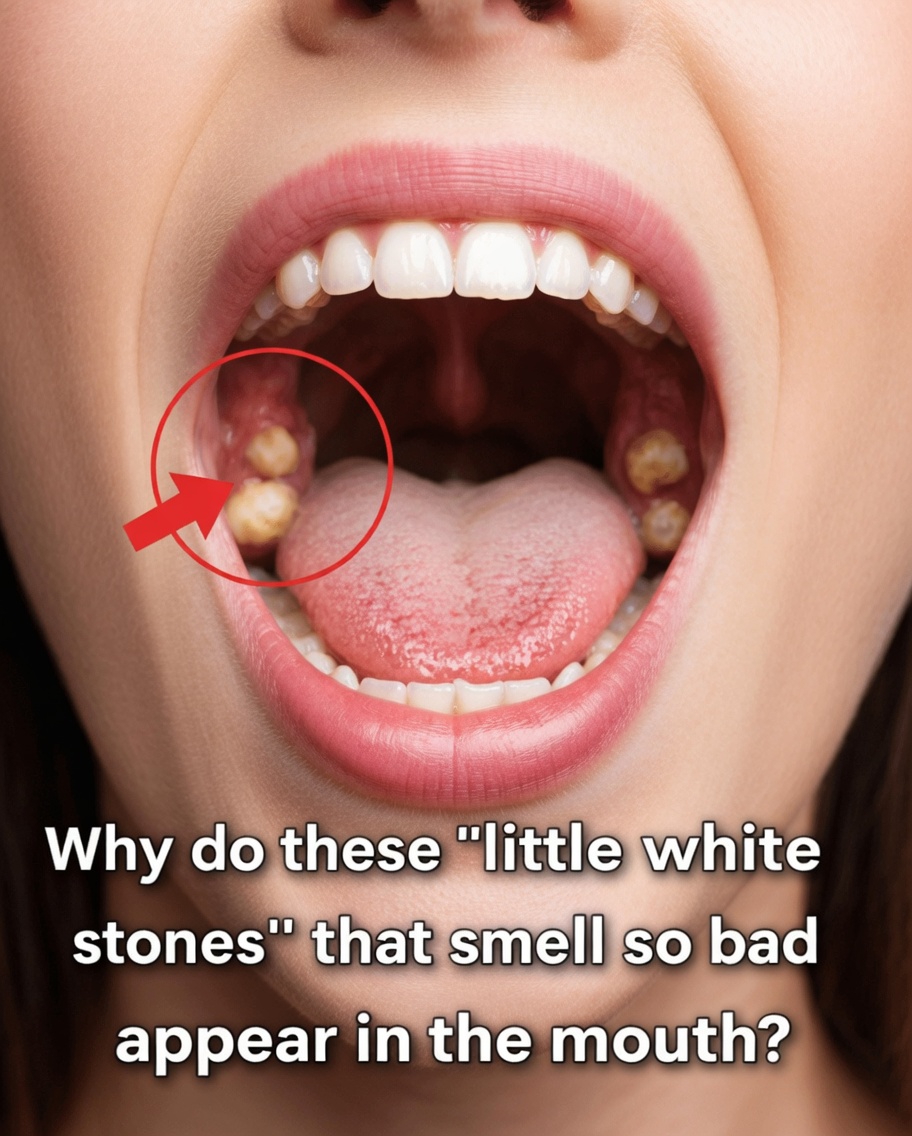
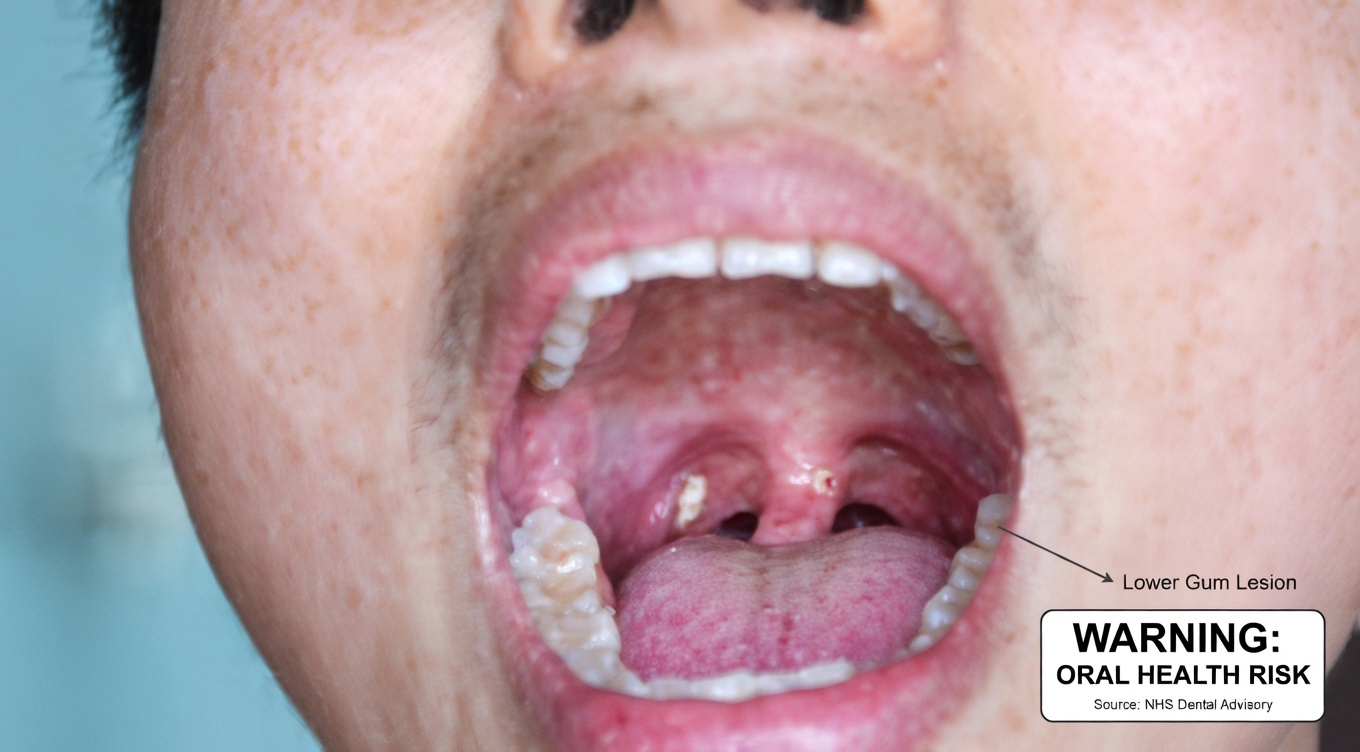
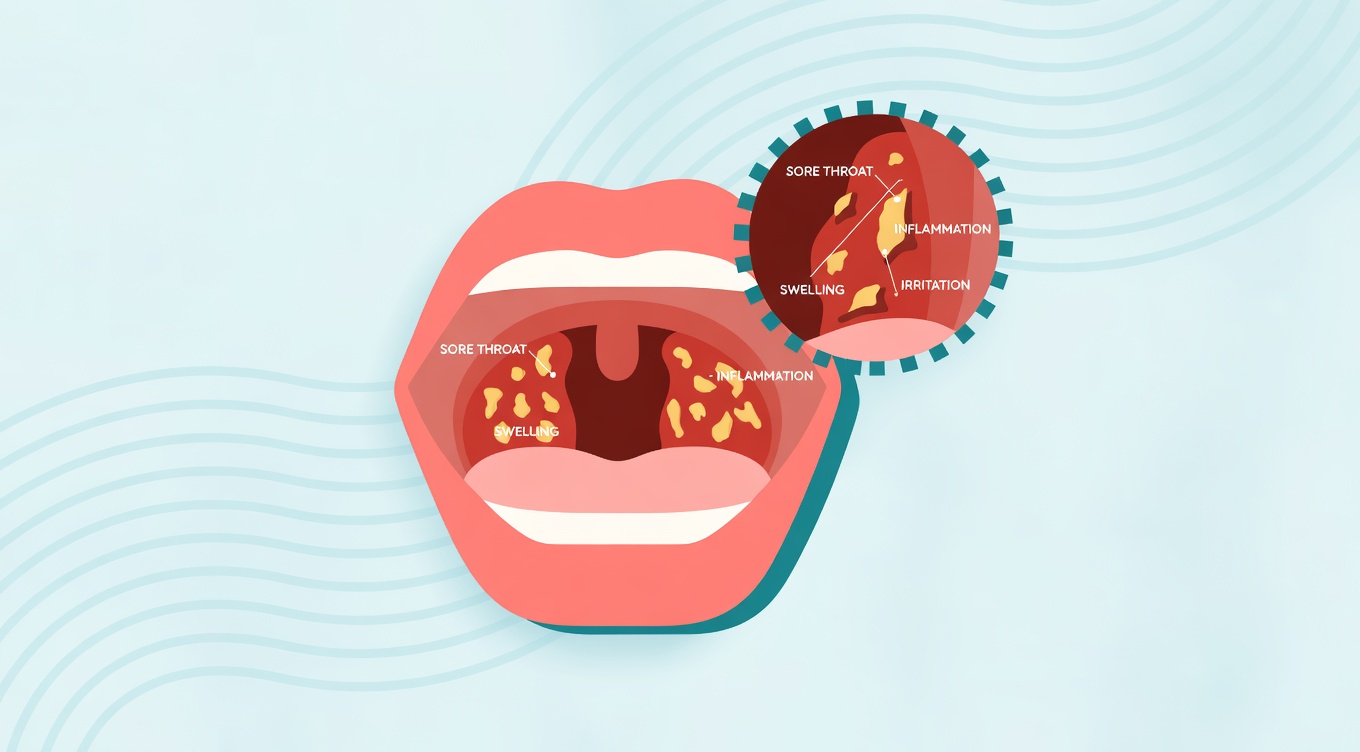
Tonsil stones are small, white or yellowish hardened deposits that form inside the natural folds and pockets of the tonsils. They usually develop when bits of food, mucus, bacteria, and dead cells get trapped in those spaces. Over time, minerals such as calcium in saliva can harden this debris, creating the small lumps known as tonsil stones.
Many people do not notice them right away. Often, the first sign is the unpleasant odor they produce. Even though tonsil stones are usually not dangerous, the bad breath they cause can affect comfort, confidence, and daily social interactions.
Symptoms of Tonsil Stones You Should Watch For
One of the most common signs of tonsil stones is ongoing bad breath that stays around even with careful oral hygiene. That alone can make people feel uneasy during close conversations or meetings. Another frequent symptom is the sensation that something is stuck in the throat, which can be irritating and distracting.
Some people may also experience:
- Mild discomfort when swallowing
- A dry or nagging cough
- Throat irritation
- Visible white spots on the tonsils
- An unpleasant taste in the mouth
These symptoms are often mild, but when they continue, they can create unnecessary stress and self-consciousness.
Why Do Tonsil Stones Keep Coming Back?
Tonsil stones form when material collects in the tiny crevices of the tonsils and then hardens. People with deeper tonsil folds are often more likely to develop them because debris can become trapped more easily. Other contributing factors may include limited saliva flow, inconsistent oral care, and habits that allow bacteria and residue to build up.
In simple terms, tonsil stones tend to thrive when the mouth and throat provide the right conditions for trapped debris to remain in place. That is why they can feel like a recurring problem, especially when bad breath keeps returning no matter how many mints you use.
Gentle Ways to Manage Tonsil Stones at Home
In many cases, tonsil stones loosen and come out on their own. When they do not, gentle home care may help reduce buildup and ease symptoms without causing additional irritation. A good place to start is with hydration. Drinking enough water supports saliva production, which can help prevent debris from collecting and hardening.
Safe home options include:
-
Warm salt water gargles
Mix half a teaspoon of salt into warm water and gargle gently twice a day. This may help calm the area and loosen trapped particles. -
Low-pressure oral irrigators
A water flosser on a gentle setting can sometimes wash out debris from the tonsil area. Aim carefully and avoid strong pressure. -
Crunchy fruits and vegetables
Foods like apples and carrots may help dislodge small particles during chewing while also supporting oral cleanliness. -
Consistent hydration
Drinking water throughout the day helps keep the mouth from becoming dry and reduces the chance of buildup.
One important rule: never use sharp tools or excessive force to remove tonsil stones. Doing so can injure the tonsils, increase irritation, and make the problem worse.
Daily Habits That Help Prevent Tonsil Stones
Prevention often comes down to consistency. When you reduce the debris and bacteria that collect in the mouth, tonsil stones have fewer materials to form from. Good daily care can also improve breath freshness overall, which helps restore peace of mind.
Try these practical habits:
- Brush your teeth after meals
- Floss regularly to remove food particles
- Clean or scrape your tongue to reduce bacteria
- Drink plenty of water to support saliva flow
- Use an alcohol-free antiseptic mouthwash
- Cut back on sticky foods that leave residue behind
- Limit dairy if you notice it worsens buildup
- Avoid smoking, which can dry the mouth and increase risk
These simple steps may seem small, but together they can make a real difference in reducing recurring tonsil stones.
When to See a Medical Professional
Although tonsil stones are often manageable at home, there are times when professional care is a better option. If they return often, cause swelling, interfere with sleep, or make swallowing difficult, it may be worth speaking with an ear, nose, and throat specialist.
A healthcare professional can:
- Confirm whether the problem is truly tonsil stones
- Remove stubborn stones safely
- Evaluate repeated symptoms or chronic irritation
- Recommend treatment options if the issue becomes frequent
Getting medical advice can be especially reassuring if tonsil stones are starting to affect daily life or causing ongoing discomfort.
Final Thoughts: Take Control of Tonsil Stones
Living with tonsil stones does not mean you have to accept constant bad breath or daily embarrassment. By spotting the symptoms early and following gentle care habits, you can reduce their impact and feel more comfortable in social situations. In many cases, steady routines matter more than drastic solutions.
Small, consistent actions can go a long way toward controlling tonsil stones and helping you feel confident again.
Frequently Asked Questions About Tonsil Stones
Are tonsil stones contagious?
No. Tonsil stones are not contagious. They are usually harmless accumulations of debris and minerals, not an infection you can pass to someone else.
Can tonsil stones disappear on their own?
Yes. Many tonsil stones come loose naturally during coughing, eating, or gargling. However, prevention is still important if you want to reduce repeat episodes and ongoing bad breath.
Can children get tonsil stones?
Yes. Anyone with tonsils can develop tonsil stones, including children. Addressing them early may help prevent discomfort and embarrassment later on.
Medical Disclaimer
This article is for informational purposes only and is not a substitute for professional medical advice. Always consult a qualified healthcare provider for personalized guidance about tonsil stones or any related symptoms.