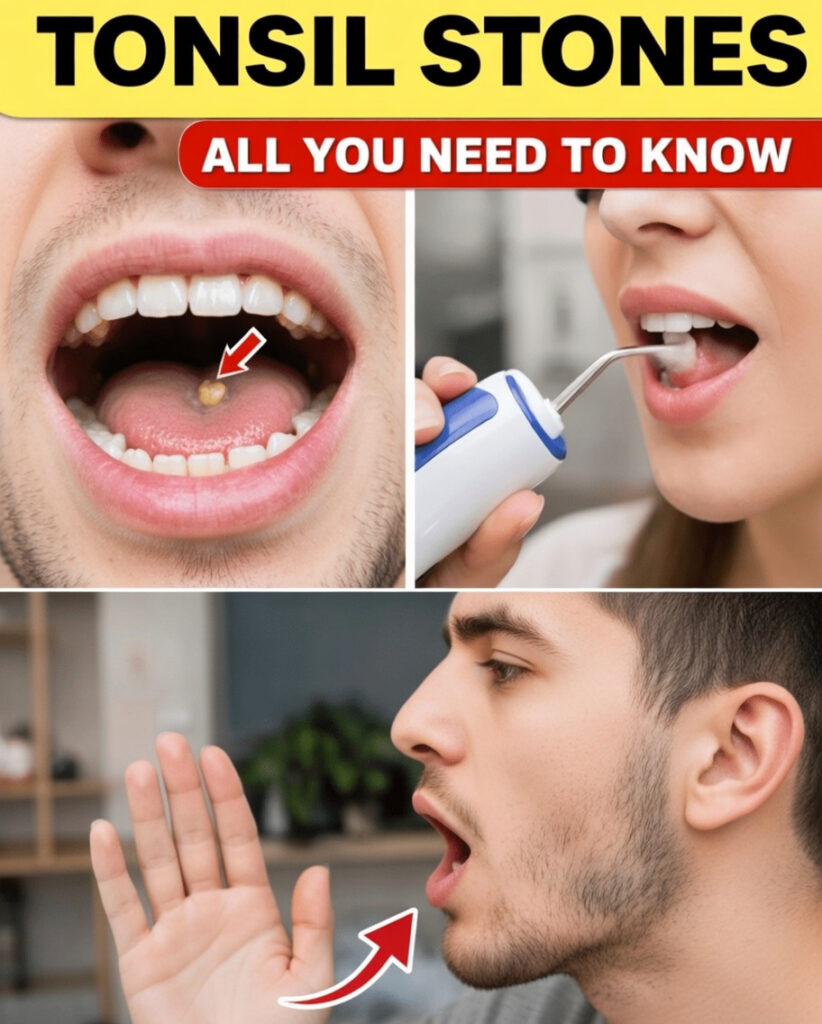
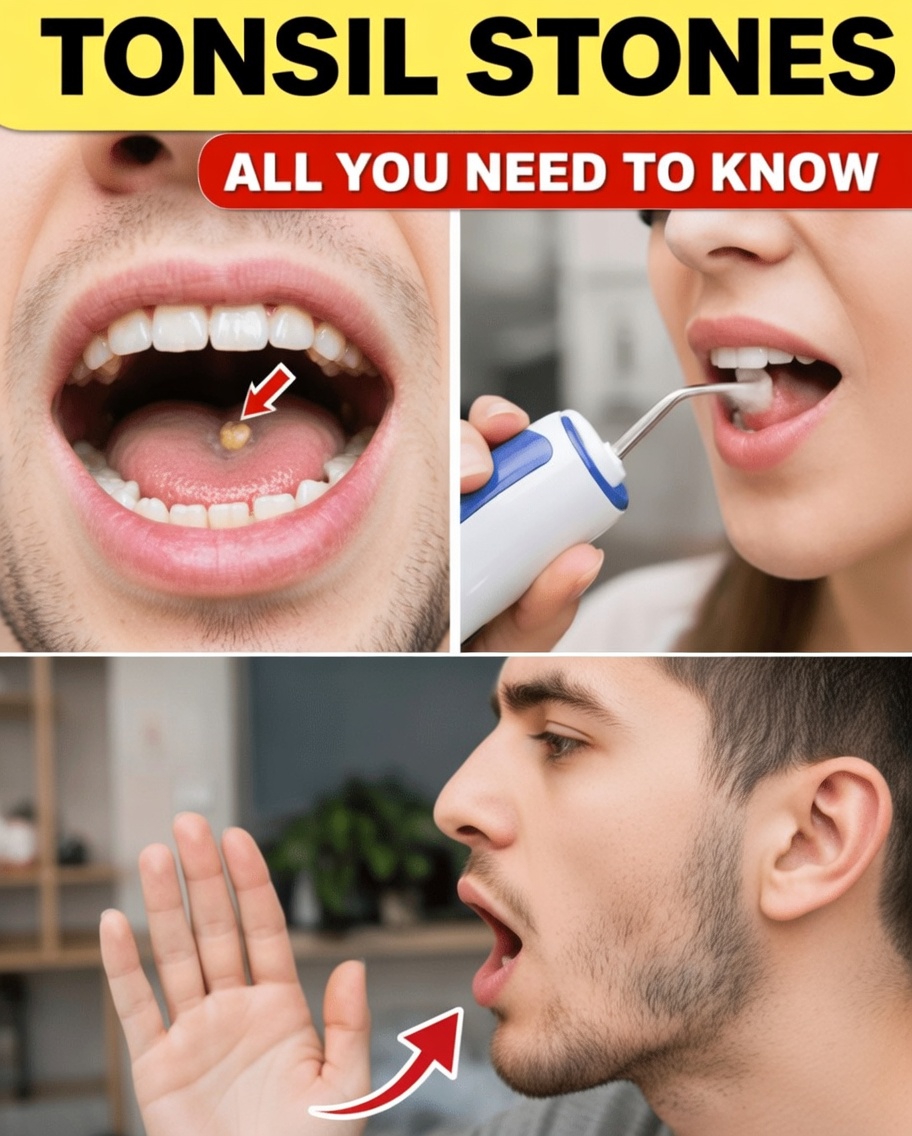
Tonsil Stones: Symptoms, Causes, Safe Removal, and Prevention
Have you ever noticed a white speck at the back of your throat or dealt with bad breath that refuses to go away, no matter how carefully you brush? That can be uncomfortable, frustrating, and sometimes embarrassing. In many cases, the cause is something surprisingly common: tonsil stones.
The encouraging part is that once you understand what they are and how they form, they become much easier to manage. With a few simple habits, you can often reduce symptoms and help prevent them from coming back.
What Are Tonsil Stones?
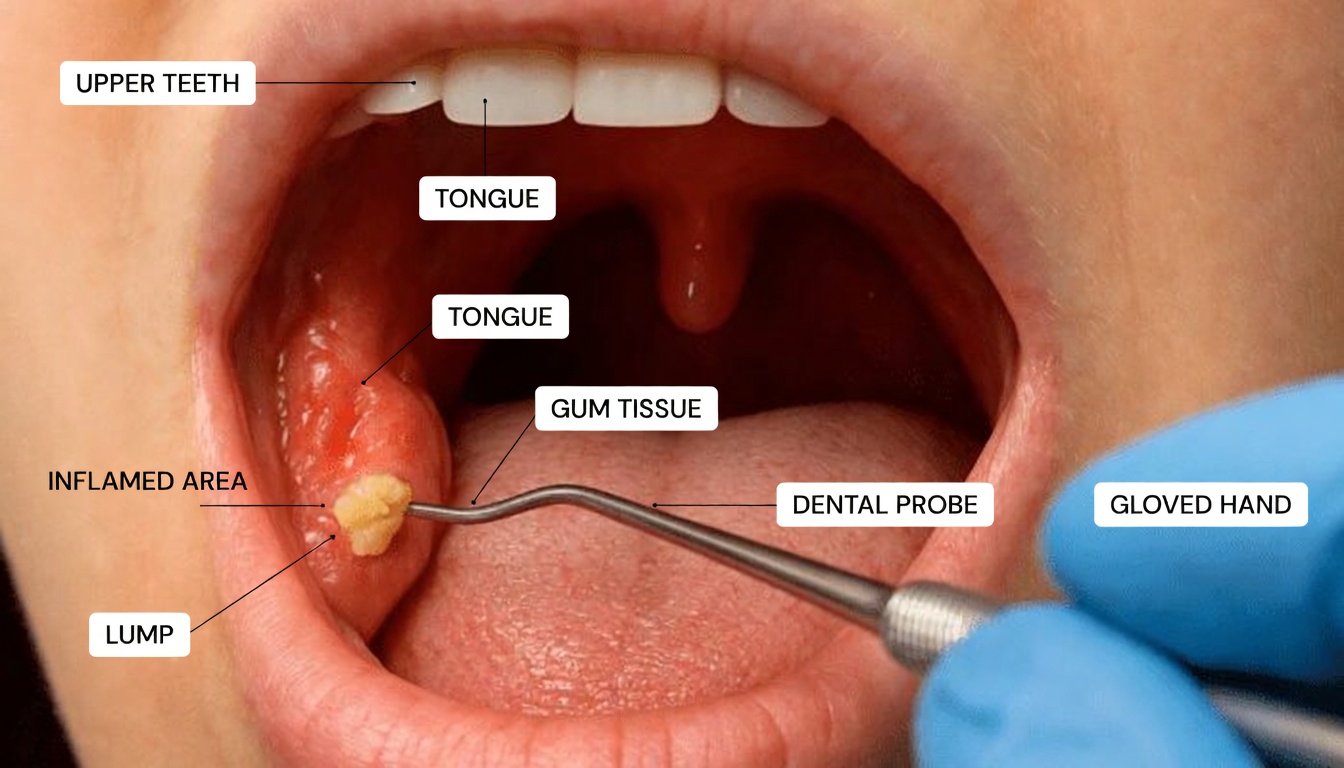
Tonsil stones, medically called tonsilloliths, are small hardened buildups that develop inside the tiny crevices of the tonsils. These crevices are known as tonsil crypts, and they can collect food particles, mucus, dead cells, and bacteria over time.
As this trapped material mixes with minerals in saliva, it can harden into small white or yellow lumps. Many stones are very small, often about the size of a grain of rice, though some may become larger.
According to experts such as the Cleveland Clinic, tonsil stones are more common than many people think, especially in adults who have deeper tonsil crypts. Some people first spot them in the mirror, while others unexpectedly cough one out.
For many, the first experience is confusing. Knowing the basics is often the first step toward feeling less worried and more in control.
Signs and Symptoms to Watch For
Not everyone with tonsil stones has obvious symptoms. In fact, many people do not realize they have them at all. When symptoms do appear, they are often mild but persistent.
Persistent Bad Breath
One of the most common complaints is ongoing bad breath. This happens because bacteria trapped in the stones can release sulfur compounds, which create an unpleasant odor. Some research suggests tonsil stones may contribute to around 10% of chronic bad breath cases.
Throat Irritation or Mild Pain
You may feel a scratchy throat or slight discomfort when swallowing. If a stone is larger, it can press on nearby tissue and create the sensation that something is stuck in your throat.
White or Yellow Spots on the Tonsils
Looking at your tonsils in the mirror may reveal tiny pale spots. These may stay in place for a while or come loose on their own when you cough or swallow.
Ear Pain Without an Ear Infection
Tonsil irritation can sometimes cause referred pain in the ears. Because the throat and ears share nerve pathways, discomfort in the tonsils may feel like ear pain even when the ears are healthy.
Swollen Tonsils or a Lingering Cough
Tonsil stones can lead to mild swelling or trigger a cough as your body tries to clear the throat.
Tonsil Stones vs. Other Common Problems
Because the symptoms can overlap with other conditions, tonsil stones are often mistaken for something else. This quick comparison can help.
| Common Symptom | Why It Happens | Often Mistaken For |
|---|---|---|
| Persistent bad breath | Bacteria on the stones release sulfur compounds | Poor hygiene or certain foods |
| Sore throat or irritation | Pressure and inflammation around the tonsils | A cold or seasonal allergies |
| White spots and ear pain | Stone buildup and referred nerve pain | Infection or earwax problems |
| Cough and swelling | Tissue irritation in the throat | Reflux or smoking-related irritation |
Recognizing these patterns can help you identify the real cause more quickly.
Why Do Tonsil Stones Form?
Anyone can get tonsil stones, but some factors make them more likely.
Common Causes and Risk Factors
- Poor oral hygiene allows debris and bacteria to build up more easily
- Large tonsils or deep crypts create more places for material to collect
- Chronic tonsillitis can increase inflammation and buildup
- Post-nasal drip from allergies or sinus issues adds extra mucus to the throat
Although many people assume tonsil stones are unusual, studies show they affect a significant number of adults, especially those with cryptic tonsils. Everyday habits play a bigger role than most people realize.
The good news is that prevention often begins with small, consistent changes.
How to Remove Tonsil Stones Safely at Home
Small tonsil stones often come out on their own when you swallow, cough, or gargle. If they remain in place, there are a few gentle home methods that may help.
It is important to be careful. Do not use sharp tools or forceful scraping, as this can injure the tonsils and raise the risk of infection.
Safe Methods to Try
-
Gargle with warm salt water
- Mix half a teaspoon of salt into a glass of warm water
- Gargle for 30 to 60 seconds
- This may loosen trapped debris and calm irritation
-
Use a low-pressure water flosser
- Stand in front of a mirror
- Aim the stream gently toward the tonsil area
- Always begin on the lowest setting
- Keep the pressure light to avoid irritating the tissue
-
Try coughing or a clean cotton swab
- A strong cough may dislodge smaller stones
- If using a cotton swab, dampen it slightly
- Press gently around the area, not directly into the tonsil
If a stone is large, painful, or difficult to remove, it is best to have it checked by a medical professional.
How to Prevent Tonsil Stones from Coming Back
The most effective way to reduce tonsil stones is to build a strong daily oral care routine. Research suggests that consistent oral hygiene is one of the most helpful prevention strategies.
Daily Habits That Can Help
- Brush and floss twice daily
- Gently brush your tongue to reduce bacteria
- Gargle after meals with salt water or an alcohol-free mouthwash
- Drink plenty of water to keep mucus thinner and reduce buildup
- Cut back on excess dairy if it seems to worsen mucus production
- Avoid smoking, which can contribute to irritation and debris buildup
One commonly overlooked step is taking care of your sinus health. Managing allergies, congestion, and post-nasal drip can reduce the amount of mucus reaching the tonsils and may lower the chance of new stones forming.

When You Should See a Doctor
Most tonsil stones are harmless and can be managed at home. However, there are times when medical advice is the better choice.
Contact a Doctor or ENT Specialist If You Have:
- Very large tonsil stones
- Stones that keep returning frequently
- Severe throat pain
- Noticeable swelling
- Difficulty swallowing
- Bad breath that continues despite good oral care
- Signs of infection such as fever or pus
In long-term or severe cases, a doctor may discuss treatments such as laser cryptolysis or, less commonly, tonsil removal. The important thing is knowing when home care is enough and when professional support is needed.
Real-Life Examples: You’re Not the Only One
Many people feel embarrassed by symptoms like bad breath or strange white spots, but these experiences are more common than they seem.
A 42-year-old teacher named Sarah struggled with unpleasant breath for years before noticing tiny white particles in her throat. After adding daily salt-water gargles and tongue brushing to her routine, she noticed major improvement within weeks.
Mike, age 35, kept experiencing unexplained ear discomfort until he learned about tonsil stones. By using gentle water flossing and improving his hydration, he was able to solve the problem without needing medical treatment.
Stories like these show that awareness and small routine changes can make a real difference.
Final Thoughts
Tonsil stones are common, manageable, and often linked to simple factors like trapped debris, bacteria, and tonsil structure. Once you know the symptoms, causes, and safe ways to deal with them, they become far less mysterious.
A few steady habits—such as better oral hygiene, regular gargling, hydration, and attention to sinus health—can go a long way toward fresher breath and fewer throat issues.
Even one small adjustment to your routine today could make tomorrow feel much more comfortable.
Fun fact: While some tonsil stones can become surprisingly large, most stay very small and can usually be managed with gentle care.
Disclaimer
This article is for informational purposes only and does not replace professional medical advice. Evidence suggests that good oral hygiene may help manage tonsil stones, but anyone with severe, persistent, or worsening symptoms should consult a qualified healthcare provider.