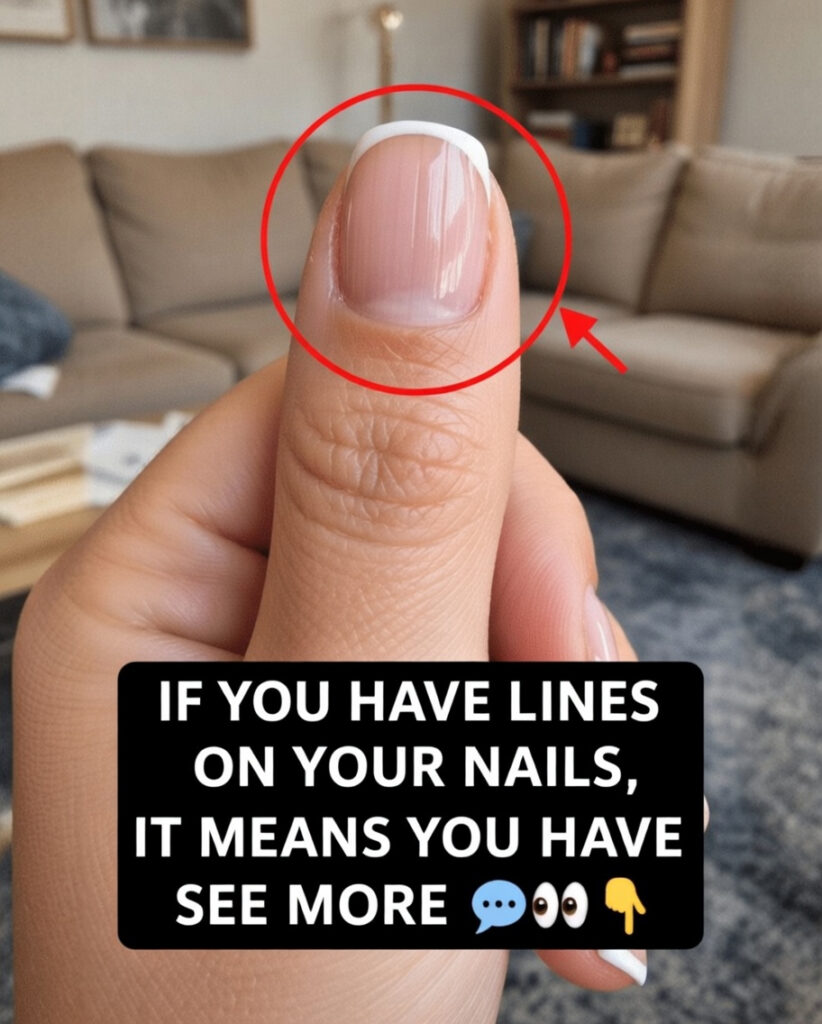
Nail Ridges: What They Mean and How to Improve Nail Health Naturally
You may have looked at your fingernails and noticed faint lines or grooves, then wondered whether they are a normal part of aging or a sign that something needs attention. It can be frustrating when nails that once felt smooth begin to look rough, fragile, or uneven—especially when daily life is already busy enough.
In most cases, nail ridges are very common and are often connected to ordinary factors such as age, hydration, and nutrition. The encouraging part is that small daily habits can often help improve how your nails look and feel over time.
What Are Nail Ridges?
Nail ridges are lines or grooves that appear on the surface of the fingernails. Some run from the cuticle to the tip, while others go across the nail from side to side. They can show up at any age, although many people begin noticing them more as they get older.
Most ridges are harmless and do not require complicated treatment. Still, the direction and appearance of the lines can offer clues about what may be affecting your nails.
Vertical Nail Ridges: The Most Common Kind
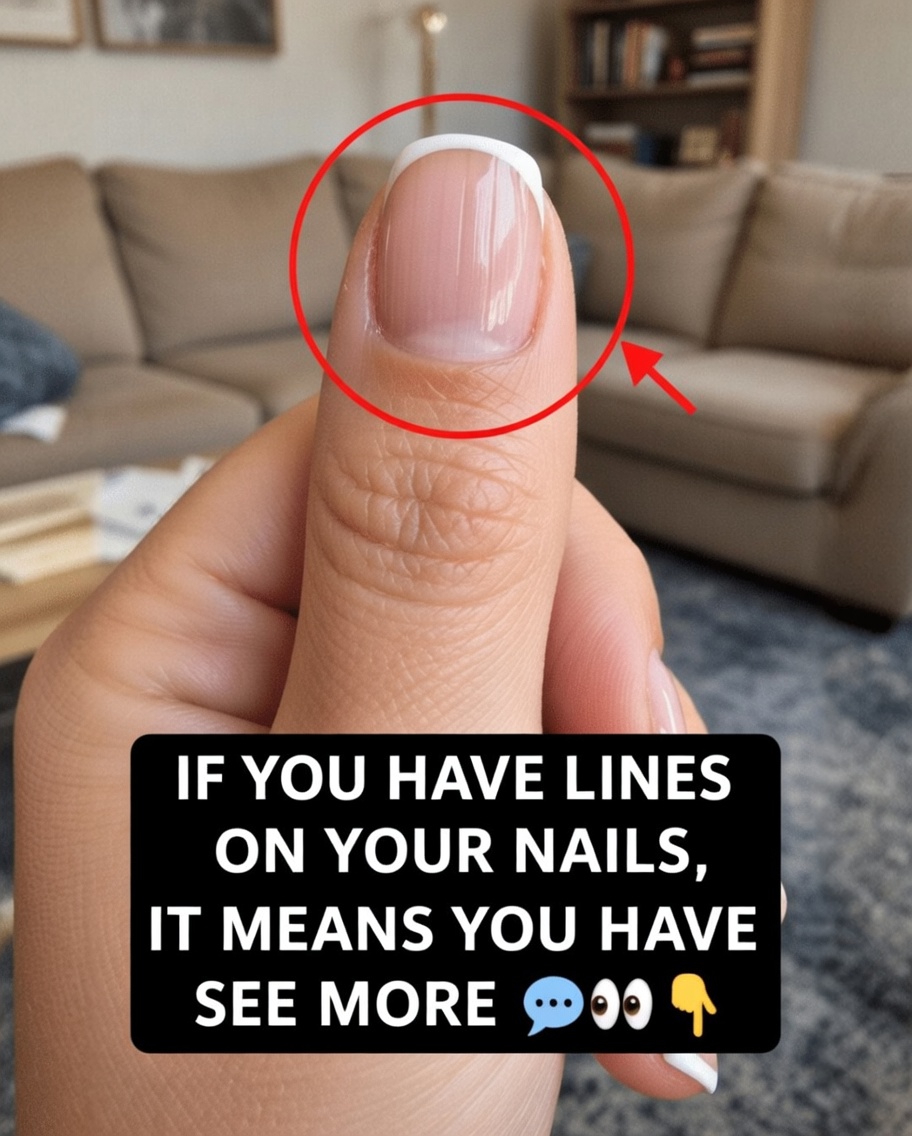
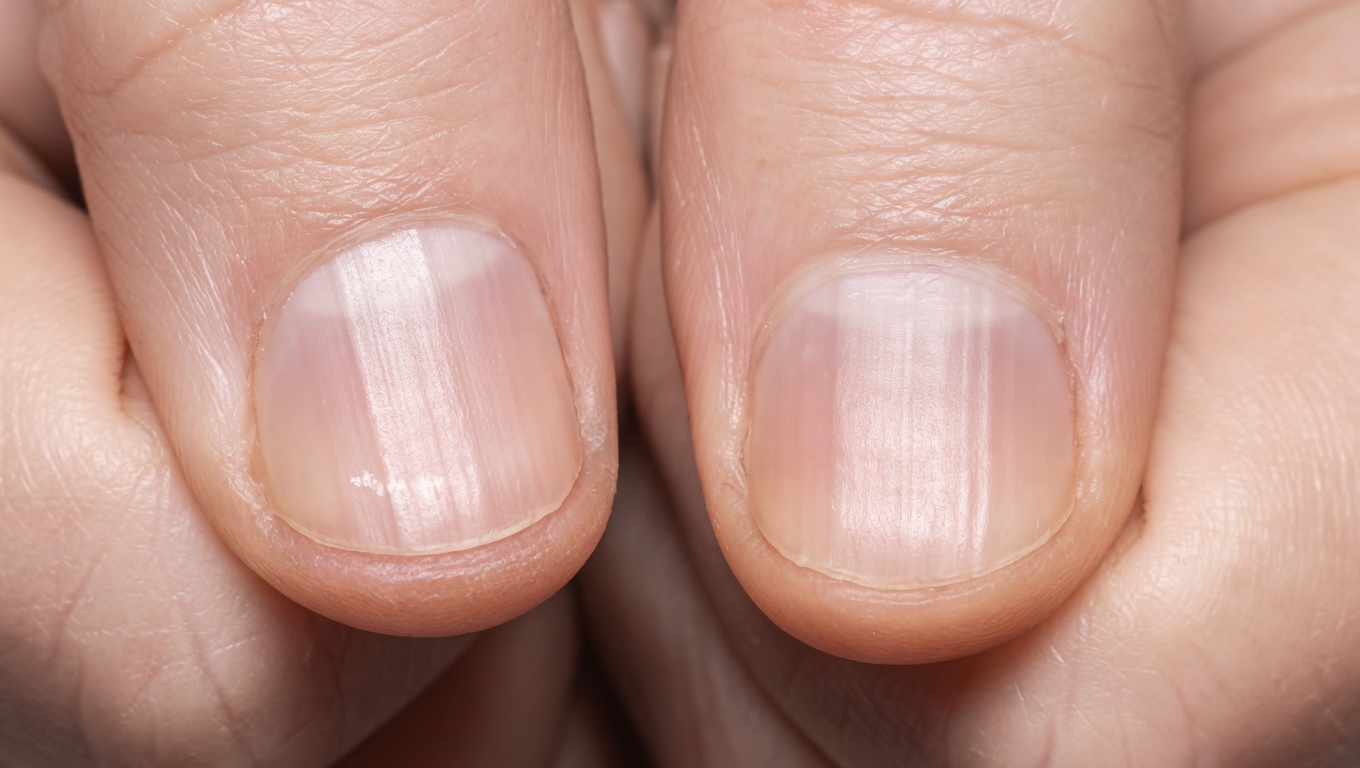
Vertical ridges extend lengthwise along the nail, from the base toward the tip. These are the type most people see, especially after age 40. Like fine lines in the skin, they often become more visible with time as nail growth changes naturally.
Aging is only one possible reason. Dryness can also make vertical ridges stand out more, and brittle nails may sometimes point to mild gaps in nutrition or overall hydration. While this is usually not a reason to worry, it can be a useful reminder to support your body a little better.
Common Causes of Vertical Ridges
- Natural age-related changes in nail growth
- Dehydration
- Low intake of nutrients such as zinc, protein, or biotin
- Everyday wear from frequent hand use
The good news is that these ridges often respond well to simple, consistent care.
Horizontal Nail Ridges: When Lines Run Across the Nail
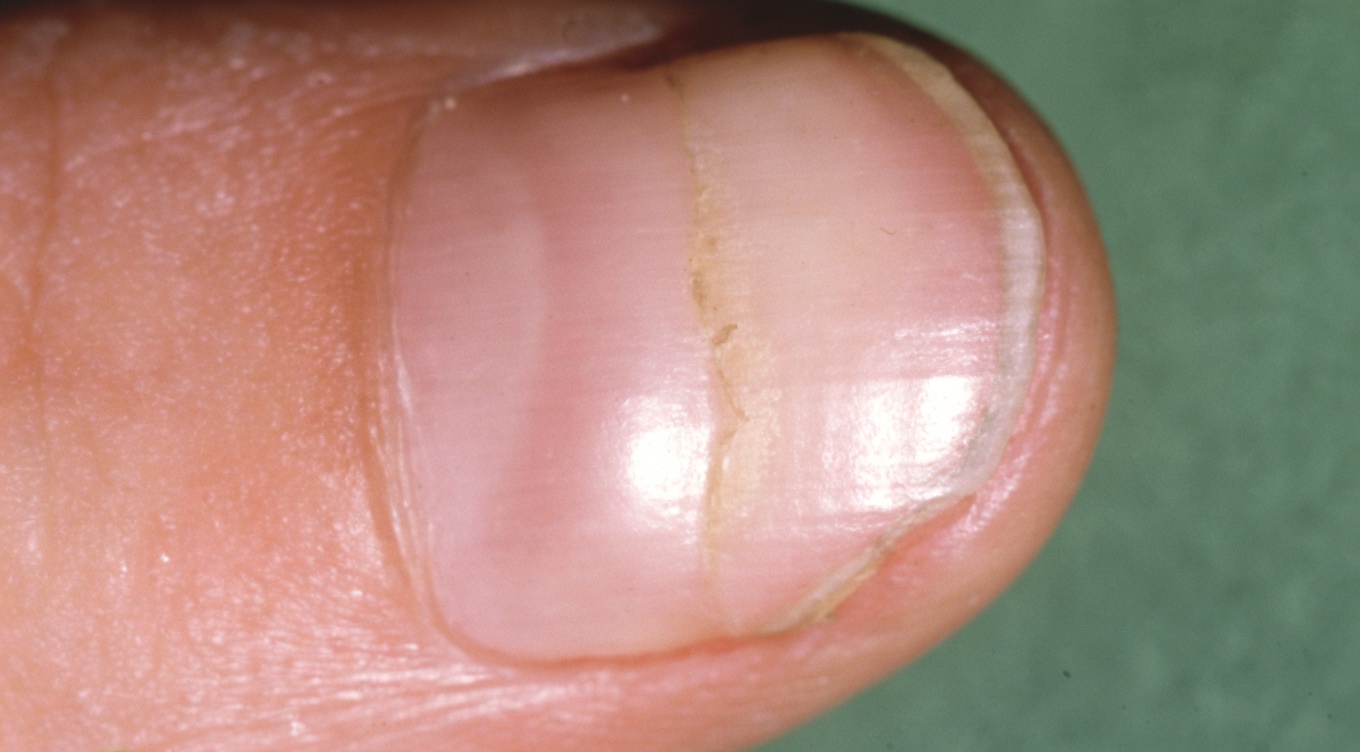
Horizontal grooves, often called Beau’s lines, look different from vertical ridges. They stretch across the nail and are more likely to appear after nail growth has been interrupted for a short time.
This can happen after illness, physical stress, emotional strain, or injury. Because fingernails grow slowly—roughly 3 millimeters per month—these lines can reflect something your body experienced weeks or even months earlier.
If horizontal ridges appear on several nails at once, they may be linked to the same event or period of stress.
White Horizontal Lines
Another variation you may notice is white horizontal lines beneath the nail surface, known as Muehrcke’s lines. These are often associated with lower protein levels in the blood and may reflect dietary patterns or other health factors.
On their own, they are not automatically a sign of something severe, but they can be a helpful prompt to pay attention to your overall nutrition and wellbeing.
Dark Streaks: A Change Worth Checking
Dark vertical streaks that appear brown or black are different from ordinary ridges. If you notice a new pigmented line—especially on one nail only—it is wise to have it evaluated by a healthcare professional.
Most nail ridges are harmless, but sudden changes in color, pattern, or thickness should not be ignored. Getting unusual changes checked early is always the safest approach.
Easy Daily Habits for Stronger, Healthier Nails
If you want smoother, stronger nails, you do not need an expensive routine. A few practical habits can make a real difference when followed consistently.
1. Drink More Water
Hydration plays a major role in nail flexibility and appearance. When the body is low on water, nails can become dry and more likely to show ridges.
- Aim for about 8 glasses of water a day
- Add lemon or cucumber if plain water feels boring
- Use a marked bottle or reminder app to stay consistent
2. Eat Foods That Support Nail Growth
Nails are made of keratin, so they need steady nutritional support. Focus on foods that provide:
- Protein: eggs, beans, fish, lean meats
- Zinc: nuts, seeds, legumes
- Biotin: avocados, sweet potatoes, eggs
Even small improvements in your meals can support healthier nail growth over time.
3. Protect Your Hands
Daily chores can weaken nails more than people realize.
- Wear gloves while washing dishes
- Use protection when gardening
- Limit frequent exposure to harsh soaps and chemicals
4. Moisturize Nails and Cuticles
Dry nails tend to look rougher and split more easily. Apply hand cream or cuticle oil regularly, especially at night, and gently massage it in.
5. Avoid Picking or Excessive Filing
Over-filing and picking can worsen nail damage.
- Trim nails straight across
- Use a gentle buffer only when necessary
- Avoid peeling or tearing rough edges
These steps are not instant fixes, but they can support better nail condition over the weeks and months as new growth comes in.
Vertical vs. Horizontal Ridges: Quick Comparison
| Feature | Vertical Ridges | Horizontal Ridges (Beau’s Lines) |
|---|---|---|
| Direction | From base to tip | Across the nail |
| Common Cause | Aging, dehydration, minor nutrition gaps | Illness, stress, or temporary interruption in nail growth |
| Frequency | Very common, especially after 40 | Less common |
| Usual Pattern | Develop gradually | May appear more suddenly |
| What Helps | Hydration, nutrition, gentle nail care | Recovery, monitoring timing, medical advice if needed |
| When to Pay Attention | If nails become very brittle or split often | If several nails are affected at once or changes appear suddenly |
This comparison can help you tell the difference the next time you look at your nails.
Why Hydration and Nutrition Matter So Much
Many people do not realize that nails can reflect everyday habits before other parts of the body do. Because nails depend on keratin production, they need a steady supply of protein and supporting nutrients.
If your diet is inconsistent or lacking in key nutrients like zinc or biotin, your nails may become weaker, rougher, or more ridged. Hydration matters just as much. Without enough water, nails lose flexibility and can appear dry and uneven.
The positive side is that improving these basics often leads to healthier nails within a few months, as fresh nail growth replaces the older portion.
One Simple Habit That Can Make a Noticeable Difference
If there is one easy habit to start today, it is this: track your water intake.
That may sound almost too simple, but it is one of the most overlooked steps for better-looking nails. Using a phone app or a clearly marked water bottle can help you stay consistent without much effort. In addition to supporting your nails, better hydration may also help your skin and overall energy.
Try it for two weeks and pay attention to how your body feels.
Final Thoughts
Nail ridges are usually a normal part of life. They may be linked to aging, dehydration, stress, or small nutritional gaps rather than anything alarming. By noticing changes early and building a few healthy habits into your routine, you can support stronger, smoother nails over time.
Be patient with the process. Nails grow slowly, so the best results come from consistency rather than quick fixes.
FAQ
1. Are nail ridges always a sign of a serious problem?
No. Vertical ridges are especially common and are often related to normal aging, dryness, or mild nutritional issues.
2. What causes vertical ridges in fingernails?
The most common reasons include age-related nail changes, dehydration, and not getting enough nutrients such as protein, zinc, or biotin.
3. Are horizontal ridges more concerning?
They can be more important to notice because they may reflect a temporary disruption in nail growth due to illness, stress, or trauma. If they appear suddenly on several nails, it is worth paying attention.
4. Can drinking more water really help nail ridges?
It can help if dryness is part of the problem. Better hydration supports nail flexibility and may reduce the appearance of ridges over time.
5. How long does it take to see improvement?
Because fingernails grow slowly, visible improvement may take several weeks to a few months. Consistent care is key.
6. When should I see a doctor?
Seek medical advice if you notice dark streaks, sudden major changes in color or shape, severe brittleness, pain, or ridges appearing quickly on many nails at once.