A Quick Mirror Check: What Your Tongue Might Be Telling You
Picture your usual morning routine: you wake up, head to the bathroom, brush your teeth, and catch a glimpse of your tongue in the mirror. Today it looks… different—maybe unusually pale, or covered with a thicker coating than normal. Many people simply brush it and move on.
Yet your tongue can act like a small “status screen” for everyday health—often reflecting hydration, nutrition, circulation, and oral hygiene. Overlooking these subtle shifts may mean missing early hints that your body needs a small adjustment. The upside: once you know what to look for, tongue changes can help you fine-tune your daily habits. And near the end, you’ll find a simple, doctor- and dentist-friendly routine that supports long-term tongue health.
1) Normal Tongue: What a Healthy Tongue Usually Looks Like
A healthy tongue is typically light pink, slightly moist, and covered with tiny, evenly distributed bumps called papillae. These papillae contain taste buds and help you detect flavors.
Common signs of a normal, healthy tongue include:
- Light pink color
- Moist surface
- Thin, clear or slightly whitish coating
- Small bumps spread evenly across the tongue
These features often align with good hydration, balanced nutrition, and consistent oral care.
One important detail many people miss: tongue appearance can shift quickly due to diet, water intake, medications, and brushing habits.
For example:
- Drinking enough water supports normal moisture
- Eating fruits and vegetables may support circulation and nutrient balance
- Cleaning the mouth regularly helps reduce bacterial buildup
When these basics slip, the tongue can change—sometimes noticeably.
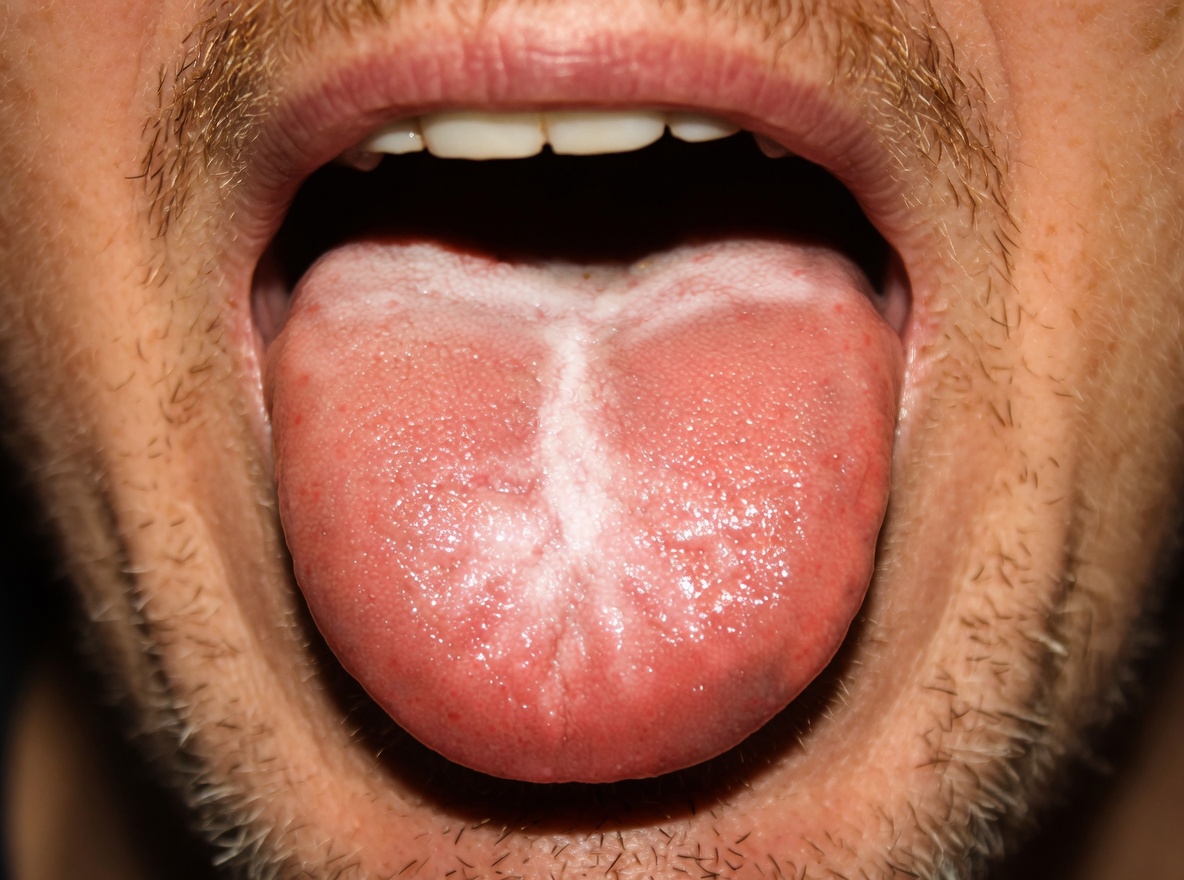
2) White Coating: A Common Sign of Oral Imbalance
A white or pale tongue coating is one of the most frequently noticed changes. It often appears when bacteria, fungi, and debris build up on the tongue’s surface.
Common contributors include:
- Inconsistent oral hygiene
- Recent antibiotic use
- Dry mouth
- Reduced immune resilience
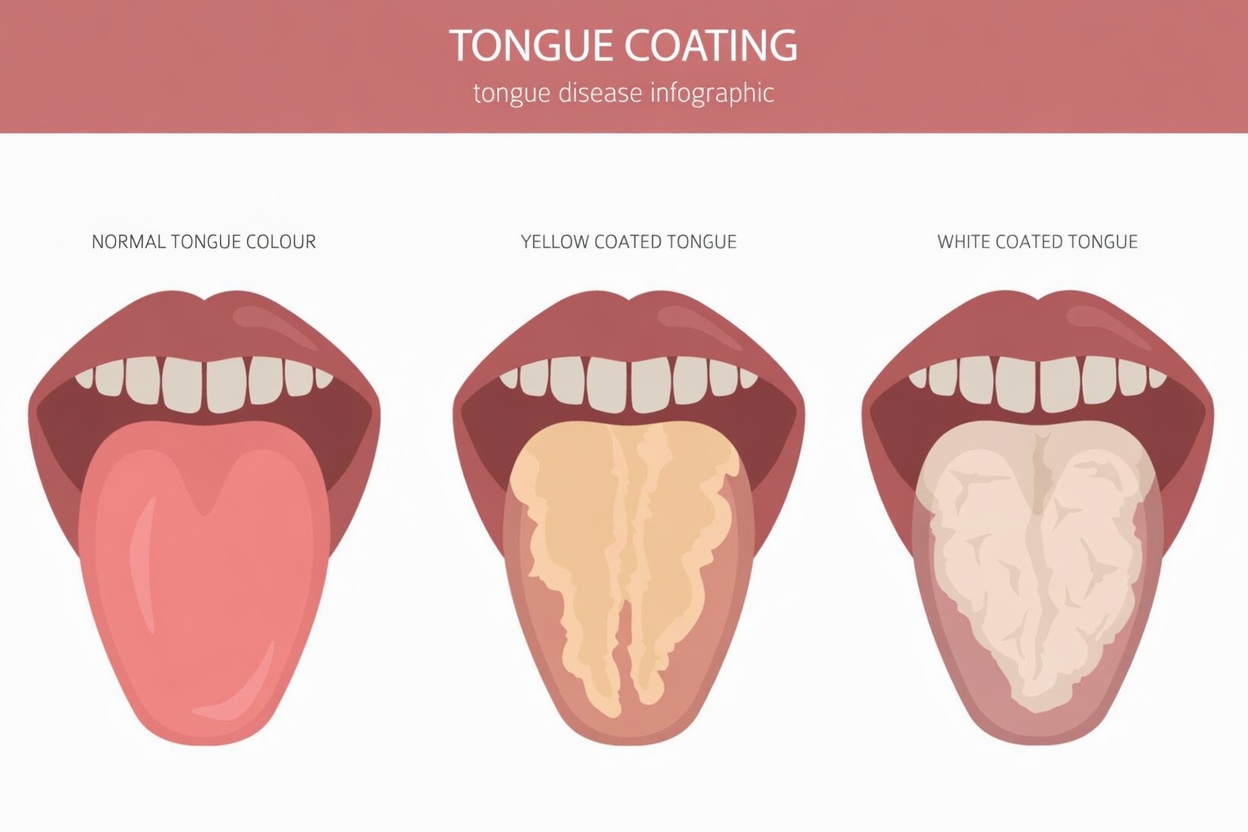
In some situations, patchy white areas may relate to oral thrush (a yeast imbalance). Still, a white coating does not automatically mean something serious. Many cases improve with simple daily habits, such as:
- Gently brushing the tongue
- Increasing water intake
- Using alcohol-free mouthwash
- Eating probiotic-rich foods (like yogurt)
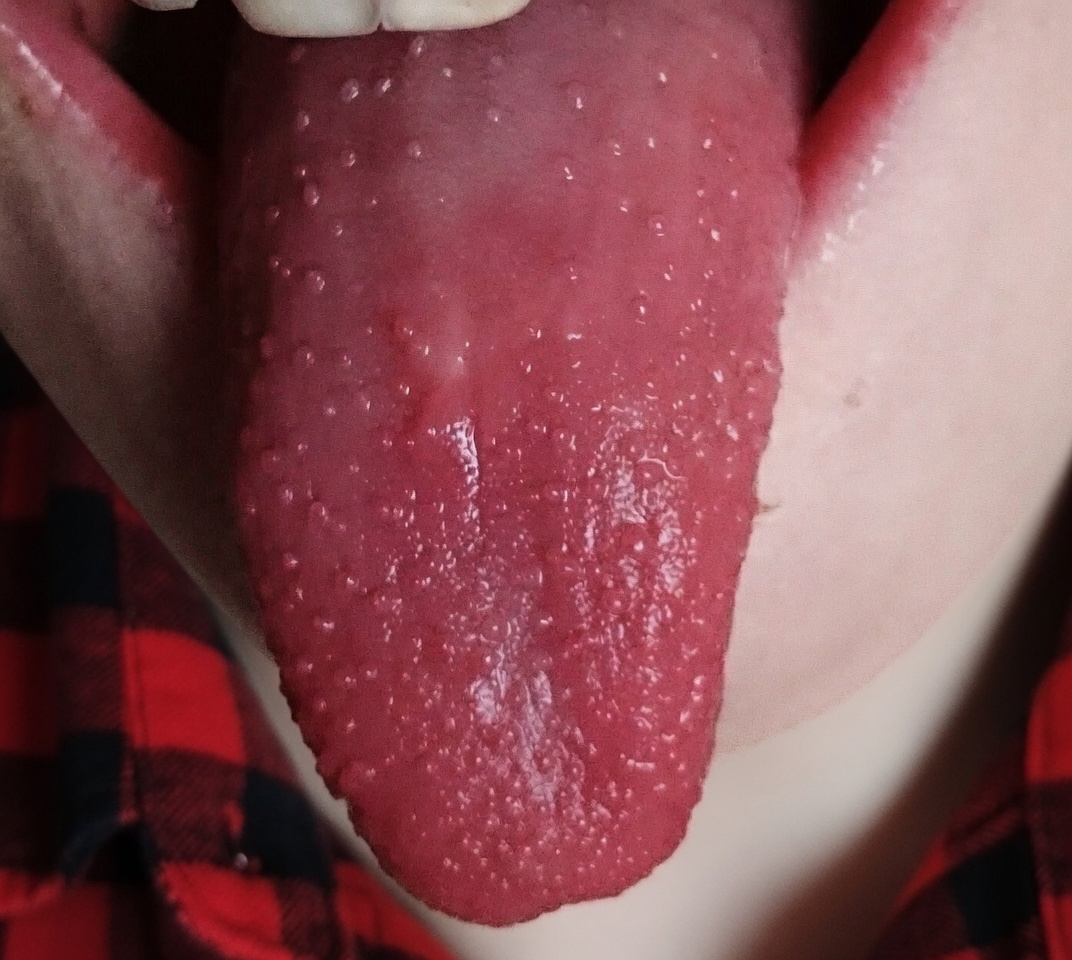
3) Bright Red Tongue: Irritation, Sensitivity, or Deficiency
A tongue that turns bright red or looks inflamed can appear suddenly. People often notice:
- A burning or stinging feeling
- Tenderness
- Mild swelling
- More sensitivity to spicy or acidic foods
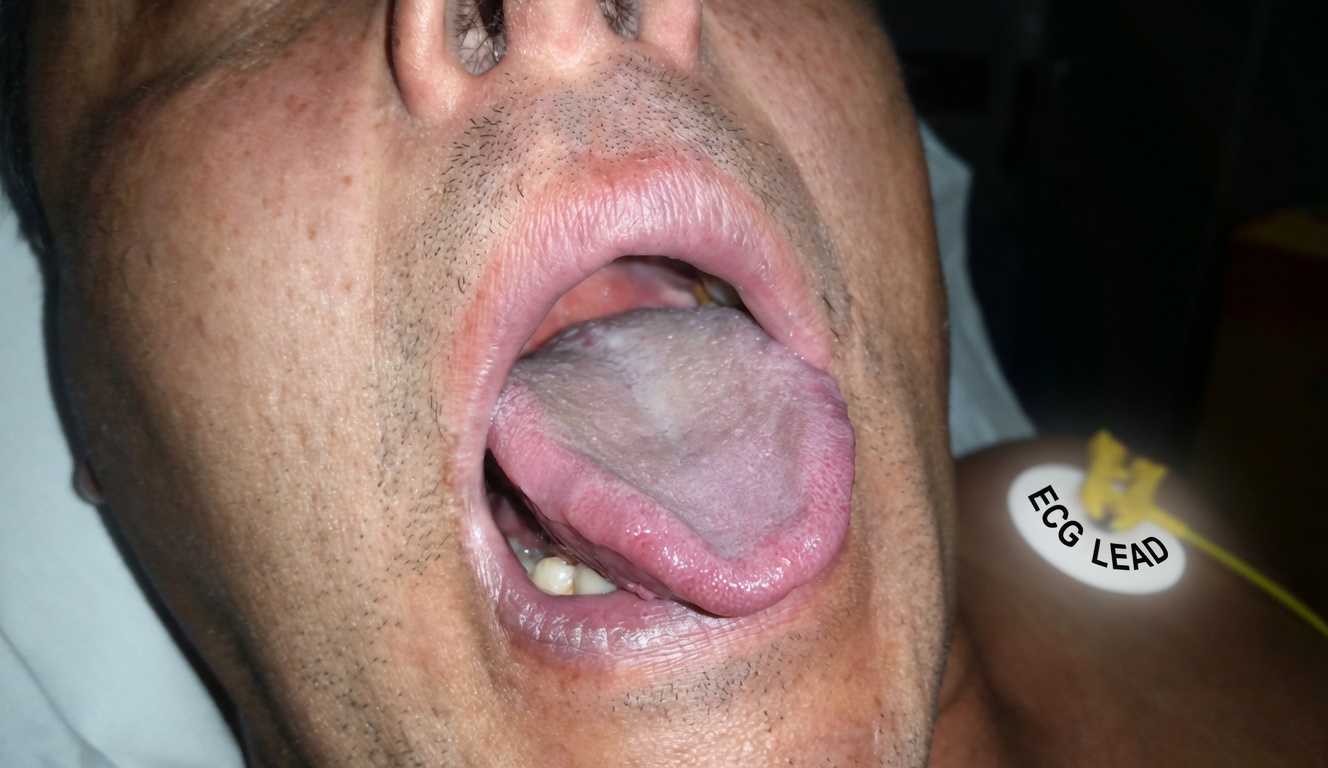
Potential triggers include:
- Food sensitivities or allergies
- Spicy foods
- Mouth irritation
- Possible vitamin deficiencies (research often discusses B-vitamin links)
If redness shows up briefly and settles within a few days, it may simply be temporary inflammation. Redness that persists or repeatedly returns is worth discussing with a healthcare professional.
4) Yellow Tongue: Bacterial Buildup and Lifestyle Factors
A yellow coating is frequently associated with bacterial buildup, sometimes stained by pigments from food or tobacco.
Habits that commonly contribute:
- Smoking or tobacco use
- Skipping tongue cleaning
- Dry mouth
- Dehydration
The encouraging part: a yellow tongue is often reversible. Helpful steps include:
- Scraping or brushing the tongue daily
- Staying hydrated throughout the day
- Reducing tobacco exposure
- Eating more fiber-rich foods
Many people see visible improvement within days after small lifestyle changes.
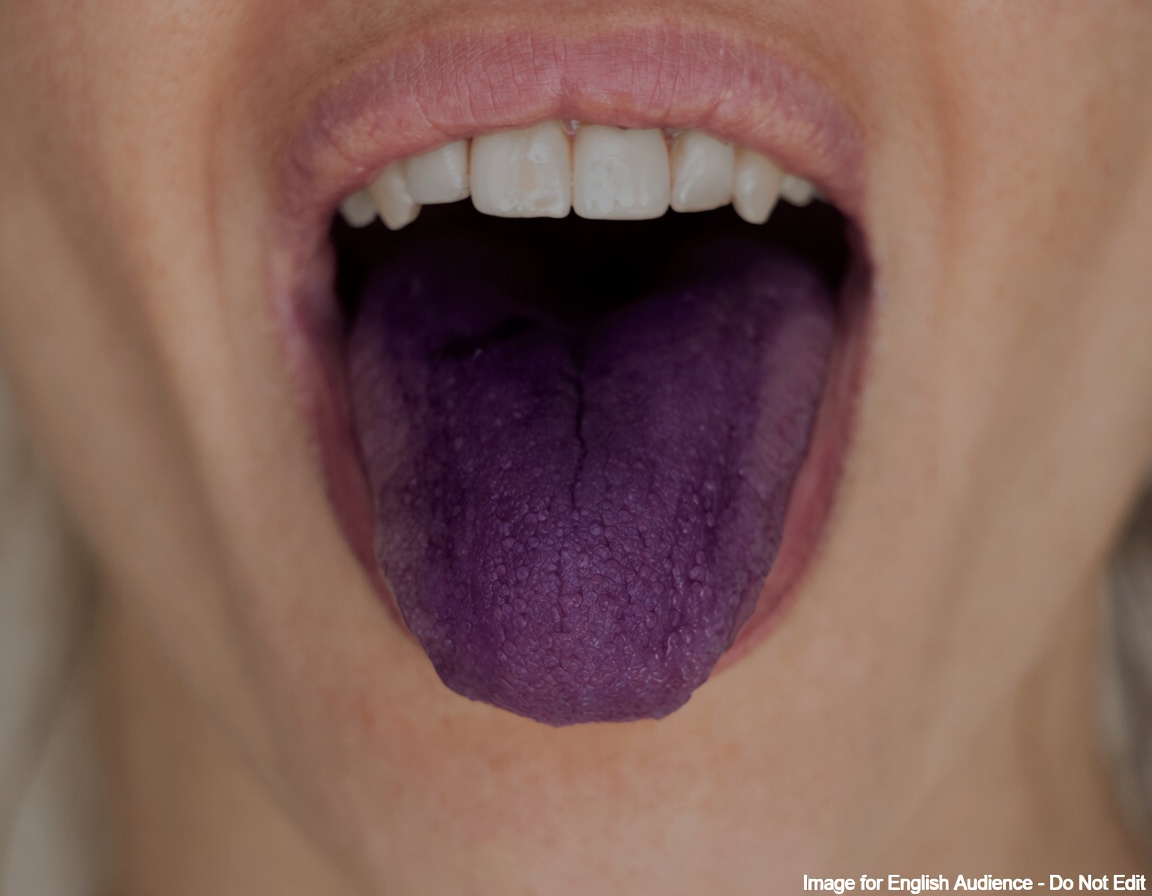
5) Bluish or Purple Tongue: A Possible Circulation Signal
A tongue with a bluish or purple tone can appear when oxygen delivery or circulation is reduced. Clinicians sometimes connect this look with issues affecting breathing or blood flow.
Possible contributing factors include:
- Cold exposure
- Circulation challenges
- Lung-related conditions
- Cardiovascular stress

Context is important. Temporary color shifts can happen in cold weather or after intense exercise. But persistent bluish discoloration should be evaluated by a healthcare professional, especially if accompanied by shortness of breath, chest discomfort, or ongoing fatigue.
6) Gray Coating: Sometimes Linked to Digestive Imbalance
A grayish or thick coating may appear when digestive balance is off. Some people notice it alongside:
- Acid reflux
- Bloating
- A heavy feeling after meals
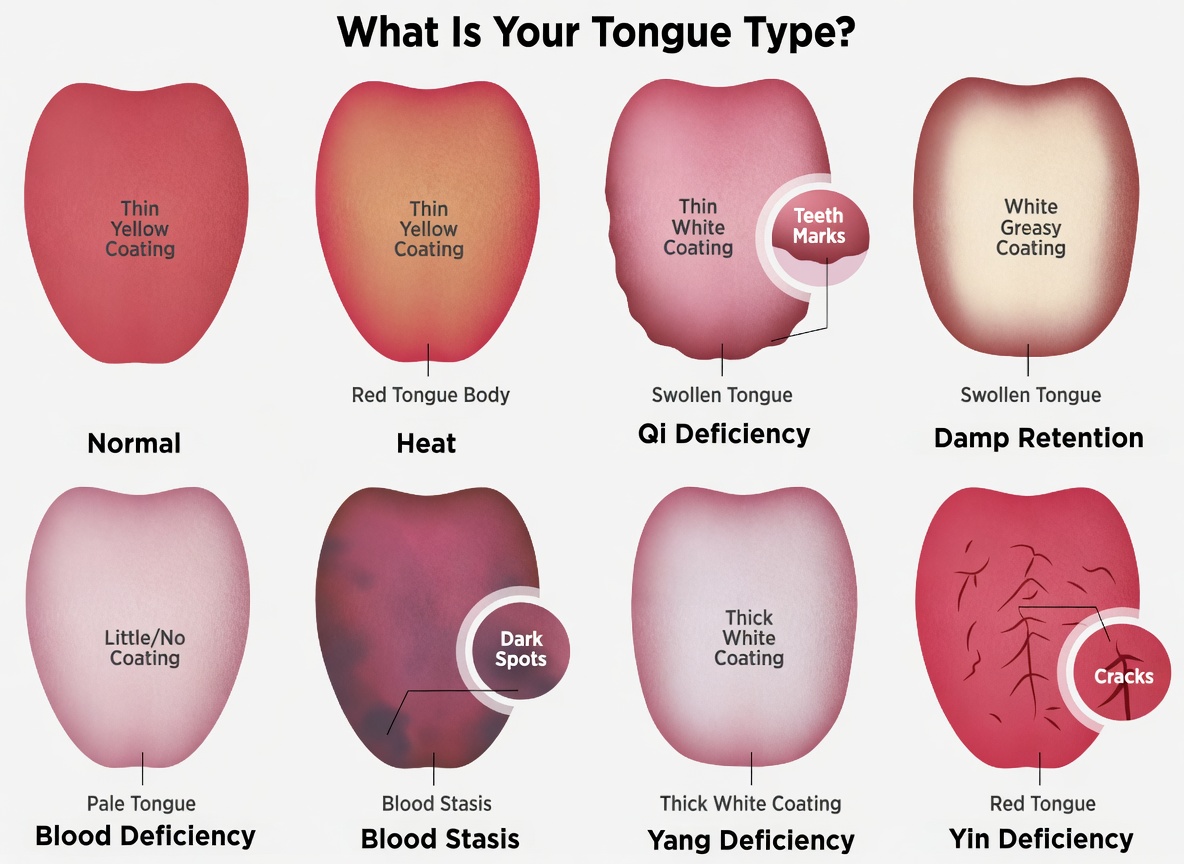
Digestive research suggests oral bacteria and gut balance can influence each other. Supportive habits that may help include:
- Eating more slowly and chewing thoroughly
- Adding fermented foods (like yogurt)
- Drinking warm water in the morning
- Cutting back on excessive sugary foods
7) Very Pale Tongue: Possible Low Iron Status
A tongue that looks very pale (sometimes nearly whitish) may be seen in people with low iron levels. Iron helps transport oxygen in the blood, and low intake or poor absorption may be associated with:
- Fatigue
- Dizziness
- Weakness
- Paler skin or tongue
Older adults can be at higher risk due to dietary changes or absorption issues. Iron-rich foods include:
- Beans and lentils
- Lean meats
- Spinach
- Pumpkin seeds
Pairing iron-rich meals with vitamin C sources (like citrus fruits) may support absorption.
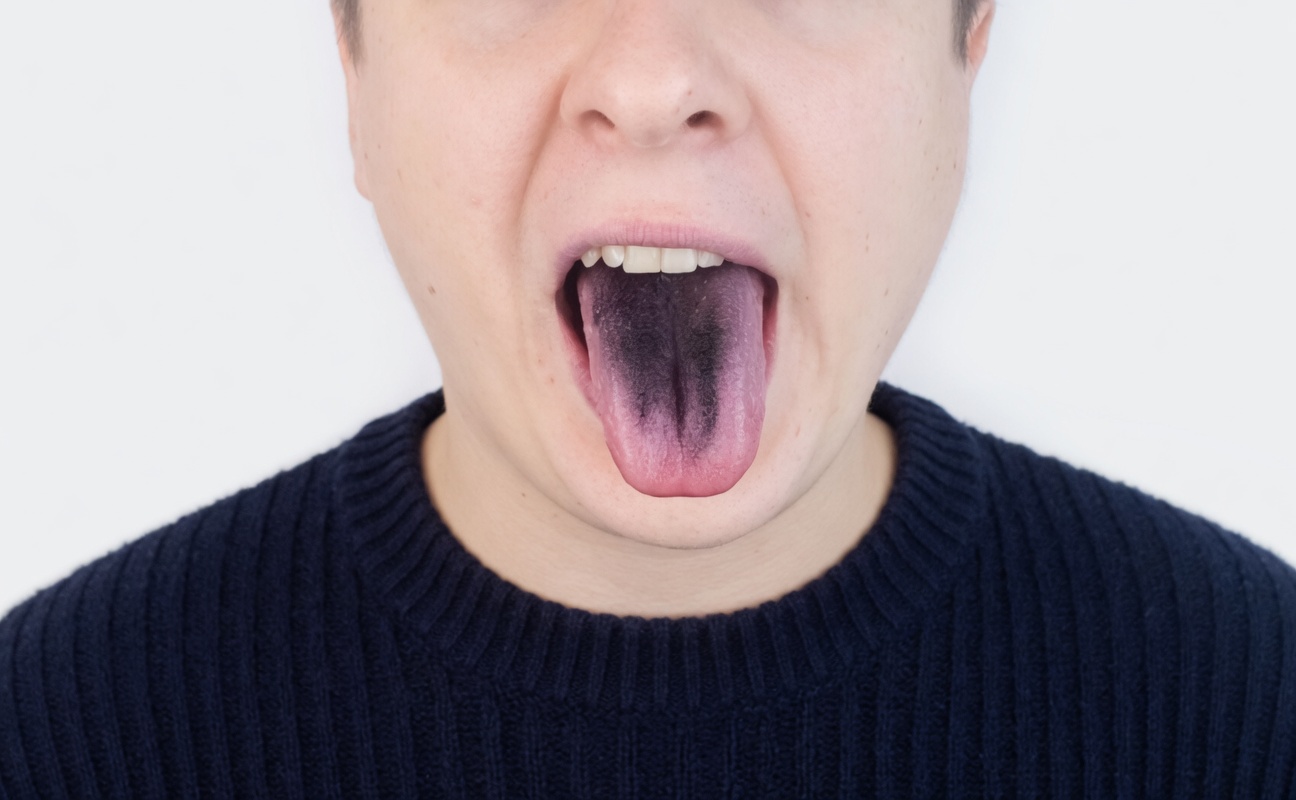
8) Dark Brown or Black Tongue: Keratin Buildup (“Black Hairy Tongue”)
A dark brown or black tongue can occur when keratin accumulates on the tongue surface. When papillae grow longer than usual, they can trap bacteria and pigments from foods and drinks.
Common contributors include:
- Smoking
- Heavy coffee or tea intake
- Inadequate oral hygiene
- Certain medications

Although it can look alarming, it is often manageable with consistent tongue cleaning and improved oral care habits.
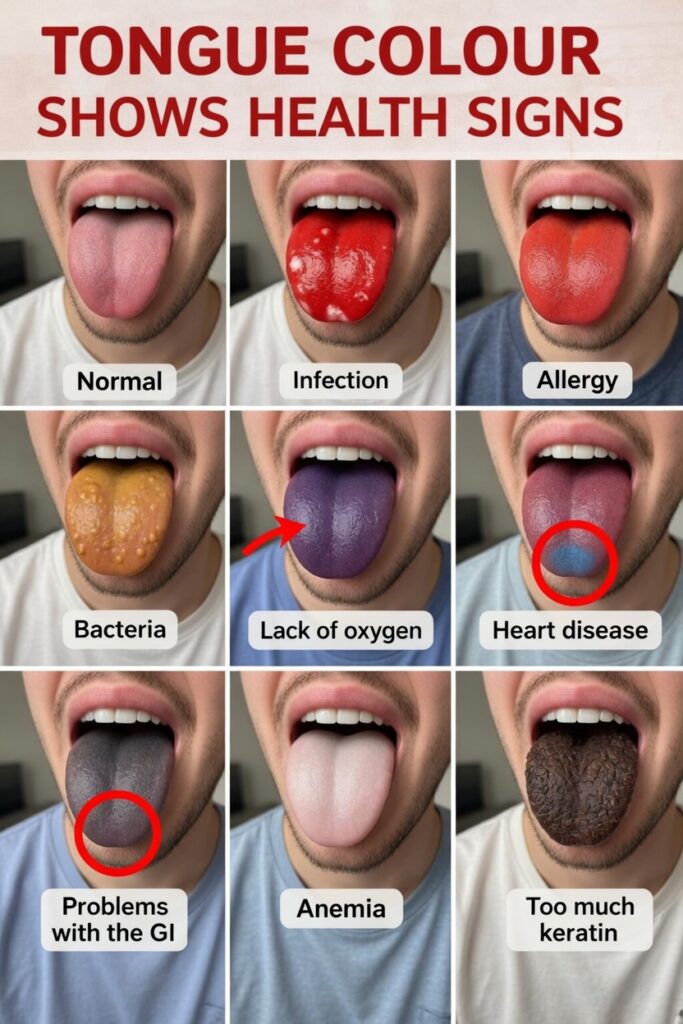
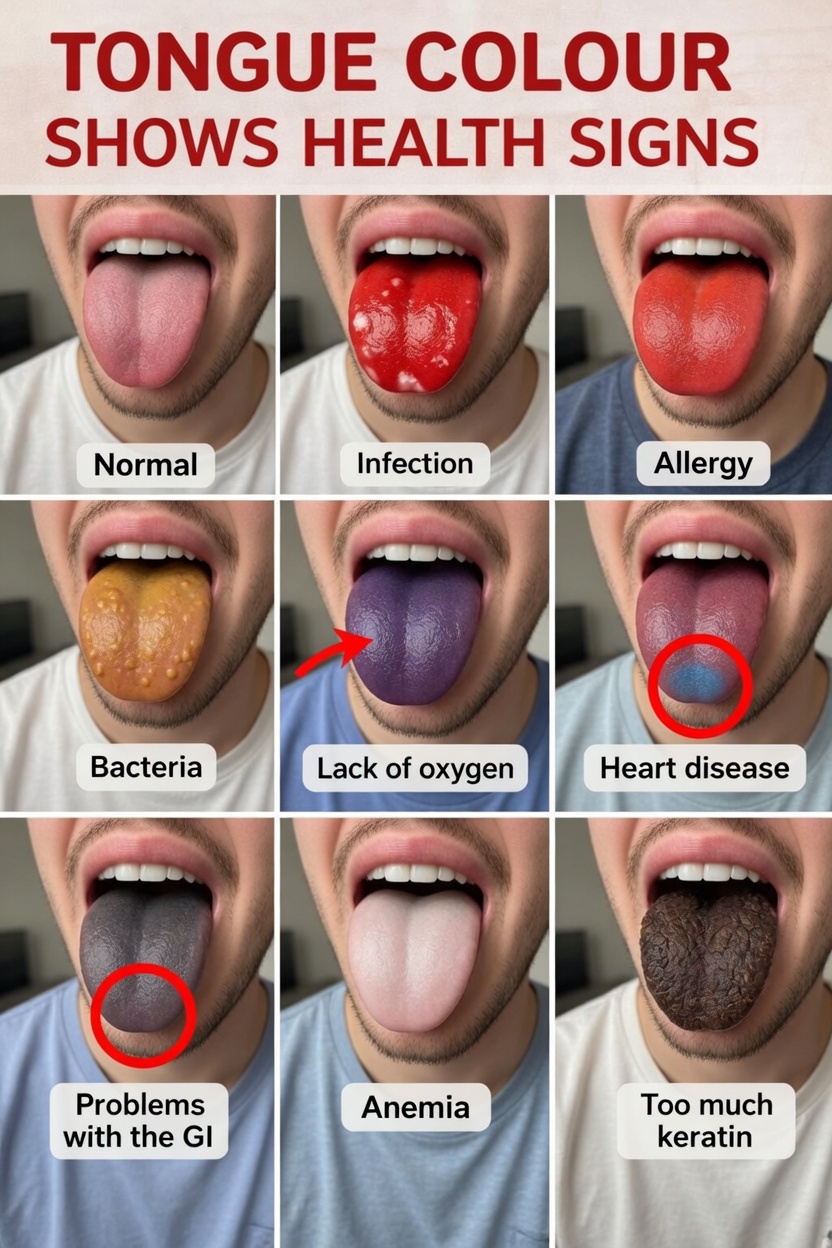
Quick Comparison: Tongue Colors and Common Associations
- Light pink: Typical healthy tongue (good hydration and hygiene)
- White coating: Bacterial/fungal buildup (dry mouth, antibiotics, hygiene)
- Bright red: Irritation/sensitivity (food triggers, inflammation, possible deficiency)
- Yellow: Bacterial buildup + staining (smoking, dehydration, poor tongue cleaning)
- Bluish/purple: Reduced oxygen/circulation (cold exposure, breathing or circulation issues)
- Gray coating: Possible digestive imbalance (reflux, gut/oral bacteria shifts)
- Very pale: Possible low iron status (dietary imbalance, absorption concerns)
- Dark brown/black: Keratin buildup and staining (coffee/tea, smoking, poor hygiene)
A Simple Daily Routine to Support a Healthy Tongue
Many dentists recommend a straightforward routine you can start today:
- Clean your tongue every morning using a toothbrush or tongue scraper (gentle pressure).
- Drink a full glass of water after waking to support hydration.
- Eat fiber-rich foods to support digestion and overall balance.
- Keep regular dental checkups to monitor oral health.
- Track changes that last longer than two weeks and seek medical or dental advice if they persist.
Small, consistent habits often create the biggest improvements—especially when it comes to the tongue.
Conclusion
Your tongue can quietly reflect everyday factors such as hydration, nutrition, digestion, circulation, and oral hygiene. While color changes don’t automatically indicate serious illness, they can offer useful clues about what your body may need. Paying attention—along with a simple daily care routine—can support better oral health and overall wellbeing.
Frequently Asked Questions
- Is it normal for tongue color to change sometimes?
Yes. Temporary color shifts can happen after certain foods and drinks, changes in hydration, smoking, medications, or short-term illness. If a change persists for more than two weeks or comes with concerning symptoms, seek professional advice.