Vitamin E Supplements for Seniors: Benefits, Risks, and What the Science Really Shows
Many older adults take vitamin E supplements every day, encouraged by claims that they support heart health, protect the brain, and slow age-related decline. Capsules are easy to find, simple to take, and often marketed as a smart choice for healthy aging.
At the same time, newer discussions about possible safety concerns—especially with long-term, high-dose use—have left many people questioning whether these supplements are truly a good idea.
The message can feel mixed: one moment, antioxidants are praised; the next, headlines raise alarms about risks. This back-and-forth is confusing and can be worrying when you are trying to protect your health later in life. The most helpful way forward is to look closely at what research actually shows and how it applies to your individual situation.
What surprises many people is that the key issue is not simply “vitamin E: good or bad,” but how it interacts with your body’s natural systems—often in ways that are not immediately obvious.
Why Vitamin E Appeals to Older Adults
Vitamin E is a fat-soluble antioxidant, meaning it helps defend cells against oxidative damage from free radicals. For seniors, it is commonly promoted for:
- Supporting skin health and appearance
- Helping immune function
- Contributing to heart and vascular health
Many people start taking vitamin E after hearing broad advice about antioxidants or based on recommendations from friends, family, or media sources.
The convenience of one daily pill is another big reason for its popularity. However, vitamin E supplements typically contain much larger amounts than you’d get from a normal diet. This gap between dietary intake and supplemental doses is important—and often underestimated.
Understanding how vitamin E works inside the body can help cut through the confusion.
How Vitamin E Affects Blood and Circulation
Inside the body, vitamin E has several roles:
- It helps stabilize cell membranes.
- It can influence how platelets (tiny blood cells that help with clotting) function.
- It may interact with vitamin K–related pathways, which also affect clotting.
Research suggests vitamin E can make platelets slightly less “sticky” and may have mild effects on blood clotting processes.
Here is a crucial point that is often misunderstood: these properties do not increase the tendency to form clots. In fact, some large clinical trials, such as the Women’s Health Study, have reported that vitamin E supplementation might be associated with a small reduction in certain clot-related events in specific groups of women.
However, the overall effect depends heavily on:
- The dose taken
- Existing health conditions
- Other medications (especially blood thinners or antiplatelet drugs)
That is why scientists look at combined evidence from many studies rather than relying on a single trial.
What Large Studies Say About Vitamin E and Stroke Risk
Vitamin E has been studied in numerous randomized controlled trials and meta-analyses involving thousands of participants. When researchers pooled data and compared people taking vitamin E supplements with those on placebo, they found:
- No significant change in overall stroke risk when all types of stroke were combined.
But when they separated the two main types of stroke, the picture became more detailed:
-
Hemorrhagic stroke (bleeding in the brain):
Some analyses found that high-dose vitamin E (commonly 400 IU per day or more) may be linked to a slight increase in the risk of this type of stroke in certain populations. -
Ischemic stroke (caused by a clot blocking blood flow):
Other data suggest a possible small reduction in ischemic stroke risk for some individuals taking vitamin E.
The differences are modest in absolute terms. In some estimates, the change in risk amounted to around one extra case of a particular stroke type per roughly 1,250 people taking high-dose vitamin E.
While the numbers are relatively small, the distinction between hemorrhagic and ischemic strokes matters, especially for people who already have cardiovascular risk factors or take blood-thinning medications. This is where personalized medical advice becomes essential.
Just as important: diet, physical activity, blood pressure control, and other lifestyle choices have a much greater overall impact on stroke risk than any single supplement.
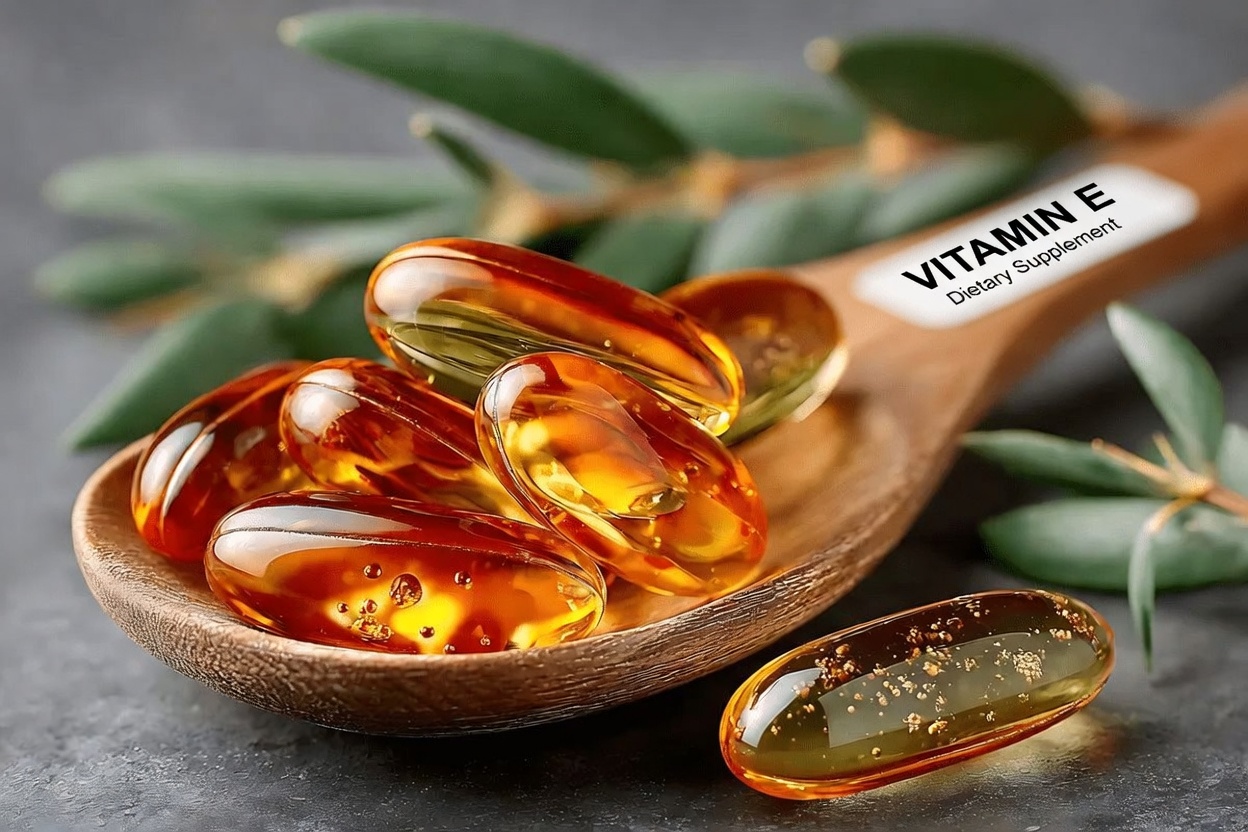
Vitamin E from Supplements vs. Vitamin E from Food
The encouraging news is that most people can meet their vitamin E needs through food without relying on high-dose supplements. Natural food sources provide vitamin E in moderate amounts and come packaged with other helpful nutrients.
Common vitamin E–rich foods include:
- A small handful of almonds (about 7 mg per ounce)
- Sunflower seeds or sunflower oil
- Leafy greens like spinach
- Avocado
- Wheat germ (for example, added to yogurt, smoothies, or oatmeal)
Building these foods into meals often feels more sustainable and avoids the high doses found in many supplements. Many nutrition experts recommend focusing on diet first and using supplements only when truly needed.
Quick Comparison: Food vs. High-Dose Supplements
| Aspect | Food Sources | High-Dose Supplements |
|---|---|---|
| Typical daily amount | About 5–15 mg from a balanced diet | Often 100–400 IU or more |
| Additional nutrients | Fiber, healthy fats, vitamins, minerals | Isolated vitamin E only |
| Research outcomes | Consistently linked to better overall health | Mixed results in long-term trials |
| Practical use | Requires meal planning and variety | Simple capsule, easy to overdo |
This side-by-side view explains why many health professionals encourage improving diet first and using supplements with care.
A Simple Action Plan for Seniors Considering Vitamin E
Information is helpful only if it leads to clearer decisions. Here is a practical five-step approach you can start now:
-
Talk to your doctor or healthcare provider
Bring a list of all supplements and medications you take, including vitamin E. -
Ask about potential interactions
This is especially important if you use blood thinners (such as warfarin, apixaban, aspirin, or clopidogrel) or have a history of bleeding problems or hemorrhagic stroke. -
Consider lab tests if needed
If there’s concern about nutrient deficiencies or absorption issues, your provider may suggest simple blood tests to check levels. -
Boost vitamin E from food first
Gradually add more vitamin E–rich foods into your daily meals and notice how you feel over time. -
Review your supplement routine regularly
Reevaluate your vitamin E dose and need every 6–12 months or after any major health change, ideally with your healthcare provider.
These steps let you stay in control without major disruption to your routine. Many people feel more at ease once they’ve clarified whether a supplement is truly necessary and at what dose.
It also surprises many older adults to learn that the biggest benefits for blood and heart health usually come from a combination of:
- Nutritious, varied meals
- Regular, appropriate physical activity
- Stress management
- Adequate hydration
- Good sleep
Vitamin E is just one small piece of this larger picture.
The Bigger Picture: Long-Term Health Beyond One Vitamin
As we grow older, overall lifestyle patterns tend to matter more than any single nutrient or pill. Vitamin E can play a role in a well-rounded plan, but:
- It is not a cure-all.
- It works best alongside a balanced diet rich in whole foods.
- Its effects depend on your health history, medications, and dose.
Older adults who focus on healthy eating, regular movement, medical check-ups, and thoughtful supplement use usually feel more confident about their long-term wellness decisions.
Frequently Asked Questions About Vitamin E and Stroke
Does vitamin E help prevent strokes?
Evidence is mixed. Some analyses suggest vitamin E might slightly lower the risk of ischemic stroke for certain people while slightly increasing the risk of hemorrhagic stroke at higher doses. There is no strong proof that vitamin E supplements dramatically prevent all strokes.
Your individual risk depends on many factors—blood pressure, cholesterol, smoking, diabetes, medications, and family history. Discuss your personal situation with a doctor rather than relying on supplements alone.
What are possible signs of too much vitamin E?
Taking high doses over time can sometimes cause:
- Mild digestive issues such as nausea or diarrhea
- In rare cases, higher bleeding risk
If you notice:
- Easy or unusual bruising
- Nosebleeds that are hard to stop
- Bleeding gums
- Other unexpected bleeding
stop the supplement and contact your healthcare provider promptly.
Should older adults stop vitamin E supplements right away?
Do not make sudden changes without guidance. If you are a senior currently taking vitamin E:
- Talk with your doctor before stopping or changing the dose.
- Review why you started, what dose you take, and what other medications you use.
- Your provider can help you decide whether to continue, reduce, or discontinue, based on your overall health and goals.
Conclusion
Vitamin E supplements can be part of a thoughtful health plan for some older adults, particularly when used at appropriate doses and for clear reasons. Research suggests that:
- Routine high-dose use is not risk-free.
- The balance of benefits and risks varies from person to person.
- Natural food sources of vitamin E are generally the safer first choice.
The central message from the science is balance: aim to get most nutrients from a varied diet, stay informed about new research, and work with your healthcare team to tailor any supplement use to your specific needs.
By approaching vitamin E—and all supplements—with both curiosity and caution, many seniors feel more secure about their daily choices and long-term health.
Disclaimer
This article is for informational and educational purposes only. It does not provide medical advice, diagnosis, or treatment. Individual health needs and risks vary widely. Always consult your physician or a qualified healthcare professional before starting, stopping, or changing any supplement, medication, or health regimen.