Endometriosis: Symptoms, Causes, and Daily Habits That May Help
For many women, severe pelvic pain and very heavy periods are more than an inconvenience — they can disrupt work, relationships, routines, and overall quality of life. When that pain is dismissed as something women should simply endure, the experience can feel lonely and frustrating.
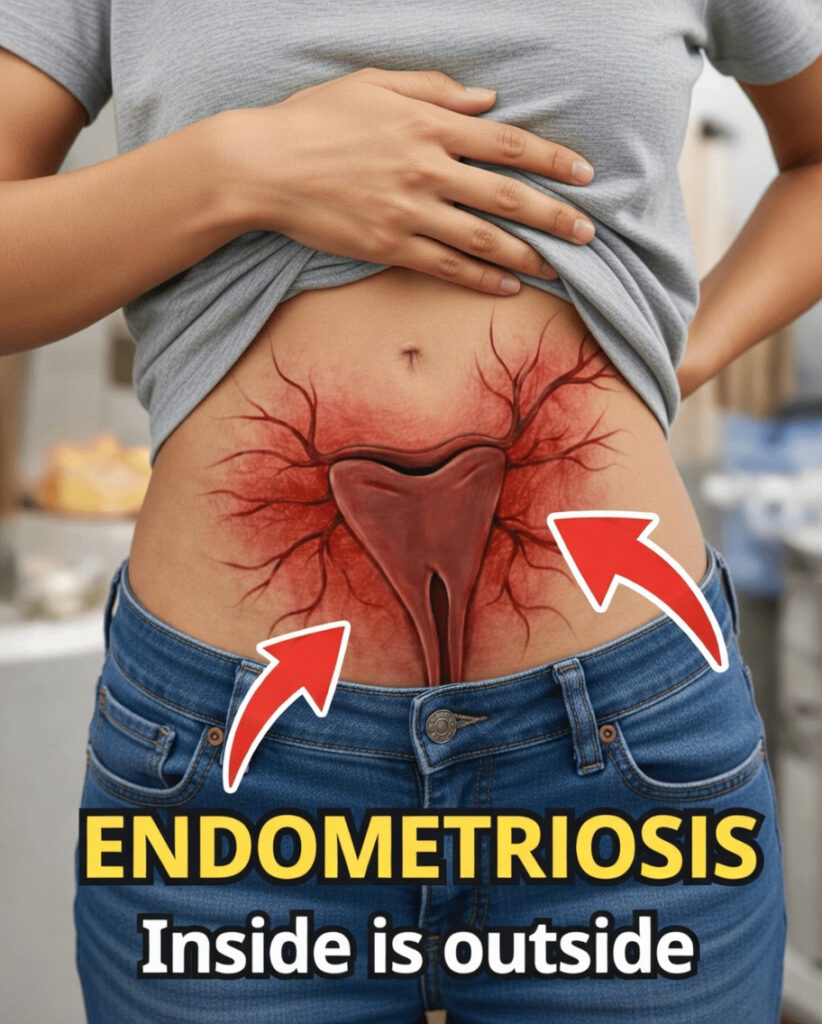
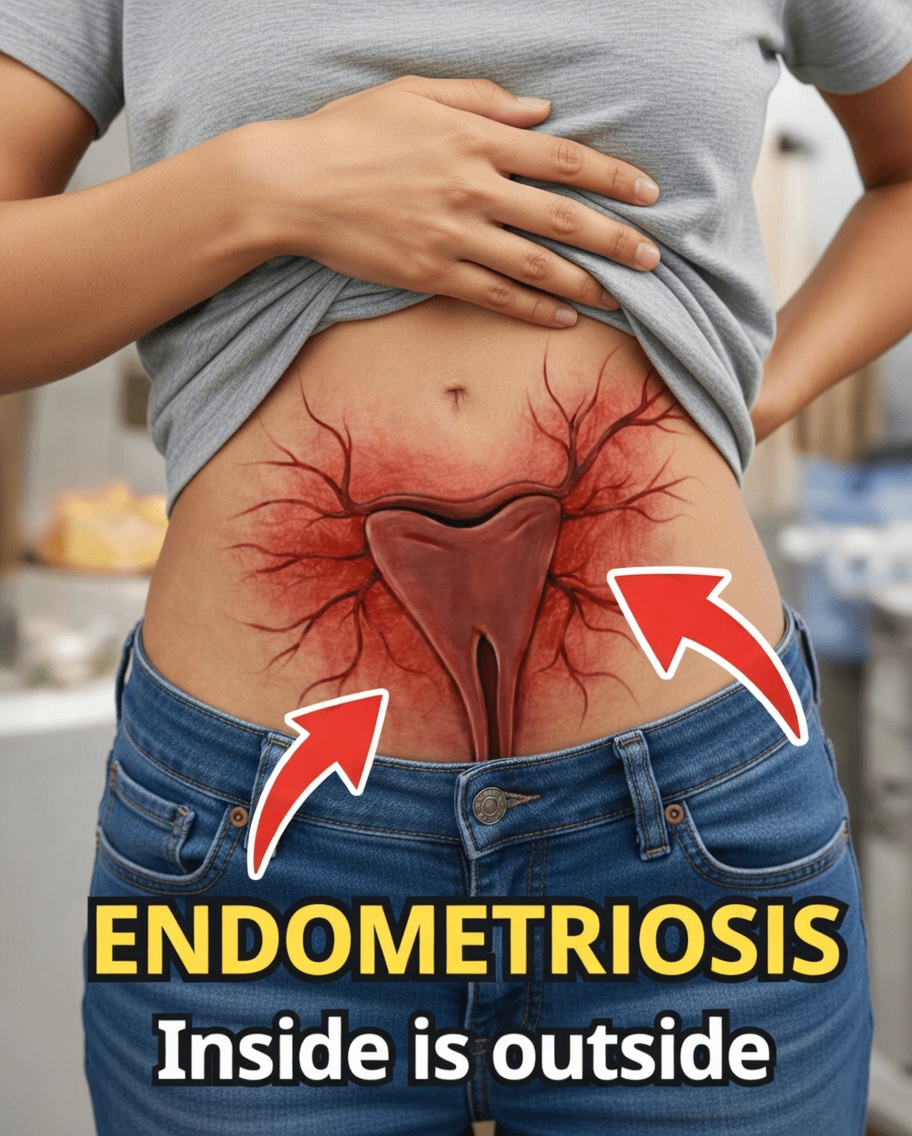
One common reason behind these symptoms is endometriosis, a condition in which tissue similar to the lining of the uterus grows outside the uterus. This can trigger inflammation, pain, and other complications. The encouraging part is that learning about endometriosis can help you make informed, proactive choices. And interestingly, one everyday habit may have a greater impact than many people expect.
What Is Endometriosis?
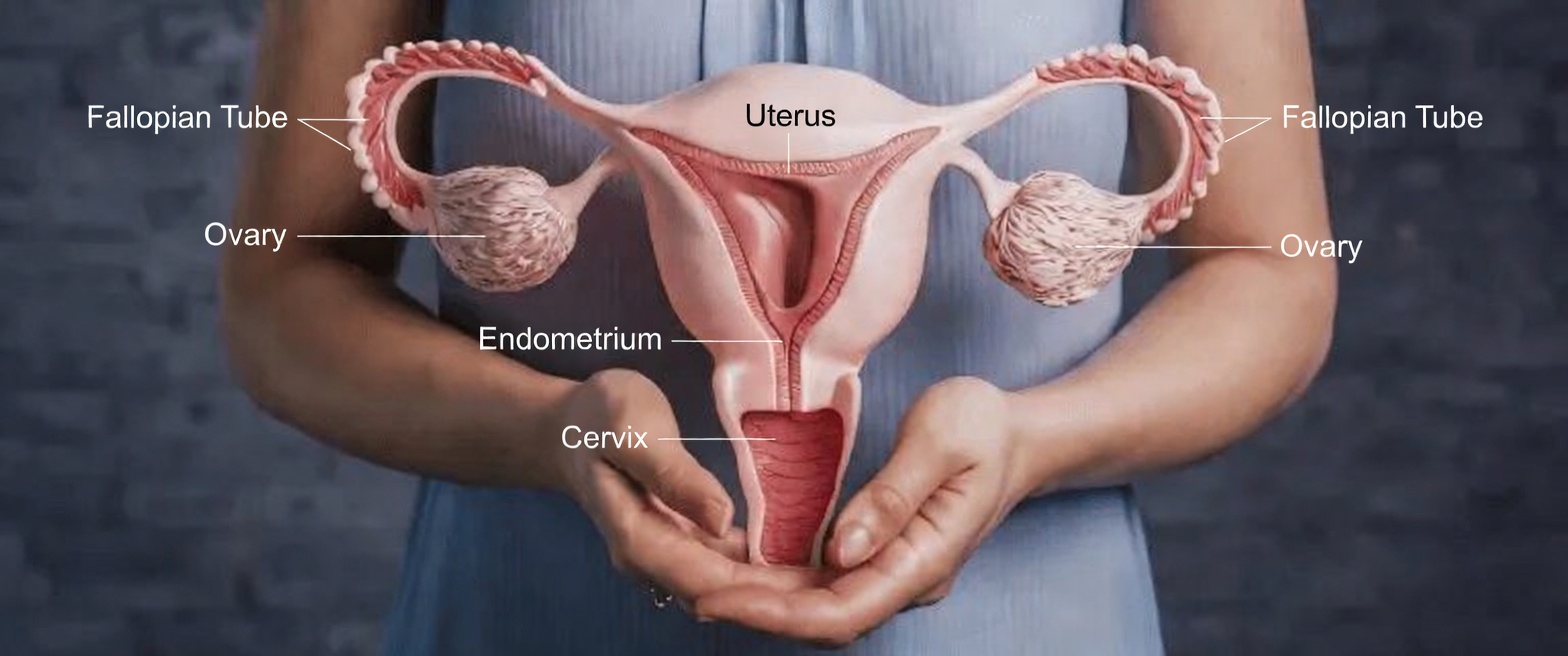
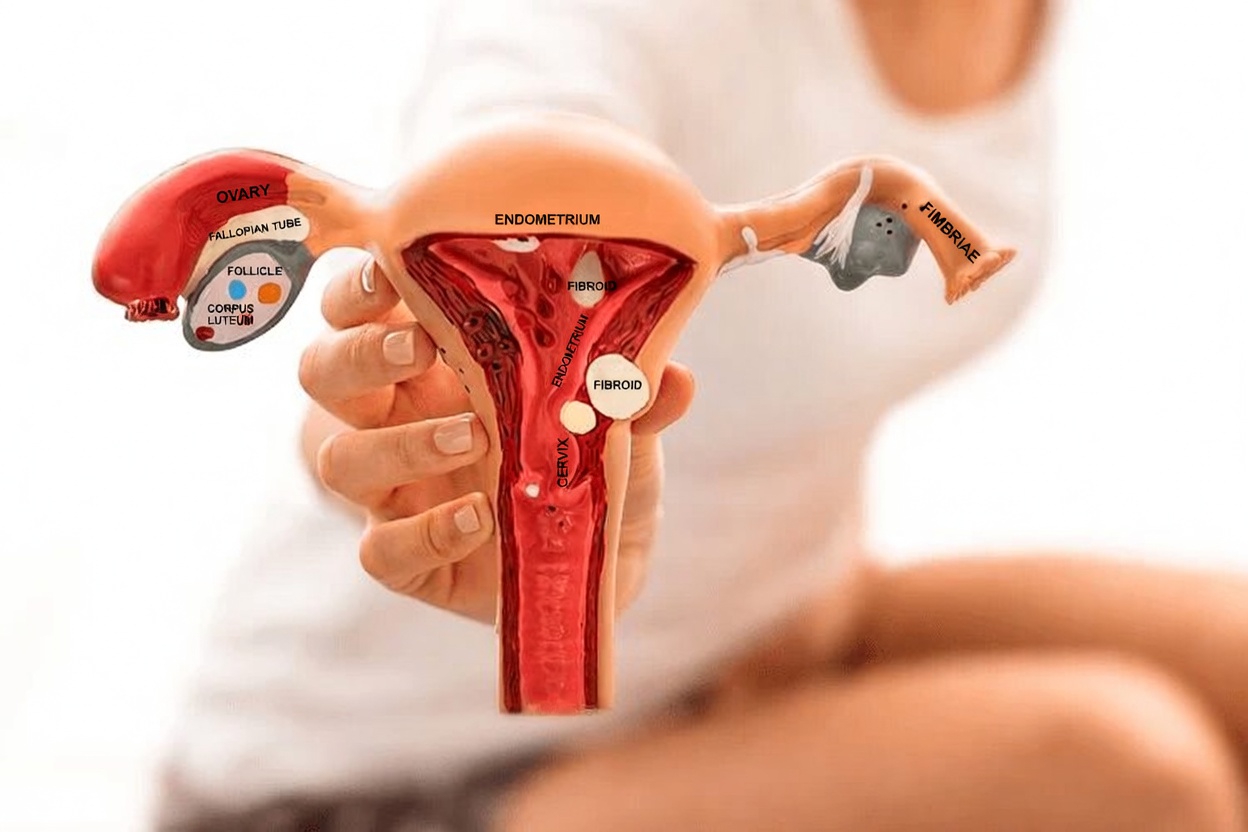
Endometriosis develops when tissue resembling the uterine lining begins to grow in places where it does not belong, such as:
- The ovaries
- The fallopian tubes
- The outer surface of the uterus
- The pelvic lining
This is sometimes explained as tissue that should remain inside the uterus appearing outside of it. Like the uterine lining, this misplaced tissue responds to hormonal changes during the menstrual cycle. It thickens, breaks down, and bleeds. However, unlike menstrual blood that leaves the body, this blood has no natural way to exit, which may lead to:
- Irritation
- Inflammation
- Scar tissue
- Ongoing pain
Millions of women of reproductive age worldwide live with endometriosis, yet many go undiagnosed for years because the symptoms are often minimized or misunderstood. Its effects can reach far beyond period discomfort and significantly influence day-to-day life.
The first step toward better management is awareness.
Symptoms of Endometriosis You Should Not Ignore
One of the most recognized symptoms is pelvic pain that feels more intense than ordinary menstrual cramps. The pain may begin before a period starts, continue throughout menstruation, and sometimes linger afterward.
Other symptoms frequently reported include:
- Pain during or after sex
- Discomfort during bowel movements or urination, especially during a period
- Excessive or abnormal menstrual bleeding
Many women with endometriosis describe symptoms such as:
- Severe menstrual cramps that lead to missed work or school
- Persistent lower back or pelvic pain between periods
- Painful intercourse that affects intimacy
- Heavy periods or irregular bleeding with clots
- Bloating, fatigue, and digestive discomfort that worsen around menstruation
- Trouble becoming pregnant in some cases
Symptoms can differ greatly from one woman to another. Some experience mild discomfort, while others face symptoms severe enough to interfere with nearly every part of daily life. Because diagnosis is often delayed, paying close attention to recurring patterns can be extremely important.
Keeping track of symptoms each month can make it easier to have a productive conversation with a healthcare provider.
What May Increase the Likelihood of Endometriosis?
The exact cause of endometriosis is still not fully understood, but experts believe several factors may contribute to its development.
Possible risk factors include:
- A family history of endometriosis
- Starting menstruation at a young age
- Short menstrual cycles
- Never having given birth
Researchers are also studying the roles of:
- Hormonal activity
- Immune system function
- Genetic influences
What matters most is this: endometriosis is not your fault. It is a complex medical condition, not something caused by a personal mistake or lifestyle failure.
Typical Period Pain vs. Possible Endometriosis
The table below can help highlight patterns that may deserve medical attention.
| Factor | Typical Monthly Cycle | Possible Endometriosis Pattern |
|---|---|---|
| Cramp intensity | Mild to moderate and usually manageable | Severe, longer-lasting, and disruptive |
| Pain location | Lower abdomen | Pelvis, lower back, during sex, or bowel movements |
| Bleeding | Usual menstrual flow | Very heavy flow, sometimes with clots |
| Duration | Commonly 3–7 days | Pain may start before the period and continue after |
| Other symptoms | Occasional bloating | Fatigue, nausea, digestive issues, fertility concerns |
This comparison is not a diagnosis, but it can help you recognize symptom patterns worth discussing with a medical professional.
How Endometriosis Can Affect Daily Life
Endometriosis is not only about physical pain. It can also affect:
- Energy levels
- Mood and emotional well-being
- Productivity at work
- Social plans
- Long-term family planning decisions
Many women describe canceling events, struggling to focus during the workday, or worrying about fertility and future health. The emotional burden is real, and it is completely understandable to feel drained, discouraged, or overwhelmed.
Still, some women find that small, steady adjustments to their daily routine can offer meaningful support.
Everyday Habits That May Support Well-Being
No lifestyle change should replace professional medical care, but some daily practices may help women feel better supported while managing endometriosis. The best approach is to start simply and observe how your body responds.
Here are five practical strategies to consider:
-
Keep a symptom journal
- Record the date, pain intensity from 1 to 10, sleep quality, stress levels, and what you eat.
- After a few weeks, patterns may become easier to identify and discuss with your doctor.
-
Choose gentle movement regularly
- Walking, yoga, stretching, or swimming for 20 to 30 minutes may help reduce tension for some women.
- Low-impact activity can be easier to maintain consistently than intense exercise.
-
Focus on anti-inflammatory foods
- Build meals around colorful vegetables, whole grains, nuts, seeds, and fatty fish.
- Many women also find it helpful to cut back on highly processed foods.
-
Make stress management part of your routine
- Even five minutes of deep breathing, meditation, or guided relaxation can be beneficial.
- Small daily practices often feel more realistic than major routine changes.
-
Prioritize hydration and rest
- Drink enough water and aim for consistent, restorative sleep.
- If you know your period is approaching, schedule extra downtime when possible.
One habit that often surprises women is the value of talking openly with trusted friends, loved ones, or support communities. Sharing your experience can reduce feelings of isolation and help you ask better questions at future medical appointments.
When Should You See a Healthcare Provider?
It is a good idea to speak with a healthcare professional if:
- Pelvic pain regularly interrupts normal activities
- Period symptoms are severe enough to affect work, school, or relationships
- You are concerned about fertility
- Pain seems to be getting worse over time
When preparing for an appointment:
- Bring your symptom journal
- Note when pain occurs
- Explain how symptoms affect your daily life
- Mention any family history of endometriosis
Early conversations can make it easier to explore treatment and support options tailored to your individual needs.
Final Thoughts: Understanding Endometriosis Can Help You Take Control
Endometriosis is a real and often life-disrupting condition that affects many women. Learning to recognize its symptoms, understand possible contributing factors, and explore supportive daily habits can help you feel more prepared and less alone.
By paying attention to what your body is telling you and seeking the right support, you can take meaningful steps toward better daily well-being.
Frequently Asked Questions
1. Can endometriosis symptoms change over time?
Yes. Symptoms may shift with age, pregnancy, hormonal changes, or lifestyle adjustments. Some women notice differences after menopause as well. Because every experience is different, ongoing monitoring is important.
2. Does endometriosis run in families?
It can. Having a mother, sister, or another close female relative with endometriosis may increase your risk. However, genetics is only one factor and does not guarantee that you will develop the condition.
3. Can women with endometriosis still get pregnant?
Yes. Although endometriosis can be linked to fertility challenges in some cases, many women with the condition become pregnant naturally. If you have concerns, a reproductive health specialist can offer personalized guidance.
Important Note
This article is for informational purposes only and does not replace professional medical advice, diagnosis, or treatment. Always consult a qualified healthcare provider if you have health concerns or are considering changes to your routine.