Endometriosis: Understanding the Signs, Causes, and Daily Habits That May Help
For many women, severe pelvic pain and very heavy periods are more than an inconvenience — they can disrupt work, social life, relationships, and basic daily routines. When that pain is dismissed as “normal,” the experience can feel lonely and discouraging. One common reason behind these symptoms is endometriosis, a condition in which tissue similar to the uterine lining grows outside the uterus, causing inflammation and other complications. The encouraging part is that learning more about endometriosis can help you make informed, proactive choices — and one everyday habit may have a bigger impact than expected.
What Is Endometriosis?
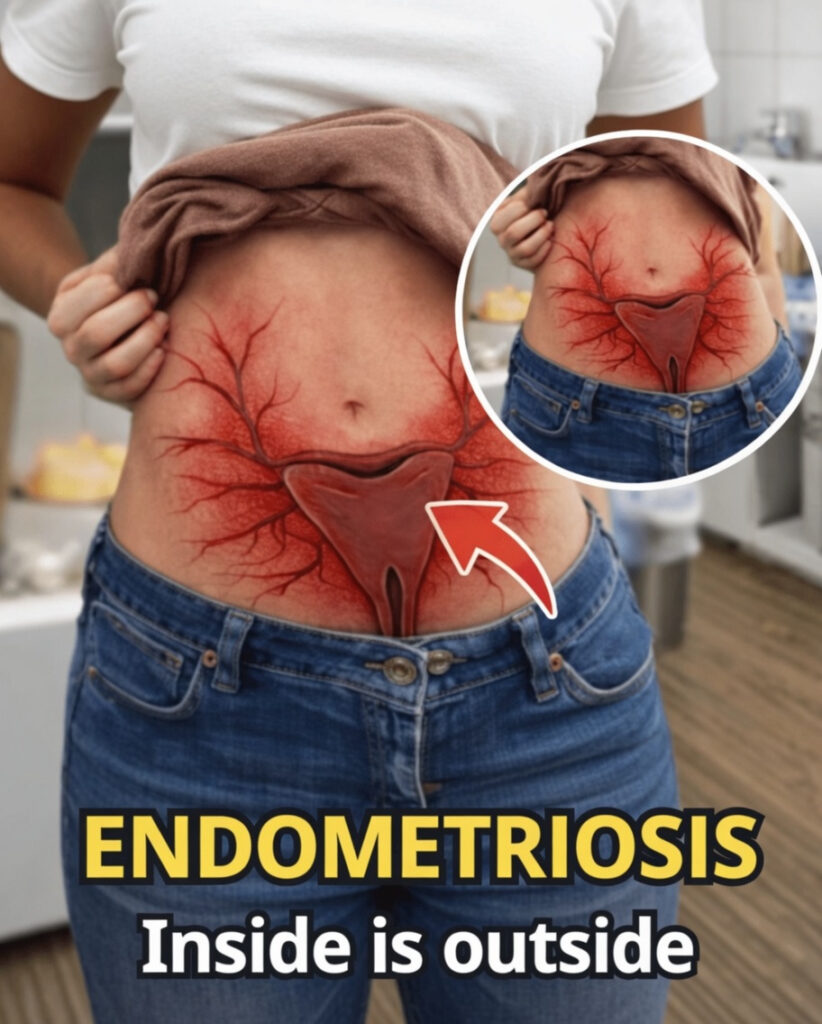
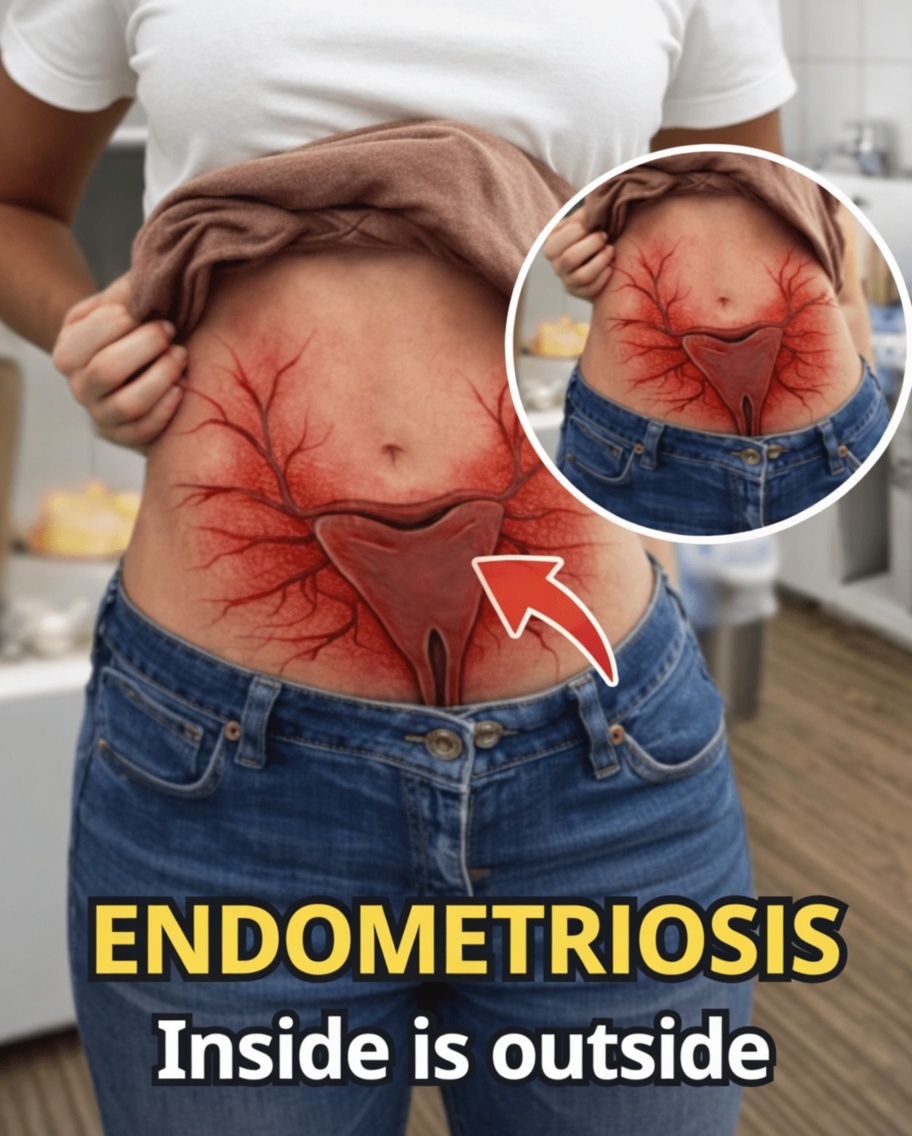
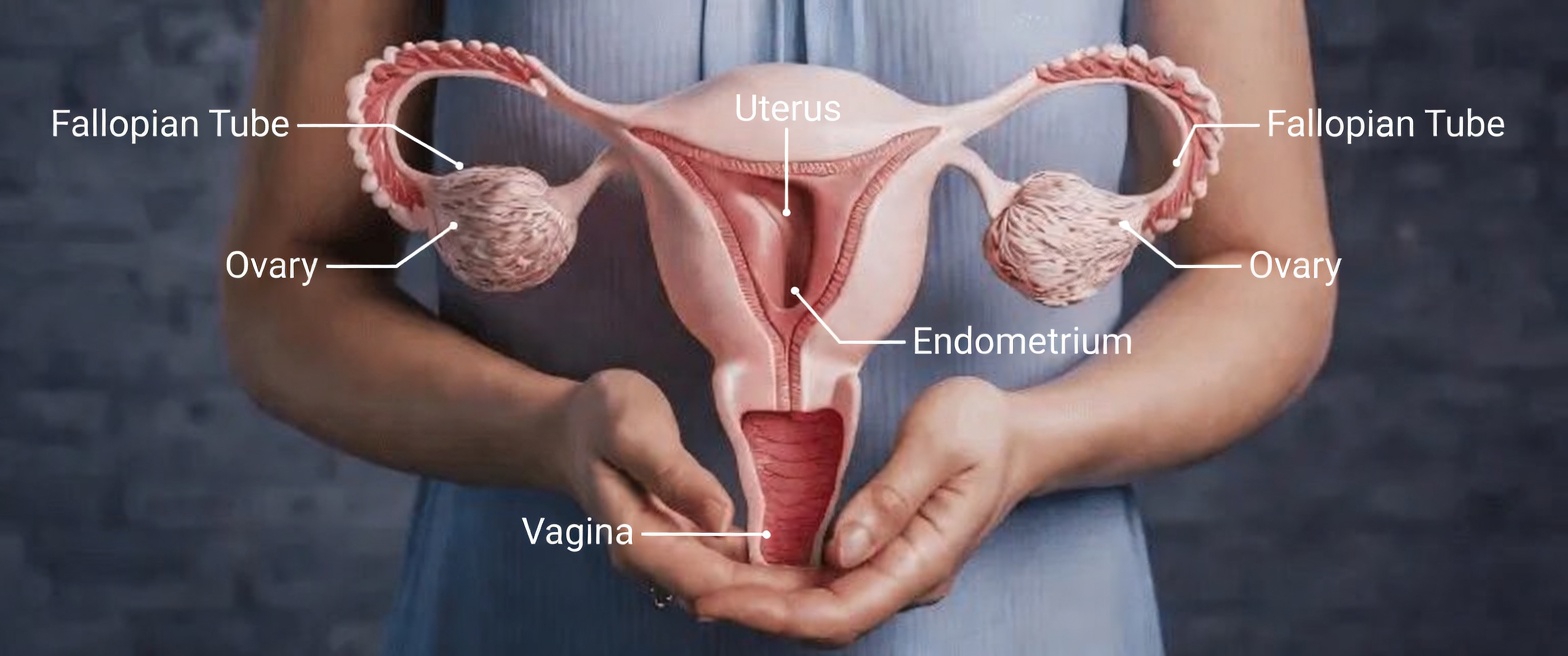
Endometriosis occurs when tissue resembling the lining of the uterus begins to grow in places where it does not belong, such as the ovaries, fallopian tubes, or pelvic lining. A simple way to understand it is this: tissue that should remain inside the uterus is found outside of it.
Like the uterine lining, this misplaced tissue responds to hormonal changes during the menstrual cycle. It can thicken, break down, and bleed each month. However, unlike menstrual blood that leaves the body, this tissue has no natural way to exit. As a result, it may lead to irritation, inflammation, scar tissue, and significant pain.
Millions of women around the world live with endometriosis during their reproductive years. Even so, many cases go undiagnosed for a long time because symptoms are often overlooked or mistaken for typical period discomfort. Major health organizations have shown that the condition is much more widespread than many people assume, and its effects can extend far beyond menstruation.
The first step toward managing it better is awareness.
Symptoms You Should Not Ignore
One of the most common signs of endometriosis is pelvic pain that feels more severe than usual menstrual cramps. The pain may begin before a period starts, continue throughout menstruation, and sometimes remain afterward. Some women also experience pain during or after sex, discomfort when using the bathroom during their period, or unusually heavy bleeding.
Commonly reported symptoms include:
- Severe menstrual cramps that may force you to miss school, work, or normal activities
- Ongoing lower back pain or pelvic pain between periods
- Pain during intercourse that affects intimacy
- Heavy menstrual bleeding or irregular periods with clotting
- Bloating, fatigue, and digestive discomfort that worsens around menstruation
- Trouble getting pregnant in some cases
Symptoms can differ greatly from one person to another. Some women have only mild discomfort, while others deal with symptoms that seriously affect their quality of life. Research suggests that it can take years from the first symptoms to a meaningful medical discussion or diagnosis, which is why noticing patterns early is so important.
Keeping track of what your body is telling you each month can make a real difference when speaking with a healthcare professional.
What May Contribute to Endometriosis?
The exact cause of endometriosis is still not fully understood, but experts believe several factors may increase the likelihood of developing it. Family history is one possible factor. If your mother, sister, or aunt has had endometriosis, your risk may be higher.
Other factors that may be associated with the condition include:
- Starting menstruation at a young age
- Having short menstrual cycles
- Never having given birth
- Hormonal influences
- Differences in immune system function
What matters most is this: endometriosis is not your fault. It is a complex medical condition, not something caused by a personal mistake or lifestyle failure. Researchers continue to study it in order to better understand how it develops and how women can be supported more effectively.
Quick Comparison: Typical Period Pain vs. Possible Endometriosis
The chart below can help highlight patterns that may deserve medical attention:
| Factor | Typical Monthly Cycle | Possible Endometriosis Pattern |
|---|---|---|
| Cramp intensity | Mild to moderate and usually manageable | Severe, longer-lasting, and disruptive to daily life |
| Pain location | Mostly lower abdomen | Pelvis, lower back, during sex, or during bowel movements |
| Bleeding | Normal menstrual flow | Very heavy bleeding, sometimes with clots |
| Duration | Usually 3–7 days | Pain may begin before the period and continue after it ends |
| Other symptoms | Occasional bloating | Fatigue, nausea, digestive issues, fertility concerns |
This kind of comparison can make it easier to identify symptoms worth discussing with a doctor.
How Endometriosis Can Affect Daily Life
Endometriosis does not only cause physical discomfort. It can also affect energy, emotional well-being, productivity, and long-term plans. Many women describe canceling social events, struggling to focus at work, or feeling anxious about fertility and future family planning.
The emotional burden is valid. Living with ongoing pain or uncertainty can be exhausting. At the same time, many women find that small but consistent adjustments to their routine help them feel more supported and in control.
Everyday Lifestyle Habits That May Be Worth Trying
Although no home habit can replace professional medical care, certain daily choices may help support overall well-being. The best approach is to start with manageable changes and observe how your body responds.
Here are five practical steps you can begin today:
-
Track your symptoms
- Write down the date, pain level from 1 to 10, sleep quality, meals, and stress each day.
- After a few weeks, recurring patterns may become easier to spot.
- This record can also be useful during medical appointments.
-
Choose gentle movement regularly
- Try 20 to 30 minutes of walking, yoga, stretching, or swimming on most days.
- Low-impact exercise may help reduce tension and improve comfort for some women.
-
Focus on anti-inflammatory foods
- Add more colorful vegetables, whole grains, nuts, and fatty fish to your meals.
- Consider reducing heavily processed foods if you notice they worsen bloating or discomfort.
- Many women say this shift helps them feel better overall.
-
Support stress management
- Even five minutes of deep breathing, mindfulness, or meditation can be helpful.
- Guided recordings or mobile apps can make it easier to stay consistent.
- Lower stress may help calm the nervous system and improve coping.
-
Prioritize hydration and rest
- Drink enough water throughout the day and aim for regular, quality sleep.
- If you know your period is approaching, build in extra rest when possible.
- Listening to your body early may help you feel more prepared.
One daily habit that often surprises women is simply talking openly with trusted friends, loved ones, or support groups. Sharing your experience can reduce feelings of isolation and may even help you ask better questions at your next appointment.
When Should You Speak With a Healthcare Provider?
If pelvic pain regularly prevents you from carrying out normal activities, or if you are concerned about fertility, it is a good idea to seek medical advice sooner rather than later. Bring your symptom journal and explain clearly how the pain, bleeding, or fatigue affects your everyday life.
Early conversations can lead to more personalized guidance and possible treatment options based on your needs.
Final Thoughts: Knowledge Can Help You Take Control
Endometriosis is a real and often misunderstood condition that affects many women. Understanding the symptoms, possible contributing factors, and supportive lifestyle habits can help you feel less alone and better prepared to advocate for your health.
By paying close attention to your body and making thoughtful daily choices, you can take meaningful steps toward better comfort and confidence.
Frequently Asked Questions
1. Can endometriosis symptoms change over time?
Yes. Symptoms may shift with age, pregnancy, hormonal changes, or lifestyle adjustments. Some women also notice differences after menopause. Because every experience is different, regular monitoring and medical guidance are important.
2. Does endometriosis run in families?
It can. Having a close female relative with endometriosis may raise your risk, but it does not mean you will definitely develop the condition. Genetics may play a role, but they are not the full explanation.
3. Is endometriosis common in women who are trying to conceive?
Endometriosis is associated with fertility challenges for some women, but many women with the condition become pregnant naturally. A conversation with a fertility or reproductive health specialist can provide more individualized advice.
Important Note
This article is intended for informational purposes only and should not be considered a substitute for professional medical advice. Always consult a qualified healthcare provider about symptoms, health concerns, or changes to your routine.