Understanding Endometriosis: Symptoms, Causes, Daily Impact, and Simple Ways to Feel More in Control
Around the world, millions of women deal with severe pelvic pain every month that goes well beyond ordinary menstrual cramps. For many, the discomfort lasts longer than a few days and affects work, sleep, relationships, and even basic daily routines. Just as difficult is the feeling of being dismissed when symptoms are reduced to “normal period pain” or described as simply part of womanhood.
For those living with endometriosis, that experience is all too common. The good news is that understanding the condition can make it easier to recognize the signs, seek support, and find habits that improve day-to-day comfort. And there is one surprisingly simple daily practice that many women say helps them feel more in charge of their symptoms—you’ll find it below.
What Is Endometriosis?
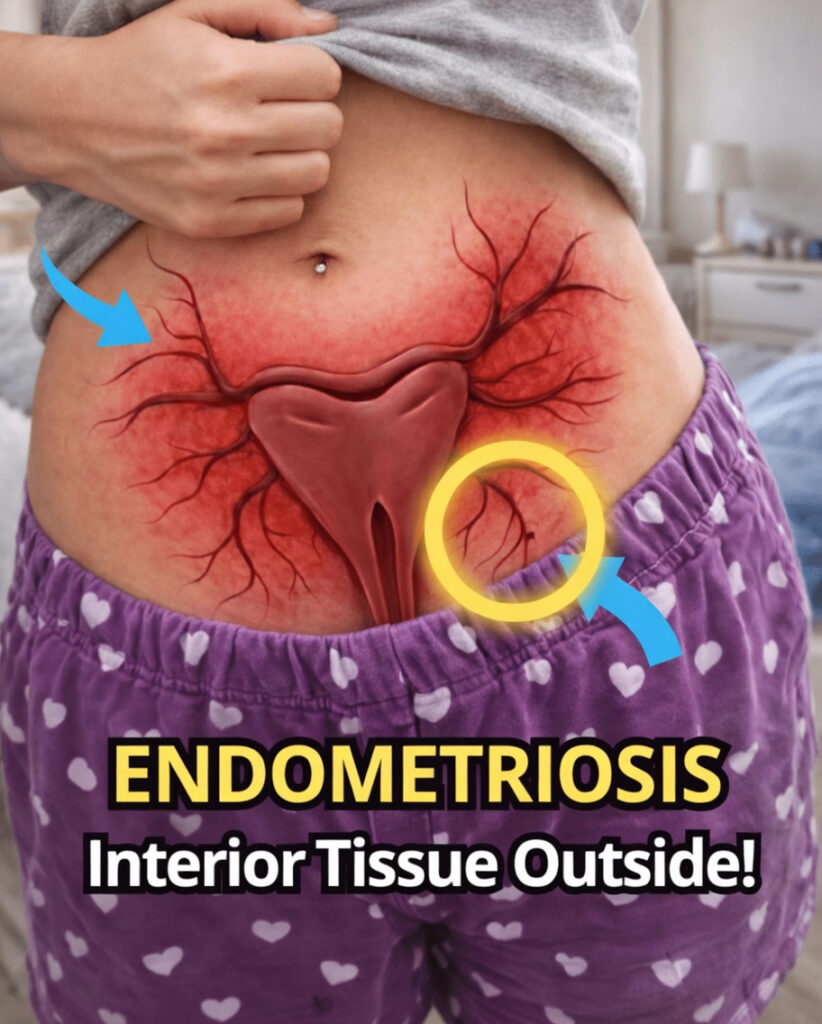
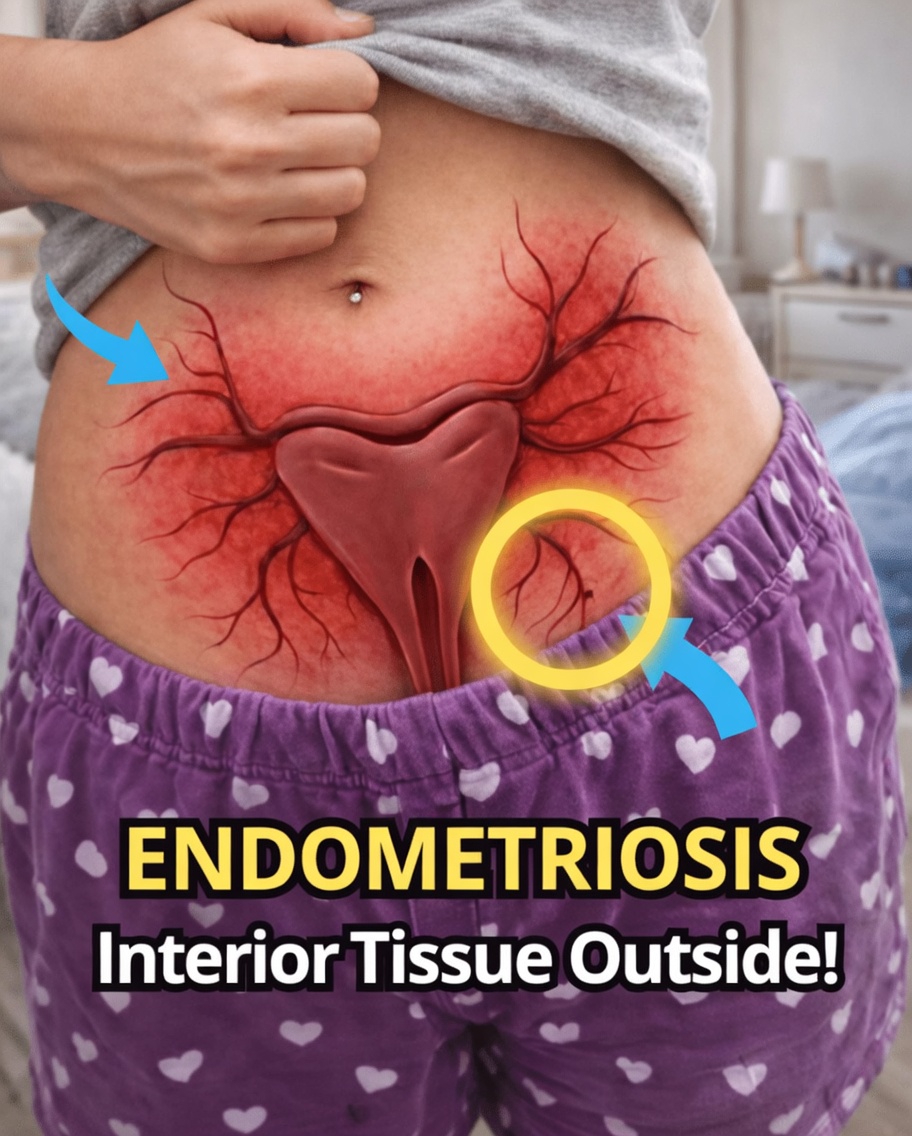
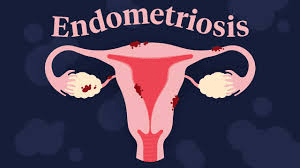
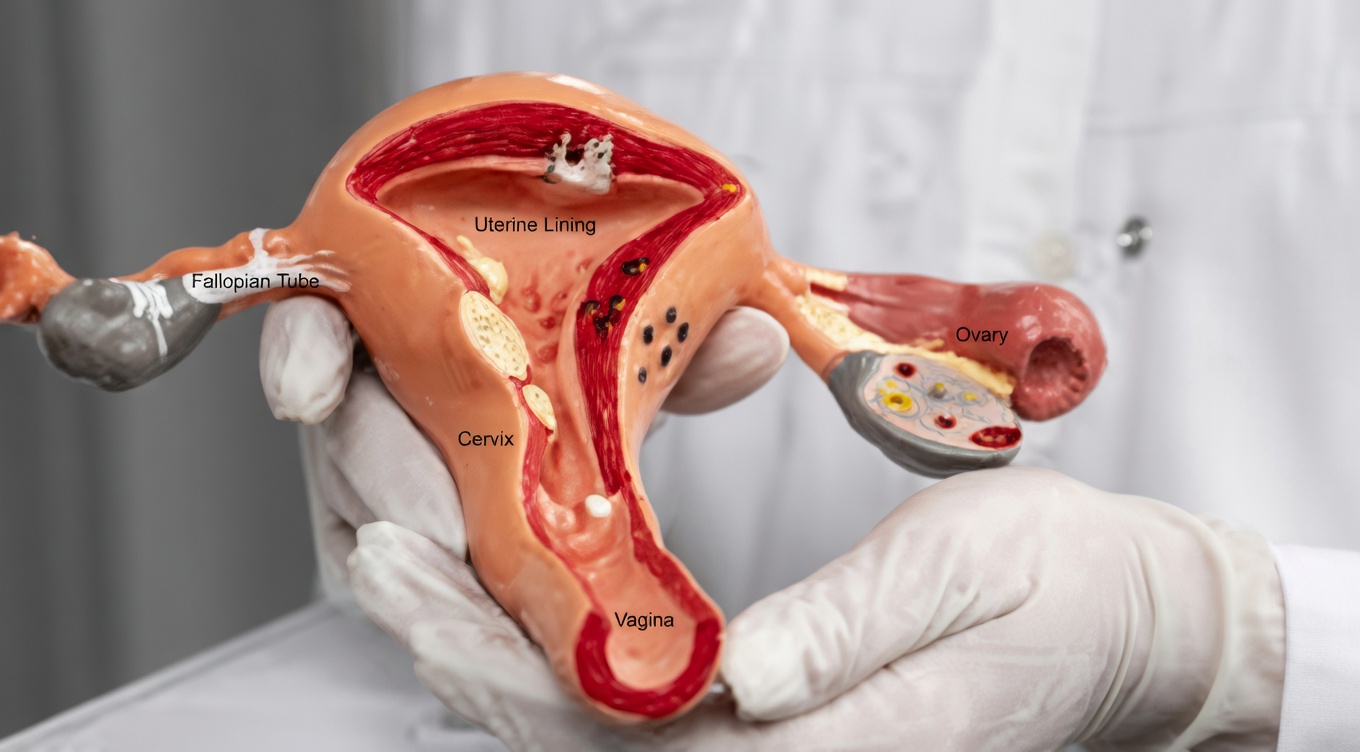
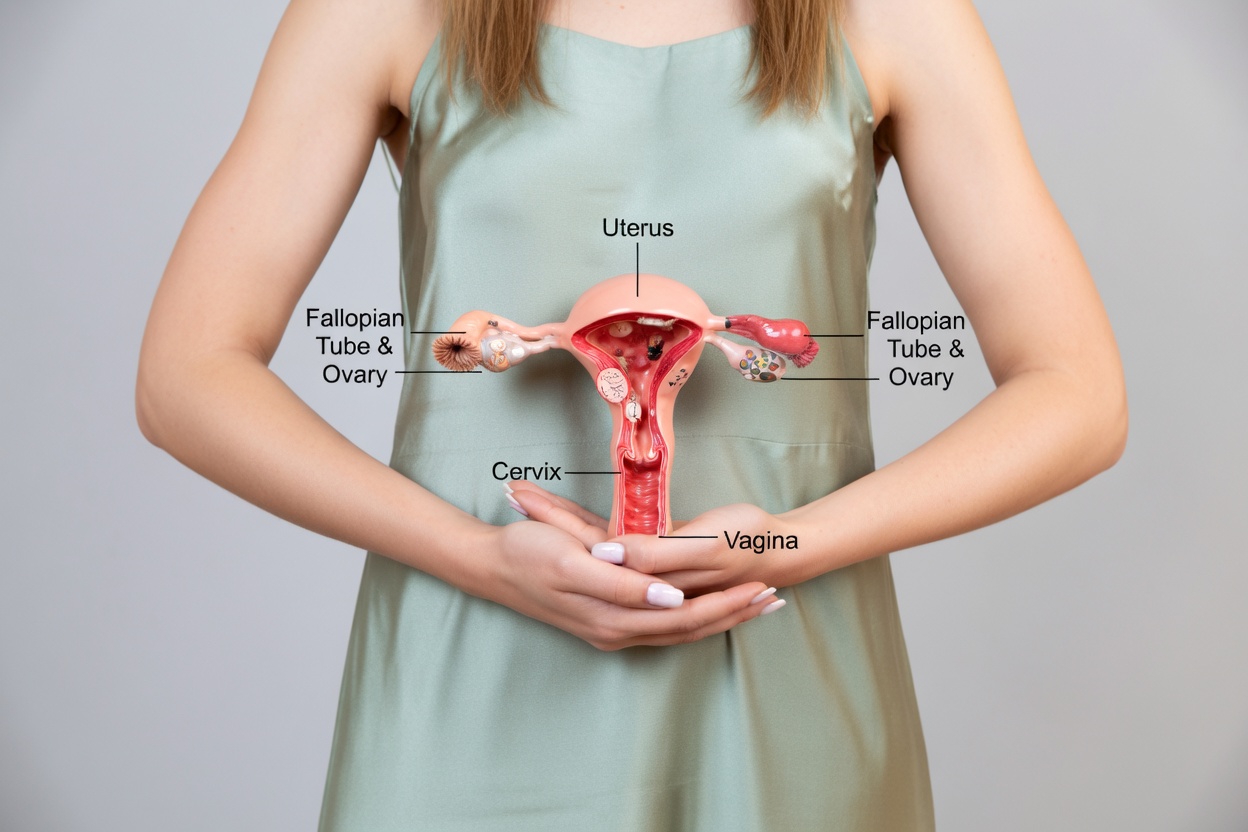
Endometriosis is a condition in which tissue similar to the lining of the uterus grows outside the uterus. In endometriosis, this tissue may develop on the ovaries, fallopian tubes, or other organs within the pelvis. Over time, it can lead to inflammation, scar tissue, and adhesions that make daily life much harder.
What makes endometriosis especially challenging is that this misplaced tissue behaves in a way that resembles the uterine lining. During each menstrual cycle, it can thicken, break down, and bleed. But unlike menstrual blood from the uterus, this blood has no way to leave the body. As a result, it becomes trapped and can trigger ongoing pain and other complications.
According to global health estimates, endometriosis affects about 10% of women of reproductive age—roughly 190 million people worldwide. Even so, many women do not realize they have endometriosis until years after symptoms begin. Learning how the condition works is an important first step toward noticing when something is not right and feeling less alone in the process.
Common Symptoms of Endometriosis
The signs of endometriosis are not identical for everyone, which is one reason the condition is often overlooked in the early stages. In some women, the pain is intense and disruptive, lasting days or even weeks and leaving them drained, frustrated, and confused about why their experience seems so much worse than what others describe.
Symptoms most often associated with endometriosis include:
- Severe menstrual cramps that begin before a period and continue for several days
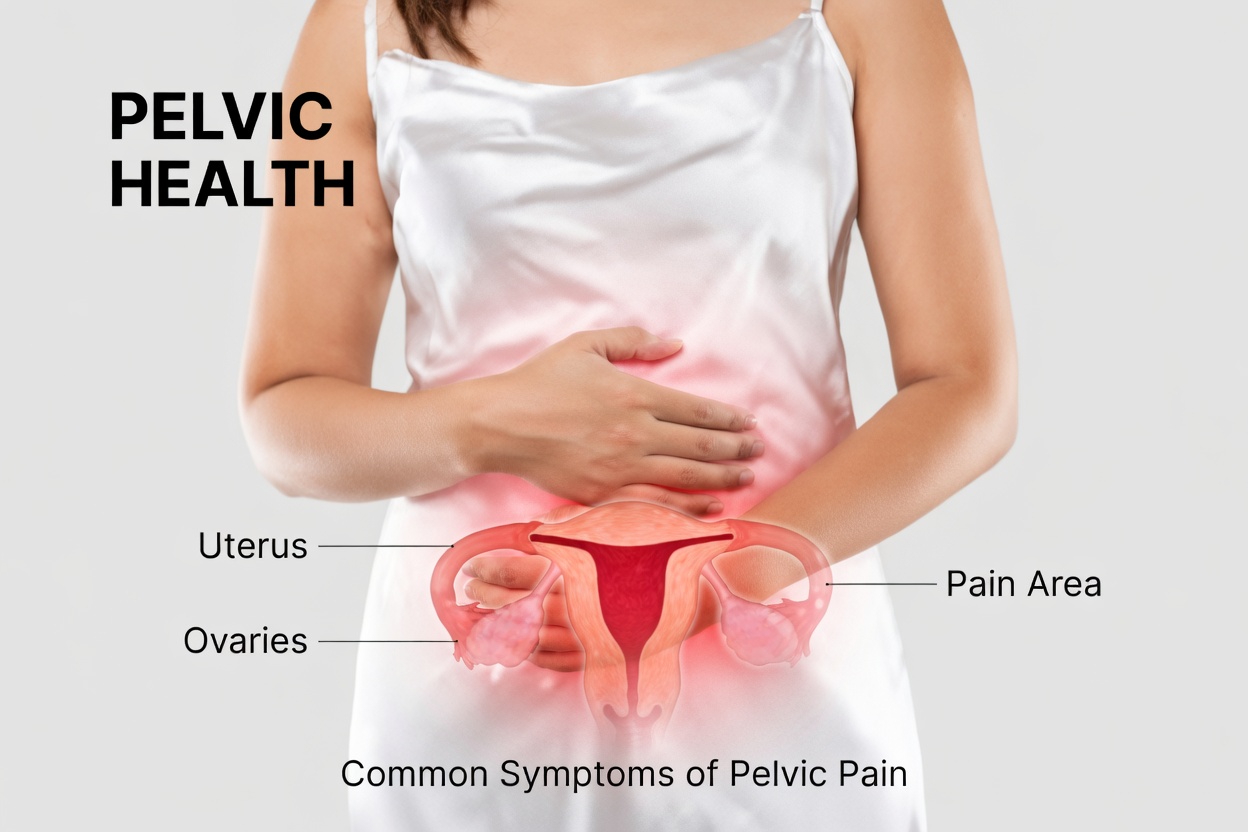
- Ongoing pelvic pain between menstrual cycles
- Pain during or after sex
- Pain with bowel movements or urination, especially during menstruation
- Heavy periods or bleeding between cycles
- Bloating and fatigue that seem linked to the menstrual cycle
- Trouble getting pregnant after trying for six months or longer
Some women also report additional symptoms such as lower back pain, nausea, or digestive discomfort that tends to worsen around their cycle. If this sounds familiar, you are not alone. Research suggests that many women wait seven to ten years between their first symptoms and a proper medical discussion or diagnosis, which can mean years of avoidable suffering.
What Causes Endometriosis?
Researchers still do not know the exact cause of endometriosis, but several theories are supported by ongoing studies. One widely discussed explanation is retrograde menstruation, a process in which menstrual blood flows backward through the fallopian tubes instead of leaving the body normally.
Family history may also matter. If a mother or sister has endometriosis, the risk appears to be higher. Scientists are also studying whether differences in the immune system allow this misplaced tissue to survive and grow instead of being removed naturally.
Hormones and environmental factors are being investigated as well. The World Health Organization describes endometriosis as a chronic inflammatory condition, even though the exact trigger has not yet been fully identified.
One important message is worth repeating: endometriosis is not your fault. It is not caused by a bad habit, poor discipline, or a personal lifestyle choice. Understanding the possible causes can reduce self-blame and help women have more informed conversations with healthcare professionals.
How Endometriosis Can Affect Everyday Life
Endometriosis does not only cause physical pain. It can affect nearly every part of daily living. During flare-ups, concentration and productivity at work may suffer, making it difficult to keep up with responsibilities.
Personal relationships can also become strained, especially when intimacy is painful. On top of that, there is often an emotional burden that is harder for others to see. Many women describe feeling exhausted, dismissed, or isolated because their pain is not always visible to the people around them.
Fertility is another concern often linked to endometriosis. Not every woman with the condition has difficulty conceiving, but for some, inflammation and scarring can interfere with the ovaries or fallopian tubes and contribute to fertility challenges.
Still, many women with endometriosis go on to live active, fulfilling lives—especially once they better understand their symptoms and how to manage them. The condition affects each person differently, and early awareness can make a meaningful difference.
How to Talk to a Healthcare Provider About Endometriosis Symptoms
Bringing up pelvic pain can feel uncomfortable or intimidating, but being prepared often makes the conversation easier and more productive. A good first step is to track symptoms for at least two menstrual cycles using a journal, notes app, or symptom tracker.
When you see your doctor, bring that information with you. Clear details are much more useful than general statements. For example, saying, “My cramps last eight days and the pain is 8 out of 10,” gives a much stronger picture than simply saying, “My periods hurt.”
Helpful details to record include:
- When pain starts and how long it lasts
- Where the pain is located
- Whether symptoms worsen during your period
- Any pain during sex, bowel movements, or urination
- Changes in bleeding, fatigue, bloating, or digestion
- How symptoms affect work, sleep, and daily activities
If you leave the appointment feeling unheard or if the discussion seems incomplete, it is okay to seek a second opinion. Many doctors now specialize in pelvic pain and endometriosis. Advocating for yourself is not overreacting—it is a practical step toward better care.
Lifestyle Habits That May Help You Feel More Comfortable
There is no single routine that works for every woman with endometriosis, and lifestyle changes are not a cure. Still, many women find that certain daily habits help reduce discomfort and make symptoms feel more manageable.
Some supportive strategies include:
- Using a heating pad or taking a warm bath on painful days to relax tight muscles
- Choosing gentle movement such as walking, yoga, or swimming on most days of the week
- Following an anti-inflammatory eating pattern with more fruits, vegetables, whole grains, and omega-3-rich foods while cutting back on highly processed foods
- Making time for stress relief through mindfulness, deep breathing, or journaling
- Keeping a regular sleep schedule and drinking enough water, since fatigue and dehydration can worsen symptoms
These small habits may not remove endometriosis, but they can support comfort and help some women feel better day to day.
The Surprising Daily Habit Many Women Find Helpful
Among the many self-care strategies women try, one simple habit stands out: consistent symptom tracking combined with a few minutes of daily mindfulness or deep breathing.
Many women with endometriosis say this combination helps them feel more aware of patterns in their body and more prepared for flare-ups. Tracking symptoms can reveal when pain tends to start, what seems to make it worse, and which routines actually help. Adding a short mindfulness practice or breathing exercise may also reduce stress, which can influence how strongly pain is experienced.
Why this habit matters:
- It helps identify triggers and symptom patterns
- It makes medical appointments more productive
- It creates a stronger sense of control
- It encourages daily check-ins with your body
- It costs little and can begin right away
For many women, the biggest benefit is not perfection—it is clarity. When symptoms stop feeling random, they often become less overwhelming.
Final Thoughts: Knowledge Matters
Endometriosis is common, but it should never be ignored or minimized. Understanding what endometriosis is, learning to recognize its symptoms, and speaking up early can help women get closer to the support and care they need.
If severe pelvic pain, heavy bleeding, fatigue, or cycle-related digestive symptoms are affecting your life, it is worth taking seriously. The more informed you are, the better equipped you will be to advocate for yourself.
And if there is one simple place to start today, make it this: track your symptoms consistently and pair that habit with a few quiet minutes of mindfulness or deep breathing each day. For many women with endometriosis, that small routine becomes the first step toward feeling more in control.