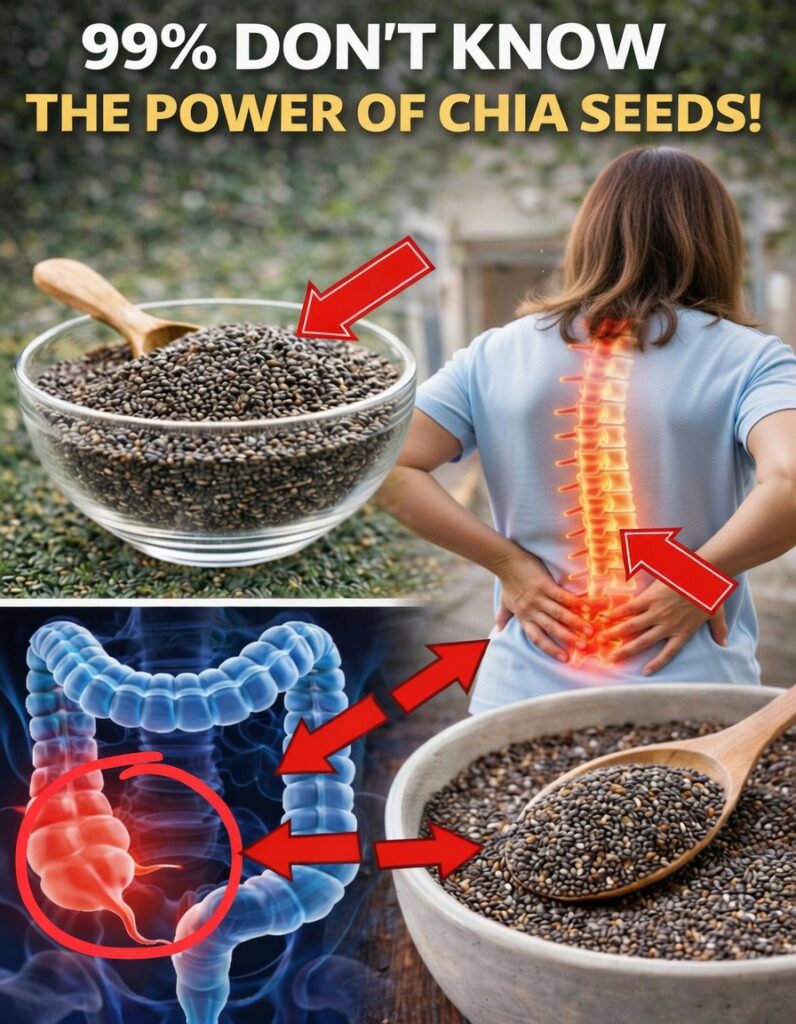
Gentle Daily Support from Chia Seeds
Feeling occasionally bloated, dealing with irregular digestion, or noticing your energy dip throughout the day is incredibly common—especially if you’re balancing a full schedule and a diet that isn’t always perfect. Over time, these small issues can chip away at your motivation, making it harder to stay active or fully enjoy simple moments like a leisurely walk or time with your grandchildren.
Chia seeds offer a simple, food-based way to gently support your daily well-being. They’re not a quick fix or a miracle solution, but when used consistently, they can become a quiet ally in your routine. And there’s a straightforward preparation habit—explained toward the end—that can help you get the most from everything chia seeds have to offer.
Why Chia Seeds Are a Nutritional Powerhouse
Chia seeds come from the Salvia hispanica plant and have been prized for generations, yet many adults still underestimate how densely packed they are with nutrients. Just one ounce (about two tablespoons) fits easily into most eating patterns and provides a concentrated dose of key nutrients, all without added sugar or heavy processing.
Modern nutrition research highlights chia seeds as a plant-based source of fiber, healthy fats, and essential minerals that can naturally support a balanced lifestyle. Another unique feature: they absorb liquid and form a gel-like texture, which is why they feel so filling and satisfying in foods like puddings, smoothies, or cereals. Health experts often point out that this gelling ability helps chia stand out from other seeds when it comes to everyday wellness.
Typical nutrition from about 1 ounce (28 grams) of chia seeds includes:
- Fiber: About 10 grams – close to 35% of the daily recommendation
- Protein: Roughly 5 grams of complete plant-based protein
- Omega-3 fatty acids (ALA): Approximately 5 grams – among the richest plant sources
- Minerals: Notable amounts of calcium, magnesium, phosphorus, and iron
- Antioxidants: Natural compounds such as quercetin and chlorogenic acid that help protect cells
Together, these nutrients make chia seeds a convenient way to help close nutritional gaps—without needing supplements or major diet changes.
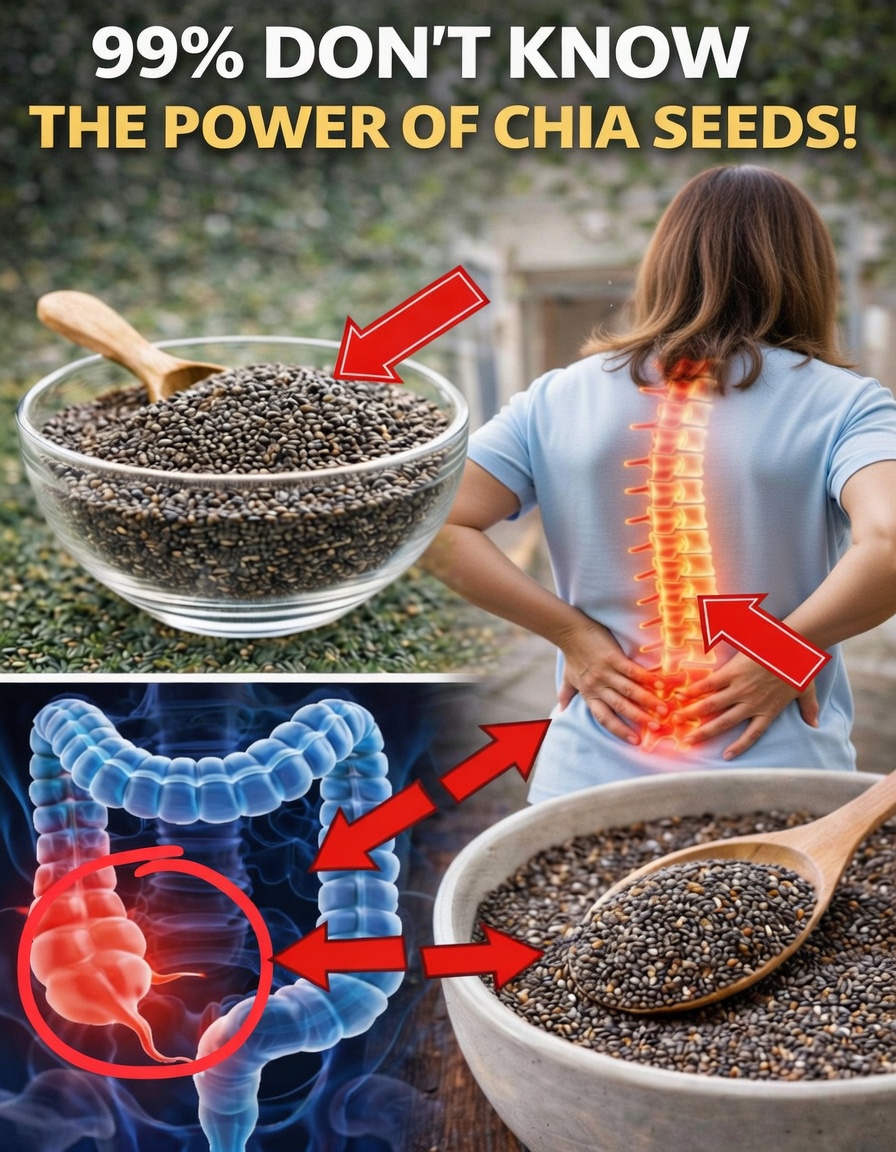
Gentle, Ongoing Support for Digestion
If you’ve ever felt heavy after eating or wished your digestion were more predictable, the fiber in chia seeds deserves attention. Chia contains both soluble and insoluble fiber, and each type plays a different role in digestive health.
- The soluble fiber absorbs water and forms a soft gel in the stomach, helping slow down digestion just enough to support feelings of fullness and more stable energy.
- The insoluble fiber adds bulk and helps keep bowel movements regular and comfortable.
Reviews from reputable health organizations, including Harvard Health, describe how this combination can support normal bowel function and promote a more balanced gut environment over time. Because the gel holds onto water, it can also aid hydration within the digestive tract—especially helpful on busy days when you might not be drinking as much water as you intend.
In everyday life, that can translate into smoother digestion, less discomfort, and a more even sense of energy. Resources like WebMD and Healthline repeatedly connect higher fiber intake from foods such as chia seeds with better digestive comfort as part of an overall healthy eating pattern.
Plant-Based Omega-3s for Everyday Wellness
One of the most notable benefits of chia seeds is their content of plant-based omega-3 fatty acids, particularly alpha-linolenic acid (ALA). Your body can convert a portion of ALA into other forms of omega-3s that support heart health markers and a balanced inflammatory response.
A 2021 meta-analysis and other studies have shown that regularly eating chia seeds can increase blood levels of ALA and related compounds. This doesn’t lead to dramatic overnight changes; instead, think of it as steady, background support that works best alongside other healthy habits like walking, stretching, or eating more vegetables.
Health resources such as WebMD also point out that maintaining a better balance between omega-6 and omega-3 fats is associated with a lower risk of certain long-term health issues. Chia seeds can contribute to that improved ratio in a simple, food-first way.
What makes this especially valuable is the synergy: chia’s omega-3s combined with its minerals and antioxidants create a nutrient profile that may gently support overall comfort, resilience, and everyday vitality.
Bone and Joint Support as the Years Go By
As you age, maintaining strong bones and comfortable joints becomes increasingly important for staying active and independent. Chia seeds provide a trio of minerals—calcium, magnesium, and phosphorus—that play key roles in supporting bone density and skeletal health.
Research in animal models, including a study published in the journal Nutrients, has linked regular chia seed intake with higher bone mineral content and improved musculoskeletal measures. While human research is still developing, this early evidence suggests that chia seeds may be a helpful part of a bone-supportive diet.
When you combine these minerals with chia’s plant-based omega-3s, you get a food that aligns well with recommendations from many health professionals: emphasize nutrient-dense foods, engage in weight-bearing exercise, and get appropriate sunlight exposure to support bone and joint wellness.
This may help explain why some people notice subtle but meaningful changes—like moving more comfortably or feeling less “creaky”—after several weeks of including chia seeds in their diet. The shift is gradual, but it’s powered by consistent nutritional support.
Quick, Easy Ways to Add Chia Seeds Every Day
One of the biggest advantages of chia seeds is how easy they are to incorporate into foods you already enjoy. You don’t need complicated recipes or special tools; just start small and increase slowly so your digestive system can adjust to the extra fiber.
Here are simple methods that typically take under five minutes:
-
Chia Water (or “Chia Fresca”)
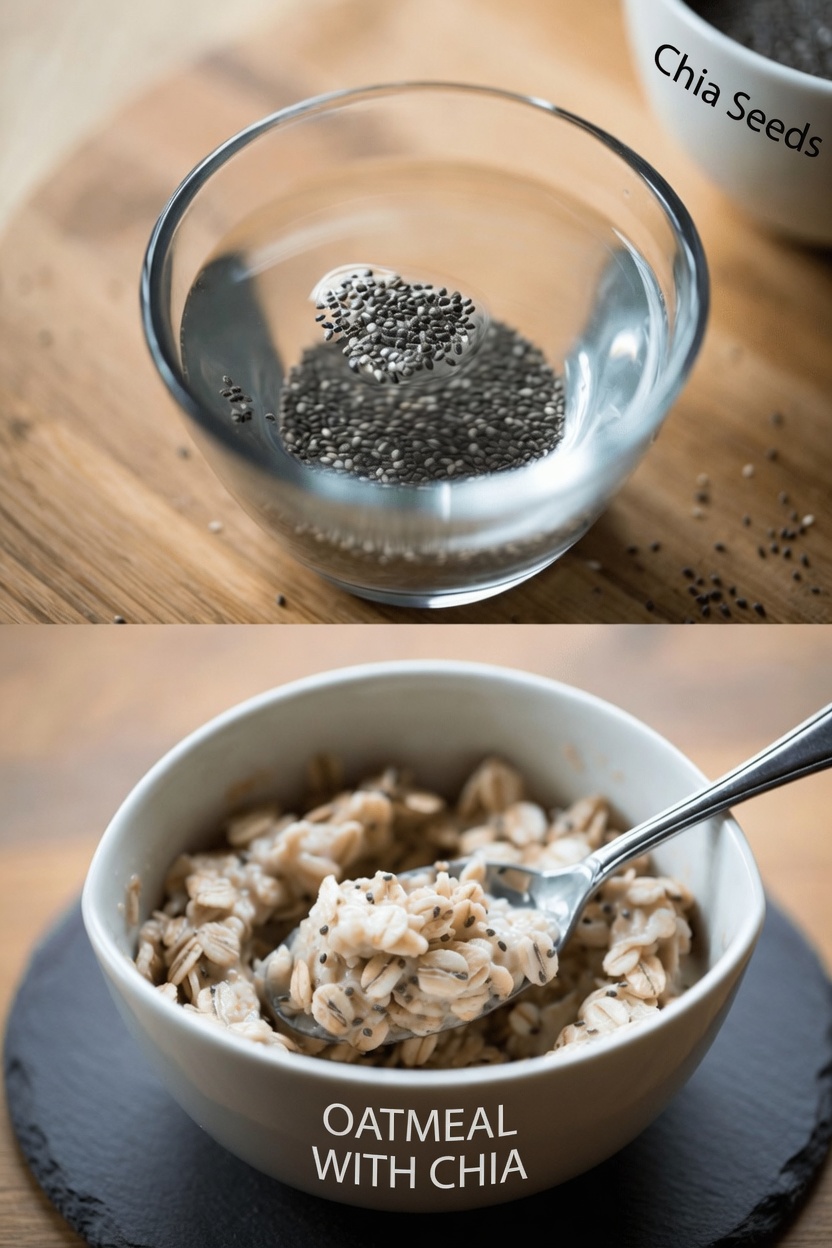
Stir 1–2 tablespoons of chia seeds into about 12 ounces of water or lemon water. Let it sit for 10 minutes until it thickens slightly, then drink. Many people like this first thing in the morning for gentle hydration and fiber. -
Overnight Chia Pudding
Combine 3 tablespoons of chia seeds with 1 cup of almond milk (or your favorite milk), a splash of vanilla, and some fresh or frozen berries. Refrigerate overnight. By morning, you’ll have a ready-to-eat, grab-and-go breakfast. -
Smoothie Booster
Add 1 tablespoon of chia seeds to your smoothie ingredients before blending. They thicken the texture and add creaminess without extra sugar or many additional calories. -
Yogurt or Oatmeal Topping
Sprinkle chia seeds over Greek yogurt, oatmeal, or overnight oats. This adds mild crunch, extra fiber, and more staying power to help you feel satisfied until your next meal. -
Upgrade Baked Goods
Stir chia seeds into muffin, pancake, or quick-bread batter. The seeds blend in easily, boosting nutrition in a way most people won’t even notice.
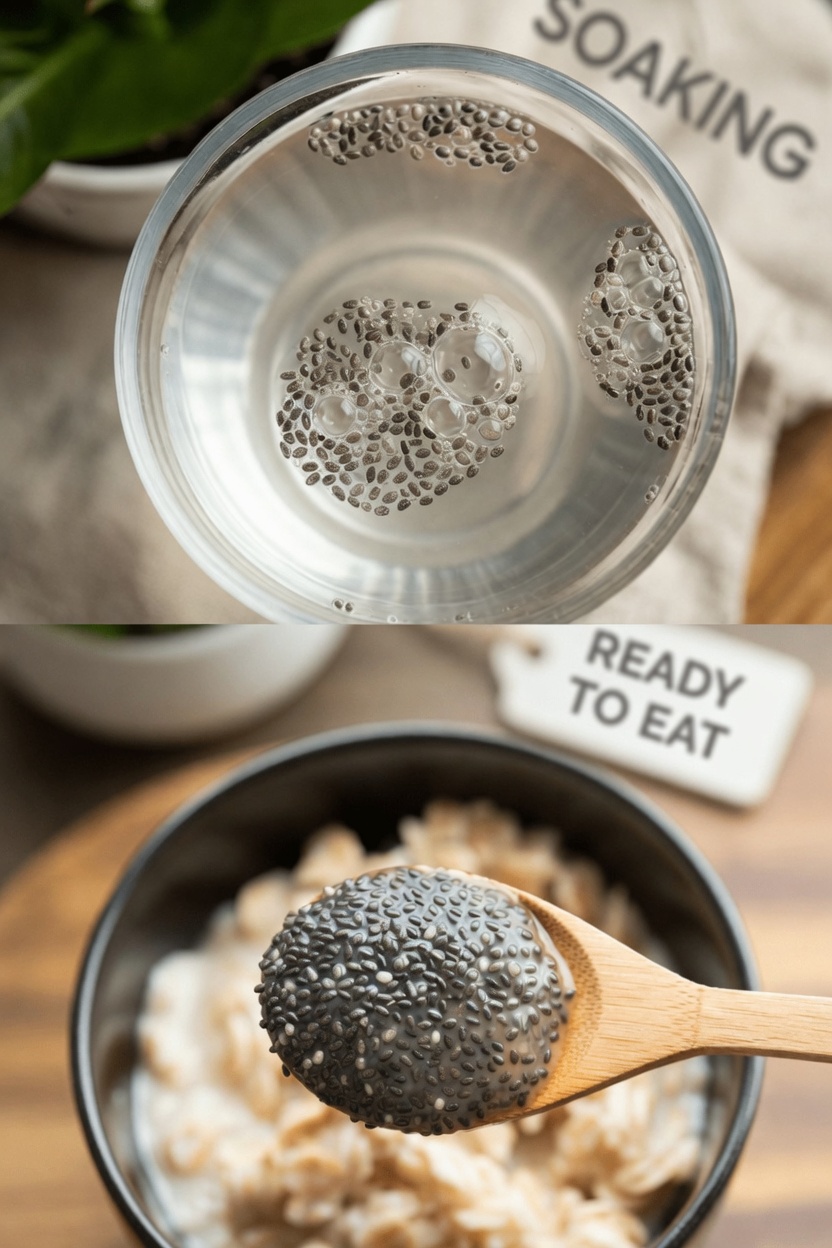
Helpful tip: Begin with around 1 tablespoon per day and gradually work up, making sure you drink enough water. This small daily habit requires almost no extra effort but provides consistent, meaningful nutrients.
What Regular Chia Seed Use Can Do Over Time
With several weeks of steady use, many people notice small but welcome changes—feeling fuller between meals, experiencing more comfortable digestion, or sensing more stable energy across the day. The accumulated intake of fiber, plant-based omega-3s, and minerals can quietly support things like blood sugar balance and heart health markers, as seen in multiple clinical reviews.
Some animal studies have even shown improvements in intestinal structure (intestinal morphology) with long-term chia consumption, suggesting potential benefits for gut health when chia seeds are eaten regularly.
Chia seeds work best as part of an overall healthy lifestyle—alongside whole foods, regular movement, and adequate rest. Once you get into the habit of making something simple like overnight chia pudding, staying consistent becomes almost effortless.
Final Thoughts: Tiny Seeds, Steady Everyday Support
Incorporating chia seeds into your daily routine is a straightforward way to supply your body with fiber, plant-based omega-3s, and key minerals. Over time, this simple practice can support smoother digestion, more sustained energy, and general wellness—without complicated rules or costly products.
You can begin with just one tablespoon a day and gradually increase as comfortable, folding chia into meals you already enjoy. The results are gentle and gradual, but they build with consistency—exactly the kind of practical, manageable support that busy adults tend to appreciate most.
FAQ
How much chia seeds should I eat each day?
Most nutrition experts recommend starting with about 1–2 tablespoons per day (roughly 10–20 grams). This range usually provides noticeable nutritional benefits while remaining comfortable for most people. You can adjust up or down based on your individual needs and how your digestion responds.
Do chia seeds need to be soaked before eating?
They don’t always have to be soaked, but it’s generally a good idea to let chia seeds absorb liquid before consuming larger amounts. Soaking:
- Improves digestibility for many people
- Reduces the chance of discomfort from dry seeds expanding after you swallow
- Creates that pleasant gel texture in drinks, puddings, and oats
If you sprinkle them dry on foods like yogurt or salads, just make sure you’re drinking enough fluids throughout the day.
Are there any side effects I should be aware of?
Chia seeds are well-tolerated by most healthy adults, but there are a few points to keep in mind:
- Sudden increases in fiber can lead to temporary gas, bloating, or changes in bowel habits. To minimize this, start with a small amount and increase gradually while drinking plenty of water.
- Digestive sensitivities: If you already have a sensitive digestive system or a condition affecting your gut, introduce chia seeds slowly and pay attention to how you feel.
- Medication considerations: Because chia seeds contain fiber and omega-3s, people taking certain medications (for example, blood thinners or drugs that affect blood sugar) may want to speak with a healthcare professional before consuming large amounts regularly.
For most people, moderate daily intake of soaked or well-hydrated chia seeds fits comfortably into a balanced diet.