
Raw Garlic Before Bed: What Really Happens Overnight
Many people finish the day feeling heavy, bloated, or less refreshed than they would like. That uncomfortable fullness after dinner or restless sleep can make even the next morning feel harder. Because of this, simple nighttime wellness habits often attract attention. One of the most talked-about is eating raw garlic before bed.
What surprises many people is not the habit itself, but what may happen in the body overnight. Raw garlic contains active compounds that have been studied for their potential health-supporting properties. Still, this routine is not ideal for everyone, and knowing both the possible benefits and drawbacks matters before trying it.
Why So Many People Are Trying Raw Garlic at Night
Garlic has a long history in traditional health practices. Today, some people crush a fresh garlic clove and eat it shortly before going to sleep. The reason is largely tied to allicin, a sulfur-rich compound created when garlic is chopped or crushed and then left to rest for about 10 minutes.
Allicin is responsible for much of raw garlic’s strong smell and much of its appeal in wellness discussions. Since the body carries out a great deal of recovery and repair during sleep, some people believe taking garlic at night may help these compounds work while the body is already in restoration mode.
Research on garlic compounds suggests they may provide antioxidant and anti-inflammatory support, which is why many people consider this a useful habit for general wellness. However, timing can affect how it feels. Eating raw garlic on an empty or nearly empty stomach right before lying down may be much more intense than eating garlic with food earlier in the day.

What Raw Garlic May Do in Your Body While You Sleep
Once consumed, the active substances in raw garlic begin to break down and move through the body. Some studies suggest these compounds may support healthy circulation and help maintain normal internal balance. During the night, while the body continues its natural repair processes, some people say they wake up feeling lighter or more refreshed.
Scientific reviews of garlic research have noted modest benefits related to blood pressure and cholesterol when garlic is used regularly. While that does not mean one clove will create an immediate transformation, long-term use may contribute to an overall feeling of better rest and improved well-being.
Digestion and liver activity also continue during sleep. For some individuals, garlic’s natural compounds may gently encourage digestion. Population-based research has also linked garlic’s antioxidant content with everyday liver support. Still, these effects are usually associated with consistent intake over time, not a single nighttime dose.
Common Effects People Often Notice
People who try raw garlic before bed often describe similar experiences. These are not guaranteed results, but they are commonly reported:
- Digestive support: Sulfur compounds in garlic may help promote normal gut movement, which can leave some people feeling less bloated the next morning.
- Immune system support: Research suggests garlic may assist the body’s natural defenses, and nighttime is often when immune repair is especially active.
- A calmer feeling: Some small studies involving garlic extracts suggest certain compounds may help support relaxation, making it easier for some people to settle down before sleep.
- A fresher morning feeling: After several nights of consistent use, some individuals say they wake up feeling lighter, clearer, or more energized.
At the same time, not everyone responds positively. For some, raw garlic before bed creates more discomfort than benefit.
Possible Downsides to Know Before You Start
Raw garlic is powerful, and eating it at night is not always pleasant. Trusted health sources such as WebMD and Healthline commonly mention several side effects associated with raw garlic:
- Strong breath or body odor that may remain noticeable until morning
- Heartburn or stomach irritation, especially in people with acid reflux
- Gas or bloating, which can make sleep less comfortable
- Occasional headaches or a warm sensation, especially when too much is consumed
These reactions are generally more common with raw garlic than with cooked garlic. If you use blood-thinning medication or have surgery coming up, it is especially important to speak with a doctor first, since garlic may slightly affect blood clotting.

How to Try Raw Garlic Before Bed More Safely
If you want to test this habit, the best approach is to start gently and pay attention to how your body reacts. A simple method includes the following steps:
- Begin with a small amount. Try only half of a fresh clove for the first few nights.
- Crush or finely chop it. Let it sit for about 10 minutes to allow allicin to develop.
- Soften the intensity. Mix it with a teaspoon of honey or take it with a small sip of warm water.
- Do not eat it while already in bed. Take it about 20 to 30 minutes before lying down.
- Use it with light food if needed. If your stomach is sensitive, eat it after a light evening meal instead of on an empty stomach.
- Track your response. Make notes for 7 to 10 days about your digestion, sleep, and how you feel in the morning.
Many people who continue this routine find that one small clove per night offers the best balance between possible benefits and comfort.
Who Should Be Especially Careful
This nighttime garlic habit is not suitable for everyone. Extra caution is important if you have:
- Frequent heartburn
- Acid reflux
- Stomach ulcers
- Low blood pressure
People who are pregnant or breastfeeding should speak with a healthcare professional before adding concentrated raw garlic to their routine. Children under 12 are generally advised not to consume raw garlic in concentrated amounts. If you notice unusual symptoms, skin reactions, or any other concerning effects, stop using it and seek medical advice.
Easy Ways to Make the Routine More Manageable
If you decide to try raw garlic at night, a few simple habits can make the experience easier:
- Choose fresh, firm garlic bulbs, since older garlic may be less potent
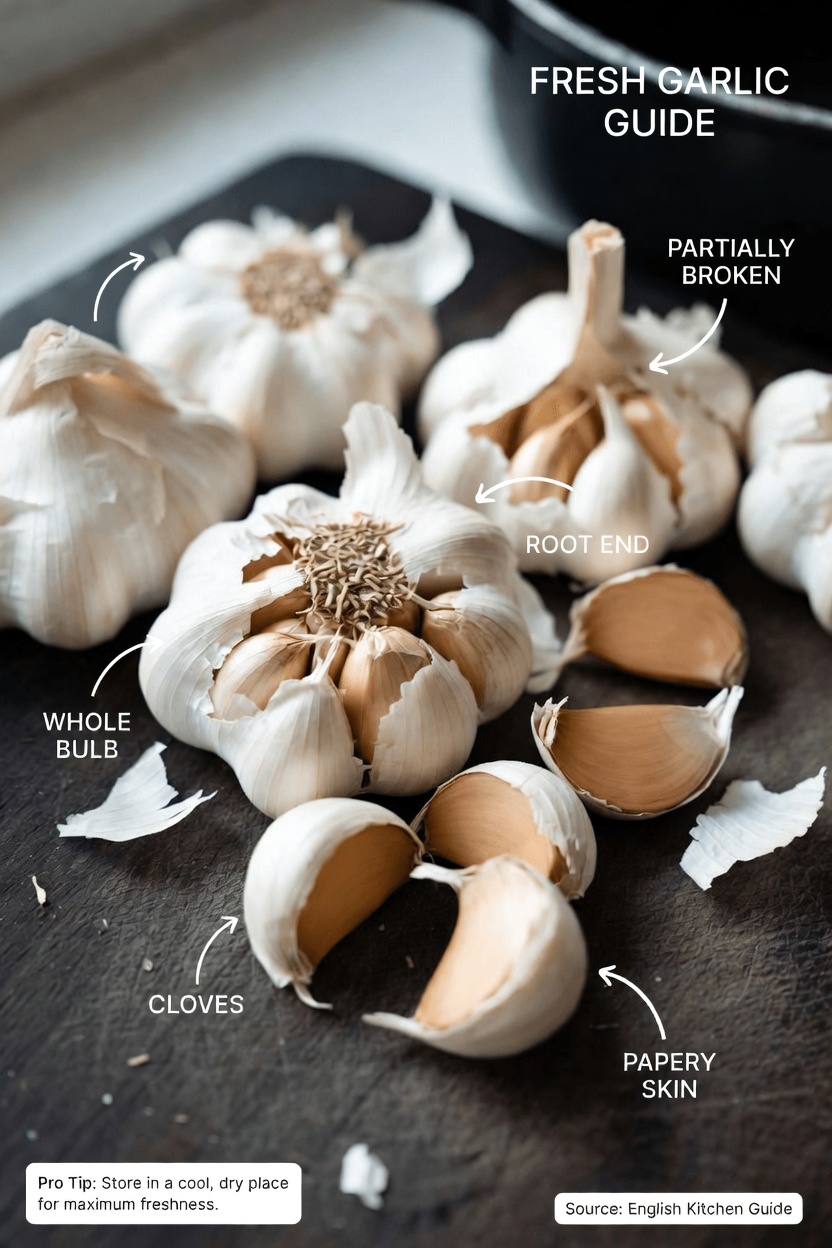
- Keep garlic in a cool, dry place instead of the refrigerator for better taste and quality
- Brush your teeth and clean your tongue afterward to help reduce morning odor
- Pair it with calming bedtime habits such as herbal tea or light stretching
- Stay consistent for at least two weeks if you want to notice patterns in how you sleep or feel
Final Thoughts: A Simple Habit Worth Exploring Carefully
Eating raw garlic before bed is a small wellness experiment that many people can easily add to an evening routine. Garlic’s active compounds are supported by research for general health benefits, and the nighttime timing is what makes this habit especially interesting to many.
Some people feel lighter, more balanced, and more refreshed in the morning. Others find it too strong for their stomach or sleep quality. The most important thing is to start slowly, stay aware of your body’s signals, and decide based on your own experience.
Sustainable wellness habits should feel both safe and realistic. If raw garlic at night interests you, try it gently, observe how you sleep, and notice how you feel the next morning.
FAQ
1. Is raw garlic better at night or during the day?
Both can offer benefits. Some people prefer nighttime because the body is already in recovery mode during sleep. However, eating garlic during the day may feel easier on the stomach.
2. How much raw garlic should you eat before bed?
A common starting amount is half to one small clove. Taking more than that may increase the risk of heartburn, gas, or other discomfort.
3. Can garlic at night actually affect sleep?
It can, but the effect is different for each person. Some people report feeling calmer and sleeping better, while others experience digestive discomfort that disturbs rest.
Disclaimer
This article is intended for informational purposes only and should not be considered medical advice. Always consult a qualified healthcare provider before changing your diet, especially if you have a medical condition or take prescription medications. Individual results may vary.