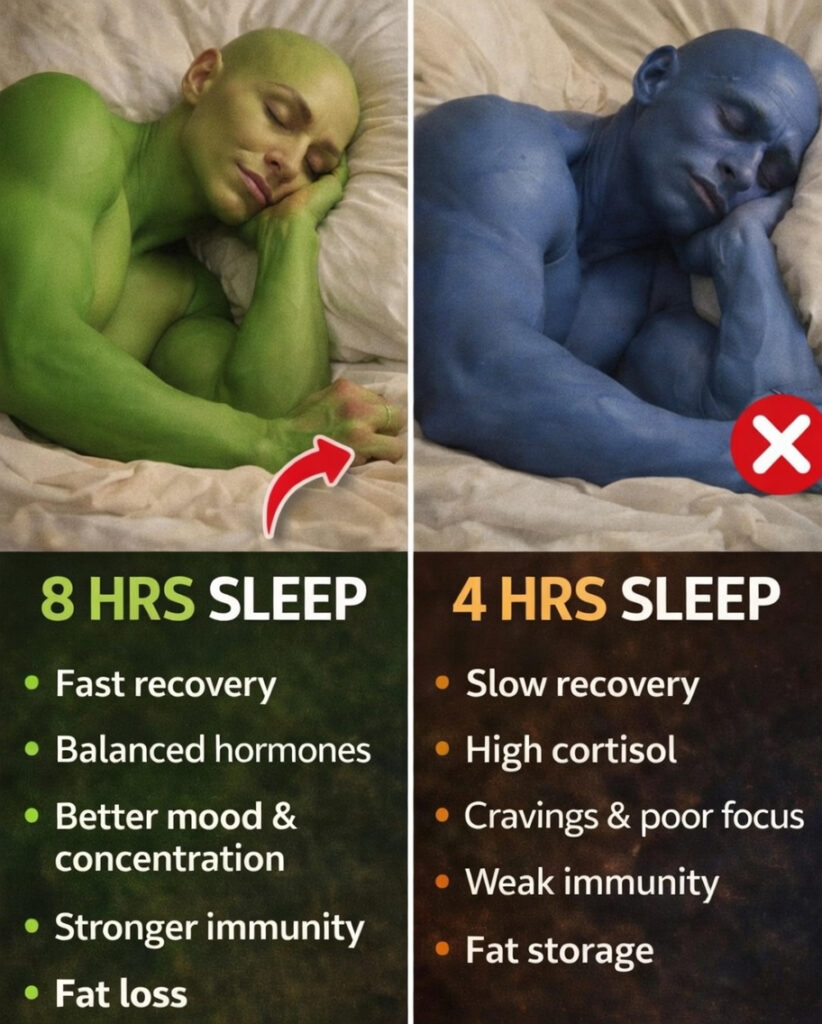
Why Sleep Duration Matters More Than You Think
In a fast-paced lifestyle, many people sacrifice sleep and try to function on just four or five hours each night, assuming the impact is minor. But over time, too little rest can lead to ongoing exhaustion, mood swings, poor focus, and even stubborn weight changes. Sleep is not just downtime—it is one of the biggest factors shaping how well you feel and perform every day. If some days feel noticeably better than others, the difference may come down to getting a few extra hours of quality rest. Science suggests that one simple adjustment to your nighttime routine can quietly improve recovery, balance, and overall daily function.
The Science of Sleep and Daily Performance
Sleep is not a passive state where the body simply shuts down. While you rest, your system stays busy repairing damage, restoring energy, and preparing for the next day. Deep sleep is essential for muscle and tissue recovery, while REM sleep helps regulate emotions and strengthen memory. Findings from Harvard Medical School and other respected institutions repeatedly show that most adults function best with about seven to nine hours of sleep per night.
When you regularly get close to eight hours, your body can move through its natural sleep cycles as intended. When sleep is cut to four hours, those cycles are shortened and disrupted. As a result, the body has less time to complete important repair and regulation processes. This is not just about feeling sleepy—it is a biological issue that affects energy, resilience, and your ability to handle normal daily stress.
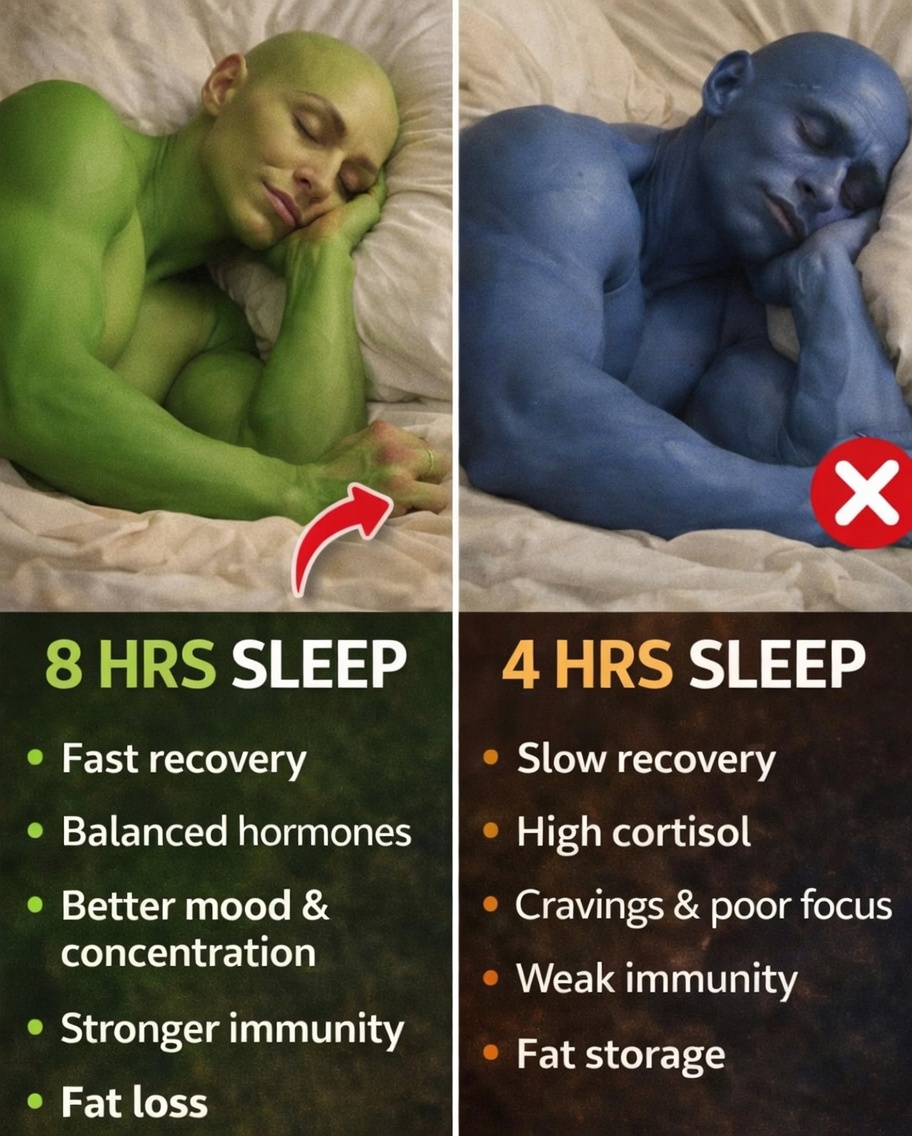
What makes this even more important is that the difference is visible inside the body, not just in how awake or tired you feel. Sleep influences hormones, appetite, metabolism, and stress response in measurable ways.
How Getting 8 Hours of Sleep Helps Your Body
A full night of sleep gives the body enough time to recover and maintain itself properly. Research, including studies published in peer-reviewed journals such as the Annals of Internal Medicine, consistently points to several major benefits of adequate rest.
-
Faster physical recovery
Muscles and tissues heal more efficiently after exercise, work, and daily movement. -
Better hormone regulation
Hormones such as cortisol remain more stable, helping you feel calm and balanced instead of overstimulated. -
Improved mood and mental clarity
With enough sleep, people often wake up more focused, emotionally steady, and mentally sharp. -
Stronger immune function
Regular, sufficient rest supports the body’s ability to defend itself against common illnesses. -
Healthier weight control
Sleep is strongly linked to appetite regulation and may reduce the likelihood of fat storage.
One especially important finding from controlled studies shows that people who slept closer to eight hours lost more body fat and preserved more lean muscle than those who were sleep-deprived, even when both groups consumed the same number of calories. In other words, adequate sleep gives your metabolism the support it needs overnight.
What Happens When You Sleep Only 4 Hours Regularly
Sleeping just four hours a night creates a very different internal state. Studies from institutions such as Stanford Lifestyle Medicine and the National Institutes of Health have documented the same pattern again and again.
-
Slower recovery
The body has less time to repair muscles and tissues, which may leave you feeling sore, weak, or drained. -
Higher stress hormones
Cortisol tends to stay elevated, making it harder to feel calm, energized, and emotionally stable. -
More cravings and poorer concentration
Hunger-related hormones become disrupted, often increasing the desire for sugary or high-carb foods while reducing mental sharpness. -
Reduced immune defense
Chronic short sleep has been linked to a weaker ability to fight off everyday infections. -
Greater fat-storage tendency
The body becomes less efficient at using energy and more likely to store fat.
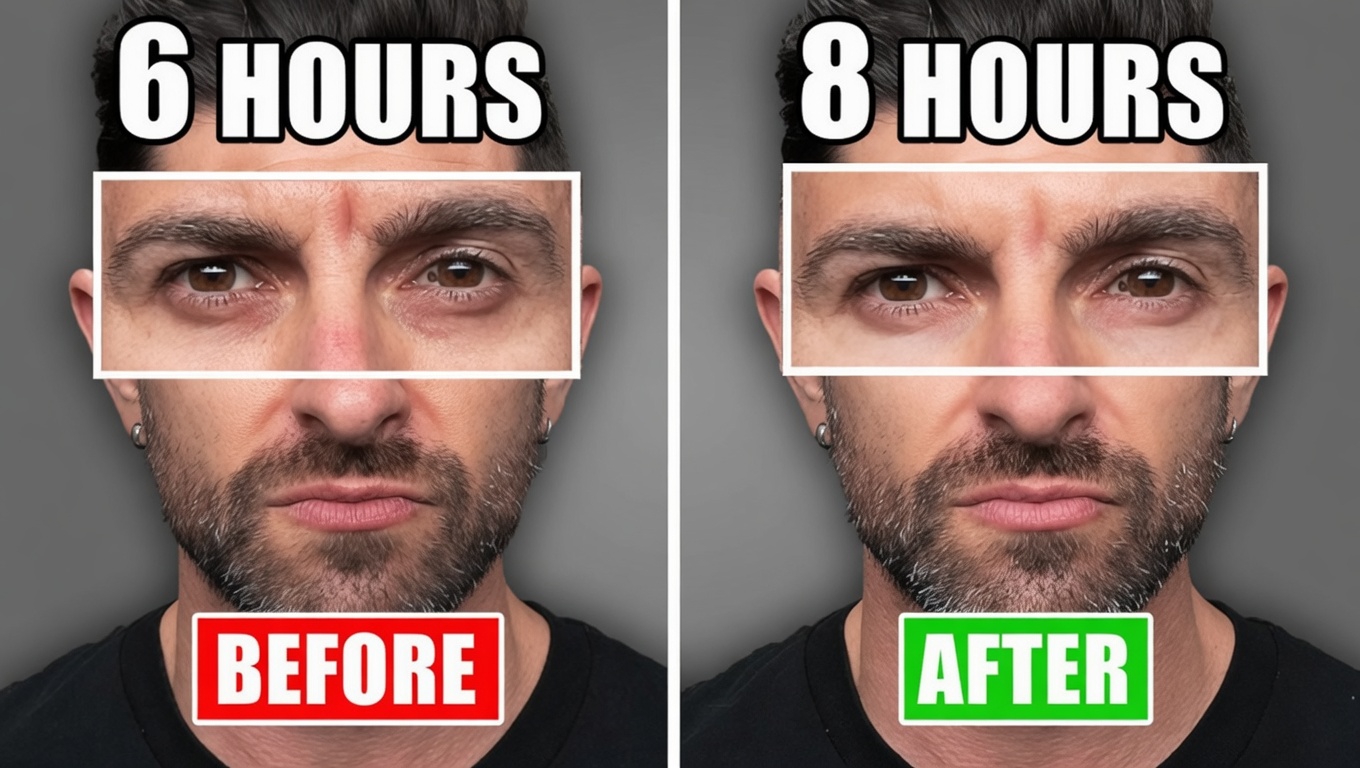
8 Hours vs. 4 Hours of Sleep: A Quick Comparison
Here is a simple side-by-side summary of what research shows:
-
Recovery
- 8 hours: Faster and more complete muscle and tissue repair
- 4 hours: Slower, less effective overnight recovery
-
Hormones
- 8 hours: More balanced cortisol and appetite signals
- 4 hours: Higher cortisol and disrupted ghrelin/leptin patterns
-
Mood and focus
- 8 hours: Clearer thinking and steadier emotions
- 4 hours: Brain fog, irritability, and stronger cravings
-
Immunity
- 8 hours: Better support for natural defenses
- 4 hours: Noticeably weaker immune response
-
Weight management
- 8 hours: Supports fat loss and appetite control
- 4 hours: Encourages hunger and fat storage
The difference is significant. It helps explain why one person can feel productive and steady after a good night’s sleep, while another struggles through the day despite relying on caffeine.
Easy Ways to Build an 8-Hour Sleep Habit
The good news is that improving sleep does not require expensive technology or extreme lifestyle changes. A few simple habits can make a real difference.
-
Set a regular bedtime and wake-up time
Choose a schedule that allows for eight full hours and follow it every day, including weekends if possible. -
Create a calming pre-sleep routine
Lower the lights, avoid screens before bed, and replace stimulation with reading, stretching, or other relaxing activities. -
Improve your sleep environment
Keep the bedroom cool, dark, and quiet. The right pillow and mattress can also help more than many people expect. -
Be careful with afternoon choices
Avoid caffeine later in the day and skip heavy meals close to bedtime. -
Track how you feel
Use a notebook or an app for a week to monitor bedtime, wake time, and daily energy patterns.
Many people notice the biggest improvement when they stop treating bedtime as optional. Viewing sleep as an important daily commitment often changes everything. Start with one or two small steps and build from there.
The key point is simple: consistency matters more than perfection. One bad night does not erase progress if you return to your routine the next day.
Common Sleep Myths That Get in the Way
A few common beliefs often prevent people from improving their sleep habits.
-
“I can catch up on weekends.”
Extra sleep on weekends may help a little, but it usually does not fully reverse the effects of chronic sleep loss. It can also disrupt your body clock. -
“I do fine on five hours.”
Some people get used to functioning while sleep-deprived, but that does not mean their body is performing optimally. -
“Naps solve the problem.”
Short naps can improve alertness temporarily, but they do not replace the complete recovery cycle of overnight sleep.
The body performs best with regular, adequate rest—not occasional marathon sleep sessions.
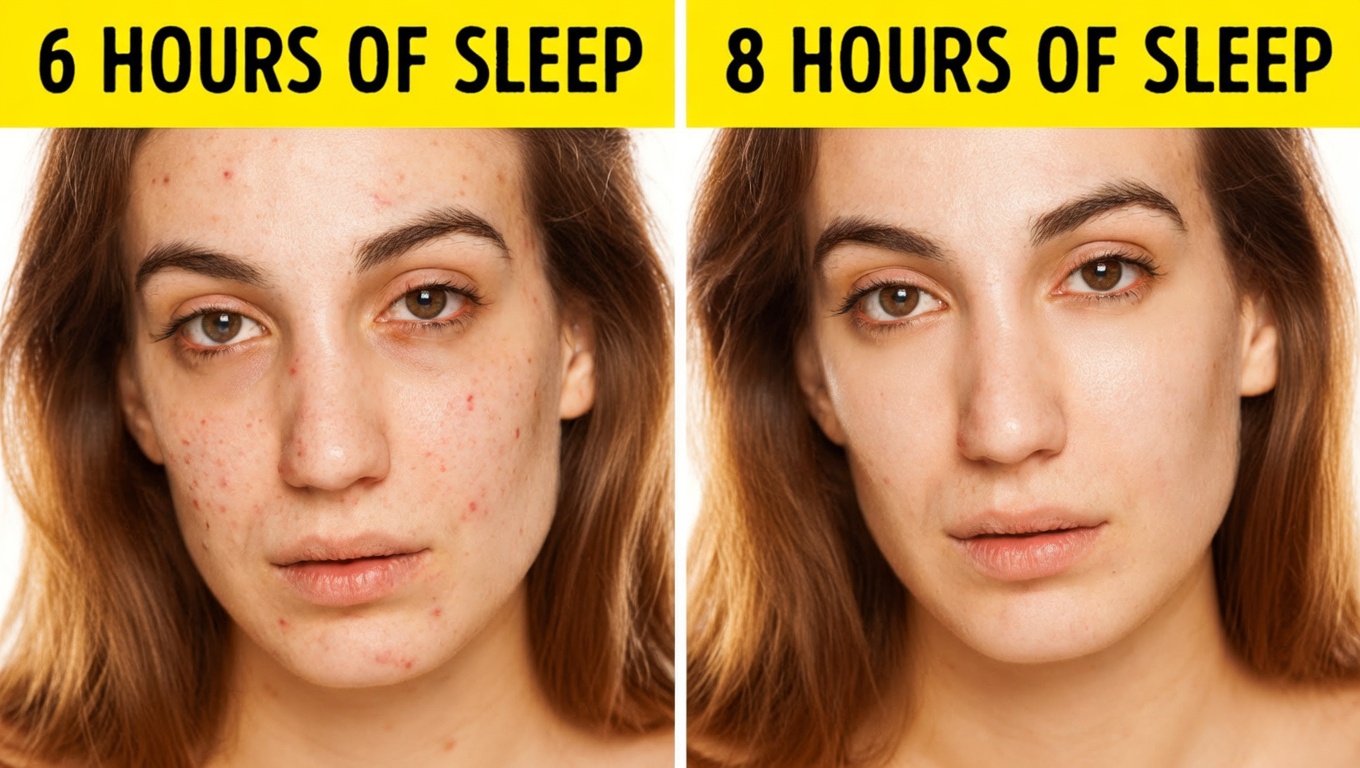
Why Better Sleep Improves Everyday Life
Think about waking up without needing multiple cups of coffee just to feel human. Imagine getting through afternoon meetings with stable energy and experiencing fewer sudden cravings for snacks. That is the subtle but powerful benefit people often notice when they move from roughly four hours of sleep to a more consistent eight.
The change is not usually dramatic in a single night. Instead, it builds over time. Night after night, enough sleep, a reliable bedtime, and a comfortable environment work together to help the body function in a more balanced and efficient way.
Frequently Asked Questions
Is 8 hours of sleep required for everyone?
Most healthy adults do best with seven to nine hours per night. However, exact needs can vary based on age, health, and activity level. If you feel refreshed and function well with seven hours, that may be enough for you. If you are unsure, pay attention to how you feel and speak with a healthcare professional.
What should I do if I struggle to fall asleep?
Start by improving your bedtime routine and sleeping environment. Going to bed at the same time each night helps train your internal clock. Avoiding screens before bed and keeping the room cool and dark can also make a major difference.
Can naps or weekend sleep make up for lost rest?
Short naps can boost alertness in the short term, but they are not a full substitute for nighttime sleep. Sleeping longer on weekends may offer limited help, but it works best when paired with healthy sleep habits during the week.
Final Thought
Good sleep truly changes the way your body works, one night at a time. Both the amount and quality of your rest influence your energy, recovery, mood, metabolism, and overall health far more than many people realize.