A knee injury can happen in an instant. You might be playing a casual basketball game, making a quick turn on the court, or enjoying a run down a ski slope when your knee suddenly buckles. There is often a popping sound, sharp pain, and swelling that starts almost immediately. For many active individuals, this is how a cruciate ligament injury begins, most commonly an anterior cruciate ligament, or ACL, tear.
An injury like this can feel overwhelming. It can interrupt work, exercise, and even basic daily movement. Simple actions such as climbing stairs or turning while walking may suddenly feel difficult or unsafe. The good news is that learning what happens inside the knee, recognizing the warning signs, and understanding your treatment options can help you make informed decisions and move forward with confidence.
In this guide, you will learn what occurs when a cruciate ligament tears, the most common symptoms, why these injuries happen, and practical ways to support recovery and long-term knee stability.
Why the Cruciate Ligaments Matter
The knee is a highly structured hinge joint that depends on several ligaments to remain stable. Among the most important are the cruciate ligaments: the anterior cruciate ligament (ACL) and the posterior cruciate ligament (PCL). These two ligaments cross inside the knee joint, forming an “X” shape.
The ACL is the ligament most often injured. It connects the femur, or thigh bone, to the tibia, or shin bone. Its job is to keep the tibia from sliding too far forward and to help control rotational movement during twisting, cutting, or pivoting actions.
When the ACL is intact, it helps the knee stay steady during demanding movements such as jumping, landing, and changing direction quickly. Once it tears, that support is lost. According to orthopedic research and leading medical sources such as the Mayo Clinic, ACL injuries are especially common in sports that involve sudden stops, rapid pivots, and explosive direction changes.
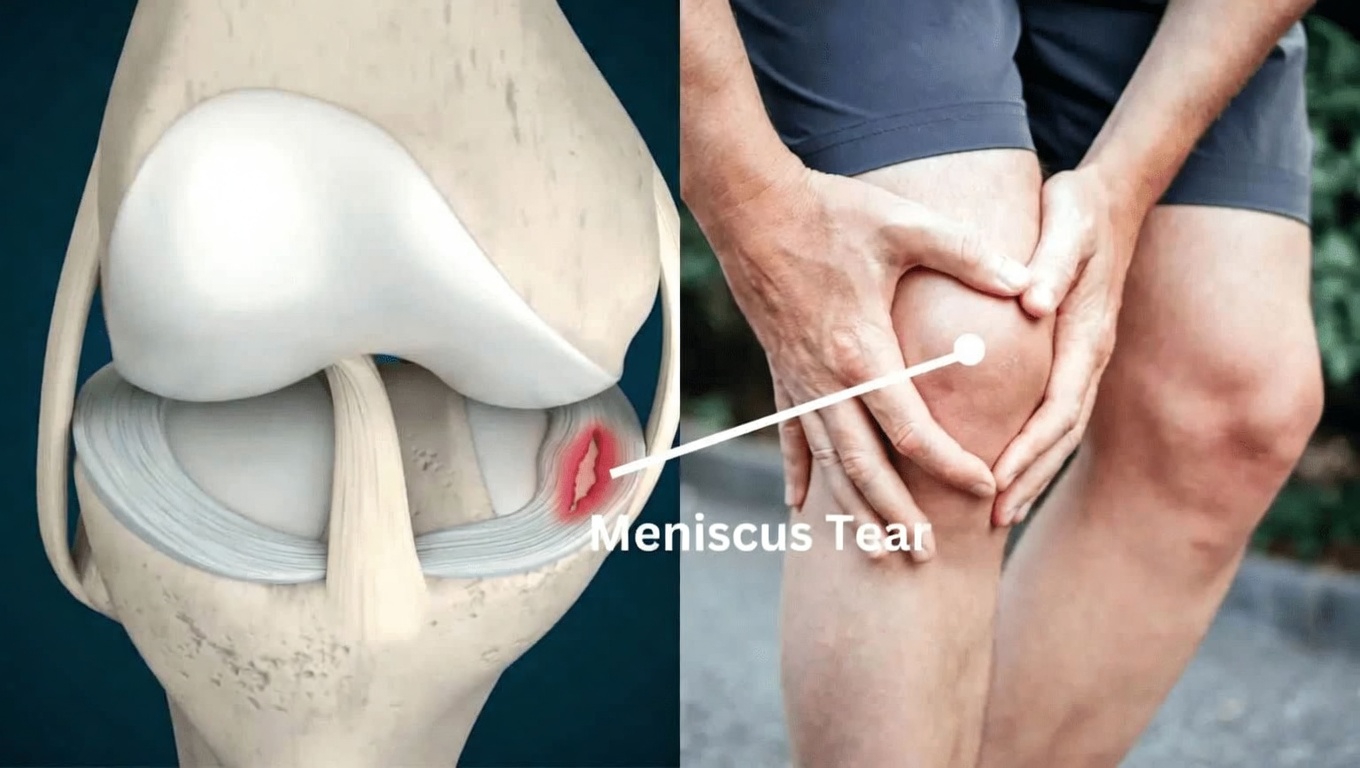
A torn cruciate ligament can also affect more than just one structure. If the knee remains unstable, nearby tissues like the meniscus and cartilage may also become vulnerable to damage over time.
What Happens When the Ligament Tears
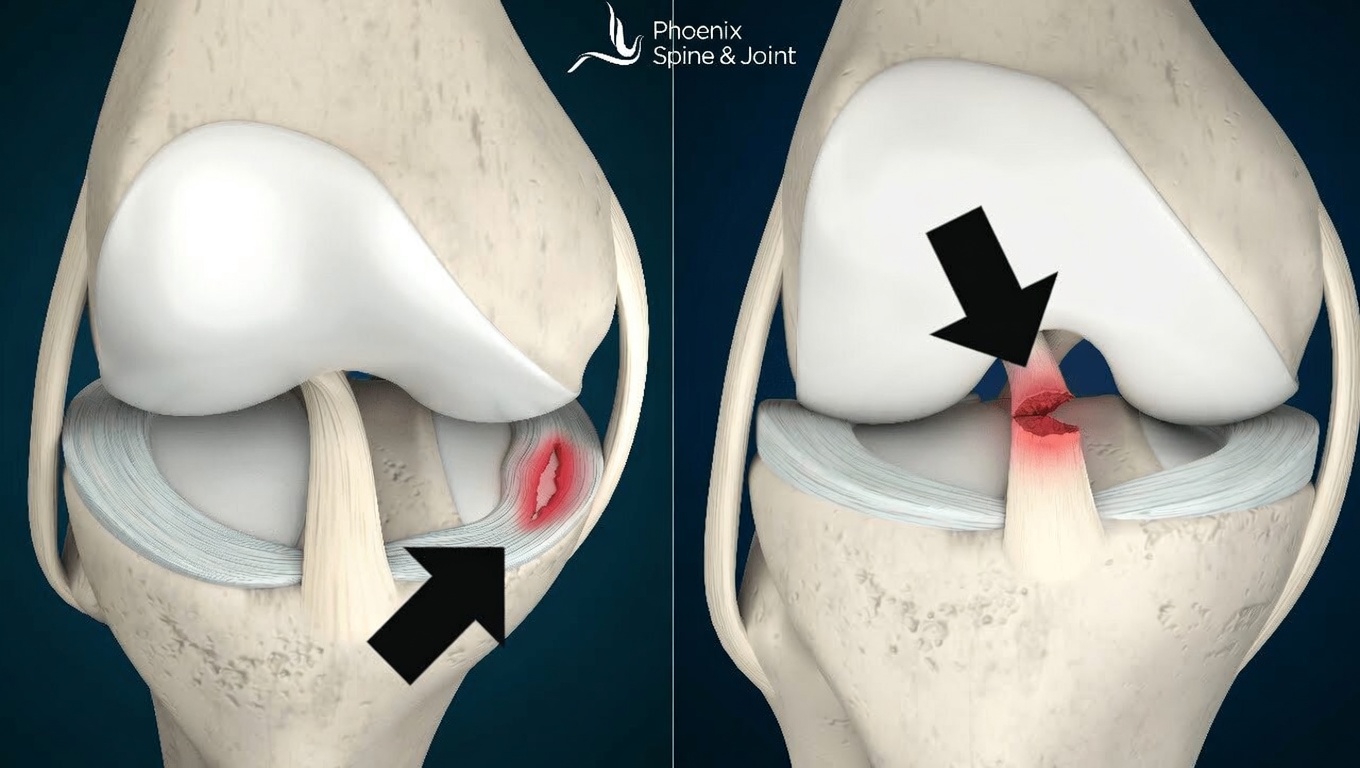
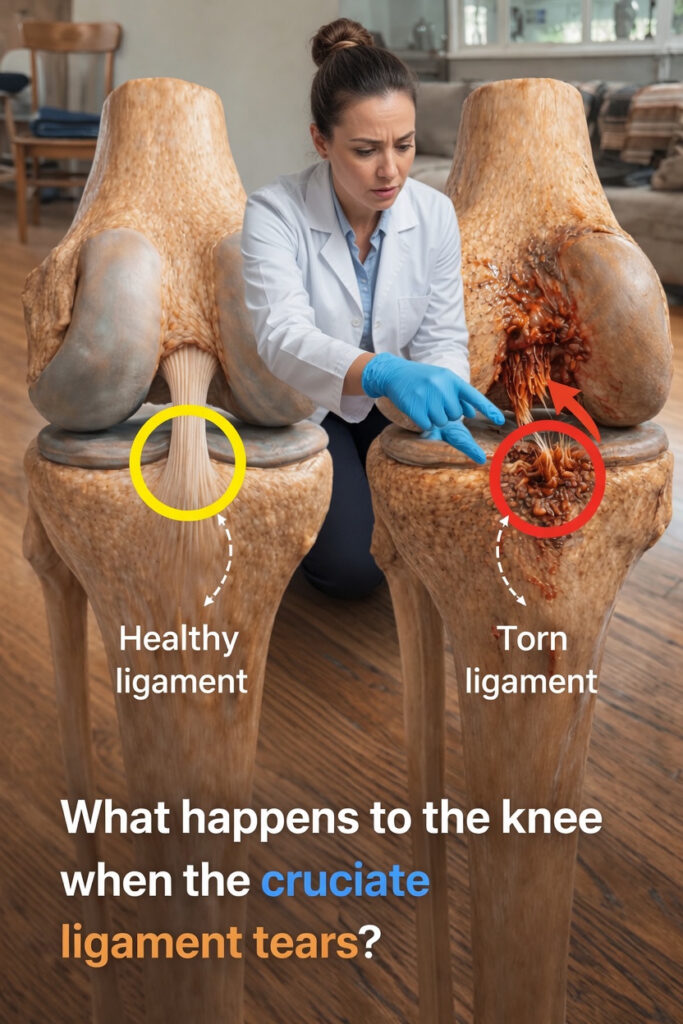
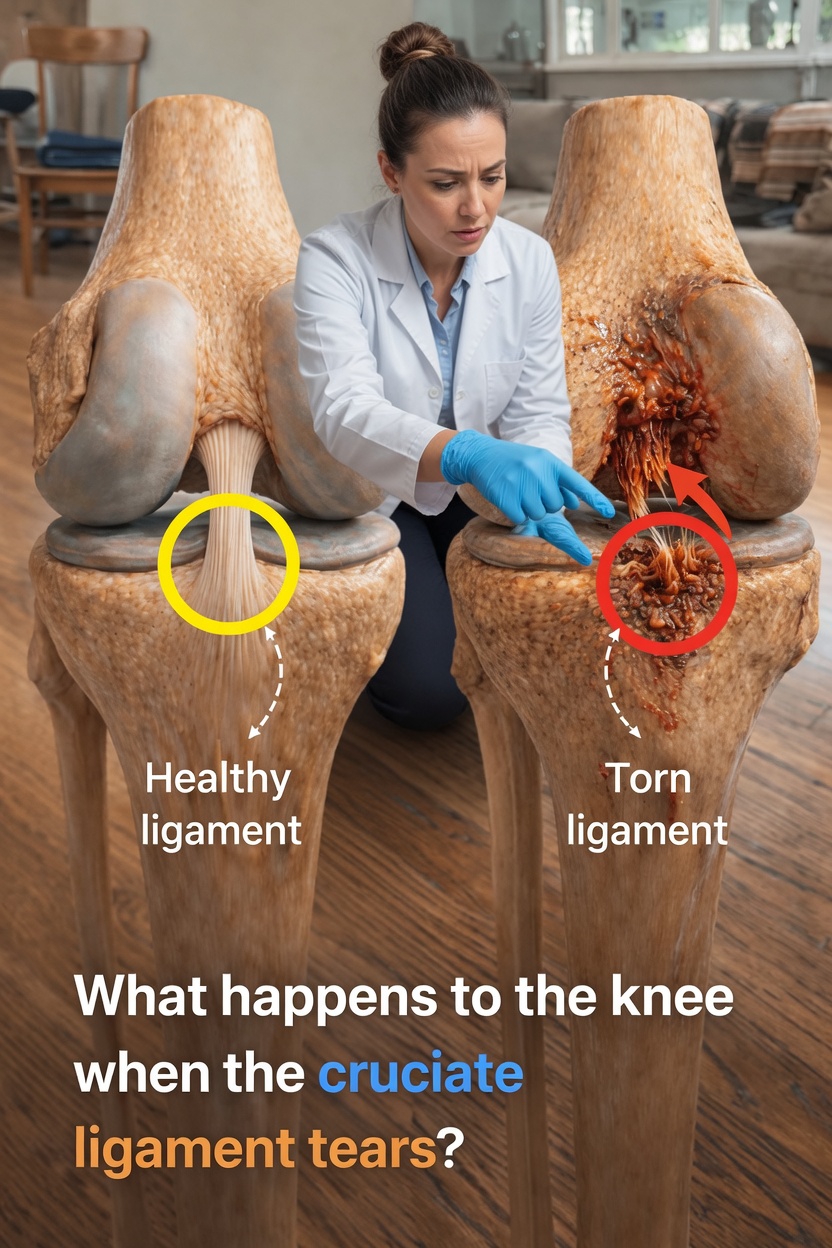
A healthy cruciate ligament is made of strong fibers that hold the bones in proper alignment. When a tear occurs, those fibers stretch beyond their limit and rupture, leaving the ligament unable to perform its stabilizing role.
This often happens during a non-contact movement, such as twisting while the foot is planted. Many people say they hear or feel a clear “pop” at the moment of injury. Soon after, pain develops and swelling rapidly increases because of bleeding inside the joint, a condition known as hemarthrosis.
At that point, the knee may no longer feel secure. You may notice that it gives way when you try to stand, walk, or change direction. This sense of instability is one of the most important signs of a cruciate ligament tear because the structure responsible for controlling forward movement of the tibia is no longer doing its job.
That loss of support matters. Without proper stability, everyday movement becomes harder, and the chance of additional knee damage rises.
Common Symptoms of a Cruciate Ligament Tear
Recognizing the signs early can make a major difference in treatment and recovery. Typical symptoms include:
- A loud pop or noticeable popping sensation
- Swelling that develops quickly, often within a few hours
- Significant pain that makes it difficult to continue activity
- A feeling that the knee is unstable or may give out
- Reduced range of motion
- Tenderness around the knee joint
These symptoms should not be ignored. Early evaluation can help limit further injury to the joint.
Not every ligament tear feels exactly the same. A partial tear may cause milder pain or less dramatic symptoms. Even so, a repeated sense of instability is often a strong indication that a serious knee injury has occurred.
What Usually Causes Cruciate Ligament Injuries
Many people assume these injuries always result from a direct blow, but that is not usually the case. In reality, cruciate ligament tears often happen without contact. Common causes include:
- Sudden pivoting or cutting in sports such as soccer, basketball, and tennis
- Landing awkwardly after a jump
- Stopping abruptly while running
- Twisting falls during skiing
Research also shows that women tend to face a higher risk of ACL injury. Factors may include pelvic anatomy, movement mechanics, and hormonal influences that affect ligament looseness. Additional risk factors can include poor physical conditioning, unsuitable footwear, and uneven playing surfaces.
Understanding how these injuries happen can help you train more safely and reduce unnecessary risk.
What to Do in the First 48 Hours
The first two days after a suspected tear are especially important. A common and effective early approach is the RICE method:
-
Rest
- Avoid putting unnecessary weight on the injured knee.
- Use crutches if walking feels painful or unstable.
-
Ice
- Apply an ice pack for 15 to 20 minutes every few hours.
- This can help reduce pain and swelling.
-
Compression
- Wrap the knee with an elastic bandage.
- Make sure it is snug but not so tight that it cuts off circulation.
-
Elevation
- Keep the leg raised above heart level when possible.
- This helps limit swelling.
You should also seek medical attention as soon as possible. A healthcare professional may examine the knee and recommend imaging, such as an MRI, to confirm whether the ligament is partially or completely torn and to check for associated injuries.
Early care can improve comfort and may influence your long-term recovery.
Why Knee Stability Matters Over Time
When a cruciate ligament is torn, the knee often remains unstable during twisting, pivoting, or sudden directional changes. If this instability continues, the knee may repeatedly give way. Over time, that can place extra stress on the cartilage and meniscus, increasing wear and tear and potentially raising the risk of osteoarthritis later in life.
This is why restoring stability is so important. Whether that happens through structured rehabilitation, bracing, surgery, or a combination of approaches depends on the individual case.
Treatment and Management Options
Treatment for a cruciate ligament tear depends on several factors, including:
- The severity of the injury
- Your age
- Your activity level
- Whether you want to return to high-demand sports
- Your overall knee stability and goals
Many people begin with non-surgical care. This often includes physical therapy focused on strengthening the muscles that support the knee, especially the quadriceps, hamstrings, and glutes. A brace may also help improve confidence and stability during movement.
For people with complete tears who hope to return to sports involving cutting, pivoting, or jumping, surgical reconstruction is often considered. This procedure replaces the torn ligament with a graft, followed by a long and structured rehabilitation process.
There is no universal solution. Some people, especially those who do not participate in pivot-heavy sports, can do well with rehabilitation alone.
Non-Surgical Management
- Emphasizes physical therapy and muscle strengthening
- May include the use of a knee brace
- Often suitable for lower-demand lifestyles or activities
- Can offer a faster early recovery period
Surgical Management
- Involves reconstruction of the torn ligament
- Requires a structured rehab program, often lasting 6 to 12 months
- Frequently chosen by athletes or highly active individuals
- Demands greater commitment in the short term
A doctor or orthopedic specialist can help determine which option best matches your needs and expectations.
Practical Ways to Support Recovery and Protect Your Knee
You do not have to be passive during recovery. There are several steps you can take to improve knee function and support long-term joint health:
-
Strengthen supporting muscles
- Exercises such as straight-leg raises, wall sits, and single-leg balance work can help once approved by your healthcare provider.
-
Improve balance and proprioception
- Balance boards or simple one-leg standing drills can retrain your body’s awareness and control around the joint.
-
Maintain a healthy body weight
- Extra weight increases pressure on the knees and can make recovery more challenging.
-
Warm up before activity
- Dynamic stretching and sport-specific warm-ups can prepare the muscles and joints for movement.
-
Pay attention to warning signs
- If an activity causes pain, swelling, or a sense of instability, stop and reassess.
These habits can support healing, improve movement quality, and reduce the risk of future knee problems.
Recovery is not only physical. Mental resilience matters as well. Staying patient, consistent, and optimistic can make the rehabilitation process easier and often leads to better overall results.
Final Thoughts
A cruciate ligament tear can be a frightening experience, especially when it suddenly removes your sense of mobility and confidence. Still, with the right information and a clear treatment plan, many people recover well and return to the activities they enjoy.
By learning how the injury affects the knee, recognizing symptoms early, and choosing a management strategy that fits your goals, you give yourself a better chance of regaining strength and function.
Every knee injury is different. Work closely with qualified healthcare professionals to build a recovery plan that matches your lifestyle, your activity level, and your long-term health.