
A Simple Drink That May Influence Inflammation in Surprising Ways
If you have ever dealt with that ongoing, low-grade inflammation that makes normal movement feel less comfortable or leaves you feeling unusually drained, you already know how disruptive it can be. The immune system is designed to defend the body, but sometimes it remains activated longer than needed. When that happens, minor irritation can turn into a lingering issue that affects both physical energy and emotional well-being.
What has caught researchers’ attention is the possibility that an ordinary pantry staple, mixed with plain water, may send signals inside the body that help gently shift immune activity. One notable study has sparked growing interest in this simple habit and may change the way many people think about a familiar ingredient.
The Research That Drew Attention
In 2018, scientists at the Medical College of Georgia took a closer look at oral sodium bicarbonate, commonly known as baking soda, dissolved in water. Their work was published in the Journal of Immunology and included both rat models and healthy human volunteers.
The findings had nothing to do with cooking or household use. Instead, the researchers uncovered what appears to be a real-time communication process inside the body, one that may affect how immune responses are regulated.
The most intriguing part of the story centers on an organ many people rarely think about: the spleen.
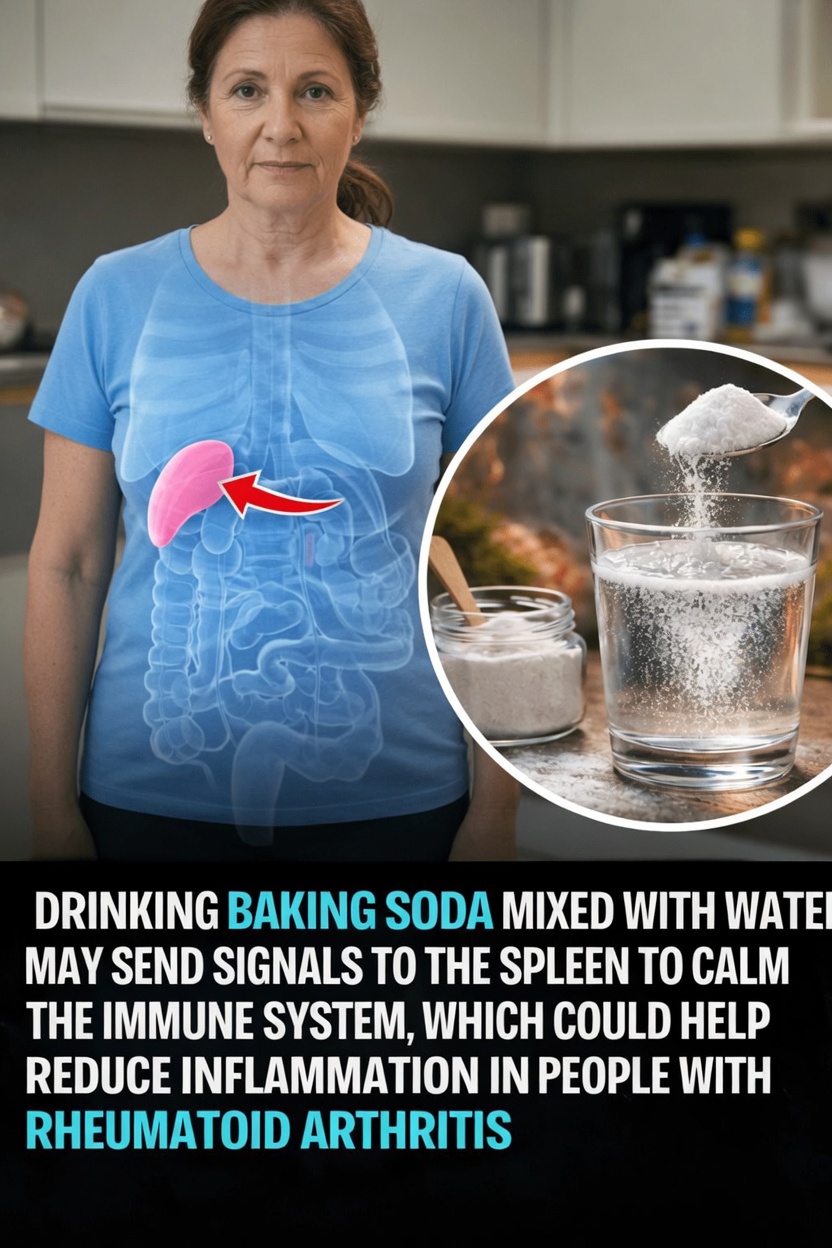
How Baking Soda Water May Signal the Spleen
This is where the mechanism becomes especially interesting. After drinking the solution, the stomach seems to respond as though food is on the way, increasing acid production slightly. That shift may activate specialized cells known as mesothelial cells, which line the spleen.
These cells appear to release acetylcholine, a chemical messenger that may function like a calming signal. In simple terms, it is as if the body is telling the spleen to reduce the intensity of its immune response.
The spleen serves as a major blood filter and also stores important immune cells. Once it receives these signals, researchers observed a notable change in macrophages, a type of immune cell involved in inflammation control.
There are two commonly discussed macrophage patterns:
- M1 macrophages, which tend to promote inflammation
- M2 macrophages, which are associated with reducing or calming inflammation
According to the study, regular intake of baking soda water shifted this balance toward more M2 macrophages in both people and animals.
Key Findings From the Study
The researchers reported several important observations:
- In rats, changes appeared after about two weeks of drinking the solution and continued for as long as three days.
- In healthy human participants, measurable effects showed up within hours of a single dose.
- The immune shift was detected not only in the spleen, but also in the blood and kidneys.
These outcomes generated excitement because they suggest a very simple substance may support the body’s own immune-regulating systems through natural biological pathways.
Why the Spleen Matters So Much
The spleen does far more than filter blood. Located in the upper left side of the abdomen, it plays a meaningful role in deciding how strongly the immune system reacts to everyday challenges. When it receives the right biochemical signals, it may help guide the body toward a more balanced and less reactive inflammatory state.
The mesothelial cells on the spleen’s surface act almost like tiny sensory units, responding to changes in surrounding fluid and signaling when adjustments may be needed.
In the animal portion of the research, scientists noticed that after two weeks, the spleen appeared slightly enlarged. This was thought to reflect increased anti-inflammatory activity inside the organ. In humans, blood tests taken only hours later showed a similar trend toward a calmer macrophage profile.
Together, these findings point to a built-in system the body may use to fine-tune inflammation without complex interventions.
What Scientists Actually Measured
To better understand the importance of the results, it helps to look at what the study specifically tracked:
- Macrophage balance: Pro-inflammatory cells decreased, while anti-inflammatory cells increased.
- T-cell regulation: Regulatory T-cells, including FOXP3+ CD4+ cells, became more prominent. These cells help prevent the immune system from overreacting.
- Timing of effects: Human participants showed measurable changes for several hours, while rats experienced effects lasting days.
- Where the effects appeared: Researchers found changes in spleen tissue, circulating blood, and kidney samples.
These results came from controlled comparisons. One group received baking soda water, while another was given salt water of similar concentration. The differences between groups were consistent and clear.
Follow-up work published in 2023 and 2024 has continued to investigate this same pathway, strengthening the idea that the spleen plays a central role in this communication process.
How the Solution Was Prepared in the Study
Many people want to know how researchers made the drink. This article is for informational purposes only, but the study used the following basic method:
- Use plain, food-grade baking soda from a reliable source.
- Dissolve about 2 grams, or roughly half a teaspoon, in 250 ml of clean water.
- Stir until the powder is fully dissolved.
- The drink was generally taken at room temperature, typically once daily in the study protocol.
Important Safety Considerations
Even though the drink was reportedly well tolerated in healthy participants, that does not mean it is suitable for everyone. Keep these points in mind:
- Begin with a smaller amount if it is your first time.
- Drink enough regular water during the day.
- Avoid this approach without medical advice if you have:
- high blood pressure
- kidney problems
- a low-sodium diet
- Do not exceed the amounts used in the research unless guided by a qualified professional.
The fact that something is simple does not mean it should be used carelessly. Individual health needs always matter.
Other Everyday Habits People Use to Support Immune Balance
Baking soda water is not the only wellness routine people explore for inflammation support. Other common habits often discussed include:
- Warm lemon water: valued for hydration and vitamin C
- Ginger tea: widely used for its soothing properties
- Turmeric with black pepper: a popular pairing in wellness routines
- Baking soda water: studied for its possible spleen-related immune signaling effects
Each option has different benefits and appeal. Many people prefer combining several gentle habits rather than depending on only one. Consistency, moderation, and paying attention to how the body responds are often the most important factors.
What to Watch For
Even small dietary changes deserve attention. Some individuals may notice mild stomach sensitivity at first. Others may simply need time to adjust to the slightly salty taste.
If you are taking medication, managing a chronic condition, or have any ongoing health concerns, speaking with a healthcare provider before trying a new routine is the safest and most responsible step.
Final Thoughts
The 2018 study, along with newer follow-up research, highlights a remarkable internal signaling network that many people have never heard of. A simple mixture of baking soda and water may trigger chemical messages that reach the spleen and encourage a calmer immune state in healthy humans and animals.
Although this research is still early and much more needs to be studied, especially in larger groups and in people with specific health conditions, the findings are promising. They also remind us that everyday ingredients can sometimes interact with the body in unexpectedly sophisticated ways.
Part of the appeal is how affordable and accessible this idea is. As science continues to explore the connection between common substances and immune function, baking soda water remains an intriguing topic worth watching.
Frequently Asked Questions
How quickly did the study show results?
In the human portion of the research, shifts in immune cell behavior were measurable within a few hours after drinking the solution. In animals, the effects developed over several days and lasted longer.
Can anyone try baking soda water?
Not necessarily. The study focused on healthy volunteers and rats, so results may not apply equally to everyone. Anyone with a medical condition, sodium restriction, kidney concerns, or prescription medications should consult a doctor before adding it to their routine.