
Can Drinking Baking Soda Water Before Bed for Two Weeks Really Change Your Health?
Scroll through social media for long enough and you’ll likely see bold claims that a pinch of baking soda in water before bed can reset your health in just a few nights—soothing discomfort, flattening bloating, and boosting overall well-being. For anyone dealing with occasional indigestion or that heavy, uncomfortable feeling after dinner, the idea can sound tempting.
Baking soda (sodium bicarbonate) is inexpensive, widely available, and well known for its occasional use as an antacid. But what actually happens if you drink it every night for two weeks? The reality is more complex than most viral posts suggest. Research points to some short-term effects in specific situations, yet consistent nightly use over 14 days brings both modest potential benefits and meaningful risks you shouldn’t ignore.
In this guide, we’ll break down what science and health professionals suggest might happen if you adopt this habit for two weeks—covering possible short-term changes, real safety concerns, and practical tips so you can make an informed decision.

How Baking Soda Interacts With Your Body
Baking soda is an alkaline substance that neutralizes acids. When you dissolve it in water and drink it, it reacts with stomach acid and temporarily raises the pH in your digestive tract. This is why sodium bicarbonate has been used for occasional relief of heartburn and indigestion.
Health resources such as Healthline and WebMD note that this neutralizing effect:
- Happens relatively quickly after ingestion
- Is short-lived, lasting a limited period
- Varies widely depending on the dose, timing, and the person’s overall health and diet
If you take baking soda water before bed every night for two weeks, your body may begin to adapt in subtle ways. However, the response is highly individual, and the evidence for regular, nightly use is still limited.
Possible Short-Term Effects Over a Two-Week Trial
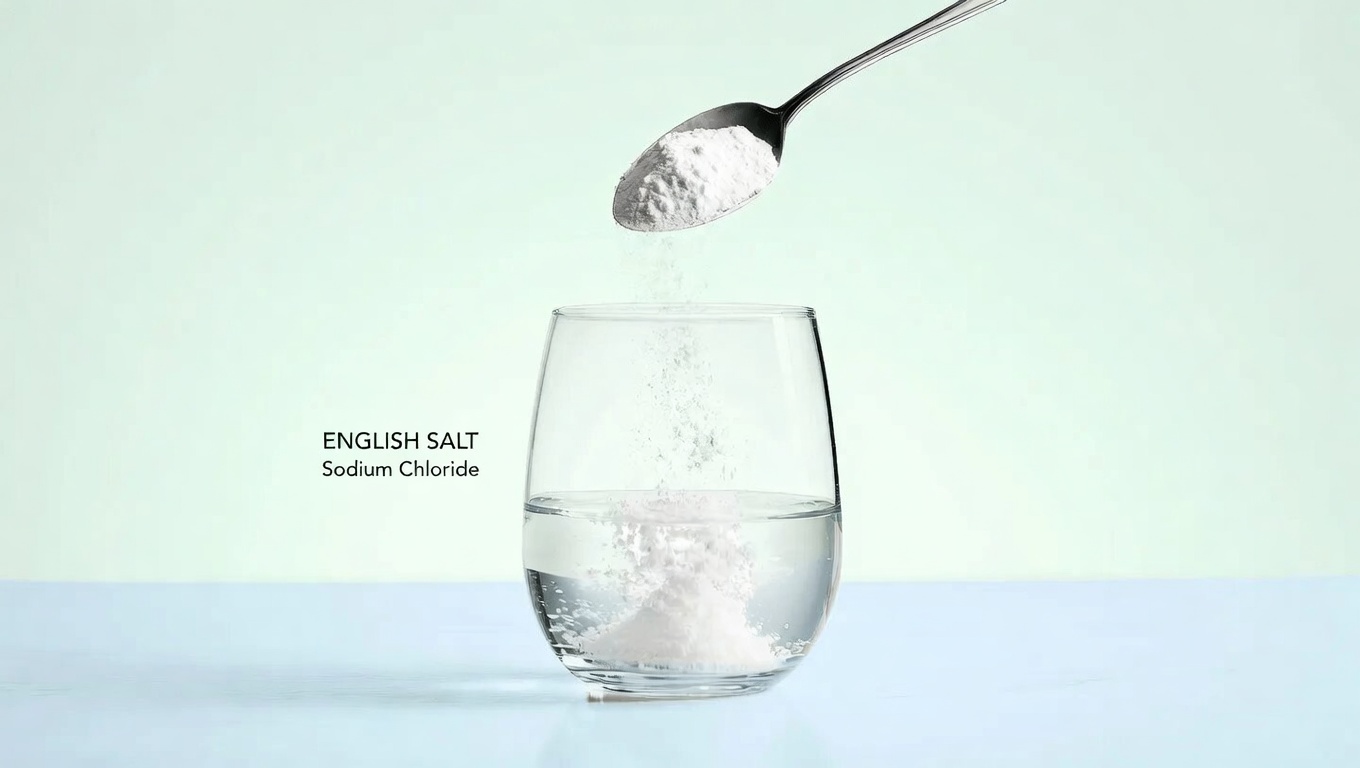
If someone takes a small, diluted amount—such as 1/4 to 1/2 teaspoon of baking soda in a full glass of water—each evening for up to two weeks, a few noticeable changes may occur. It’s important to remember that most research looks at occasional or specific medical uses, not everyday bedtime routines.
1. Temporary Relief From Heartburn or Indigestion
Sodium bicarbonate is a recognized over-the-counter antacid. By neutralizing excess stomach acid, it may:
- Ease occasional heartburn or acid reflux
- Reduce burning sensations after large or late meals
- Make lying down at night more comfortable for some people
This effect is short-term—symptoms may return once the baking soda is processed and the stomach environment returns to normal.
2. Mild Support for Digestive Comfort
By briefly altering stomach pH, small amounts of baking soda water may:
- Help settle mild bloating or fullness in some individuals
- Provide a sense of reduced digestive “pressure” after heavy meals
However, this is not a treatment for chronic digestive problems, and it does not address underlying causes such as reflux disease, ulcers, or food intolerances.
3. Slight Changes in Nighttime Comfort
A few small studies in related areas suggest that a more alkaline internal environment can influence inflammation and possibly overall comfort. Some people report:
- Feeling a bit more relaxed when digestive symptoms are reduced
- Less distraction from discomfort when trying to fall asleep
However, direct scientific evidence that baking soda water improves sleep quality is weak and mostly anecdotal. Any perceived benefit is likely tied to reduced indigestion, not a direct sleep-promoting effect.
One short-term trial discussed in health circles noted a reduction in certain inflammation markers after about two weeks of sodium bicarbonate use. Still, experts caution that this finding alone does not justify routine, unsupervised use.
The Hidden Risks of Regular Nightly Use
Occasional baking soda use as an antacid, when done under appropriate guidance, is fairly common. The concern grows when people start using it daily—especially every night—for two weeks or more. Repeated intake can lead to cumulative effects on sodium levels, acid–base balance, and overall health.
1. High Sodium Intake
Baking soda is very high in sodium. About 1 teaspoon contains roughly 1,000 mg of sodium. For perspective:
- Many adults are advised to limit sodium to around 1,500–2,300 mg per day
- Just 1 teaspoon of baking soda can provide nearly half or more of that amount
Adding this on top of a normal diet can:
- Contribute to fluid retention
- Worsen swelling in susceptible individuals
- Potentially raise blood pressure, especially in people who are salt-sensitive or already hypertensive
2. Electrolyte Imbalance
Regular use of baking soda water may disrupt the balance of key minerals in your body, including:
- Potassium
- Chloride
- Other electrolytes involved in muscle and nerve function
Over time, these shifts can influence:
- Muscle cramps or weakness
- Heart rhythm irregularities in severe cases
- Overall energy and performance
3. Risk of Metabolic Alkalosis
Because baking soda is alkaline, repeated doses can, in some circumstances, push your blood chemistry toward being too alkaline—a condition known as metabolic alkalosis.
Symptoms can include:
- Muscle twitching
- Fatigue or weakness
- Confusion or lightheadedness
- Nausea or vomiting in more pronounced cases
Medical sources emphasize that while small, occasional doses are unlikely to cause this on their own, the risk increases with frequent, higher, or prolonged use—especially in people with kidney issues or other underlying conditions.
4. Gastrointestinal Side Effects
The chemical reaction between baking soda and stomach acid releases carbon dioxide gas. This can lead to:
- Bloating and belching
- Abdominal discomfort or cramping
- Nausea or a feeling of fullness
In rare, extreme situations—particularly if large amounts are taken quickly—gas buildup and fluid shifts have been associated with more serious digestive distress.
5. Increased Risk for Certain Groups
Experts and resources such as Medical News Today and Mayo Clinic urge particular caution—or complete avoidance—for:
- People with high blood pressure or heart disease
- Individuals with kidney disease or impaired kidney function
- Anyone on medications that affect electrolytes or blood pressure
- Pregnant or breastfeeding individuals (only use under medical supervision)
For these groups, even relatively small amounts of baking soda can potentially worsen existing problems or interfere with medications.
How to Approach Baking Soda Water More Safely
If you’re curious about baking soda water because of occasional digestive discomfort, consider a cautious and limited approach rather than jumping into a two-week nightly routine.
Safer Use Guidelines
-
Start with the smallest amount
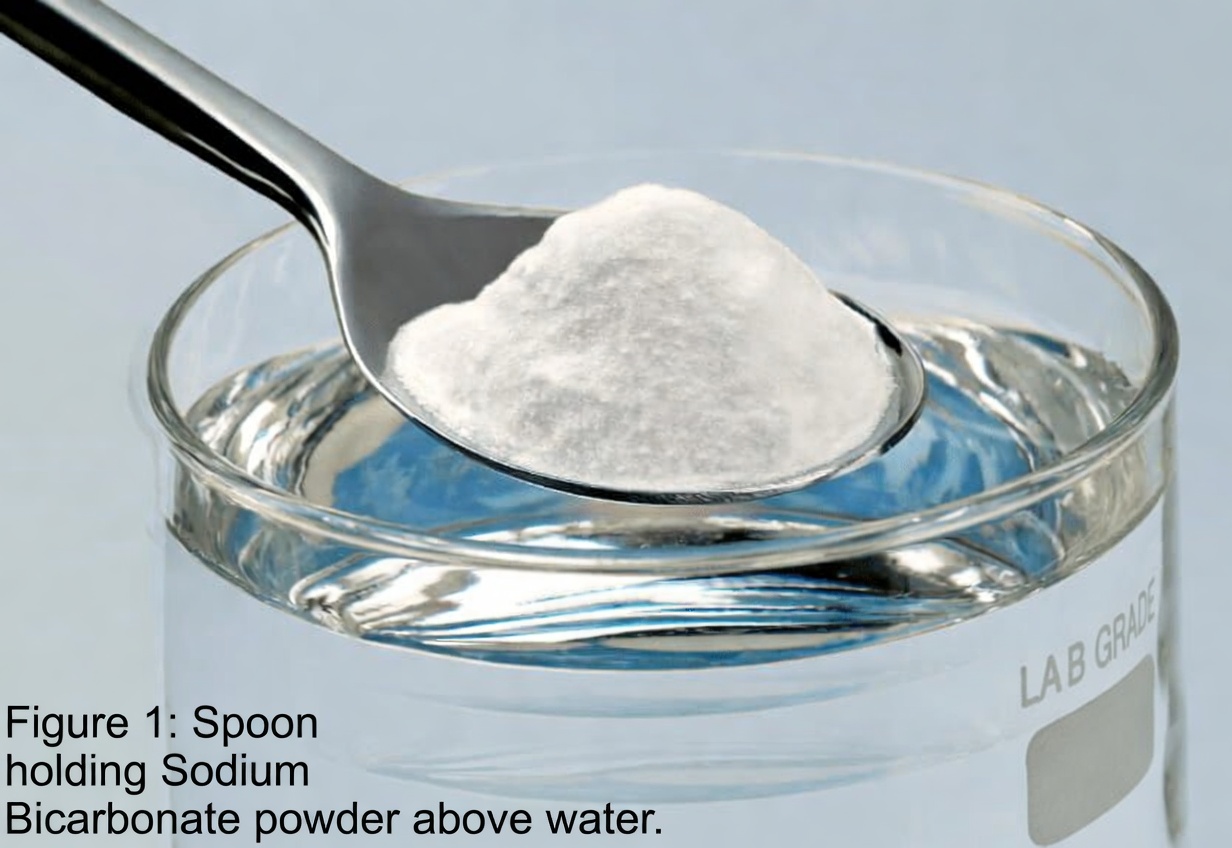
Limit yourself to about 1/4 teaspoon of baking soda dissolved in at least 8 ounces (about 240 ml) of water. -
Avoid taking it right before lying down
Sip it slowly and give your body time—taking it earlier in the evening may lessen gas-related discomfort. -
Watch your body’s response
Pay attention to changes in:- Digestive comfort
- Energy levels
- Any new or unusual symptoms
-
Stay well hydrated
Drink enough plain water throughout the day to support kidney function and overall balance. -
Keep it short-term
Use it only for brief periods for occasional relief. If you feel you “need” it nightly, that’s a sign to seek medical advice rather than continuing self-treatment. -
Stop immediately if you notice problems
Discontinue use and talk to a healthcare professional if you experience worsening bloating, chest pain, severe discomfort, or signs of an allergic or serious reaction.
Lifestyle Alternatives for Better Evening Comfort
For many people, non-remedy approaches do more for long-term digestive ease than baking soda ever could. Consider:
- Eating smaller, lighter dinners
- Avoiding trigger foods at night (spicy, greasy, highly acidic, or heavily processed foods)
- Not lying down immediately after eating—waiting 2–3 hours if possible
- Elevating the head of your bed slightly to reduce nighttime reflux
- Reducing alcohol and caffeine, especially later in the day
These changes tend to be safer, more sustainable, and better supported by evidence for managing ongoing digestive issues.
Pros and Cons of Baking Soda Water Before Bed
To weigh this trend more clearly, here’s a side-by-side look at the potential advantages and drawbacks.
Potential Benefits (With Occasional, Short-Term Use)
- Temporary relief from heartburn or mild indigestion
- Short-lived neutralization of excess stomach acid
- May improve comfort in specific situations, like after an unusually heavy meal
- Accessible and inexpensive when used appropriately
Potential Risks (Especially With Nightly Use Over Two Weeks or More)
- High sodium intake that may contribute to increased blood pressure
- Electrolyte imbalances affecting muscles, nerves, and heart rhythm
- Possible metabolic alkalosis with repeated or excessive dosing
- Gas, bloating, and other digestive upset
- Not appropriate for people with heart, kidney, or certain other medical conditions
- Does not address the root cause of chronic digestive or sleep problems
This comparison underscores why healthcare professionals emphasize moderation and medical guidance rather than relying on social media advice.
What Two Weeks of Baking Soda Water Might Really Do
Drinking baking soda water before bed every night for two weeks is unlikely to deliver the dramatic, far-reaching health transformations often promised online. You might experience:
- Some temporary easing of heartburn or post-meal discomfort
- A slight improvement in how your stomach feels at night
But alongside these modest benefits, you also face:
- A significant increase in sodium intake
- The possibility of electrolyte imbalance and pH disruption
- Digestive side effects and risks for people with underlying health issues
Most health experts recommend limiting baking soda water to occasional, short-term use for indigestion, and only as directed on labels or by a healthcare professional. Regular, nightly use without supervision is generally discouraged.
If ongoing discomfort is disturbing your sleep or daily life, speaking with a doctor is the safest route. They can help identify the root cause and offer proven, tailored options—whether that’s medication, diet changes, or other treatments.
Viral remedies can spark curiosity, but your long-term health is best protected by cautious evaluation and evidence-based decisions.
FAQ
Is it safe to drink baking soda water every night for two weeks?
Most reputable health sources advise against using baking soda water every night for an extended period, including two weeks, without medical supervision. The high sodium content and potential impact on your body’s pH and electrolytes make regular use risky, especially for people with existing health conditions.
Can baking soda water help me sleep better?
There is no strong scientific evidence that baking soda water directly improves sleep. Any perceived benefit is likely due to reduced indigestion or heartburn, not a direct effect on sleep pathways. If sleep problems persist, it’s important to look at broader lifestyle factors or consult a healthcare professional.
What amount of baking soda is considered reasonably safe for occasional use?
For occasional digestive relief, commonly referenced amounts are:
- About 1/4 to 1/2 teaspoon of baking soda
- Dissolved in a full glass of water (at least 8 ounces / 240 ml)
This should only be used for short periods and not as a daily habit. Never exceed recommended doses on product labels, and do not continue long-term without guidance from a healthcare provider.
Disclaimer:
This article is for informational purposes only and does not constitute medical advice, diagnosis, or treatment. Always consult a qualified healthcare professional before starting any new remedy or routine, especially if you have existing medical conditions, are pregnant, are breastfeeding, or take prescription medications. Individual responses can vary, and self-experimentation with substances like baking soda carries real risks.