Why One Common Pain Reliever May Raise Heart Risks After 60
For many older adults, over-the-counter pain medicine makes it easier to stay mobile and enjoy daily life despite arthritis, back pain, or lingering injuries. But after age 60, the body handles medications differently. A pill that once seemed harmless can place extra strain on the heart and circulation.
This concern is especially important with one widely used class of pain relievers found in almost every home. Knowing how these medications may affect heart health can help you make safer decisions without giving up pain relief. The good news is that a few simple habits can lower the risk while still helping you feel better.
The Medication Group in Focus
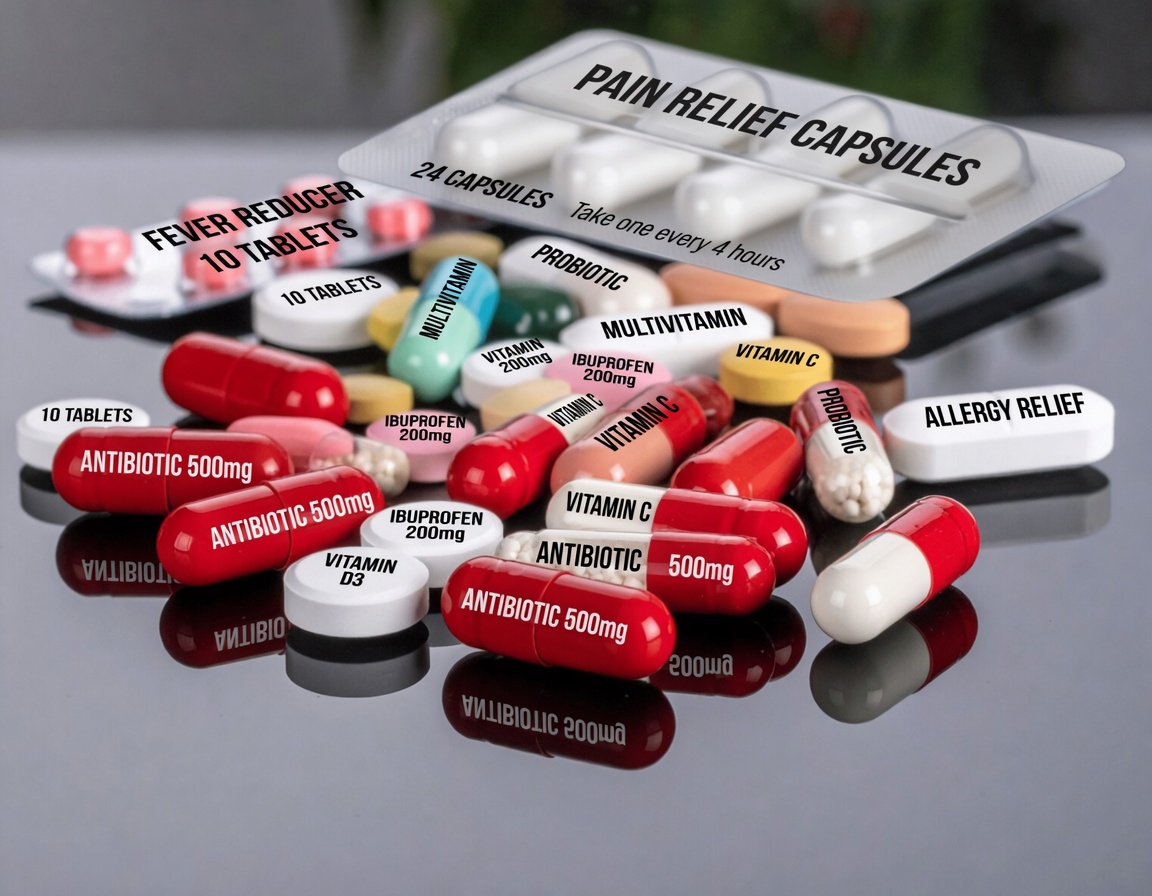
The medicine type being discussed is NSAIDs, short for nonsteroidal anti-inflammatory drugs. Common examples include:
- Ibuprofen such as Advil or Motrin
- Naproxen such as Aleve
- Prescription-strength anti-inflammatory pain medicines
These drugs are popular because they can quickly reduce:
- Pain
- Swelling
- Inflammation
Adults over 60 often use NSAIDs for:
- Joint discomfort
- Headaches
- Back pain
- Muscle soreness
However, these medications affect more than pain pathways. They work by blocking specific enzymes, and that action can also influence blood pressure, kidney function, and fluid balance—issues that become more important with age.

Why Heart Health Becomes More Sensitive With Age
As we grow older, the heart and blood vessels naturally lose some flexibility. The kidneys may also become less efficient at removing excess fluid and salt from the body.
NSAIDs can make this harder by causing the body to retain water and sodium. That extra fluid increases the workload on the heart. In older adults, this can become a serious issue, especially for those who already have heart disease, high blood pressure, or reduced heart function.
Research has linked recent NSAID use in seniors to a much greater chance of needing hospital treatment for heart failure symptoms. One frequently cited study published in the Journal of the American Medical Association found that the odds were roughly doubled in older adults.
That does not mean a single dose will automatically cause harm. For many healthy people, short-term use may still be reasonable. The key message is simple: the risk is real, and it increases with regular or long-term use.
How These Pain Relievers Can Affect the Heart
What eases inflammation in a sore knee can also quietly affect the cardiovascular system. NSAIDs may:
- Raise blood pressure slightly
- Cause fluid retention
- Reduce kidney efficiency
- Make it harder for the heart to pump effectively
If someone takes these medications regularly over several weeks or months, the added stress can build up. This is especially true in adults over 60 or in people with existing heart or kidney concerns.
Warning Signs You Should Not Ignore
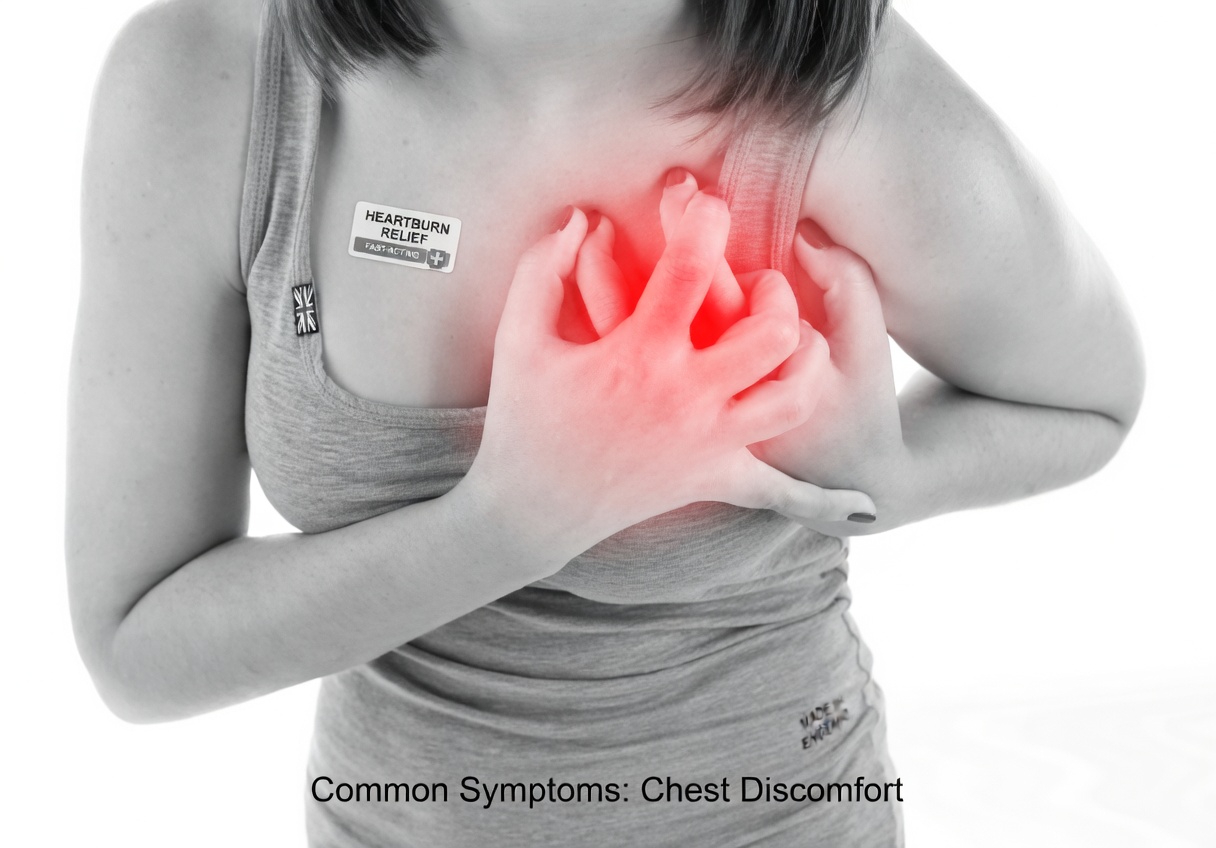
Listening to your body can make a big difference. Some symptoms may signal that fluid is building up or that the heart is under extra strain.
Watch for:
- Swelling in the ankles, feet, or lower legs
- Shortness of breath, especially during mild activity
- Unusual tiredness or weakness
- Sudden weight gain over a few days
- Trouble breathing when lying flat
Many of these changes can improve once the problem is identified and the medication plan is adjusted. Early action matters.
NSAIDs and Heart Risk: A Simple Overview
Here is a quick comparison to make the issue easier to understand:
-
Short-term, low-dose use
- Usually lower risk for many healthy older adults
- Example: taking ibuprofen for a day or two for a headache
-
Daily or long-term use
- Greater chance of fluid retention
- Higher likelihood of blood pressure changes
- More concerning according to large medical reviews
-
People with existing heart problems
- Need extra caution
- Often benefit from discussing safer alternatives with a doctor
-
Possible alternative for mild pain
- Acetaminophen (Tylenol) is sometimes suggested
- It may be gentler on the heart, but it must still be used carefully because high doses can harm the liver
Five Smart Steps to Protect Your Heart While Managing Pain
You do not have to choose between comfort and safety. These practical actions can help reduce risk:
1. Review all medications with a professional
Talk openly with your doctor or pharmacist about everything you take, including:
- Prescription medications
- Over-the-counter drugs
- Vitamins
- Herbal supplements
This helps identify interactions and personal risk factors.
2. Use the smallest effective dose
If an NSAID is needed, take:
- The lowest dose that works
- For the shortest possible time
Some people get enough relief after only one or two days.
3. Keep an eye on blood pressure and weight
If you use these medicines often, check at home when possible. A fast increase in body weight can be an early sign of fluid retention.
4. Stay active with gentle exercise
Low-impact movement supports both pain control and heart health. Good options include:
- Walking
- Swimming
- Stretching
- Light strengthening exercises
Over time, regular activity may reduce the need for medication.
5. Try non-drug approaches
Many seniors find relief through other methods, such as:
- Physical therapy
- Warm compresses
- Cold packs
- Gentle stretching
- Cognitive behavioral techniques for chronic pain
These options can lower dependence on daily pain pills.
Lifestyle Habits Also Make a Difference
Pain relief is only part of the picture. Everyday choices can help the body manage fluid balance and support the heart naturally.
Helpful habits include:
- Eating more fruits and vegetables
- Limiting sodium
- Drinking enough water
- Maintaining a healthy weight
- Getting enough sleep
These steps may not replace medication completely, but they can improve overall health and reduce added strain on the cardiovascular system.
Better Ways to Manage Daily Aches
Many older adults do best when they combine several approaches instead of relying on one pill alone. A more balanced pain-management plan may include:
- Working with a physical therapist to strengthen muscles around painful joints
- Using topical creams or gels that target one area instead of the whole body
- Applying heat or ice
- Trying tai chi for flexibility and balance
- Exploring acupuncture if recommended
The goal is to find a routine that fits your body, your symptoms, and your lifestyle.
When to Speak With a Doctor
If you have been taking pain relievers several times a week for months, it is a good idea to schedule a check-in. Your healthcare provider may want to:
- Review your current medicines
- Check blood pressure
- Order blood tests
- Evaluate kidney function
- Assess heart health if needed
Catching small changes early often makes them easier to manage.
The Bottom Line
Protecting your heart after 60 does not mean living with constant pain. It means making informed choices about the medications you use. NSAIDs can be effective, but they also carry potential cardiovascular risks, especially with frequent use or in people with existing heart problems.
By understanding how these common pain relievers interact with an aging body, you can take steps to protect your mobility, energy, and long-term health. Even small adjustments today can make a meaningful difference tomorrow.
FAQ
Can adults over 60 still take ibuprofen or similar pain relievers?
Yes, in many cases short-term use at low doses may be acceptable. The safest approach is to check with your healthcare provider, especially if you have heart disease, high blood pressure, kidney problems, or take other medications.
What should I do if I notice swelling or shortness of breath while using pain relievers?
Stop taking the medication and contact your doctor promptly. These symptoms may signal fluid retention or heart strain, and early treatment can help prevent more serious problems.
Are there natural ways to ease pain without medication?
Yes. Many seniors find relief from:
- Gentle regular exercise
- Anti-inflammatory foods such as berries and fatty fish
- Good sleep habits
- Meditation
- Yoga
- Stress management techniques
Using several of these strategies together may reduce the need for pain medicine.
Disclaimer
This article is for informational purposes only and does not replace professional medical advice, diagnosis, or treatment. Always speak with a qualified healthcare provider before changing your medications or health routine. Risks and results vary based on your personal medical history.