Aloe Vera: A Gentle Everyday Ally for Skin and Simple Wellness
More people than ever are turning to mild, natural options to keep their skin comfortable and support simple self-care routines without relying on aggressive chemicals. With so many online claims and “miracle” products, it can be hard to tell what’s genuinely helpful and what might lead to disappointment.
Aloe vera has remained a trusted home remedy for generations because of its cooling, gel-filled leaves that feel like instant relief on stressed skin. There is, however, one key preparation step most people skip — draining away the yellow latex — and it can dramatically change how safe and pleasant your day-to-day aloe experience is.
What Is Aloe Vera, Really?
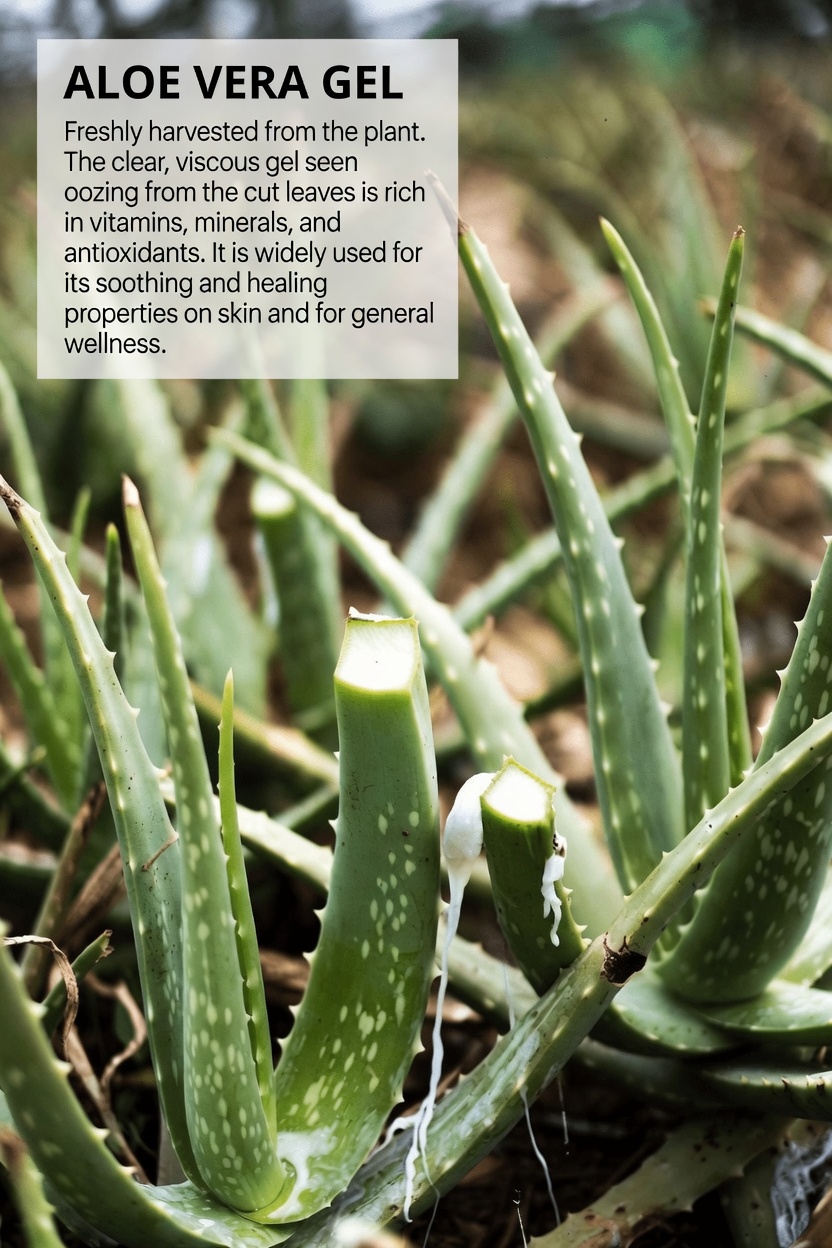
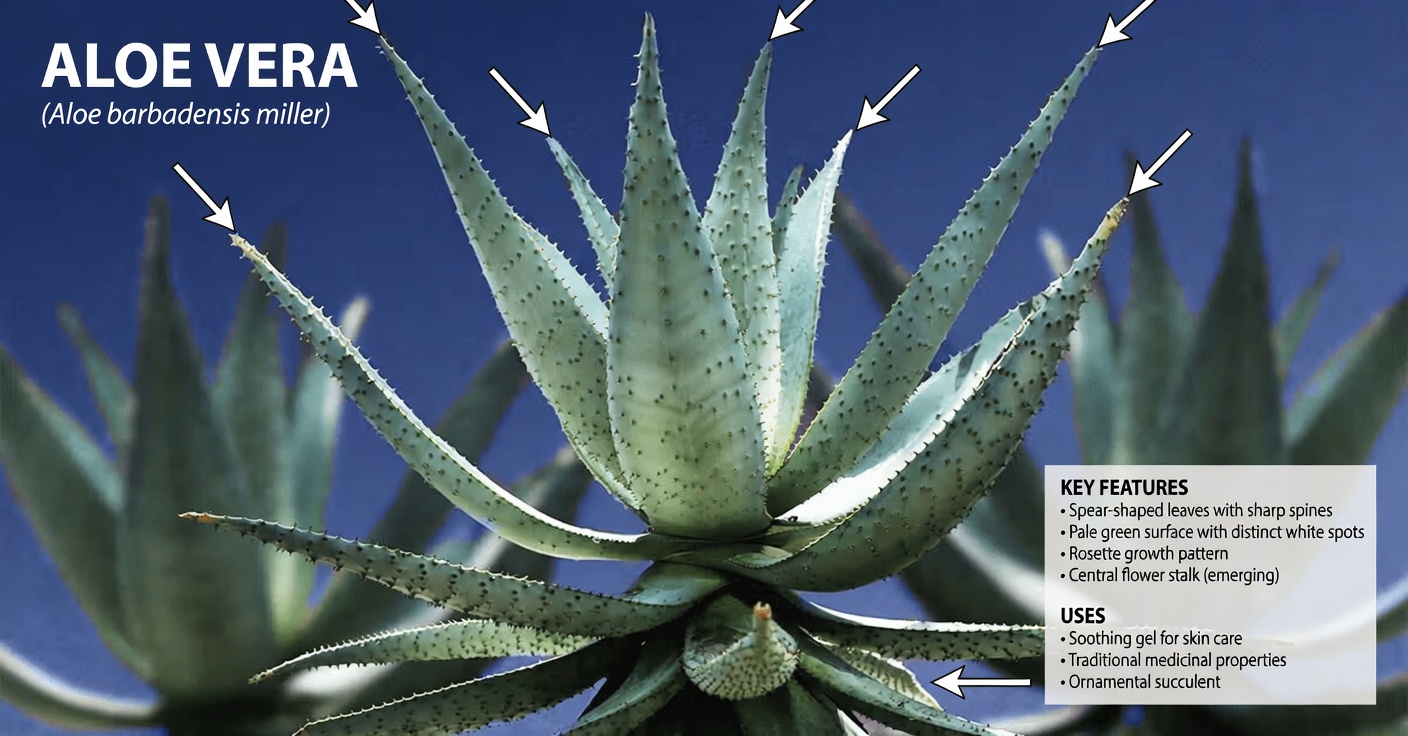
Aloe vera is a type of succulent with thick, pointed leaves that hold a clear, jelly-like substance inside. This inner gel is about 99% water, yet it also contains a range of vitamins, minerals, enzymes, and antioxidants. That nutrient profile has made aloe a staple in traditional care practices across many cultures.
You might see aloe:
- Growing on a sunny windowsill in a simple pot
- Sold as bottled gels, creams, and lotions
- Offered as juices and “inner leaf” drinks
The crucial difference experts emphasize is between:
- Inner leaf gel – the clear, soothing portion commonly used for skin support
- Aloe latex – the yellowish layer just beneath the green rind, containing strong compounds that are not recommended for regular internal use
That often-overlooked step of letting the latex drain off is what makes homemade aloe preparations much more comfortable and safer to use.
Science-Backed Ways Aloe Vera Supports Skin
Despite its simplicity, aloe vera gel has a surprisingly solid body of research behind it. Reputable sources such as the Mayo Clinic and WebMD note that the clear leaf gel can offer real benefits for several common skin concerns when applied externally.
Here are some evidence-supported uses:
-
Relieving minor burns and sunburn:
Aloe gel has been shown to support healing of first- and second-degree burns by cooling the skin and helping maintain moisture balance. -
Supporting acne care:
When used alongside conventional treatments (such as tretinoin), aloe gel may enhance results and reduce irritation in some individuals. -
Easing psoriasis symptoms:
Creams containing aloe extract can help reduce redness, flaking, and discomfort in mild to moderate psoriasis when used consistently. -
Moisturizing dry or sensitive skin:
Because it is lightweight and hydrating, aloe gel can be a gentle everyday option to keep skin soft without heavy, pore-clogging creams.
In addition, natural anti-inflammatory components in the gel give it that recognizable cooling feel, which many people find instantly calming on sun-exposed, windburned, or otherwise irritated skin.
Digestive and Wellness Support: Promising but Cautious
Some people incorporate aloe vera juice into their wellness routine, and early research has explored its potential role in digestion and metabolic health.
Healthline and similar sources report that:
- Short-term use of purified inner-leaf gel may help some individuals with occasional heartburn or mild digestive discomfort.
- Small studies suggest aloe might assist in supporting healthy blood sugar levels when combined with a balanced lifestyle and professional guidance.
However, these findings come with important caveats:
- Not all aloe products are the same. The U.S. FDA removed aloe latex from over-the-counter laxative products due to safety concerns.
- Long-term or high-dose internal use of aloe, especially when latex is present, is strongly discouraged.
- For internal use, always look for labels that specify “inner leaf gel only” and “decolorized” to reduce risk.
As with any supplement, it’s best to consult your healthcare provider before adding aloe juice or gel to your daily routine.
How to Harvest and Use Fresh Aloe Vera at Home
Growing your own aloe and using it fresh is simple, cost-effective, and can feel surprisingly luxurious. Follow these steps to safely prepare the gel:
-
Select a mature outer leaf
Choose a thick, firm leaf from the outer ring of the plant, where the leaves tend to be older and more gel-rich. -
Cut and drain the latex
Use a clean, sharp knife to cut the leaf near the base. Stand it upright in a glass or bowl for 10–15 minutes to allow the yellow latex to drain away. -
Rinse thoroughly
Rinse the leaf under cool running water to remove any remaining latex from the surface. -
Open the leaf
Slice the leaf lengthwise and fold it open, exposing the clear inner gel. -
Scoop out the gel
Use a spoon or knife to gently scrape out the transparent gel, avoiding the green peel. -
Use immediately on skin or hair
Apply the fresh gel directly to clean skin, or blend a small amount into your regular moisturizer or hair conditioner.
Any leftover gel can be stored in an airtight container in the refrigerator for up to one week. Many people find this simple ritual turns an ordinary day into a quick, restorative “at-home spa” moment.
Everyday Ways to Include Aloe Vera in Your Routine
Once you have fresh aloe gel or a high-quality bottled gel, it’s easy to weave it into your existing habits. Here are some practical ideas:
-
Hydrating smoothie add-in
Add a small spoonful of pure inner gel to a smoothie for extra hydration. Always avoid the latex and talk with your doctor first if you have health conditions or take medications. -
Lightweight face treatment
Blend aloe gel with a few drops of skin-safe essential oil or a gentle serum and use as a light face mask once or twice a week. -
Hair and scalp boost
Mix aloe gel into your conditioner to help leave hair soft, smooth, and more manageable. It can also feel soothing on a dry or itchy scalp, especially after sun exposure. -
Post-shave and minor burn relief
Keep a small jar of aloe gel in the fridge and apply a thin layer after shaving or after minor kitchen mishaps to calm the skin.
The versatility of aloe — from face to scalp to post-sun care — is a big reason it keeps earning a spot in bathroom cabinets worldwide.
Safety Tips Before You Start Using Aloe
While aloe vera gel is generally considered safe for topical use, a few precautions are wise:
-
Patch test first
Apply a small amount to the inside of your forearm and wait 24 hours. If you notice redness, itching, or irritation, avoid broader use. -
Special situations
If you’re pregnant, breastfeeding, or living with any chronic condition, always speak with your healthcare provider first, especially before taking aloe internally. -
Internal use and kidneys
Some research has linked long-term oral use of non-decolorized aloe preparations to potential kidney and other health concerns. Quality, dose, and duration all matter.
When in doubt, use aloe mainly on the skin and only consume products that are clearly labeled, properly processed, and approved by your healthcare professional.
Why Aloe Vera Deserves a Place in Your Self-Care Routine
Aloe vera is not a cure-all, but it is a gentle, well-researched plant that can genuinely support everyday comfort and simple wellness routines. Used correctly, it can:
- Cool and soothe sun-stressed or irritated skin
- Provide light, non-greasy hydration for face and body
- Complement hair and scalp care routines
- Offer possible short-term digestive support when used responsibly
With a bit of attention to preparation — especially draining away the yellow latex — this humble plant can become a reliable, soothing companion in your daily life.
Frequently Asked Questions
Can I eat aloe vera straight from the plant?
Some people add small amounts of fresh inner gel only to drinks or smoothies. Always drain off the latex first, rinse well, and consult your doctor beforehand, particularly if you have any medical conditions or take medications.
How long does homemade aloe gel stay fresh?
When stored in a clean, airtight container in the refrigerator, fresh gel usually lasts about 7 days. For longer storage, you can freeze it in ice cube trays and thaw single portions as needed.
Is aloe vera good for hair and scalp?
Yes. Many users report softer, more manageable hair and a calmer scalp when using aloe as a conditioner booster or scalp treatment, thanks to its hydrating and soothing properties.
Disclaimer: This article is for informational purposes only and does not provide medical advice, diagnosis, or treatment. Always seek the guidance of a qualified healthcare professional before using aloe vera or any natural remedy, especially if you have underlying health conditions or are taking prescription medications. Individual experiences and results may vary.