Barley for Steadier Energy, Better Fullness, and Everyday Balance
Packed schedules, ultra-processed meals, and inconsistent eating patterns can leave you tired, hungry again too soon, and unsure how to create more balance in your diet. Over time, these everyday struggles may affect how stable and energized you feel from morning to evening. It can be discouraging when regular meals seem unable to keep you satisfied for very long.
The good news is that one simple grain—often ignored in modern diets—may help support a steadier routine. And by the end, you may see your daily meals in a very different way.
What Is Barley, and Why Are More People Talking About It?
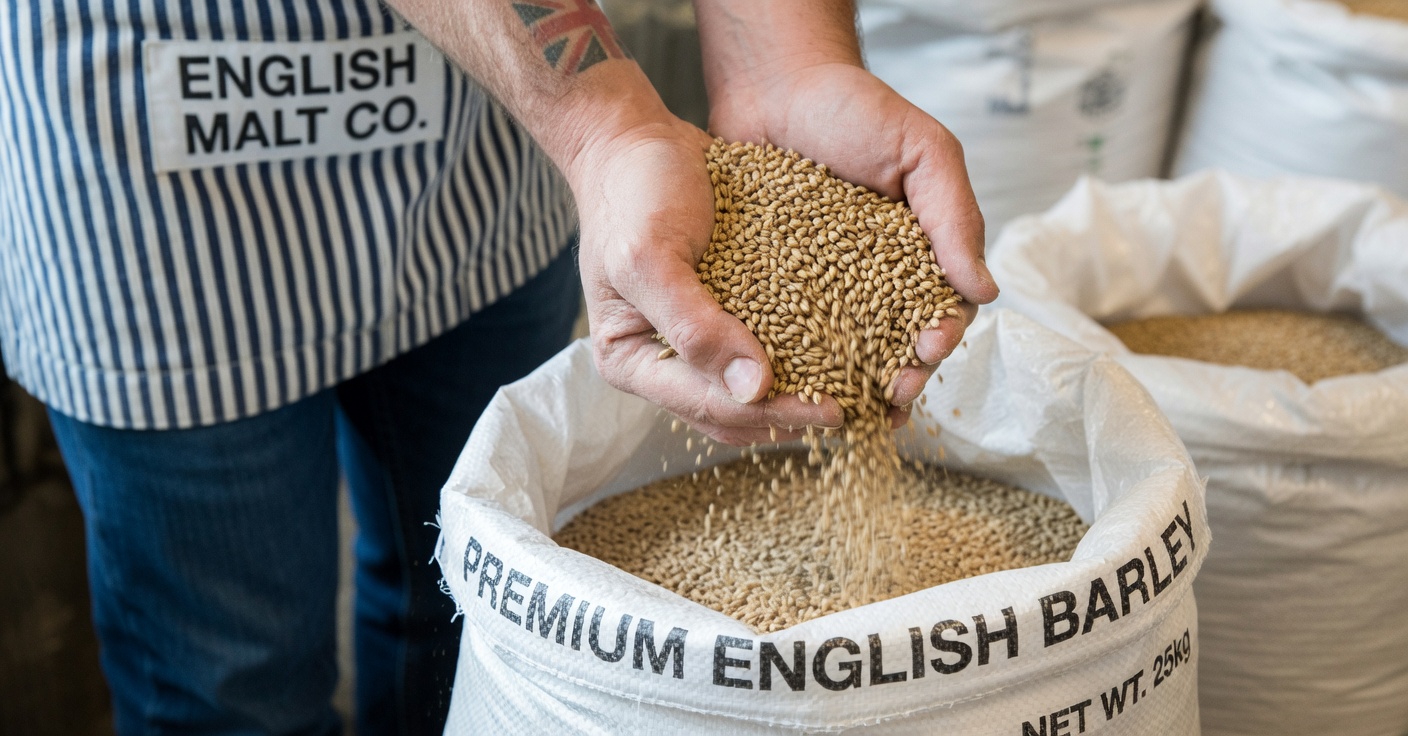
Barley is one of the world’s oldest cultivated grains. It has been eaten for centuries in many regions, yet today it is often overlooked in favor of more popular choices such as rice, oats, or quinoa.
What makes barley worth a closer look?
Its biggest nutritional strength is fiber, especially beta glucan, a type of soluble fiber. In digestion, beta glucan forms a gel-like substance that can influence how food moves through the body and how nutrients are absorbed.
Common types of barley include:
-
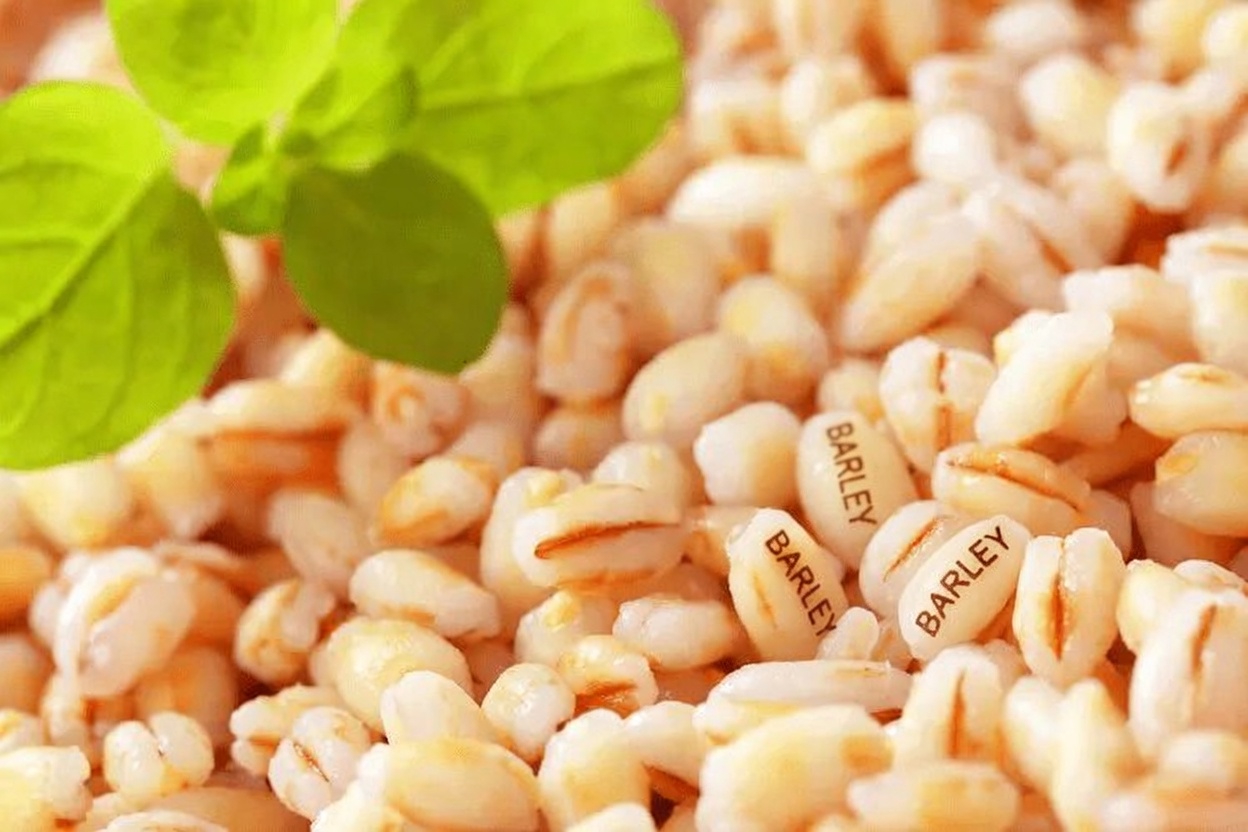
Hulled barley
- The least refined form
- Keeps most of its natural nutrients
- Takes longer to cook but offers the highest nutritional value
-
Pearled barley
- More widely available
- Cooks faster
- Contains a bit less fiber because some outer layers are removed
-
Barley flakes
- Similar in style to rolled oats
- Quick to prepare
- Great for breakfast bowls and fast meals
Barley also delivers more than fiber alone. It contains:
- Magnesium
- B vitamins
- Antioxidants
- Plant-based protein
That combination makes it a highly practical whole grain for everyday eating.
How Barley May Support Steady Energy and Blood Sugar
One of barley’s most discussed benefits is its ability to help promote more even energy levels.
Studies, including research from institutions such as Lund University, suggest that meals containing barley may lead to a more stable blood sugar response than meals built around refined grains. In some cases, this effect has been observed for hours after eating.
Why does that matter?
When digestion happens more slowly, energy tends to be released at a steadier pace. This may help limit the sharp rise and sudden drop that often follow heavily refined carbohydrate meals.
Why barley may help with daily energy balance
- Beta glucan slows digestion and nutrient absorption
- Barley generally has a lower glycemic impact than refined grains
- It may support more consistent energy throughout the day
Some findings also suggest that eating barley regularly, as part of an overall balanced diet, may help support insulin sensitivity over time.
Barley and Feeling Full Longer After Meals
If you often get hungry soon after eating, barley may be especially useful.
Because it is high in fiber, barley can help increase satiety, or the feeling of fullness after a meal. This may make it easier to go longer between meals without reaching for unnecessary snacks.
Why this can improve eating habits
- Makes portion control feel more natural
- May reduce cravings linked to rapid energy crashes
- Helps support a steadier meal pattern
There is another reason barley may help. Beta glucan may influence hormones connected to appetite, which can help you stay satisfied for longer after eating.
A Simple Grain That May Support Heart Health
Barley’s soluble fiber has also been associated with heart-friendly benefits.
According to research and regulatory recognition, including from the FDA, beta glucan may help reduce cholesterol absorption during digestion.
Potential cardiovascular benefits of barley
- May help lower total cholesterol
- Can support healthier LDL cholesterol levels
- Contributes to overall heart wellness when part of a healthy lifestyle
No food works like magic on its own. Still, repeated choices—such as including more whole grains—can make a meaningful difference over time.
Why Barley Matters for Gut Health and Digestion
Fiber is essential for healthy digestion, and barley provides both soluble and insoluble fiber.
This combination can help the digestive system work more smoothly while also feeding beneficial gut bacteria.
How barley may support digestion
- Helps nourish healthy gut microbes
- Supports regular bowel movements
- May ease occasional bloating when introduced slowly
A healthy gut does more than affect digestion alone. It can also influence how comfortable, light, and energized you feel after meals.
Key Nutrients Found in Barley
Barley is much more than a fiber source. It contains several nutrients that contribute to daily wellness.
Nutritional benefits at a glance
- Magnesium supports muscles and nerves
- B vitamins help with energy metabolism
- Antioxidants help protect cells from everyday stress
- Plant-based protein adds to fullness and meal satisfaction
Because of this nutrient mix, barley can serve as more than just a side dish. It can become a functional part of a balanced plate.
Barley vs. Other Common Grains
Here is a quick comparison of barley and a few familiar grains:
| Grain | Fiber Content | Glycemic Impact | Main Advantage |
|---|---|---|---|
| Barley | High | Lower | Supports fullness and steadier energy |
| White rice | Low | Higher | Fast source of energy |
| Oats | High | Moderate | Also contain beta glucan |
| Quinoa | Moderate | Moderate | Offers more protein |
What makes barley especially appealing is its combination of high fiber and a lower glycemic response, which is not always easy to find in a common grain.
Easy Ways to Add Barley to Your Meals
You do not need to completely change your diet to start eating barley. Small additions can fit naturally into your regular routine.
1. Try barley for breakfast
Cook it the way you might prepare oatmeal for a warm, filling morning meal.
Basic method
- Combine 1 cup hulled barley with 3 cups water
- Simmer for 45 to 60 minutes, or use a pressure cooker
- Top with:
- Fruit
- Nuts
- Yogurt
- Cinnamon
2. Add it to soups and stews
Barley thickens broths naturally and gives dishes a more satisfying texture.
Quick idea
- Add 1/2 cup pearled barley to a soup recipe serving 4 to 6 people
3. Use it in lunch salads
Cook barley ahead of time, let it cool, and mix it with vegetables and a simple dressing.
Great pairings include
- Cherry tomatoes
- Cucumbers
- Olive oil
- Lemon juice
- Fresh herbs
4. Mix barley with other grains
If switching fully to barley feels like too much, start by combining it with foods you already eat.
Easy first step
- Replace half of the rice in meals like:
- Stir-fries
- Grain bowls
- Pilafs
Tips for Making Barley Work Well for You
To get the most benefit from barley while keeping it comfortable to digest, keep these tips in mind:
- Choose hulled barley when possible for more nutrients and fiber
- Soak it overnight to shorten cooking time
- Increase fiber gradually to reduce digestive discomfort
- Pair it with protein and healthy fats for a more balanced meal
The most important thing to remember is consistency. You do not need a perfect diet—just repeatable habits that support your health over time.
Final Thoughts
Barley is not a flashy trend food or an overhyped superfood. It is a traditional whole grain with a long history and real practical value. Thanks to its fiber content, versatility, and gentler effect on energy levels, it can be a smart addition to daily meals.
The real takeaway is simple: better health usually does not come from finding one perfect food. It comes from building small habits that help you feel better day after day.
FAQ
Is barley a good grain for people monitoring blood sugar?
Barley is often considered a helpful whole grain because of its fiber content and lower glycemic impact compared with refined grains. Still, individual responses can differ. Monitoring your own response and speaking with a healthcare professional is the best approach.
How much barley can I eat in a day?
A common starting point is about 1/2 to 1 cup of cooked barley daily. From there, you can adjust based on your nutritional needs and how your body feels.
Can barley help with weight management?
Barley may support fullness and make portion control easier because it can keep you satisfied longer. However, lasting results depend more on overall eating habits, activity levels, and lifestyle patterns.
Disclaimer
This article is intended for informational purposes only and should not be used as a substitute for professional medical advice. Always consult a qualified healthcare provider or registered dietitian before making major dietary changes, especially if you have a medical condition or specific nutrition concerns.